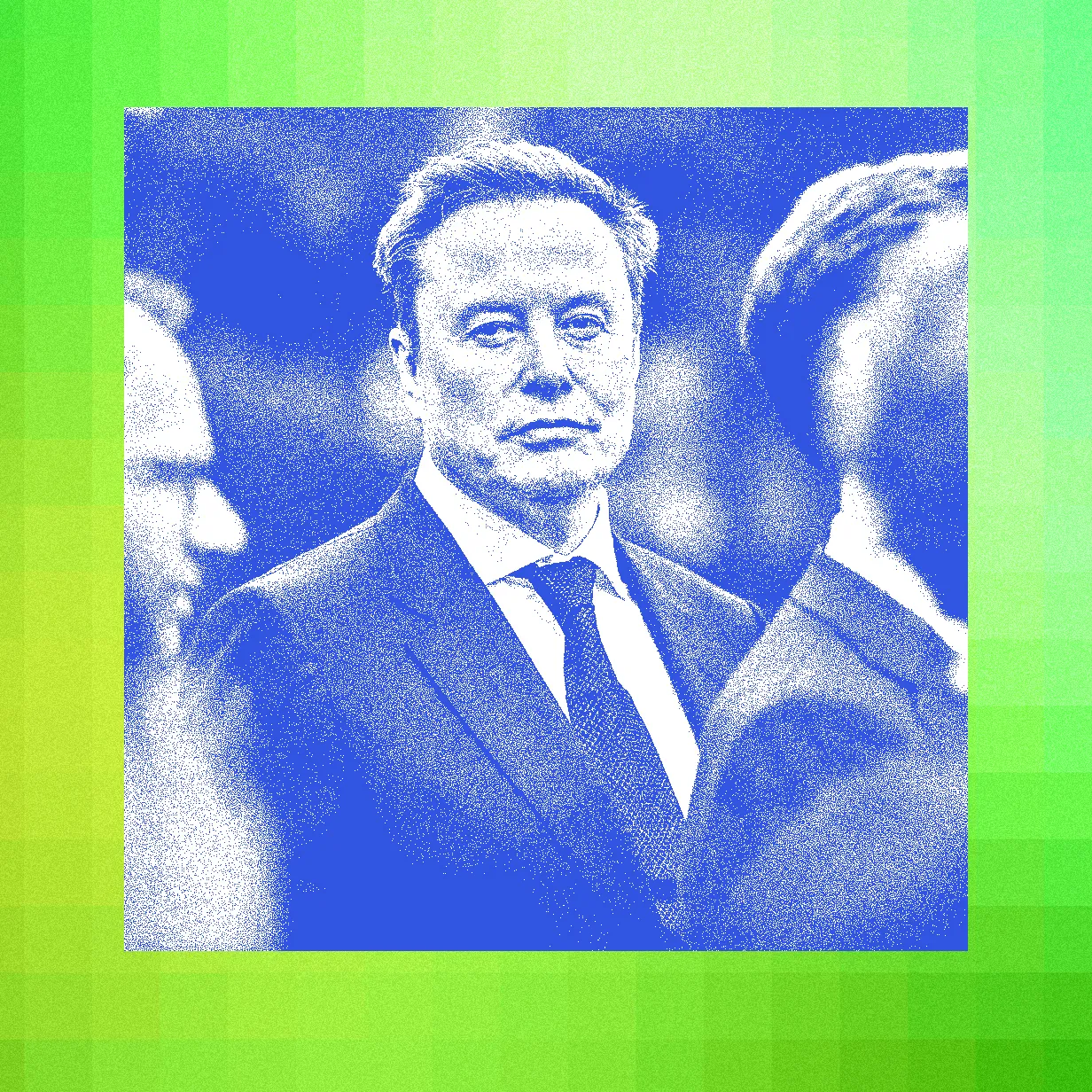
本周在《Uncanny Valley》节目中,佐伊·希弗(Zoë Schiffer)和莉亚·费格(Leah Feiger)深入探讨了埃隆·马斯克的“美国政治行动委员会”(America PAC)如何斥资数百万美元介入2026年期中选举中最具决定性的参议院竞选,以及其中大部分资金其实是用于反对民主党而非支持共和党。他们还剖析了有效 altruism(有效 altruism,注:此处直接译为“有效 altruism”或保留英文,按上下文可译为“有效 altruism”)这一曾经小众、如今却成为人工智能安全辩论核心的哲学,以及特朗普政府为何称其为一种危险的意识形态。
This week on Uncanny Valley, Zoë Schiffer and Leah Feiger dive into how Elon Musk’s America PAC is spending millions on the most consequential Senate races of the 2026 midterms—and how most of that money goes to opposing Democrats rather than supporting Republicans. They also break down effective altruism, the once-niche philosophy now at the center of the AI safety debate, and why the Trump administration has called it a dangerous ideology. Plus, they discuss the backlash against the graphic designer who created the logo for Meta’s AI assistant, Muse.
此外,他们还讨论了针对Meta人工智能助手Muse标志设计者的猛烈抨击。请在“信号奖”(Signal Awards)中为我们投票!本期节目中提及的文章:埃隆·马斯克的“美国政治行动委员会”在期中选举中大举砸钱。我们正在进行每日追踪 埃隆·马斯克的“美国政治行动委员会”正在暗中资助11月最关键的选举 她设计了Meta的新AI标志,随之而来的是铺天盖地的谩骂 您可以在Bluesky上关注佐伊·希弗(@zoeschiffer)和莉亚·费格(@leahfeiger)。
Vote for us in the Signal Awards! Articles mentioned in this episode: Elon Musk’s America PAC Is Spending Big on the Midterms. We’re Tracking It Daily Elon Musk’s America PAC Is Quietly Funding November’s Most Consequential Elections She Designed Meta’s New AI Logo. Then Came the Hate You can follow Zoë Schiffer on Bluesky at @zoeschiffer and Leah Feiger on Bluesky at @leahfeiger.
请通过[email protected]与我们联系。如何文字记录说明:这是一份自动生成的文字记录,其中可能包含错误。
Write to us at [email protected]. How to Transcript Note: This is an automated transcript, which may contain errors.
莉亚·费格:大家好,我是莉亚。我们要和大家分享一个好消息:《Uncanny Valley》不仅入围了一个或两个,而是三个“信号奖”的决赛。评委将决定最终得主,但听众也可以通过“听众选择奖”投票来表达意见。你可以点击我们节目简介中包含的链接为我们投票。我们保证只需花上一分钟,你的投票对我们意义重大。好了,进入正题。
Leah Feiger: Hey everyone, this is Leah. We wanted to share with you that Uncanny Valley is a finalist for not one or two, but three Signal Awards. The judges pick who wins, but listeners also have a say with the listener's choice vote. You can go to the links we included in the show notes and vote for us. We promise it takes just a minute and your vote goes a long way. OK, onto the show.
佐伊·希弗:欢迎收听《连线》杂志的《Uncanny Valley》。我是特约编辑佐伊·希弗。
Zoë Schiffer: Welcome to WIRED’s Uncanny Valley. I'm Zoë Schiffer, contributing editor.
莉亚·费格:我是政治与科学总监莉亚·费格。本周我们将深入探讨埃隆·马斯克的“美国政治行动委员会”是如何花费数百万美元来影响本届期中选举中一些最具决定性的竞选的。《连线》杂志专门制作了一个追踪器,以便实时关注“美国政治行动委员会”对各项竞选的支持情况。我们将带大家了解这些竞选为何如此重要,以及马斯克是如何向共和党人提供所有这些资金的。
Leah Feiger: And I'm Leah Feiger, director of politics and science. This week we're doing a deep dive into how Elon Musk's America PAC has spent millions of dollars to influence some of the most consequential races this midterm season. WIRED has created a tracker to follow America PAC's support in real time. We're going to take you through why these races matter and how Musk is throwing Republicans all of this cash.
Zoë Schiffer:我们还将深入剖析曾经鲜为人知、如今却无处不在的哲学理念——有效利他主义,从 X 上的讨论到《经济学人》的 文章,它的身影随处可见。我们将探讨这一意识形态究竟意味着什么,为何许多人工智能研究者会认同它,以及它如何积极地塑造着围绕人工智能安全的讨论。
Zoë Schiffer: We're also going to break down the once obscure philosophy that now seems to be everywhere from X threads to The Economist cover, effective altruism. We'll talk about what this ideology is actually all about, why many AI researchers to it, and how it has been actively shaping the debate around AI safety.
Leah Feiger:此外,我们还将探讨 Meta 公司 Muse 标志的设计者为何招致了大量批评。Zoë 本周与她详细聊了这件事,她有很多想说的内容。Zoë,这周只有我们两个人。我们正式把 Brian 推下悬崖了。
Leah Feiger: And we're going to get into why the designer of Meta's Muse logo has been receiving a ton of backlash. Zoë spoke with her all about it this week and she had a lot to say. Zoë, it's just me and you this week. We've officially pushed Brian off a cliff.
Zoë Schiffer:是啊,确实如此。FaceTime 直播已经开始。这周我们不会讨论任何科技大会。
Zoë Schiffer: Yeah, we have. The FaceTime chat has gone live. We will not be talking about any tech conferences this week.
Leah Feiger:绝对不可能。不过他下周会回来。所以至少还有这个盼头。好了,Zoë,埃隆·马斯克。他回来了。
Leah Feiger: Absolutely not. But he'll be back next week. So at the very least, there's that. OK, Zoë, Elon Musk.
Zoë Schiffer:他回来了。对某些人来说,他根本就没离开过。
He's back. Zoë Schiffer: He's back. He never left for some.
Leah Feiger:他其实从未真正离开,但现在他回来了,他的钱包也一起回来了。为了帮大家稍微回忆一下,马斯克是美国行动政治行动委员会(America PAC)的创始人和主要捐赠人。这个超级政治行动委员会于2024年成立,旨在帮助唐纳德·特朗普总统当选白宫主人。他们成功了,特朗普如今已就职。为了达成这一目标,该政治行动委员会花费了超过2.6亿美元。
Leah Feiger: He never really left, but he is back and so is his wallet. To refresh everyone's memories a little bit, Musk is the founder and main donor of America PAC, a super PAC that was started in 2024 to help elect President Donald Trump to the White House. They succeeded. Trump is in office. The PAC spent more than $260 million to make that happen.
而在今年11月的中期选举中,该委员会采取了略有不同的策略。《连线》杂志(WIRED)制作了一个实时追踪工具,用于监控他们的捐款情况。你可以在《连线》网站上查看。在制作这个追踪工具的过程中,我们学到了很多。基本上,该政治行动委员会正在向本次选举中影响最重大的选区进行捐款。显然,他们并未将重点放在总统选举上,因为今年并没有总统选举。
This time around for November's midterms, the PAC has been going about it a little bit differently. WIRED created a live tracker to monitor their donations in real time. You can check it out on the WIRED website. And we learned a lot putting this together. Basically, the PAC is donating to the election's most consequential races. They are not focusing obviously on the presidential race. There is no presidential race this year.
但他们全力参与了全国最关键的参议院选举,这些选举将真正决定明年国会的组成。该政治行动委员会主要投入资金反对民主党候选人,而非支持共和党候选人,这一点非常有趣。美国行动政治行动委员会每花1美元支持共和党候选人,就有超过2美元用于反对民主党候选人。在一些参议院选举中,这种差距甚至更加悬殊。
But they are all in on the most critical Senate races in the country that are really going to decide the makeup of Congress next year. The PAC is primarily pumping money against Democrats as opposed to for Republicans, which is really interesting. For every dollar that America PAC has spent supporting a Republican candidate, more than two have gone to oppose a Democrat. And that only becomes more extreme in some of these Senate races, right?
例如在得克萨斯州,那里有多家马斯克公司总部所在地,该组织投入了巨额资金攻击民主党候选人詹姆斯·塔拉里科(James Talarico),金额高达900万美元,而用于支持肯·帕克斯顿(Ken Paxton)的资金则仅约100万美元。在俄亥俄州、爱荷华州以及其他多个参议院选举中,也出现了类似的数据。这些选区并非随机选择。
In Texas where several Musk companies are based, the group has spent tons and tons of money attacking Democrat James Talarico. We're talking like $9 million. Whereas promoting Ken Paxton, around the one million mark. Similar numbers can be found in the Ohio Senate race, in Iowa, really up and down the board. And these races are not random.
它们正是民主党在今年11月掌控参议院的关键路径,而一旦成功,包括马斯克在内的共和党人可能会面临大量调查和监管压力。因此,这件事至关重要,原因有很多。我非常期待与你深入探讨这个话题。你对这个追踪工具有什么看法?你有机会亲自试用一下吗?
They represent the path for Democrats to take control of the chamber this November and could open Republicans, Musk included, up to a lot of investigations and regulatory pressure. So this is critical for so many reasons. I'm so excited to talk with you about it. What did you think of the tracker? Did you get a chance to play around with it?
Zoë Schiffer:我确实有机会尝试了一下。我真的非常 impressed,尤其是考虑到你为互联网开发了一款应用和网站,说实话,这简直是开创性的。
Zoë Schiffer: I did get a chance to play around with it. I was really impressed, not least because you coding something for the internet, an app and web, honestly, groundbreaking.
Leah Feiger:我可不能揽下任何编程的功劳。这一切都要归功于我们出色的调查团队,他们真的做得非常出色。确实如此。
Leah Feiger: I can take zero, zero coding credit. This all goes to our amazing investigations team who really knocked it out of the park. They did.
Zoë Schiffer:好吧,不开玩笑了。不,我觉得这真的非常重要。我的意思是,正如你所说,美国政治行动委员会(America PAC)的总支出比之前要少,但目标更加精准。他们做得非常具体。这是因为利害关系非常高。我觉得我们应该先暂停一下,谈谈这一点。因为国会可能会易主,民主党可能会掌握控制权,而马斯克和他的同伙似乎对此非常、非常认真。
Zoë Schiffer: Well, jokes aside. No, I think it's really important. I mean, like you said, the total spending on America PAC's part is less than what they spent previously, but it's much more targeted. They're being really specific. And that's because the stakes are really high. I feel like we should just back up for a second and talk about that. Because there is this chance that Congress flips, that Democrats take control, and it seems like Musk and his associates are taking that very, very seriously.
Leah Feiger:哦,他们当然应该认真。民主党人已经向我们透露了——我们从民主党内部获得的所有消息来源,无论是众议院还是参议院方面,都在热切谈论他们一旦掌控议会就会发起的各种调查和传票。而且目前民调对他们相当有利。这基本上意味着,如果民主党不把事情搞砸,他们很有可能实现这一目标。我完全可以想象,马斯克和他那圈类似的人现在恐怕已经慌了神。
Leah Feiger: Oh, as they should. Democrats are already telling us, all of our sourcing in Democrats, both on House and Senate side are hungrily talking about all of the investigations and subpoenas that they're going to release the minute that the chamber is theirs. And right now, the polls are looking pretty good for them. This is very much a, if Dems don't mess this up, they have a very good chance of making this happen. I can only imagine that Musk and a similar coterie of fellows are kind of freaking out right now.
Zoë Schiffer:我的意思是,我已经公开表达过这个观点,而且我还会再说一次:我认为共和党会过得很好。我觉得我们之前已经讨论过这个话题了,而且我对这些民调持怀疑态度。不过,你是政治事务主管,所以最终我还是以你的判断为准。话虽如此,我认为有一件事是百分之百确定的:马斯克真的非常非常严肃地看待调查和监管的可能性。
Zoë Schiffer: I mean, I am on the record and I'm going to say it again, I think Republicans are going to do just fine. I feel like we've had this conversation before, and I'm sus on the polling. However, you are the politics director, so ultimately I defer to you. That said, I think it is 100 percent true that Musk takes the possibility of investigations and regulations really, really seriously.
这也是他最终决定全力支持唐纳德·特朗普的主要原因。他曾公开表示,如果卡玛拉·哈里斯在上一次总统选举中获胜,整个国家都会变得像加利福尼亚州一样,而显然,那对他来说是最糟糕的结局。作为一个来自加州的人,我不同意这种说法,但这也不重要。确实,在这里建设东西非常困难,这一点我承认。不过,我很难想象一个会对埃隆·马斯克的企业帝国实施极其严厉监管的世界。
This was a primary reason why he ultimately decided to go all in on Donald Trump. He said very publicly that if Kamala Harris won the presidential election during the last cycle, the whole country was going to look like California, which was the worst thing that could happen to it, apparently. As someone from California, I disagree, but neither here nor there. It is really hard to build things here. I'll give you that. That said, I find it very hard to imagine a world where really harsh regulations actually do come down on the Elon Musk empire.
我认为部分原因在于SpaceX,以及政府对于Starlink、SpaceX技术以及其将物品送入太空的能力有多依赖。现在,正是SpaceX代表政府执行这些任务。因此,虽然我认为传票和所有这些事情都可能会发生,但它们最终是否会影响埃隆·马斯克的企业帝国呢?坦率地说,我不知道我们目前是否有能力让像他这样的人承担责任。
I think part of the reason for that is SpaceX, and just how dependent the government is on Starlink, on SpaceX technology, on their ability to get stuff into space. SpaceX is the company doing that on behalf of the government now. And so while I do think subpoenas, all of this stuff could happen, will it impact Elon Musk's empire ultimately? I don't know if we have the tools to hold someone like that accountable at this point, frankly.
Leah Feiger:说实话,我觉得这确实是一个非常非常棒的观点。显然,人们确实担心可能会出现一个类似莉娜·汗的人物,然后造成巨大破坏。但正如你所说,这种破坏其实只会停留在文书工作上。不,我完全理解你的意思,我完全理解。
Leah Feiger: I think that's a really, really good point, honestly. And obviously there's a clear fear that a Lina Khan-esque figure could come in and wreak havoc. But to your point, that havoc will be paperwork. No, I hear you. I hear you. Zoë Schiffer: I mean, think about it.
Zoë Schiffer:我的意思是,仔细想想。他唯一一次真正被追究责任,是因为他声称自己有钱将特斯拉私有化。他当时已经获得了将特斯拉私有化的资金保障。结果怎么样呢?他被罚款2000万美元?埃隆·马斯克的净资产有多少?说到底,即使这个数字听起来很惊人,他也不想支付,这笔钱对他来说不过是九牛一毛。
The one time he was held accountable in a real way was for saying that he had money to take Tesla private. He had funding secured to take Tesla private. What was the outcome of that? He was fined $20 million? How much is Elon Musk worth? Ultimately, even if that number hurts, he doesn't want to pay it, it's kind of a drop in the bucket.
Leah Feiger:不,他现在又成了万亿富翁,我猜是这样。而且说到这一点,超级政治行动委员会(super PACs)或政治领域的大额资金引发争议,这也不是第一次了。2024年我们就曾有过一场激烈的讨论,当时埃隆·马斯克随意地投入大量资金,被视作一种疯狂行为。而现在,他又通过“美国行动委员会”(America PAC)再次投入资金,这似乎已经形成了一种模式。
Leah Feiger: No, he's a trillionaire now, again, I guess. And I guess to that point, this is not the first time that super PACs or big money in politics has stirred up a little bit of controversy. We had this big conversation in 2024 about how crazy it was that Elon Musk was just throwing money at the wall, and now he's throwing money again via America PAC, which now feels like a pattern, and it feels like other tech founders and their influence and their PACs are already outsized in this administration.
此外,其他科技创始人及其影响力以及他们的政治行动委员会,在本届政府中似乎已经占据了不成比例的地位。从硅谷各个层面的各类团体中,都有政治行动委员会深度参与了这一轮选举。我非常想了解你对当前中期选举周期的看法,以及人们如何思考这一周期,又如何在某种程度上展望未来。
You have PACs from all sorts of groups up and down Silicon Valley that are very involved this election cycle. I'm really interested in what you're hearing about how folks are thinking about this midterm cycle and how they're kind of thinking more future.
Zoë Schiffer:是啊。我的意思是,硅谷并非铁板一块。人们经常听到那些嗓门最大的人发出的声音,而其中许多人是全情支持特朗普总统和共和党的。我认为,这些人某种程度上与埃隆·马斯克所担忧的一些问题不谋而合——比如将会出现调查,如果民主党掌握权力,就会减缓经济增长,他们也将无法在人工智能和其他领域保持领先。
Zoë Schiffer: Yeah. I mean, Silicon Valley is not a monolith. You hear a lot from the really loud voices in the room, and a lot of those voices are people who have gone all in on supporting President Trump and the Republican Party. And I think those people kind of align with Elon Musk in some of the fears that you have said, that there will be investigations, that if Democrats take control, it'll slow growth, that they won't be able to lead the race in AI and these other areas.
因此,他们必须全力以赴,去守护自己希望实现的未来。当然,也有许多普通员工持有更自由主义的价值观,他们相对沉默一些,但也在支持不同的事业。如今硅谷的讨论非常有趣,因为这里出现了许多新晋百万富翁——他们曾从事人工智能研究,现在手握巨额财富。他们正在积极探讨:当下部署和分配资本的最佳方式是什么?
And so they need to go all in and protect that future that they want to see happen. Of course, there are a lot of rank-and-file employees who have more liberal values, and they are staying a little more quiet, but they are contributing to different causes. It's an interesting conversation in the Valley right now because there are a lot of newly minted millionaires, people who worked in AI research and now have a ton of money, and they are having active conversations on what is the best way to deploy, to allocate capital right now?
我们应该把钱投向哪里才能产生最大影响?是慈善事业?还是政治领域?如果选择政治,又应该支持哪一方?目前还没有一个明确统一的观点,但这无疑已成为热门话题。Leah,正如你和听众们都知道的,关于人工智能安全的争论最近无处不在,这场讨论已经彻底失控。在这场争论中,有一种核心哲学反复出现,并开始成为焦点——那就是有效利他主义。
Where do we put the money to have the biggest effect? Is it in philanthropy? Is it in politics? If it's in politics, where should we contribute? There's not one defining take right now, but it is definitely a topic of conversation. Leah, as you and our listeners both know, the debate over AI safety has been everywhere lately. It has escaped containment in a big way. And in that debate, there is one central philosophy that keeps coming up again and again, and it's starting to become kind of the center of attention, effective altruism.
上个月,人工智能研究员Jacob Coxon公开表示支持有效利他主义的一个核心担忧:先进的人工智能可能会毁灭人类。这一言论引发了一系列头条新闻,也招致了特朗普政府相当强烈的回应。
Last month, AI researcher Jacob Coxon loudly voiced support for one of effective altruism's central concerns, that advanced AI could destroy humanity. This kicked off a wave of headlines and a pretty intense response from the Trump administration.
五角大楼的高级官员将有效利他主义称为一种,引号内的,“危险意识形态”,而美国国防部的一个官方社交媒体账户则呼吁人们选择,引号内的,“美国主义,而非有效利他主义。”因此,我们确实看到了这些分歧。不过,Leah,稍微回溯一下,你是什么时候开始了解有效利他主义的?因为你并不在硅谷,而是在纽约。
Senior Pentagon officials labeled effective altruism as a, quote, unquote, "dangerous ideology" and an official Department of Defense social media account implored people to choose, quote, "Americanism, not effective altruism." So we're really seeing these dividing lines. But Leah, just to back up a little bit, when did you become aware, because you're not in Silicon Valley, you're in New York, when did you learn about effective altruism?
Leah Feiger:令人惊讶的是,我其实可以准确地说出时间,大概是在16个月前,而且正是从你那里开始的。当时我们正在通电话,你说:“哦,对,对,对。而且这个人完全支持有效利他主义。”我当时就说:“我完全不知道那是什么意思。我从未听说过这个概念,也从未听说过这种信念。”你确实应该向我们的听众详细解释一下,但这真的、真的帮助我理解了硅谷在人工智能问题上存在分歧。
Leah Feiger: What's amazing is I can actually pinpoint it to, I would say, maybe 16 months ago, and it was from you. We were on a phone call, and you were like, "Oh yeah, yeah, yeah. And this person is all in on effective altruism." And I was like, "I have no idea what that means. I have never heard of this before. I have never heard of this belief." And you should really describe it to our listeners, but it really, really helped me understand that there was a split in Silicon Valley over AI.
我之前并不了解这一点。我原本只是认为人们会说:“是的,我们为这些公司工作,我们随时准备行动。”而你向我介绍了Anthropic中的有效利他主义者以及OpenAI中的不同派别。我相信那可能只是最基础的介绍,但确实非常、非常有帮助。那么,请继续吧。
I wasn't aware of that before. I just though that people were like, "Yep, we work for these companies. We're ready to go." And you took me through the effective altruists in Anthropic and different side in OpenAI, and it was, I'm sure, like the kindergarten version, but it was really, really helpful. So please take it away.
Zoë Schiffer:从最基本的层面来说,有效利他主义是一种信念体系,其核心观点是,人们应当尽可能高效地利用自己的时间、金钱和资源,去改善甚至拯救尽可能多的人与动物的生命。从根本上说,它与人工智能本身并没有直接关系。它真正关注的是:我们如何才能赚到尽可能多的钱,然后以某种方式运用这些钱,去帮助或拯救尽可能多的人?
Zoë Schiffer: So at a very basic level, effective altruism is a belief system built around the idea that people should use their time, money, and resources as efficiently as possible to improve or even save the lives of as many people and animals as they possibly can. At its core, it doesn't fundamentally have anything to do with AI specifically. It really is how can we make as much money as possible and then deploy it in such a way to help as many people as possible or save as many people as possible?
有效利他主义这一概念或相关理念,最初是通过像“LessWrong”这样的博客推广开来的。虽然这个圈子比较边缘化,但在21世纪初的硅谷确实颇具影响力。当时,牛津大学的学者也在讨论这一理念。人工智能之所以成为其中的一部分,是因为许多AI研究者都受到这种哲学思想的影响,他们将人工智能视为一种真正的存在性风险。
This concept or these ideas of effective altruism were popularized by blogs like LessWrong, which is fringe, but in Silicon Valley, it did have a real prominence in the early 2000s. There was researchers at Oxford talking about it. The reason that AI has become a part of this is a lot of the AI researchers came up in this philosophy and they see AI as a true existential risk.
如果你关心人类的福祉,同时又开始深入研究一项技术——你或许认为它没有巨大风险,但仍有可能导致全人类灭绝——那么这项技术就会成为你关注的核心问题。不过,我想说明一点:我无意为有效利他主义者辩护,但和任何运动一样,它也存在一个光谱。其中确实有一些极端狂热者。当你听到他们的观点,以及他们为了拯救最多人数而愿意做出的取舍时,那种功利主义的信念体系听起来简直不可理喻。
And if you're concerned with the welfare of humanity, and then you start to engage a lot with a technology that you think maybe doesn't have a huge risk, but nonetheless a substantial risk of killing everyone, then that becomes the central concern. I think one thing though that I wanted to just lay out, far be it from me to come out swinging for effective altruists, but like any movement, it's a spectrum. You have people who are real fanatics. And when you hear their viewpoints and the trade-offs that they would make to save a maximum number of people, that kind of utilitarian belief system, it sounds totally nutty.
但我接触过大量自认是有效利他主义者的人,他们完全就是普通人。我原本想说“理性的人”,但这个词在这个语境中听起来可能带有偏见。不过,他们对这个问题进行了非常深入的思考。他们听起来不像宗教狂热者,也不像是某个邪教组织的成员。而且,这些人并非全都聚在一起讨论。这是一个广泛存在的运动,内部也存在不同的群体。
But I talk to a ton of people who identify as effective altruists who are completely normal. I was going to say rational, but that feels really loaded in this context. But they're thinking about it really deeply. They don't sound like religious fanatics. They don't seem like people who are members of a cult. And it's not like all these people are getting together and talking. It's a movement, it's widespread. There are different groups.
Leah Feiger:当你把这一点应用到人工智能领域时,我发现其中有一个很有吸引力的方面,那就是我们只是在说,应该对这项技术的发展方向以及它可能给人们带来的影响感到担忧。这就是最基本的立场,对吧?这样的总结是否还算准确?
Leah Feiger: And when you apply it to AI, there is something that I find there's an appealing aspect where you're saying, look, we're just saying that we should be concerned about where this technology is going to go and what it could do to people. That's the baseline, right? Is that a pretty decent summary?
Zoë Schiffer:完全正确。如果你认为自己正在研究的某项技术有10%的可能性会杀死所有人,那么理性的做法就是辞职,并警告所有人。从这个意义上说,Jacob Coxon 的做法并不完全令人震惊。但看到这件事完全主流化,确实非常有趣。我们已经看到一些真正关心人工智能安全的研究者出现在 Tucker Carlson 和 Joe Rogan 的节目中。再说一次,有效利他主义者和人工智能安全研究者的交集虽然不是一个完美的圆,但确实存在相当程度的重叠。
Zoë Schiffer: 100 percent. And if you thought that you were working on a technology that might, 10% chance, kill everyone, the rational thing to do would be to quit and warn everyone about it. So in that sense, what Jacob Coxon did isn't completely shocking. But it has been very interesting to see this go fully mainstream. We have seen AI researchers who are really concerned about AI safety go on Tucker Carlson, Joe Rogan. And again, the Venn diagram of effective altruists and AI safety researchers, it's not a perfect circle, but there is a fair amount of overlap.
Leah Feiger:好的,比如 Sam Altman(OpenAI)、Dario Amodei(Anthropic)。Dario 曾提到人工智能对世界构成风险。那么他是否属于有效利他主义者的范畴呢?
Leah Feiger: So okay, Sam Altman, OpenAI, Dario Amodei, Anthropic. Dario has talked about AI being a risk for the world. So would he be in the EA category?
Zoë Schiffer:好的,这个问题其实非常、非常复杂。OpenAI 的首席执行官 Sam Altman 曾和 Dario Amodei 共事过一段时间,他们当时都在 OpenAI。后来 Dario 辞职了,还带着一小群 OpenAI 的研究人员,专门成立了一家公司,试图以安全的方式开发人工智能,从而造福全人类等等。他们觉得在 OpenAI 内部无法实现这一目标。
Zoë Schiffer: OK, this is a very, very loaded question. So Sam Altman, CEO of OpenAI, worked with Dario Amodei for a while. They were both at OpenAI. Then Dario quit, along with a small group of OpenAI researchers and started a new company specifically to try and build AI safely to benefit all of humanity, etc., etc. And they didn't feel like they could do that at OpenAI.
因此,两者之间出现了明显的分歧——当然,这并不是他们自己对自己的定位,而是外界对他们进行的分类。Sam Altman 某种程度上代表了“不惜一切代价追求增长”的资本主义式人工智能观;而 Dario 则更倾向于“有效利他主义”的理念,主张要安全地推进这项技术。他们认为,必须由自己来主导成功,因为只有他们真正理解其中涉及的实际风险。
So there you get a clear split between, and this is not how they identify, but this is how people categorize them. Sam Altman kind of represents the growth at all costs, capitalist view of artificial intelligence. Dario represents more of the effective altruism, let's do it safely. We have to be the ones to win because only we understand the real risks involved.
据我了解,Dario 在最近几年曾表示,他并不认同自己属于有效利他主义者。不过,他们的许多观点确实存在重叠。而且通过与 Anthropic 的研究人员交流,我感觉到他们当中似乎有更多人认同有效利他主义的理念。
Dario has said, I believe, in more recent months and years that he doesn't identify as an effective altruist. That said, a lot of the beliefs do overlap. And I think that you do get a sense from talking to Anthropic researchers that a lot more of them appear to fall into the effective altruism philosophy.
Leah Feiger:这方面有没有专门的 Slack 频道?或者有没有相关的聚会活动?现在这个话题已经进入了主流讨论的范畴,我对此非常好奇。除了五角大楼那种“必须亲美、必须说不”的态度之外,我特别想了解这件事接下来会如何发展。
Leah Feiger: Are there Slack channels for this? Are there parties? I'm so curious, now that this has escaped into a mainstream lexicon, I'm very interested beyond just the Pentagon being like, be pro-American, say no, how this is going to kind of continue.
Zoë Schiffer:是啊。我的意思是,没错,确实有群聊。我肯定也有Slack频道。伯克利有个叫Lighthaven的地方,它有点像会议中心兼集体住宅合作社,会举办各种活动。我上次去那儿的时候,有人提到可以在他们的双层床上睡觉。我当时就礼貌地拒绝了,而且永远都不会接受。不,谢谢。不过话说回来,这事儿挺有意思的,因为随着这个理念越来越主流,就像你说的,特朗普政府也跳出来,把“有效利他主义”当成一个总括性术语,说这些人几乎像是宗教狂热分子,他们反对增长,反对人工智能的发展,因此也就反对美国。
Zoë Schiffer: Yeah. I mean, yes, there are group chats. I'm sure there are Slack channels. There's a place in Berkeley called Lighthaven, that's kind of a conference center/group house co-op situation that hosts events. Last time I was there, the possibility of sleeping in one of their bunk beds came up. I was like politely decline forever. No, thank you. But anyway, it's interesting because, as this has gone more mainstream, like you said, the Trump administration has come out and they have really used effective altruism as kind of a overall term to say these people are almost religious fanatics, and they're anti-growth and they're anti-AI progress, and thus they're anti-American.
当然,实际情况要复杂得多。我认为这些人当中有很多其实只是想认真对待人工智能安全问题。但现在,“有效利他主义”这个词已经变得有点像是贬义词,用来表示我们既不能也不应该把这些人当回事。
Where of course there is a lot more nuance here. And I think a lot of these people are just trying to take AI safety really seriously. But now you're seeing effective altruism becoming kind of like a slanderous term to say we can't and shouldn't take these people seriously.
Leah Feiger:为什么这会引发争议?你说的话听起来并不那么糟糕啊。我们不就是想拯救人类吗?
Leah Feiger: Why is this controversial? What you're saying doesn't sound that bad. We're just trying to save humanity?
Zoë Schiffer:嗯,是的。我认为其中一个原因是,这完全关乎权衡取舍。如果将这种逻辑推向极端,你就会发现,如果你的目标是最大化善行或最小化伤害,那么为了拯救更多人的生命,你可能会愿意承受一定程度的伤害,或者至少参与其中。我认为人们对此感到有些不安,某种程度上也情有可原:为了消除造成更大伤害的可能性,有效利他主义者甚至愿意在当下做一些有损自身利益的事情,因为他们认为这是在保护人们免受未来可能发生的灾难。
Zoë Schiffer: Yeah. Yes. I think one reason is that it's all about trade-offs. And when taken to the extreme, you can see how if your goal is to maximize good or minimize harm, there is a certain amount of harm you would be willing to take, or be a part of, I guess, in order to save a greater number of people. And I think people, somewhat rightly so, get a little freaked out that in an effort to eliminate the possibility that greater harm will be done, effective altruists would be willing to do somewhat harmful things in the present moment because they think they're protecting people from something that could happen later on.
而另一个方面,这也是我一直在思考的问题:如果你认为自己是唯一认真对待人工智能安全的公司,那么“赢得”人工智能竞赛就变得至关重要。如果赌注是人类的存亡,为了获胜,你又会做出哪些事情呢?
And I think the other part, and this is one that I definitely am thinking about, is if you think that you are the only company that's taking AI safety seriously, then you "winning," quote, unquote, the AI race is really important. And what wouldn't you do to win if you think the stakes are humanity level extinction?
Leah Feiger:我觉得,所有参与这场讨论的人,大概都应该去奥柏林学院上一门哲学入门课。现在我的感受可能就是这样。
Leah Feiger: I kind of think that everyone involved in this conversation sort of needs to enroll at Oberlin for a philosophy 101 class. That's maybe what I'm feeling right now.
Zoë Schiffer:或许,正是奥柏林学院,尤其是奥柏林的哲学课程,把我们带入了这个困境。
Zoë Schiffer: I think Oberlin is what got us into this mess, perhaps. Oberlin philosophy specifically.
Leah Feiger:哲学102。这是下一章节。既然你已经超越了斯拉沃热·日丹,接下来会是什么呢?
Leah Feiger: 102. Philosophy 102. It's the next chapter. Now that you've moved on from Slavoj Žižek, what comes next?
Zoë Schiffer:天哪。接着说,Meta 推出其全新 AI 助手 Muse 已经几周了,说实话,这成了该公司一个出人意料的爆款。它至今仍在应用排行榜上名列前茅。不过,我想和你讨论这件事的原因,是几周前湾区发生的一起非常有趣的事件。Meta 聘请了自由职业设计师兼字体艺术家 Jessica Hische 来协助设计 Muse 的徽标,而她则在自己的新闻通讯中写道:“嘿,我做了这个项目。”
Zoë Schiffer: Oh my gosh. Moving on, it's been a few weeks since Meta released its new AI assistant Muse, and honestly, it's been kind of an unexpected hit for the company. It is still topping the app charts. But the reason that I wanted to talk to you about this is a really interesting situation played out in the Bay Area a few weeks ago. The designer, a freelance designer and lettering artist, Jessica Hische, who was hired by Meta to help design the Muse logo, told her newsletterrs like, "Hey, I did this project."
事实上,我记得那期新闻通讯的标题就是“新作品!(别生我的气)”。她其实知道会遭到一些人的批评。但她基本上说:“看,Meta 聘请我来做这个项目。归根结底,我认为一家大公司应该受到称赞,因为它聘请了一位独立艺术家,而不是仅仅生成一个新的徽标。设计过程是这样的。希望你们喜欢。”这就是她传达的大致信息。
In fact, I think the title of the newsletter was “New Work! (Don't be mad at me).”She kind of knew she was going to get some flack from people. But she basically said, "Look, Meta hired me to do this project. Ultimately, I think a big company should be commended for hiring an independent artist instead of just generating a new logo.
她的新闻通讯订阅者之一将内容发布到了 Threads 上。你忘了还有这个平台了。在设计师圈子里,Threads 仍然非常重要。Leah Feiger:我确实忘了,完全忘了。
Here's how the design process went. Hope you like it." That was kind of the message. One of her newsletterrs posted it on Threads. You forgot this was a thing. Threads is still very much a thing in the design world.
Zoë Schiffer:结果人们反应激烈。有人表示对她感到恶心和失望,说他们从她还在艺术学校的时候就一直关注她,以后再也无法支持她的任何作品了。还有人发布她家的照片,并猜测她的财务状况。她感觉整个 Threads 平台就像一群暴徒,因为她公开承认自己参与了这项工作,就对她进行了为期三天的攻击。是的。Leah Feiger:这真的非常极端。
Leah Feiger: I did forget. I fully forgot. Zoë Schiffer: And people flipped out. She had people saying they were disgusted with her, disappointed, that they'd followed her since she was in art school and they could never support anything she did again. People were posting photos of her house and speculating about her finances. She felt like the entirety of Threads was like a mob attacking her for three days for having come out and said she was doing this work. Yeah. Leah Feiger: That's really intense.
佐伊·希弗(Zoë Schiffer):是的,工作量太大了。和她交谈非常有趣,因为她对人工智能其实有着某种复杂的感情。她说她的丈夫一直在该领域工作,他们其实产生过一些分歧,因为她的丈夫对这项技术非常兴奋。老实说,如果你读过那篇文章,就会觉得这非常符合“AI娇妻”的设定。而她的态度则是:“嗯,不对,这可能会对商业艺术造成极大的危害。”
Zoë Schiffer: Yeah, it was a lot. It was really interesting to talk to her because she actually has kind of complicated feelings about AI. She said her husband has worked in this field, and they actually had some disagreements because he was really excited about the technology. It honestly was very AI wife coded, if you read that article. And she was like, "Well, no, this could be really bad for commercial art."
有些艺术家为了支持自己那些收入不高的艺术创作,偶尔会像她一样为公司接活,而这可能会带来毁灭性的打击。事实上,杰西卡·希舍(Jessica Hische)就是这样的人。她在奥克兰开两家店。它们非常可爱。一家有点像文具店。另一家是一个她用来举办儿童艺术工作坊、各种课程等活动的空间。她基本上是通过承接企业外包工作来全额资助这些店的。
Artists who, to support their less highly paid artwork, work for companies occasionally like she does, this could be detrimental. And in fact, that is what Jessica Hische does. She has two shops in Oakland. They're really cute. One is kind of a stationary store. The other one is a space where she hosts kind of kid art workshops and classes and stuff. And she basically fully funds those by taking on corporate work.
但她说,在过去的几年里,她的企业订单真的减少了很多,收到的咨询也不如往常多了。所以当Meta找到她时,她的反应是:“我甚至没有为此感到多么纠结。我想的是:天哪,我想为我的一个员工提供一份医疗保险。我需要不再每次一看到Gusto发来提示说我必须发放工资时就感到压力山大。好吧,这活儿我接了。”她得到了报酬。你猜,如果你重新设计Muse的标志,能拿到多少报酬。
But she said in the past couple years, her corporate work had really dried up, and that she wasn't getting as many inquiries as she usually does. So when Meta came to her, she was like, "I didn't even feel that conflicted about it. I was like, Oh my gosh, I want to offer one of my employees a health plan. I need to not be so stressed every time Gusto pings me and says I have to run payroll. Yeah, I'll take this."
莉亚·费格(Leah Feiger):我的意思是,对方可是Meta。你应该拿到五十万美元的股权。
She was paid. Guess how much you're paid if you redesign the Muse logo. Leah Feiger: I mean, it's Meta.
佐伊·希弗(Zoë Schiffer):是的,你可能会这么想。不,她拿到的报酬差不多就是12,500美元。
You should be paid half a million dollars in equity. Zoë Schiffer: Yeah, you would think.
莉亚·费格(Leah Feiger):不会吧。不,这才是最糟糕的部分。这其实是整个故事中最糟糕的部分。
No, she was paid $12,500 more or less. Leah Feiger: No. No, that's the worst part. That's actually the worst part of this whole story.
Zoë Schiffer:我知道。是啊。她当时说:“我觉得两天就能完成,还挺厉害的。”因为这是一个冲刺项目。她一开始只是在谈论设计字母“M”,后来因为完成了整个Muse字体,才拿到更多报酬。不过,其实也并没有多到哪儿去。而且,她再次强调,这笔钱是用来支持她在奥克兰的小生意的。但她还说,在Threads上有一大群人似乎真的是AI纯粹主义者,他们从根本上认为:“根本没有理由去参与这项技术。”而他们认为她决定参与这个项目,其实是一种支持信号。
Zoë Schiffer: I know. Yeah. She was like, "I thought it was kind of amazing for two days of work." Because it was a sprint. She was just talking about designing the M at first, and then she got a bit more for doing the full typeface of Muse. But yeah, it wasn't even that much. And again, she's using the money to support her small businesses in Oakland. But she said there was a huge contingent of people on Threads who seemed like they were really AI purists, and fundamentally were like, "There is just simply no excuse for working on this technology." And they really saw her decision to work on it as a signal of support.
Leah Feiger:我对此看法比较复杂。我不知道该怎么说。我觉得应该针对公司,而不是针对艺术家本人。但我也理解,这种说法可能不像在社交媒体上直接对某个人大喊大叫那样有冲击力或刺激。
Leah Feiger: I'm mixed here. I don't know. Go after the company, not the artist is sort of how I feel. But I get that that's not as juicy or exciting as yelling at someone personally on a social media app.
Zoë Schiffer:需要说明的是,这个社交媒体应用是Meta旗下的。Leah Feiger:这一点确实很重要。是的。她后悔吗?
Zoë Schiffer: A social media app that is owned by Meta, to be clear. Leah Feiger: Really important point there. Yep. Does she regret it?
Zoë Schiffer:这挺有意思的。我问过她这个问题,她最后说并不后悔。她当时在思考:“我后悔谈论这件事吗?”但她最终觉得,通过称赞一家雇佣了独立艺术家的公司,她其实是在为艺术家们做一件好事。她说:“如果这些大型科技公司觉得艺术家之后会在社交媒体上批评他们,他们就不会雇佣这些艺术家了。归根结底,这些公司确实存在,我们或许可以和他们建立某种共生关系。”我个人对此是能理解的。
Zoë Schiffer: It's interesting. I asked her that question and she said ultimately no. She kind of weighed like, "Do I regret talking about it?" But she said ultimately she felt like she was doing a good thing for artists by commending a company that had hired an independent artist. She was like, "These big tech companies are not going to hire artists if they feel like that artist is then going to go slam them on social media. Ultimately, these companies exist and there can be some sort of symbiotic relationship with them," which I'm personally sympathetic to.
Leah Feiger:如果我不至少提到或想到电视剧《硅谷》(Silicon Valley),那这期节目就不算真正触及“恐怖谷”主题了。我忍不住会想到剧里那个为Gavin Belson设计盒子的艺术家,以及那背后需要付出的努力。我记得当时看剧时还心想:你为什么要让自己承受这些?但另一方面,每个人都需要薪水。那真的很难熬。哦,天哪,这个问题确实很复杂,听起来也有点让人难受。
Leah Feiger: It's not an Uncanny Valley episode if I'm not at least mentioning or thinking about “Silicon Valley,” the TV show. And I can't not think about the artist in the show who is designing Gavin Belson's box and what that took. And I just remember watching it and being like, why are you putting yourself through this? But also everyone needs a salary. It was painful. Oh, wow. That's a complicated one. That's a little bit tough to hear.
佐伊·希弗:休息过后,我们将分享本周的“潮流与过时”(wired tired)精选。请继续收看。现在是我们的“潮流/过时”(WIRED/TIRED)环节。任何新鲜酷炫的事物都是潮流(wired)。任何我们已经完全腻了的过时玩意儿都是过时(tired)。莉亚,这周你给我们带来了什么?
Zoë Schiffer: Coming up after the break, we're sharing our wired tired picks for the week. Stay with us. It's time for our WIRED/TIRED segment. Whatever is new and cool is wired. Whatever passé thing we're totally over is tired. Leah, what have you got for us this week?
莉亚·费格:好的。我想先说,每个人都应该访问 wired.com,每个人都应该继续阅读新闻。就这样。没有任何借口。佐伊·希弗:太棒了。
Leah Feiger: Okay. I want to start by saying everyone should to wired.com and everyone should keep reading the news. That's it. No buts there. Zoë Schiffer: Great.
莉亚·费格:但我要补充的是,这真的很累人。这是一个非常漫长的选举周期。我们刚刚才结束初选季。我们现在正处于中期选举季。每天都有来自伊朗、中国和俄罗斯的疫情灾难新闻。有时,停下刷手机的动作、关掉新闻其实真的没关系。我确实想提醒大家这一点。这也引出了我的“潮流”之选,它可以帮你们做到这一点。
Leah Feiger: But what I would add is it's tiring. This is a very long election cycle. We just finally finished primary season. We are now in midterm season. There is news from Iran and China and Russian plagues every single day. And sometimes it's really OK to stop scrolling and turn the news off. And I do want to remind people of that. Which brings me to my WIRED, which could help you do that.
我这么说并没有收广告费,虽然我有点希望自己收了。不过 Netflix 上新了一季《烘焙大赛》(Great British Bake Off),我真的非常非常喜欢。它就是那种治愈又温馨的节目,非常适合十月,强烈推荐。所以佐伊·希弗:好的,我太喜欢了。在我们深入探讨之前,你觉得你的平均屏幕使用时间是多少?这有关联。
I am not being paid to say this, though I kind of wish I was, I guess. But there's a new season of “Great British Bake Off” on Netflix, and I'm really, really enjoying it. And it's just comfort and cozy, perfect for October, highly recommend. So Zoë Schiffer: Okay, I love that. Before we get into it, what is your average screen time, do you think? Related.
这有关系的。莉亚·费格:哦。我想说我们大概在五到六个小时的范围内。佐伊·希弗:好的。上周我的屏幕时间是 14 个小时。莉亚·费格:哇。
It's related. Leah Feiger: Oh. I would say we're in the five, six hour range. Zoë Schiffer: OK. Last week I was at 14. Leah Feiger: Whoa.
佐伊·希弗:我一直在看手机。我知道。这不是很吓人吗?我的心理健康状况糟糕透顶,最后我忍不住想:这有关联吗?我觉得自己太傻了。
Zoë Schiffer: I was on my phone. I know. Isn't that terrifying? My mental health was horrific, and finally I was like, is this linked? I feel so silly.
佐伊·希弗:对。是的,我知道。我知道。这真的、真的很不健康。莉亚·费格:那太多了。我很为你担心。
Zoë Schiffer: Yes. Yeah, I know. I know. It's really, really sick. Leah Feiger: That's a lot. I'm worried for you.
佐伊·希夫:这周我的使用时间降到了七个小时。我开始频繁地查看它,所以在查看屏幕使用时间这件事上反而耗费了更多时间。好吧。我感到厌倦的是,我觉得我读过的每一本现代书——这是一个很大的概括——第一人称现在时都无处不在。书以前不是这样写的,而现在你打开一本普通的文学小说,它基本上就是这样写的,我真的对这种写法感到厌倦了。
Zoë Schiffer: This week I'm down to seven hours. I've started checking it frequently, so more screen time as I check my screen time. OK. My TIRED is, I feel like every modern book I have read, this is a gross generalization, but first person present tense is ubiquitous. This is not used to be how books were written, and now you open your average kind of literary fiction and that is how it's written, really tired of it.
乔治·桑德斯,伟大的作家、老师等等,曾谈到过一种写作方式,我想他称之为“第三人称腹语”。你进入了人物的脑海,但它仍然是第三人称。所以旁白听起来像是人物在自言自语。昨晚我在《纽约客》上读了他写的一篇短篇小说,感觉就是这种风格,我想它叫《胜利加冕圈》。他真是一位真正的艺术家。我非常尊敬他。我真的很喜欢他关于创作过程以及作为一个世界公民所说和写的一切。
George Saunders, great writer, teacher, et cetera, has talked about writing in, I think he calls it third person ventriloquist. You're in the person's head, but it's still third person. So the narration sounds like the person kind of thinking out loud. And I read a short story that he wrote that kind of felt like this style, I think it's called “Victory Lap,” for the New Yorker last night. He is just a true artiste. I really respect him. I really like everything he says and writes about the creative process and just being a human in the world.
莉亚·费格:我太喜欢了。我要去读读看。很好的推荐。你要去看《英国烘焙大赛》吗?
Leah Feiger: I love that. I'm going to go read. Great recommendation. Are you going to go watch “Great British Bake Off”?
佐伊·希夫:不,我不会看,因为我还是没有电视机。但我确实觉得总有一天我会重新拥有一台,那会是一个感觉非常棒的节目。我们今天的节目就到这里。我们会在节目文稿中附上我们谈到的所有报道的链接。阿德里安娜·塔皮亚制作了本期节目。混音由普兰·班迪完成,他也是我们纽约工作室的工程师。本期节目由马特·吉尔斯和丹尼尔·罗曼进行事实核查。凯特·奥斯本是我们的执行制片人,凯蒂·德拉蒙德是《连线》杂志的全球社长。
Zoë Schiffer: No, I will not because I still don't own a TV. But I do feel like someday I'm going to get back there and that will be a show that will feel really good. That's our show for today. We'll link to all the stories we spoke about in the show notes. Adriana Tapia produced this episode. It was mixed by Pran Bandi, who's also our New York studio engineer. It was fact checked by Matt Giles and Daniel Roman. Kate Osborn is our executive producer, and Katie Drummond is WIRED's global editorial director.