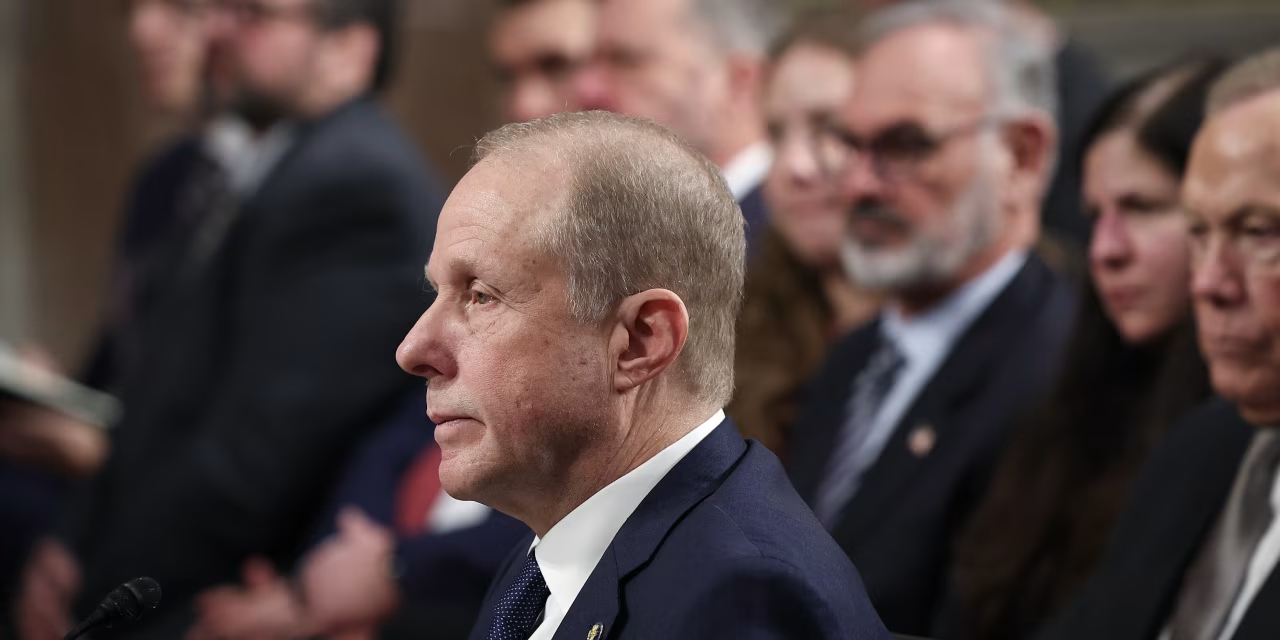
7月,在马里兰州的戴维营举行的内阁会议结束后不久,特朗普总统便吩咐国防部长皮特·赫格塞斯:“马上给费因伯格打电话。”此处的费因伯格即赫格塞斯的副手、在布朗克斯区长大的私募股权行业亿万富翁史蒂夫·费因伯格。鉴于费因伯格的职责正是改善美国导弹库存状况,特朗普询问他为何媒体上仍有美国因武器库存告急而暂停对伊朗发动攻击的报道。
Soon after a July cabinet meeting ended at Camp David, the rustic presidential retreat in Maryland, President Trump turned to Defense Secretary Pete Hegseth with an order: “Get Feinberg on the phone.”The Feinberg in question is Hegseth’s deputy, Steve Feinberg, a private-equity billionaire who grew up in the Bronx. Trump asked Feinberg why he was still seeing media reports that the U.S. had paused attacks on Iran amid concerns about dwindling weapons stocks, given Feinberg’s job was to improve those stocks.
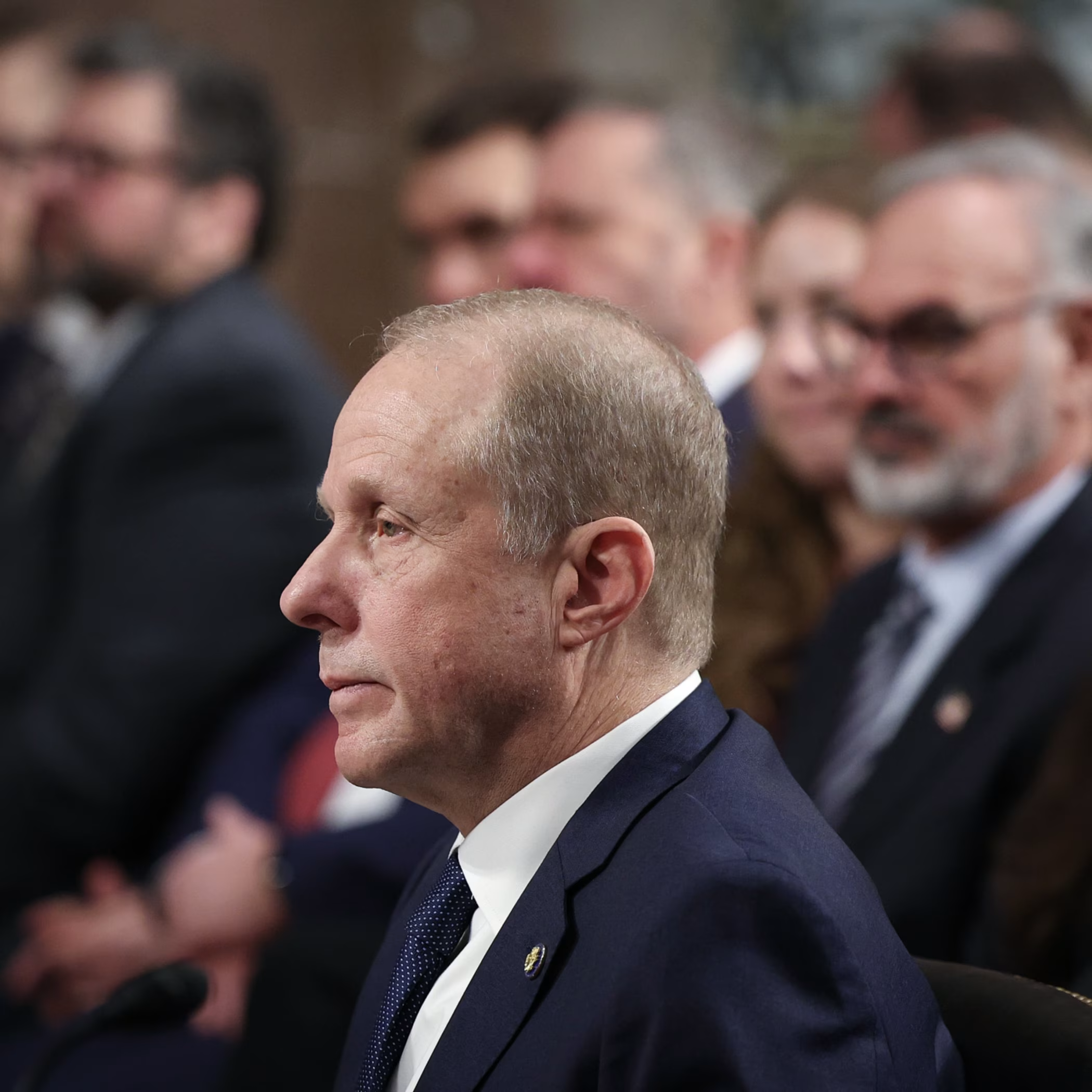
“总统希望有更多导弹,部长也希望有更多,我自己同样如此,”费因伯格最近在去年上任后的首次采访中这样阐述自己的工作思路。
“The president wants more. The secretary wants more. I want more,” Feinberg recently said, explaining his approach in his first interview since taking the job last year.
随着美国在与伊朗的冲突中消耗了数千枚导弹,费因伯格正致力于提升五角大楼补充新武器的效率。不过这一举措能否奏效,目前尚难定论。
As the U.S. expends thousands of missiles in the Iran war, Feinberg is trying to speed up the Pentagon’s ability to get new weapons. The jury is still out on whether it will work.