该系统已向散户投资者以及全球私募股权投资机构开放。挑战在于如何将这种可及性转化为持久的经济收益。作者:Anto Antony仅仅一代人之前,印度还是一个资本稀缺、家庭财富几乎全部流向银行、黄金和房地产的国家。如今,全球私募股权投资公司一次性在该国投入数十亿美元,风险投资家也资助了价值数百亿美元的公司。
The system has opened up for small investors as well as global private equity. The challenge is turning access into lasting economic gains. By Anto Antony Barely a generation ago, India was a place where capital was scarce and household wealth overwhelmingly flowed into banks, gold and property. Today global private equity firms deploy billions of dollars at a time in the country, and venture capitalists have financed companies worth tens of billions.
数字基础设施让银行服务、支付和投资变得触手可及,而这些正是传统金融体系难以覆盖的人群。接下来的阶段可能更为艰难:印度必须将新增资金和市场准入转化为具有全球影响力的企业,同时仍需进一步拓宽收入来源和家庭财富。
Digital infrastructure has put banking, payments and investing within reach of people the formal financial system struggled to serve. The next part may be harder: India must turn the new money and access to its markets into globally important companies. And it still needs to broaden income and household wealth.
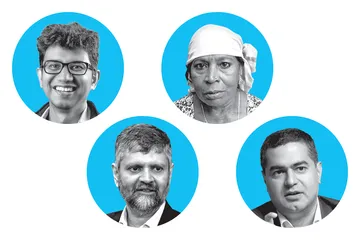
我们采访了四位在这个新世界中占据截然不同位置的人士,询问他们认为未来十年印度金融业需要如何变革。他们的回答经过编辑,以增强清晰度和简洁性。
asked four people who occupy very different places in this new world how they think Indian finance needs to change over the next decade. Their answers have been edited for clarity and length.
Lalit Keshre:“印度在金融可及性方面仍存在巨大问题。我们有14亿人口,分布在不同地理区域,说着不同的语言,收入也差异巨大。对于传统金融机构而言,总有数百万人因服务成本过高而难以触及。技术正在不断改变这种经济模式。支付领域的实践表明,当分销成本大幅下降时,会发生怎样的变化。下一个重大机遇在于投资、金融建议和信贷领域。人工智能或许能再次改变这种经济模式。一位优秀的金融顾问或许能够妥善管理20到30位客户。如果人工智能能够完成大部分常规工作——比如理解投资组合、回答问题、识别需要关注的事项以及提供个性化信息——那么这位顾问理论上就能服务多达1000位客户。”
Lalit Keshre“India still has a huge access problem in finance. We have 1.4 billion people spread across very different geographies, speaking different languages and earning very different incomes. For a traditional financial institution, there were always millions of people who were simply too expensive to reach and serve. Technology keeps changing those economics. Payments showed what can happen when the cost of distribution collapses. The next big opportunity is in investing, financial advice and credit. Artificial intelligence could change the economics again. A good financial adviser may be able to look after 20 or 30 people properly. If AI can do much of the routine work — understand a portfolio, answer questions, flag what needs attention and personalize information — that same adviser could potentially serve 1,000.

“但更大的机遇并不仅仅在于让更多印度人购买股票和共同基金。印度人其实已经拥有巨额财富,其中很大一部分以黄金和房地产等实物资产的形式存在。想象一下,一位店主拥有自己的店铺,但需要资金进行扩张。如果所有权记录和资产估值变得可靠且可以数字化验证,贷款机构就能更轻松地了解这项资产,并做出信贷决策。”
“But the bigger opportunity goes beyond getting more Indians to buy stocks and mutual funds. Indians already have enormous wealth; much of it sits in physical assets such as gold and property. Think about a shopkeeper who owns his shop and needs money to expand. If ownership records and valuations become reliable and digitally verifiable, a lender can understand that asset and make a credit decision much more easily.”
——图欣·帕里克(Tuhin Parikh)“印度市场的成熟速度远超许多人的预期。但这并不意味着回报会消失,而是意味着你必须付出更多努力才能获得回报。最大的变化在于投资者看待印度的方式。他们不再问印度是否适合投资,或者是否存在退出渠道。现在他们提出的问题和在成熟市场中的投资者一样:回报是多少?这些回报有多稳健?你能否成功执行?”
Tuhin Parikh“The Indian market matured much faster than many people expected. That doesn’t mean returns disappear. It means you have to work harder for them. The biggest change is in how investors think about India. They no longer ask whether India is investable or whether exits exist. The questions now are the same ones investors ask in developed markets: What are the returns? How resilient are they? Can you execute?
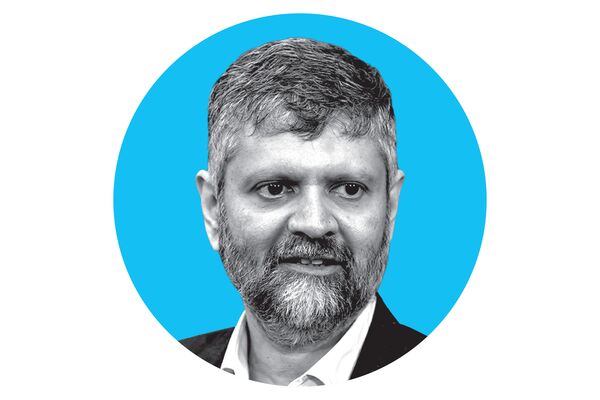
“这使得纪律变得尤为重要。在印度,没有任何一家公司能毫无阻碍地取得巨大成功。市场奖励的是耐力和持久力。你需要等待监管环境变得清晰,然后满怀信心地投入行动。同时,当一切顺利时,你也必须知道该关注哪些信号。对我而言,有两个警示信号:开始损害消费者需求的通货膨胀,以及资产价格远超其基本面支撑水平的上涨。”
“That makes discipline even more important. Nothing is a runaway [success] in India. The market rewards endurance and staying power. You wait for regulatory clarity, and then you deploy with conviction. You also have to know what to watch when things are going well. For me there are two warning signs: inflation that begins to hurt consumer demand, and asset prices rising much faster than the fundamentals underneath them.”
——沙伊伦德拉·辛格(Shailendra Singh)“大约在2015年,我们开始追踪投资组合中有多少公司的年收入至少达到1亿美元。当时只有两三家。如今,尽管经历了多年的企业退出,我们投资组合中的这类公司已经大约有55家。”
Shailendra Singh“Around 2015 we started tracking how many companies in our portfolio had at least $100 million in annual revenue. There were only two or three. Today, even after years of exits, we have roughly 55.
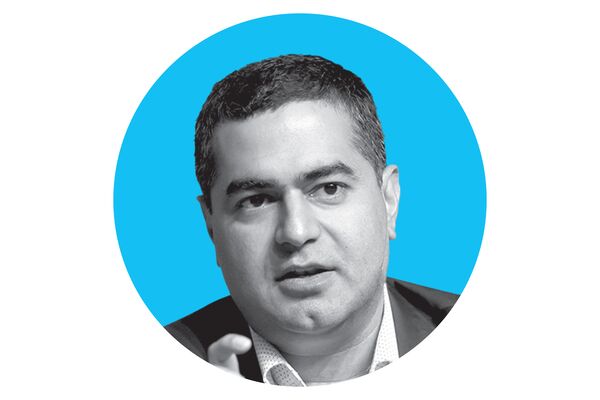
“尽管许多创始人可能不会公开承认,但他们都有雄心,希望从印度打造出估值达到1000亿美元的公司。这将改变风险投资的计算方式。另外还有一个因素正在发生变化:资本的来源。印度的家族办公室和本土基金已经与我们共享资本结构表(即公司所有权清单)。看看如今印度市值最高的100家公司,其中只有两三家是获得风险投资支持的技术或消费类公司。如果我愿意打赌,我认为在未来十年左右,这类公司的数量可能会占到总数的四分之一到一半。”
“Multiple founders, though they may not say it publicly, have the ambition to build $100 billion valuation companies from India. That changes the mathematics of venture capital. Something else is changing: who supplies the capital. Indian family offices and domestic funds are already sharing cap tables [lists of company ownership] with us. Look at India’s 100 largest companies by market value today. Only two or three are venture-backed technology or consumer companies. If I were a betting person, I think that could be somewhere between a quarter and half over the next decade or so.”
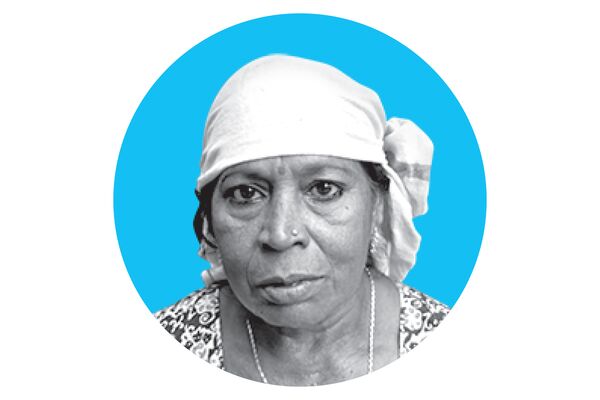
“现在贷款更容易了。以前要困难得多。我有一些土地,正因为拥有这些土地,银行才愿意以此作为抵押向我提供资金。这是我人生中第一次获得这样的贷款。但贷款必须每月偿还。我在别人的农场工作,有活就干,没活就待在家里。在收成好的月份,我大概能赚2万卢比,但每个月都未必是好月份。雨季雨水充沛时,田里的工作就会减少。现在贷款是更容易了,但要赚到足够偿还贷款的钱,依然很困难。”
“Getting a loan is easier now. Earlier it was much harder. I have some land, and because I have that land, the bank was willing to give me money against it. It was the first time in my life I had taken a loan like this. But a loan has to be paid back every month. I work on other people’s farms. If there is work, I go. If there is no work, I stay home. In a good month, I can earn around 20,000 rupees, but there is no guarantee that every month will be a good month. When the rains are heavy, there is less work in the fields. Getting a loan is easier now. Earning enough to repay it is still hard.”