
研究表明女性正在变得更容易愤怒,但她们是否只是更敢于表达这种情绪呢?作者:Eleanor Lawrie音乐人Chess Galea过去总是压抑自己的愤怒情绪,因为她担心会被贴上“歇斯底里”或“难以合作”的标签。
Studies suggest women are getting angrier, but are they just more open about it? By Eleanor Lawrie Music artist Chess Galea used to suppress any feelings of anger, fearing she would be branded as "hysterical" or "difficult to work with".
从女性承担的“心理负担”,到职场中的性别歧视,甚至更严重的针对女性的暴力行为,Galea表示:“我们没有意识到自己接受了多少,又沉默了多少。”
From the "mental load" women carry to sexism in the workplace or - worse - violence against women, Galea says "we don't realise how much we accept and how much we close our mouths".
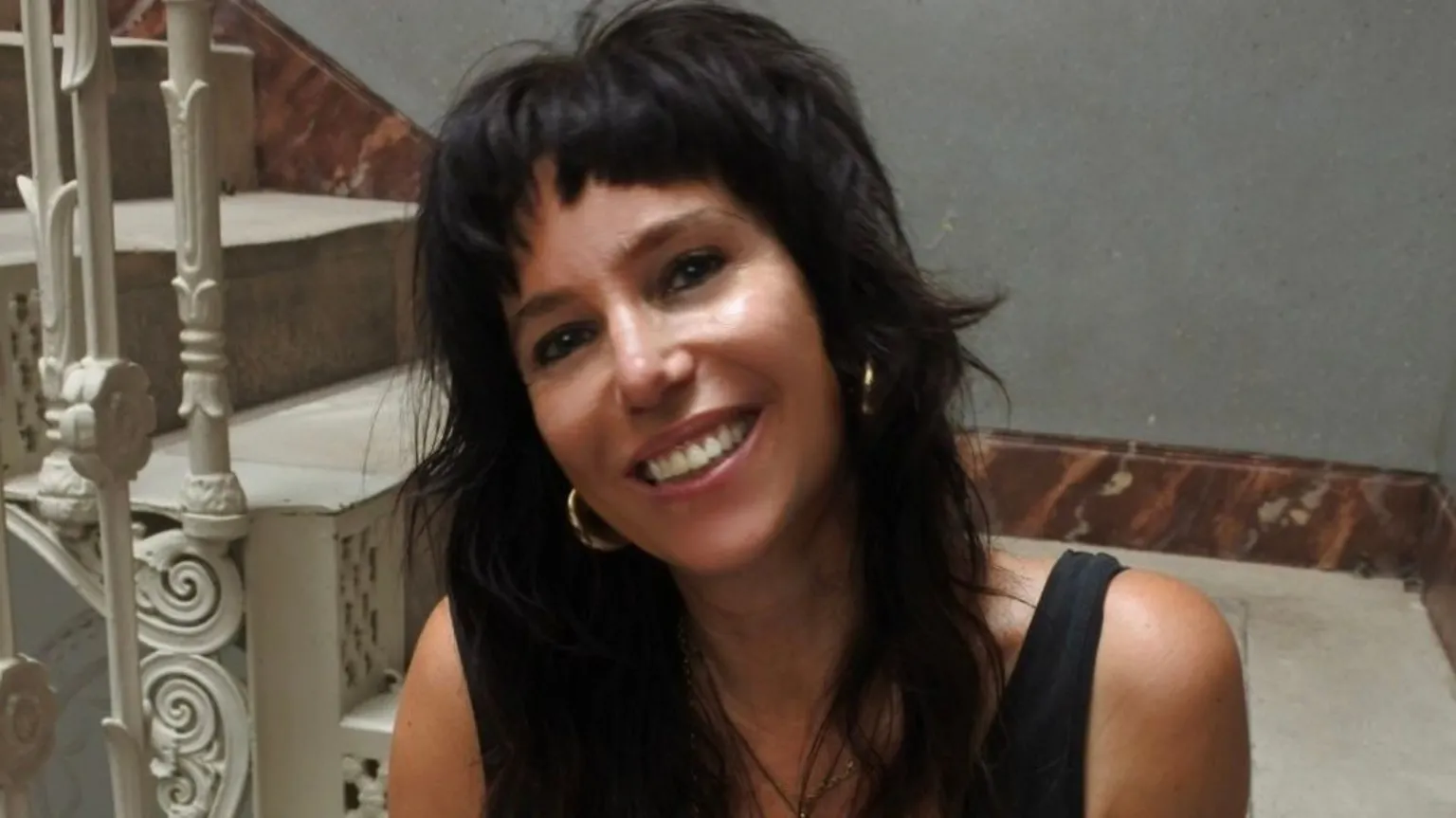
但现在她说,自己会直接释放情绪:“如果有人当街对我吹口哨,我就会愤怒。我毫不在意。”34岁的Galea是英国越来越多表示比以往更愤怒的女性之一。
But now she says she simply lets it out: "If someone catcalls me in the street, I rage. I don't care." Galea, 34, is one of an increasing number of women in the UK reporting feeling angrier than ever.
2024年,五分之一的英国女性表示在前一天的大部分时间里都感到愤怒,而2020年这一比例仅为十分之一。
In 2024, one in five British women reported being angry during a lot of the previous day, up from one in 10 in 2020.
近二十年来,全球范围内每天感到愤怒的女性比例一直高于男性,且这一差距还在扩大。
For nearly two decades, more women than men worldwide have reported experiencing daily anger, and the gap has been growing.
那么,女性真的感到更愤怒了吗?是什么推动了这种变化?还是说她们只是更敢于表达情绪?
So are women actually feeling more anger - and what is driving that shift - or are they just more open about it?
心理治疗师、作家兼播客《Women are Mad》的联合主持人Jennifer Cox认为,这两种情况都存在。
It's a bit of both, suggests psychotherapist Jennifer Cox, author and co-host of the Women are Mad podcast.
她开始研究愤怒情绪,是因为她怀疑女性客户压抑愤怒正是导致她们一些身体问题的根源。
She started researching anger after suspecting her female clients' suppression of it was the root cause of some of their physical conditions.
“当时出现了一种模式:女性前来就诊时,常常伴有偏头痛、胃部问题、肌肉骨骼和免疫系统疾病。最终,这种现象很难被忽视。”她说。
"There was this pattern of women coming in with migraines, stomach issues, musculoskeletal and immune issues. Ultimately it was hard to ignore," she says.
“她们既要努力让孩子走上正轨,还要照顾自己的心理健康,同时还要兼顾工作。”后来,Cox组织了小组活动,许多女性在这些活动中释放了长期压抑的愤怒情绪。
"They were trying to keep their kids on track, look after their mental health and somehow do their job [too]." Cox later ran group sessions where many women let out pent-up feelings of anger.
“我们从小就被灌输那些荒谬的‘好女孩’观念……被教导要做一个善良、礼貌、体贴、有爱心的人。”
"We've been brought up with this ridiculous 'good girl' stuff… indoctrinated in this idea of being good, polite, kind, thoughtful, caring," she says.
“与上一代相比,最大的变化是,现在人们期望我们做到一切。”英国国家统计局表示,尽管工作的女性数量几乎与男性相当,但她们每天花在无偿劳动(如家务或照顾他人)上的时间却比男性多近一小时。
"The big change from previous generations is that we are expected to do it all." While almost as many women work as men, they spend nearly an hour longer each day doing unpaid work such as chores or caring responsibilities, the Office for National Statistics says.
在此之上还有“精神负担”,即维持家庭运转的无形劳动,而这往往落在女性肩上。文化转变 与此同时,媒体中愤怒女性的正面形象也越来越多。
On top of that is the "mental load", the invisible labour of keeping a household running that often falls to women. Cultural shift There are also more positive representations of angry women in the media.
过去,像《致命吸引力》中的亚历克斯·福雷斯特(格伦·克洛斯饰)或斯蒂芬·金恐怖经典中的凯莉(茜茜·斯派塞克饰)这类角色,常被塑造成不稳定且危险的形象。但如今,女性的愤怒越来越被视为可以理解,甚至是一种解放。
Previously, characters like Alex Forrest (played by Glenn Close) in Fatal Attraction or Carrie (Sissy Spacek) in Stephen King's horror classic would often be portrayed as unstable and dangerous. But today, female rage is increasingly positioned as understandable and even liberating.

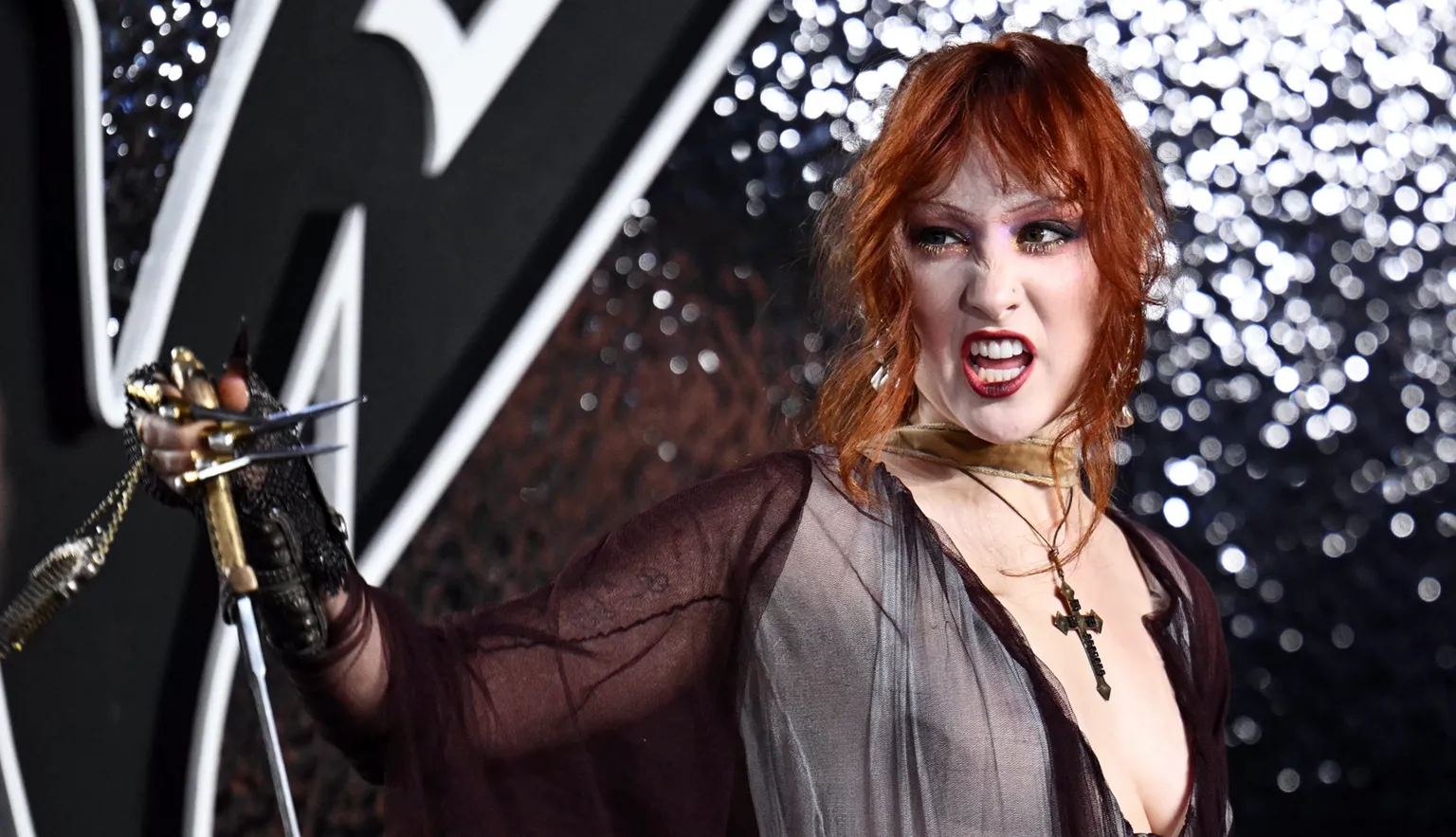
以莉莉·艾伦2025年的专辑《West End Girl》为例,这张专辑直白地记录了她与演员大卫·哈伯婚姻的终结;此外,像Charli XCX、奥利维亚·罗德里戈和查佩尔·罗恩等歌手也发布了包含暴力意象甚至愤怒尖叫的歌曲。
Take Lily Allen's 2025 album West End Girl, which graphically documented the end of her marriage to actor David Harbour, as well as artists such as Charli XCX, Olivia Rodrigo and Chappell Roan releasing songs featuring violent imagery and even screams of rage.

在银幕上,即便是2023年大热的《芭比》也展现了这位标志性玩偶对她看似完美世界的挫败感。考克斯表示,这些对女性愤怒的描绘是有益且健康的。
On screen, even 2023's smash-hit Barbie showed the iconic doll expressing frustration with her supposedly picture-perfect world. These depictions of women's anger are helpful and healthy, Cox says.
但当女性在现实生活中将愤怒付诸行动时,她们可能会面临社会性的惩罚。
But when women act upon their anger in real life, they can face a social penalty.
一项2020年的研究发现,在工作中表达愤怒的女性被视为更不值得拥有地位和影响力,而她们的男性同行则不会受到这种影响。
A 2020 study found women expressing anger at work were seen as less deserving of status and influence, while their male counterparts were not.
那么,女性能在工作中表达愤怒并依然获得晋升吗?答案是肯定的,生活教练扬·当如是说,她专门指导男性主导领域中的资深女性。
So, can women express anger at work and still get ahead? Yes, says life coach Yann Dang, who specialises in coaching senior women in male-dominated fields.
她认为,那些讨好他人、不表露负面情绪的女性可以在职业阶梯上晋升到一定层级,但要达到顶峰,你需要打破常规。
Women who people-please and don't show negative emotion can progress to a certain level on the career ladder, but to make it to the top you need to rock the boat, she argues.
“当我们知道规则是什么时,女性非常擅长学习规则。但企业界的规则完全不同。”她说,关键在于懂得如何以一种显得真实的方式驾驭自己的愤怒。
"Women are so good at learning the rules when we know what the rules are. But the rules in the corporate world are totally different." The key, she says, is knowing how to harness your anger in a way that comes across as authentic.
Dang建议女性使用直接的语言,例如“这对我来说绝对不行”;“我不喜欢那样”;以及“我也很沮丧。”她还建议她们“锻炼”为自己挺身而出的“肌肉”,即使她们还没有准备好完美的回应。
Dang suggests women use direct language such as "That's a hard no for me"; "I don't like that"; and "I'm frustrated too." She also advises them to "build the muscle" of standing up for themselves, even if they don't have a perfectly polished response ready.

除了日常的性别歧视,持续的威胁,包括跟踪、骚扰和家庭虐待,也是将女性的愤怒和反抗团结在一起的强大因素。
Alongside everyday sexism, ongoing threats including stalking, harassment and domestic abuse serve as powerful factors uniting women in anger and defiance.
在英格兰和威尔士,针对妇女和女孩的暴力行为占所有记录在案犯罪的近20%,但这种暴力行为往往未被举报。
Violence against women and girls accounts for nearly 20% of all recorded crime in England and Wales, but it often goes unreported.
对Galea来说,能够与其他女性更公开地讨论她在音乐行业遭受的厌女症经历,以及她所遭受的性侵犯,帮助她明确了内心的沮丧。
For Galea, being able to discuss her experience of misogyny in the music industry as well as the sexual assault she was a victim of more openly with other women has helped to crystallise the frustration she feels.
她说:“我认为我们愤怒了很久,但现在因为社交媒体,我们可以接触到其他人。”有效疏导愤怒心理学家Tara Brach博士同意愤怒有它的作用。
"I think we've been angry for a long time but now we can access others because of social media," she says. Channelling anger effectively Psychologist Dr Tara Brach agrees anger has its place.
“关键在于,愤怒之下是我们所关心的事情。愤怒是信使,它带给我们能量去保护、对抗不公、设定界限、做出改变。”
"The key thing is under anger there's something we care about. Anger is a messenger, it brings us energy to protect, confront injustices, set boundaries, to make a change.
“当它占据我们,或者当我们以有害的方式行事时,它就会变得不健康。”为了有效疏导愤怒,Brach提倡正念,特别是“RAIN”策略——识别情绪,允许自己去体验它,探究其原因,并培养理解的感觉。
"It becomes unhealthy when it possesses us, or when we act in ways that harm." To channel it effectively, Brach advocates mindfulness, in particular the "RAIN" strategy - recognise the emotion, allow yourself to experience it, investigate the cause, and nurture feelings of understanding.