索拉网(Soranet)关闭十年后,韩国仍在努力根除类似的网络和跟风网站。索拉网是一个庞大的在线平台,专门传播秘密拍摄和未经同意的性爱视频,一度成为韩国数字性犯罪危机的象征。
A decade after the shutdown of Soranet – a sprawling online hub for secretly filmed and non-consensual sexual videos that became a symbol of South Korea’s digital sex-crime crisis – the country is still struggling to stamp out similar networks and copycat sites that have emerged in its wake.
这些网站的普遍存在,反映出遏制此类非法活动、监管网络空间以及改变社会对女性的态度所面临的困难。
Their prevalence reflects the difficulties of deterring such illegal activities, policing the online space and changing societal attitudes towards women.
上个月,一名男子因涉嫌运营一个索拉网的衍生网站而被拘留。据调查人员称,该网站分享了超过2000段性暗示视频、非法拍摄的材料以及深度伪造内容。
Last month, a man was detained over an alleged Soranet offshoot that investigators said shared more than 2,000 sexually explicit videos, illegally filmed material and deepfakes.
该网站还被指控招募参与者进行伴侣交换活动,随后将这些过程拍摄并上传;同时,网站成员还会分享家人和熟人的照片,供用户对他们的身材进行评分。
The site also allegedly recruited participants for partner-swapping sessions that were later filmed and uploaded, while members shared photographs of family members and acquaintances so users could rate their bodies.
此案凸显了韩国在应对网络空间阴暗面时所面临的挑战,尽管该国已出台更严格的法律,并加强了警方的调查力度。
The case highlights the challenge South Korea faces in tackling the darker side of the online space despite tougher laws and more aggressive police investigations.
索拉网曾存有数千部非法色情视频,在韩国被超过一百万用户观看和分享。网站上的视频包括在卫生间和更衣室秘密拍摄的内容,以及前伴侣未经女性同意上传的私密影像。一些出现在视频中的受害者后来自杀身亡。
Soranet was home to thousands of illegal pornographic videos viewed and shared by more than a million users in South Korea. The site featured videos secretly filmed in toilets and changing rooms, as well as intimate footage posted by former partners without the consent of the women recorded. Some victims who appeared in the videos later took their own lives.
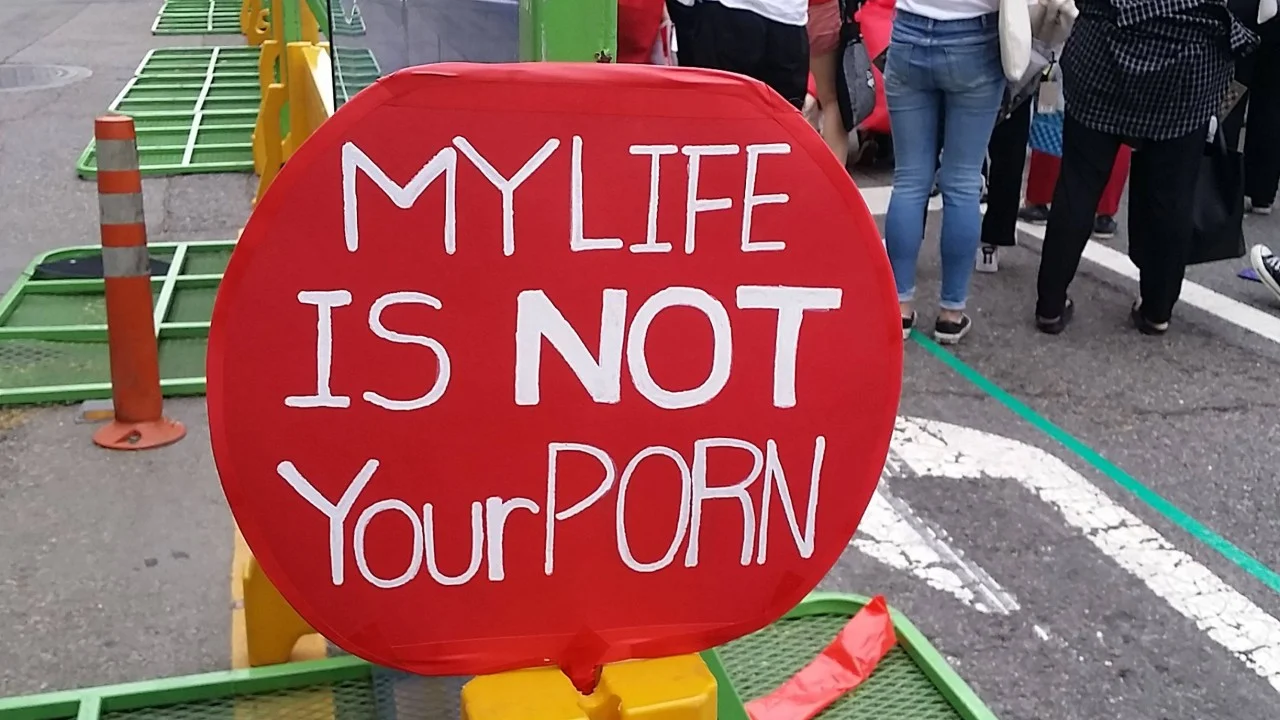
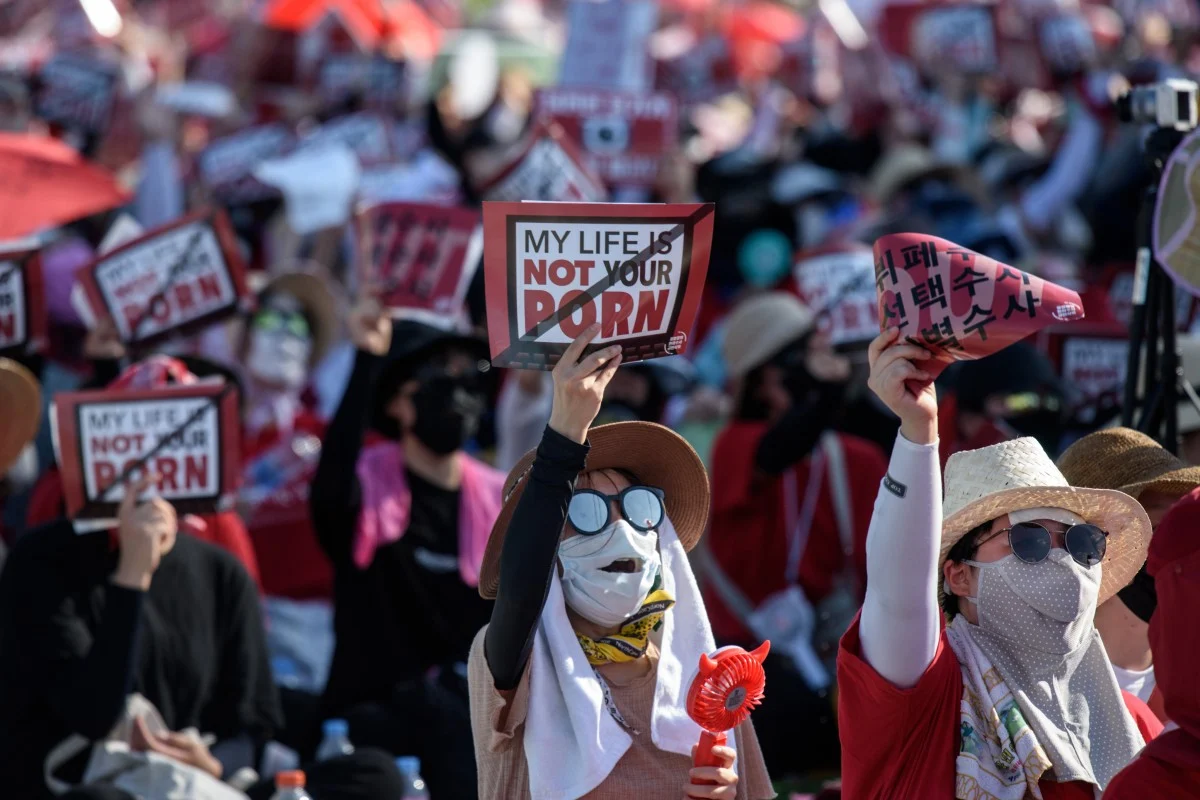
公众的强烈抗议,包括由女性团体组织的大规模街头示威,给政府带来了压力。当局随后逮捕了索拉网的运营者,并于2016年关闭了该网站。
A public outcry, including large street protests organised by women’s groups, put pressure on the government. Authorities later arrested Soranet’s operators and shut down the site in 2016.
然而,网站的关闭并未阻止类似平台的出现,尤其是那些成功躲避当局监管的小型网络。
But the closure did not prevent similar sites from emerging, particularly small networks that have eluded the scrutiny of authorities.
更严格的法律 今年5月,警方关闭了一个受索拉网启发的网站——“荣誉俱乐部”(Honours Club)。警方发现,约6300名成员通过该平台分享和观看了群交及狂欢派对的照片与视频。
Tougher laws In May, police shut down a Soranet-inspired site known as the “Honours Club” after discovering that about 6,300 members had shared and watched photographs and videos of group sex and orgies facilitated through the platform.
另一个臭名昭著的网站“Yadong Korea”于上个月以原名称重新出现,此前该网站已于8月被关闭。此举促使韩国女权政治团体“女性党”敦促警方重启对非法色情网络的调查。
Another infamous site, Yadong Korea, resurfaced last month under the same name after it was shut down in August, prompting the country’s feminist political group, the Women’s Party, to urge the police to reopen investigations into illegal pornography networks.
最近,首尔一名警察因涉嫌制作和传播数百张由人工智能生成的性暗示深度伪造图像,以及持有约5600张非法性图像和视频而被拘留。
A police officer in Seoul was recently detained on suspicion of creating and distributing hundreds of AI-generated sexually explicit deepfakes and possessing about 5,600 illegal sexual images and videos.
该警察是在釜山广域警察局对某Telegram聊天室展开的秘密调查中被捕的,该聊天室曾传播此类图像。他还被怀疑持有儿童性剥削材料,并制作了400多张将熟人描绘为裸体的AI生成图像和视频。
The officer was caught following an undercover investigation by the Busan Metropolitan Police Agency into a Telegram chat room where such images were circulated. He was also suspected of possessing child sexual exploitation material and creating more than 400 AI-generated images and videos depicting acquaintances as nude.
在2010年代的“偷拍”危机期间,韩国政府加强了对未经同意传播私密图像的法律,无论这些图像最初由谁拍摄。
During the , or spycam, crisis of the 2010s, the government strengthened laws against non-consensual distribution of intimate images, regardless of who originally recorded them.
2020年的“Nth Room”案件进一步暴露了在线平台如何被用于制作、销售以及利用性剥削材料向受害者进行敲诈。该案件促成了所谓的“反Nth Room法案”,将刑事责任从创作者和传播者扩大到了购买者和观看者。
In 2020, the Nth Room case further exposed how online platforms could be used to produce, sell and blackmail victims with sexually exploitative material. It led to the so-called “Anti-Nth Room Act”, which expanded criminal liability beyond creators and distributors to buyers and viewers.
购买、下载或明知是非法拍摄的性剥削材料而观看,最高可判处三年监禁或3000万韩元(约合22440美元)罚款。
Purchasing, downloading or knowingly viewing illegally filmed sexual exploitation material carries a sentence of up to three years in prison or a fine of 30 million won (US$22,440).
随后,由于公众对通过Telegram传播伪造女性及少女图像的性犯罪团伙感到愤怒,韩国对深度伪造相关法律进行了全面修订。
South Korea subsequently overhauled its laws on deepfakes following public outrage over Telegram-based sex crime rings that distributed doctored images of women and girls.
制作性暗示深度伪造图像最高可判处七年监禁或5000万韩元罚款,而持有、购买、存储或明知是此类材料而观看也可能面临刑事处罚。
Creating sexually explicit deepfakes carries up to seven years in prison or a fine of 50 million won, while possessing, purchasing, storing or knowingly viewing such material can also result in criminal penalties.
专门处理性犯罪案件的Gammyung律师事务所律师安甲哲表示,现行法律对这类违法行为的规定已更加明确。
An Gab-chul, a lawyer at Gammyung Law Firm who specialises in sexual crimes, said the law was now clearer on such offences.
“有些情况下,视频最初是在当事人同意的情况下录制的。但如果这些内容后来未经当事人同意被传播,这本身就已经构成了违法行为,”安说道。
“There are cases where the footage was originally recorded with the person’s consent. But if that material is later distributed without the person’s consent, that in itself constitutes a violation of the law,” An said.
但安指出,即便法律更加严格,也并未消除改进调查策略的必要性,因为施暴者往往只有在受害者报案后才会被抓获。
But tougher laws have not eliminated the need for improved investigative tactics as perpetrators are often caught only following reports by victims, according to An.
曾在韩国不常见的卧底调查,于2021年获得了针对未成年人相关犯罪的授权,并于去年进一步扩大,涵盖涉及成年受害者的数字性犯罪。
Undercover investigations, once uncommon in South Korea, were authorised in 2021 for crimes involving minors and expanded last year to cover digital sexual offences involving adult victims.
韩国国家警察厅的一位代表告诉《亚洲本周》杂志,本月已成立一个由四个地区警察机构共20名调查员组成的团队,专门调查推广性剥削的非法网站。
A representative of the National Police Agency told This Week in Asia that a team of 20 investigators across four regional police agencies was established this month to investigate illegal websites promoting sexual exploitation.
“我们对这些案件调查得越积极,罪犯就越试图逃避侦查,无论是使用海外服务器,还是采用其他方法防止其活动被追踪,”这位代表表示。
“The more actively we investigate these cases, the more criminals try to evade detection, whether by using overseas servers or adopting other methods to prevent their activities from being traced,” the representative said.
“这些案件的调查难度日益增加,但我们也在努力跟上这些变化。”然而,安并不认为地下网络会很快消失。
“These cases are becoming increasingly difficult to investigate, but we are also working hard to keep pace with those changes.”Eluding police crackdown However, An is not optimistic that the underground networks will disappear any time soon.
“通过我的研究我发现,每当其中一个网站被关闭,另一个就会不断出现,”他说。“它们消失了,然后又重新建立起来。”
“What I found through my research is that whenever one of these sites is shut down, another one keeps appearing,” he said. “They disappear, and then they are created again.”
“有人需要这些服务,也有人从中看到赚钱的机会。只要这种结构仍然存在,这些网站就会继续被创建出来。”安表示,这一问题已不仅限于专门的色情网站,在线社区和公开聊天室也已成为性剥削和卖淫的入口。
“There are people who demand these services, and there are people who see an opportunity to make money from them. As long as that structure remains in place, these sites will continue to be created.”An said the problem extended beyond dedicated pornography sites, with online communities and open chat rooms becoming gateways to sexual exploitation and prostitution.
“我们一些最热门的聊天服务,似乎实际上已经变成了卖淫平台,”他说。
“Some of our most popular chat services seem to have essentially turned into platforms for prostitution,” he said.
首尔德成女子大学女性研究助理教授金珠熙指出,韩国频发的网络性剥削事件暴露出该国在法律层面对性暴力的认知存在局限。
Joohee Kim, an assistant professor of women’s studies at Duksung Women’s University in Seoul, said online sexual exploitation cases in South Korea had exposed the limitations of its legal understanding of sexual violence.
“长期以来,法律对性暴力的界定更侧重于行为是否通过暴力或威胁手段实施,而非受害者是否自愿。”金珠熙解释道,根据现行法律解释,只有当加害者的暴力或威胁程度严重到使受害者根本无法或极难反抗时,才能认定为强奸或猥亵。
“The legal understanding of sexual violence has historically focused more on whether an act was forced through violence or threats than on whether the woman consented.”Kim cited , the legal interpretation under which rape or indecent assault was established only when a perpetrator’s violence or threats were serious enough to make it impossible or extremely difficult for the victim to resist.
这一解释标准在数十年来一直主导着韩国的刑事司法实践与法学研究。尽管2023年韩国最高法院作出裁决,降低了认定猥亵罪的门槛,但该标准的影响依然存在。
The interpretation dominated South Korea’s criminal justice practice and legal scholarship for decades, and its influence remains despite a 2023 Supreme Court ruling that lowered the threshold for establishing indecent assault.
“网络性剥削本质上是一个因数字技术而被不断放大的、漠视受害者意愿的问题,”金珠熙说道。
“Online sexual exploitation can be understood as a problem in which this disregard for consent is repeatedly amplified through digital technology,” Kim said.
韩国网络性暴力应对中心负责人金艺珍则将这一问题与韩国的网络文化联系起来,尤其指出技术如何被滥用于对女性进行性物化。
Kim Yeo-jin, director of the Korea Cyber Sexual Violence Response Centre, linked the problem to the country’s online culture, particularly how technology had been used to sexualise women.
据金艺珍介绍,以DCinside和FMkorea为代表的男性主导型网络论坛,助长了厌女言论的传播,并通过在公开聊天区分享低俗图片与视频,形成了将女性性化的文化氛围。
Male-dominated online forums, such as DCinside and FMkorea, have helped spread misogynistic language and a culture of sexualising women through lewd images and videos shared in open chats, according to Kim Yeo-jin.
“最根本的问题在于,社会大众对未经女性同意便将其性物化的态度始终没有发生根本转变,”金珠熙强调,“普通民众必须改变看待与对待性剥削受害者的方式。唯有如此,我们才能真正认识到这类犯罪的严重性,进而深入探讨如何改善现状。”
“The biggest underlying problem is that attitudes towards sexually objectifying women without their consent have not fundamentally changed,” Kim said“Ordinary members of the public need to change how they perceive and treat victims of sexual exploitation. Only then can we truly understand the magnitude of these crimes and have deeper discussions on how we can change for the better.”