
据彭博新闻社报道,中国正允许大量低成本资金跨境流动,这使得中国成为外国借款人获取廉价资金的难得来源。
China is letting a wave of cheap money flow across its borders, turning the country into a rare source of low-cost funding for foreign borrowers.
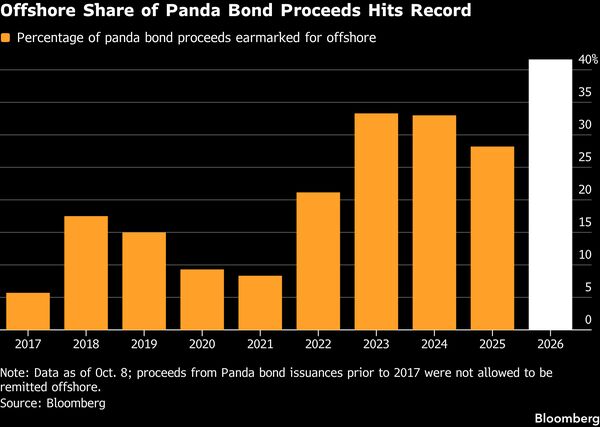
彭博汇编的数据显示,今年迄今为止,监管机构已批准将超过40%的熊猫债发行所得资金汇出境外,这一比例创下历史新高。涉及资金总额高达1300亿元人民币(约合190亿美元),同样也创下了历史纪录。所谓熊猫债,即由境外借款人在中国内地发行的以人民币计价的债券。
Regulators have approved the proceeds from more than 40% of panda bonds sold so far this year to be taken offshore, the highest share on record, according to data compiled by Bloomberg. That amounts to as much as 130 billion yuan ($19 billion), also an all-time high. Panda bonds are yuan-denominated bonds issued in mainland China by overseas borrowers.
这一趋势与几十年前的日本颇为相似:当时日本国内利率处于极低水平且储蓄过剩,大量资本因此流向海外——不过目前中国的资本外流规模仍只是当时的一小部分。当前中国通胀水平较低且经济增长乏力,导致国内利率持续下行,而全球其他地区的借贷成本却不断上升。与此同时,为提升人民币的国际地位,中国政府也在逐步放宽对跨境资金流动的限制。
The shift echoes Japan decades ago, when rock-bottom yields and a glut of domestic savings sent capital pouring overseas — though China’s flows remain a tiny fraction of that. Subdued inflation and a weak economy have pushed rates lower as borrowing costs rise elsewhere, while Beijing is also loosening its grip on cross-border flows as it seeks a bigger global role for the yuan.
“对熊猫债发行方而言,中国境内人民币市场的借贷成本相比其他地区显然更具竞争力,”西班牙毕尔巴鄂比斯开银行亚洲地区跨资产策略主管达留斯兹·科瓦尔奇克说道。他补充称,为推动人民币的国际化应用,中国政府还放宽了相关资金出境的限制。
“Panda issuers are simply finding borrowing costs in the onshore renminbi market increasingly competitive versus those elsewhere,” said Dariusz Kowalczyk, head of cross-asset strategy for Asia at Banco Bilbao Vizcaya Argentaria SA. Beijing has also eased restrictions on taking the proceeds offshore as part of its push to boost the renminbi’s international use, he added.
目前,中外两地的借贷成本差距十分显著。截至周四,中国10年期国债收益率仅为1.68%,而同期美国10年期国债收益率为5.23%,日本同期限国债收益率则为3.09%。
The gap in borrowing costs is wide. China’s 10-year government bond yield stood at 1.68% as of Thursday, compared with 5.23% for US Treasuries and 3.09% for Japanese government bonds of the same maturity.
几年前,熊猫债市场的主要参与者还只是中国企业的境外子公司以及为在华业务融资的外国汽车制造商。如今该市场已走向全球化:匈牙利、斯洛文尼亚、哈萨克斯坦、巴基斯坦、印度尼西亚等“一带一路”沿线国家纷纷参与,德意志银行、摩根士丹利、法国农业信贷银行等金融机构也相继加入。
A few years ago, the panda bond market was dominated by the offshore entities of Chinese companies and foreign carmakers funding their China operations. Now the market has gone global, drawing Belt and Road partners including Hungary, Slovenia, Kazakhstan, Pakistan and Indonesia, as well as lenders such as Deutsche Bank AG, Morgan Stanley and Crédit Agricole SA.
据彭博社统计,截至10月8日,境外发行主体已通过熊猫债市场筹集了1155亿元人民币,这一数额是去年全年的两倍。目前,境外发行主体在熊猫债市场中的占比已达47%,而三年前这一比例仅为13%。
Foreign issuers raised 115.5 billion yuan through Oct. 8, twice as much as in all of last year, according to data compiled by Bloomberg. They now make up 47% of the market, up from 13% three years ago.
未来还会有更多发行主体加入。澳大利亚的福特斯克金属集团正在考虑发行30亿元人民币的熊猫债;巴西铁矿石巨头淡水河谷公司也在斟酌类似计划。今年8月,瑞银集团以1.78%的利率成功发行了20亿元人民币的熊猫债,这一票面利率创下了外资金融机构发行的五年期熊猫债的历史新低。
More are on the way. Australia’s Fortescue Ltd. is weighing a 3 billion yuan debut, while Brazilian iron ore giant Vale SA is considering a similar move. UBS Group AG raised 2 billion yuan at just 1.78% in August, the lowest coupon on record for a five-year panda bond from a foreign financial institution.
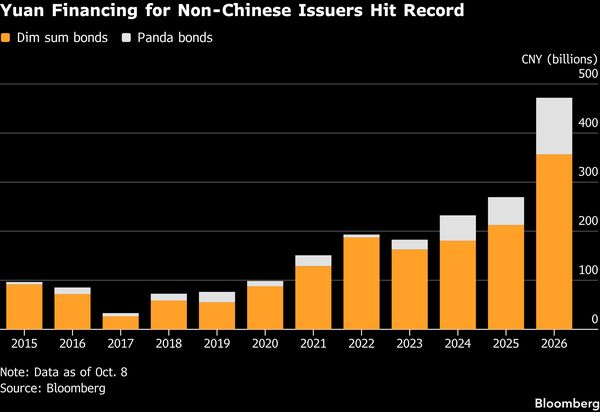
境外市场对人民币债券的需求同样持续升温。彭博社数据显示,在中国内地以外发行的以人民币计价的点心债发行规模已突破1万亿元人民币,超过了去年的历史纪录;非中国发行主体的占比也从23%升至35%。
Demand is growing offshore as well. Sales of dim sum bonds — yuan-denominated debt issued outside mainland China — have already surpassed last year’s record, reaching 1 trillion yuan, while non-Chinese issuers’ share has risen to 35% from 23%, data compiled by Bloomberg show.
除了债券之外,中国各银行也在跨境提供更为低成本的人民币信贷服务,与全球其他贷款机构展开更激烈的竞争。据不愿透露姓名的知情人士透露,哈萨克斯坦和乌兹别克斯坦的国有金融机构目前正在洽谈,计划发行新的人民币贷款。
It’s not just bonds. Chinese banks are also extending cheaper yuan credit across borders, competing more aggressively with global lenders. State-owned financial institutions from Kazakhstan and Uzbekistan are currently in talks to raise fresh yuan-denominated loans, according to people familiar with the matter, who asked not to be identified discussing private matters.
上述所有举措均需获得中国政府的批准。2022年末,中国监管部门出台了相关规则,允许熊猫债发行主体将募集资金兑换为外币,无论这些资金是用于国内还是境外用途。
None of this happens without Beijing’s approval. Regulators announced rules in late 2022 allowing panda bond issuers to convert their proceeds into foreign currencies, whether for use in China or abroad.
此举的动机之一是中国政府推动人民币国际化的战略。一个更加成熟的人民币融资市场不仅能为境外借款者提供更多融资渠道,还能促进更多以人民币进行的贸易、投资与融资活动,从而降低中国对以美元为核心的金融体系的依赖程度。
Part of the motive is Beijing’s effort to internationalize the renminbi. A deeper yuan financing market gives foreign borrowers another source of funding while encouraging more trade, investment and financing in the Chinese currency, helping reduce China’s reliance on the dollar-based financial system.
另一个重要原因是中国长期存在的贸易顺差。中国的出口收入始终高于进口支出,由此形成了规模庞大的国内储蓄资金,需要相应的投资渠道。熊猫债正是这样一个渠道,它使得中国投资者能够以人民币向境外企业及政府提供贷款。
Another reason is China’s persistent trade surplus. The country earns more from exports than it spends on imports, resulting in a large pool of domestic savings that needs somewhere to go. Panda bonds provide an outlet, allowing Chinese investors to lend to foreign companies and governments in yuan.
“熊猫债的设立目的就是将中国经常账户下的顺差重新加以利用,”彭博情报的分析师蒂莫西·谭说道。目前这一市场规模尚小,但谭预计随着中国推动更多贸易以人民币结算,该市场将会逐步壮大。这样一来,对人民币储备的需求也会随之增加,企业手中也会拥有更多人民币可用于投资。
“Panda bonds are meant to recycle China’s current account surpluses,” said Timothy Tan, a Bloomberg Intelligence strategist. The market is still small, but Tan expects it to grow as China pushes for more trade to be settled in renminbi. That would boost demand for yuan reserves and leave companies with more of the currency to invest, he added.
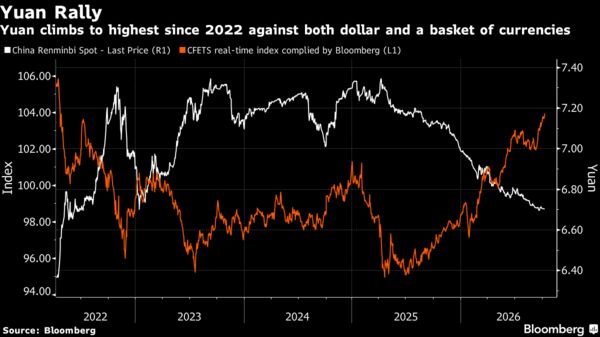
强劲的货币实力为这一切创造了条件。过去一年里,人民币对美元汇率累计升值逾6%,这有效缓解了此前令监管层担忧的资本外流风险。不过,对于那些将人民币收入兑换成外币的借款人而言,这也意味着还款成本随之上升。为规避这一风险需支付约3%的套期保值费用,这几乎抵消了原本可节省的成本。
A strong currency makes that easier to allow. The yuan’s more than 6% gain against the dollar over the past year has eased fears of capital flight that previously made regulators wary of letting money leave the country. But it also raises repayment costs for borrowers who swap yuan proceeds into foreign currencies. Hedging that risk costs about 3%, eroding much of the saving.
而那些用人民币开展对华贸易的借款人则能避开这笔费用。今年上半年,人民币在中国货物贸易结算中的占比达到29%,较去年同期提升了1个百分点。
Borrowers using yuan for Chinese trade can avoid that cost. The currency settled 29% of China’s goods trade in the first half, up one percentage point from a year earlier.
“如果企业确实是为了用人民币结算以人民币计价的贸易而融资,就能省下套期保值成本,”星展集团高级经济学家谢清海指出,“企业借入人民币后直接用于贸易,这笔额外费用自然就留在了自己口袋里。”日本的发展路径可为我们提供借鉴:上世纪80年代,东京开放金融市场并大力推广日元的使用;多年后,超低利率环境使得日元成为全球重要的廉价融资来源。中国则采取了更为审慎的路线:在推动人民币广泛使用的同时,对资本流动实施管控并维持汇率稳定。
“If you are genuinely raising yuan to settle yuan-denominated trade, you could save the hedging cost,” said Samuel Tse, senior economist at DBS Group Holdings Ltd. “You raise yuan, you use yuan, and suddenly that extra cost stays in your pocket.”Japan offers a glimpse of where cheap currency funding can lead. Tokyo opened its financial markets and promoted wider use of the yen in the 1980s. Years of ultra-low interest rates later turned the yen into a major source of cheap global funding. China is taking a more controlled route, promoting wider yuan use while keeping restrictions on capital flows and managing the exchange rate.
由于当前中国的借贷成本显著低于美国,人民币的吸引力有望持续。随着双边贸易联系日益紧密,也会有更多借款方产生对人民币的实际需求。
With China’s borrowing costs well below those in the US, the appeal could persist. And as its trade ties deepen, more borrowers will have a natural use for the yuan.
“这有望逐步推动中国从一个主要在美元体系下开展贸易的大国,转型为全球融资、结算及投资服务的提供者,”法国巴黎证券(中国)多资产投资部负责人李伟说道。
“This could gradually strengthen China’s role from a major trading nation that mainly operates within a dollar-centered system into a provider of global funding, settlement and investment alternatives,” said Wei Li, head of multi-asset investments at BNP Paribas Securities (China).