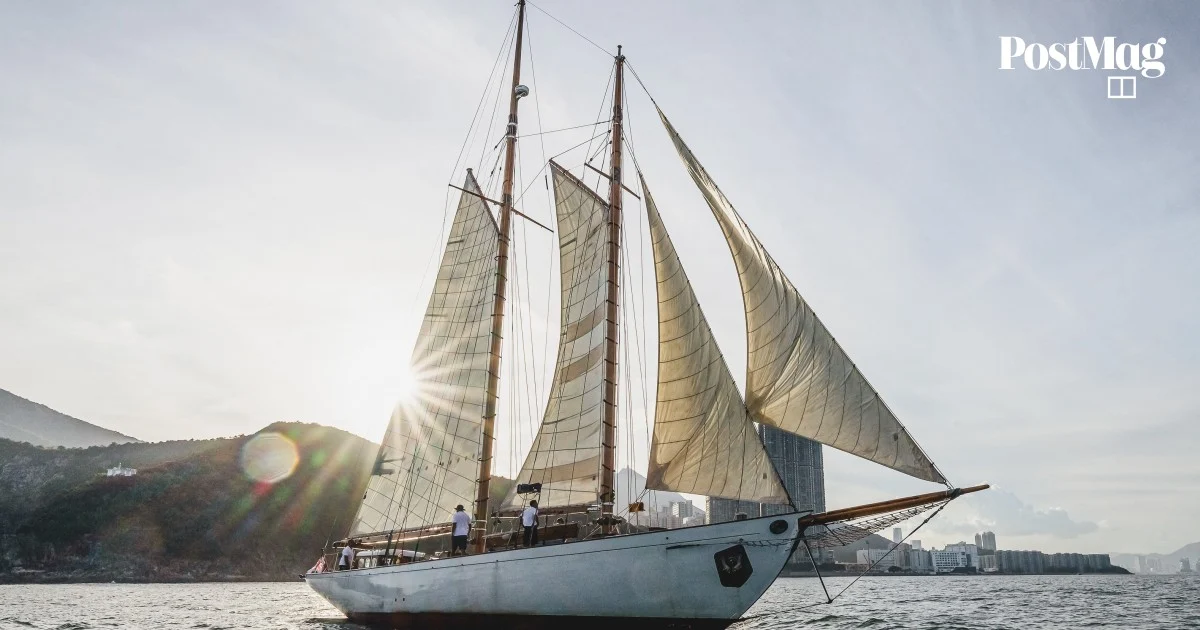
漫步于维多利亚港畔,或搭乘天星小轮时,或许你曾有幸瞥见“Way Foong”号驶过。它复古的外观显然昭示着这艘船来自久远的年代,但因为它并非传统中式帆船,你可能并未意识到自己正在目睹一段真正的香港历史:一艘近100年前在当地建造的木制摩托游艇。
While walking alongside Victoria Harbour or riding the Star Ferry, luck might have allowed you a glimpse of Way Foong motoring by. Its old-fashioned appearance is a sign that the boat is obviously from an era long past but, because it is not a traditional junk, you may not have realised you were looking at an authentic piece of Hong Kong history: a wooden motoryacht constructed locally almost 100 years ago.
这艘船由香港上海银行(现汇丰银行)委托建造——“Way Foong”正是该银行名称的粤语音译——并于1930年由香港和黄埔船坞公司建成。在超过七十年间,它先后被用作渡轮、拖船以及员工的休闲船只,之后才转入私人所有。2010年代末,它被香港历史船只基金会(HKHVF)的一位赞助者购得。该基金会由一群热衷于保护这座城市海洋遗产的人士于今年早些时候正式创立。
Commissioned by the Hong Kong and Shanghai Banking Corporation (now HSBC) – “Way Foong” being a transliteration of the bank’s name in Cantonese – and built in 1930 by the Hong Kong and Whampoa Dock Company, the vessel was used by the bank as a ferry, a tugboat and a pleasure craft for employees for more than seven decades before passing into private ownership. In the late 2010s, it was acquired by a patron of the Hong Kong Historic Vessels Foundation (HKHVF) – an organisation officially founded earlier this year by individuals passionate about preserving the city’s maritime legacy.
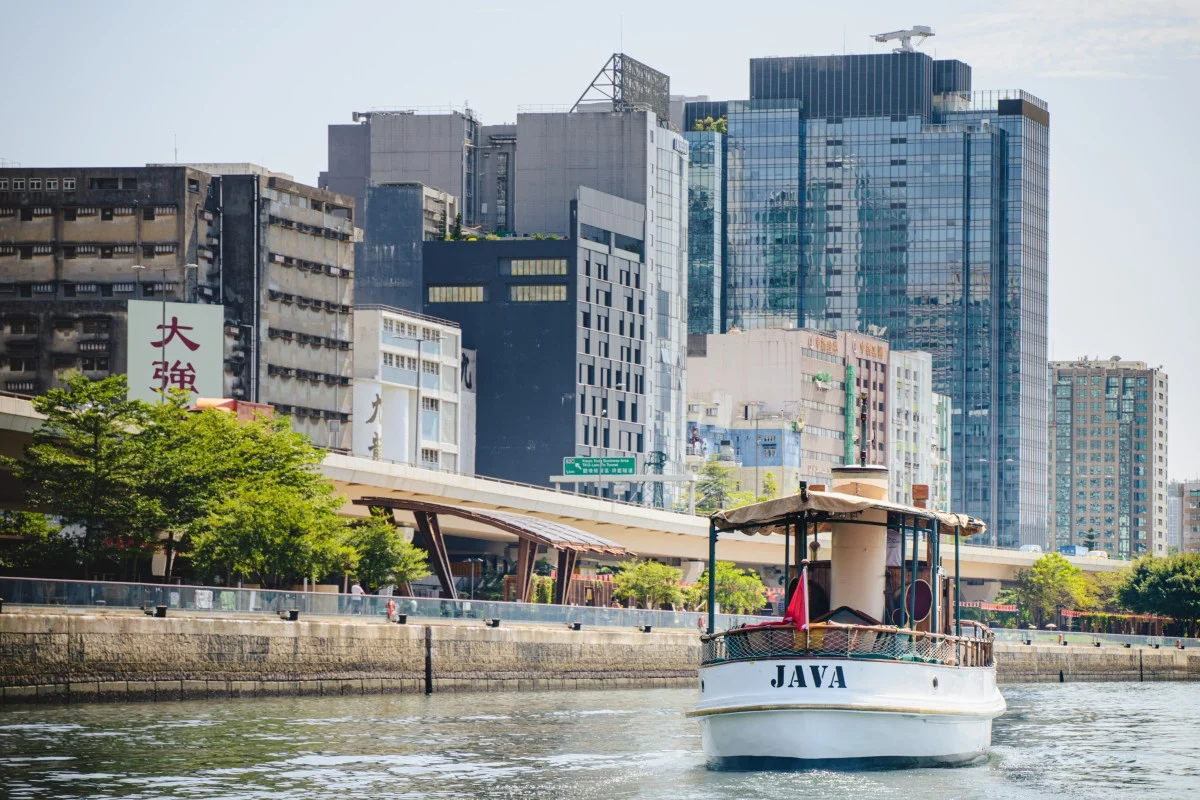
当“Way Foong”号被租用用于派对或其他活动时,人们常常能看到它与另一艘建于20世纪30年代、出自同一家船厂的木制船只“Java”号并肩航行。“Java”号于1935年投入服务,并在香港政府船队中服役数十年,编号为“Marine 1”。它曾负责接送贵宾和港口官员、执行反海盗巡逻、拖曳和定位停泊浮标,甚至偶尔还会驱赶游入海中的水牛。其船体采用缅甸柚木建造,甲板木板厚度接近4.5厘米,因此这艘船赢得了“几乎不会沉没”、能抵御台风的美誉。
When hired for parties or other events, Way Foong can often be seen cruising side by side with Java, another 1930s-era wooden vessel built by the same shipyard. Java entered service in 1935 and served for decades in the Hong Kong government fleet as Marine 1. It transported VIPs and port officials, conducted anti-piracy patrols, towed and positioned mooring buoys and even corralled the odd swimming water buffalo. Its Burmese-teak construction, with deck planks measuring almost 4.5cm thick, earned the boat a reputation for being “almost unsinkable” and invulnerable to typhoons.
“威丰号”与“爪哇号”是目前由香港历史船舶基金会所拥有并维护的五艘船只中的两艘。该基金会首席执行官菲利普·贾内基尼表示:“通过修复并保护这些体现香港造船业卓越工艺水平的船只,我们旨在鼓励香港市民去了解这座城市的商业、政务及休闲方面的航海历史,同时培养本地区下一代的航海爱好者与海洋文化追随者。”
Way Foong and Java are two of five vessels now owned and maintained by the HKHVF. “By restoring and preserving such examples of the world-class craftsmanship that Hong Kong shipyards were capable of, we aim not only to encourage Hongkongers to discover the city’s commercial, governmental and recreational maritime heritage, but also to nurture the region’s next generation of boaters and ocean-lovers,” says CEO Philip Giannecchini.
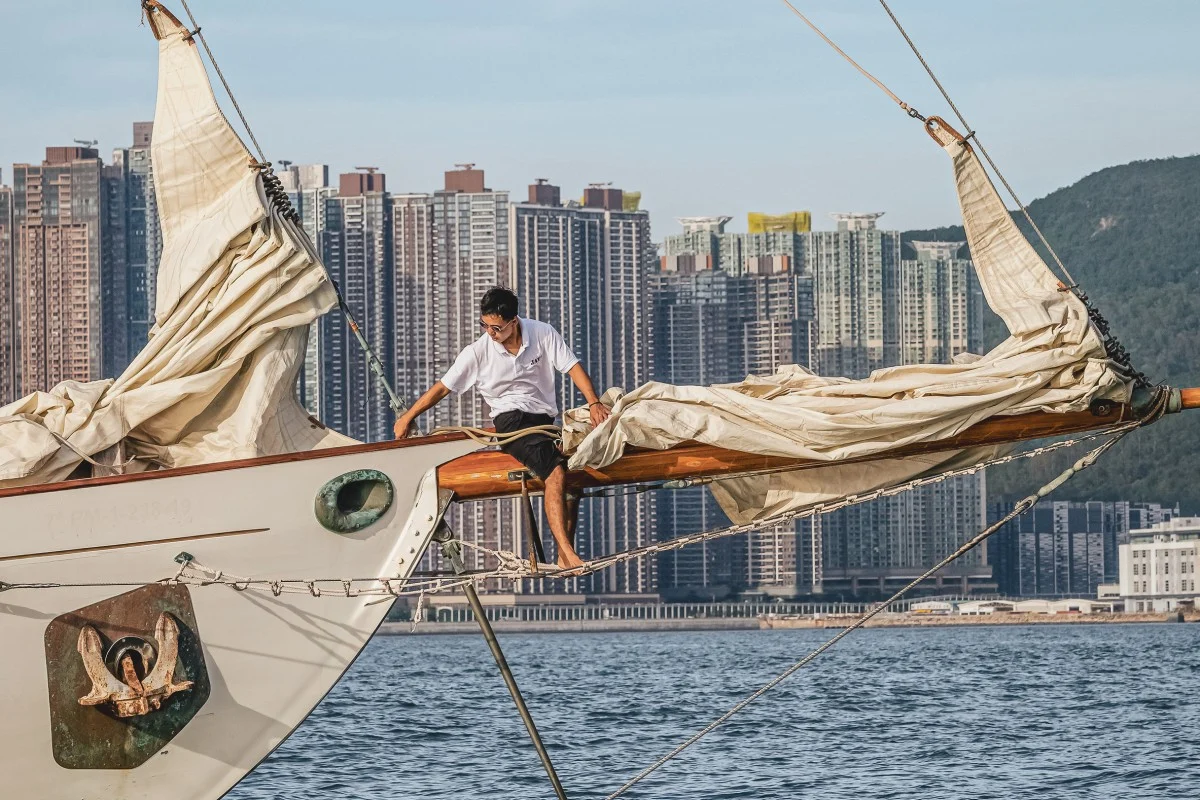
“爪哇号”是该收藏系列中的第一艘船只,它的发现纯属偶然。后来创立香港历史船舶基金会的那位热心航海人士,某次驾船出海时注意到“爪哇号”停泊在香港岛南侧的大潭港。出于好奇,他决定进一步了解这艘全长56英尺的木制快艇。最终他结识了当时的船主,并于21世纪初购下了“爪哇号”。当初购买此船的初衷仅仅是希望拥有这样一艘具有历史意义的游艇。后来,保护香港航海历史的念头逐渐萌生,这也促成了后续多艘船只的收购以及香港历史船舶基金会的创立。
Java, the first vessel in the collection, was found by chance. One of the avid sailors who would later establish the HKHVF noticed Java moored in Tai Tam Harbour, on the south side of Hong Kong Island, when taking out his own boat, and wanted to learn more about the 56-foot wooden launch. He ended up meeting the then-owner, and bought Java in the early 2000s. At the time, the rationale behind the purchase was simply to have such a historical pleasure craft in one’s possession. Eventually, the desire to safeguard Hong Kong’s maritime history took hold, setting in motion other acquisitions and the founding of the HKHVF.
此后,基金会的历史学者们历经多年搜寻,终于找到了九艘建于20世纪50年代以前、至今仍存世的香港制造船只。这些船只的保存状况各不相同:有的已归入基金会收藏,有的则由私人收藏家悉心保管;还有一艘名为“文礼号”的船只至今下落不明。
A years-long search for extant, pre-50s boats built in the city followed. Nine, in various states of repair, have been identified by the organisation’s historians – some now in the HKHVF collection, others happily and privately owned, and one, Mon Lei, whose whereabouts are unknown.
鉴于香港独特的沿海地理环境,船只历来都是这座城市不可或缺的一部分,未来亦将如此。不过,如今香港的港口与海湾中虽停泊着各式各样的船只,但绝大多数均为外地制造,因为本地的造船业早已风光不再。
Given Hong Kong’s coastal geography, boats have, and will always be, an integral part of the city. Yet, while today’s harbours and inlets are teeming with craft of various shapes and sizes, most are built elsewhere, the city’s shipbuilding days having long passed.
然而在20世纪初,太古船坞与香港黄埔船坞这两大行业巨头正值鼎盛时期;与此同时,红磡的合记船厂、阿敬船厂以及招商局船厂等众多中小型造船企业也纷纷为全球客户打造木制船只。
However, in the early 20th century, two giants of the industry, the Taikoo Dockyard and the Hong Kong and Whampoa Dock Company, were firmly in their prime, and a number of small and medium-sized shipbuilders, such as Hung Hom’s Hop Kee Shipyard, Ah King Slipway and Cheoy Lee Shipyard, also produced wooden vessels for global clients.
香港历史博物馆的专职研究员麦晓诗指出:“上世纪30年代是香港造船业的鼎盛时期,各类船只——从货轮到游艇——均得以制造。这一产业蓬勃发展,直至1941年12月日本入侵香港。二战结束前,所有船厂都处于日本控制之下。”
Teresa Mak Hiu-see, one of the in-house researchers at the HKHVF, notes that “the 30s were one of the high points in Hong Kong’s shipbuilding tradition for all types of vessels, from cargo liners to pleasure craft, and the industry steamed ahead until Japan invaded Hong Kong in December 1941. Until the end of World War II, all dockyards were under Japanese control”.
像“伟丰号”和“爪哇号”这样的稀有船只幸免于被拆解的命运,但许多20世纪20至40年代建造的香港制造船只就没那么幸运了。麦晓诗说道:“40年代正值战争及战后恢复期,这或许就是该时期留存下来的游艇数量稀少的原因之一。”1972年,太古船厂与香港黄埔船坞有限公司合并,组建为香港联合船坞。1980年,黄埔船坞厂址关闭,原址被重新开发为黄埔花园住宅区;如今,区内那座外形酷似超级游艇、长达110米的混凝土建筑便是最醒目的地标,宛如一艘“停泊”在住宅楼群中的巨轮。
Rare survivors such as Way Foong and Java escaped the scrapyard, but many other Hong Kong-built vessels from the 20s and 40s were not so lucky. Says Mak, “With the 40s being a time of war and post-war recovery, that might be a factor in the small number of surviving pleasure craft from that decade.”In 1972, the Taikoo Dockyard and the Hong Kong and Whampoa Dock Company were merged to form the Hongkong United Dockyards. In 1980, the Whampoa site was shut down and the land was redeveloped into the Whampoa Garden housing estate, now easily identified by its superyacht-shaped shopping centre, a 110-metre-long concrete landmark “moored” amid the residential blocks.
1999年,香港政府收回位于竹篙湾的昌利船厂用地以兴建香港迪士尼乐园,这一举措标志着一个时代的终结:香港的造船业即将走向没落。而2002年阿敬铜锣湾船厂的关闭,则成了压垮这一行业的最后一根稻草。
When the Cheoy Lee Shipyard at Penny’s Bay was reclaimed by the Hong Kong government in 1999 to provide a location for Hong Kong Disneyland, it signalled the end of an era: shipbuilding operations in the city were coming to an end. But the final straw came when Ah King’s Causeway Bay shipyard closed, in 2002.
吉安内基尼解释道,随着造船业基本成为历史,保护香港制造的船只愈发重要。这些船只“不仅仅是造型优美的古老船舶——它们承载着香港的工艺水平、创造力以及与海洋的深厚渊源,我们希望后代也能了解这段历史”。
With shipbuilding essentially a thing of the past, the preservation of Hong Kong-made boats has become ever more important, Giannecchini explains, as these examples are “more than just beautiful old vessels – they tell the story of Hong Kong’s craftsmanship, ingenuity and connection to the sea, and that’s a story we want future generations to be able to experience”.
香港历史船只协会船队队长詹姆斯·巴克负责协调船只的维修、保养及运营工作,他也经常亲自驾驶这些船。他补充道:“保养近百年历史的船只绝非易事。每一项维修工程的实际规模、复杂程度及成本往往都远超最初的预估。比如,‘威丰号’上的加德纳发动机需要更换,但这家英国制造商在90年代就已倒闭,因此我们不得不从其他地方采购所需的所有零部件。”
James Barker, captain of the HKHVF fleet, who coordinates the repairs, maintenance and operation of the boats and can often be seen piloting them, adds, “Caring for nearly century-old boats is not easy. Every project you take on turns out to be much larger, more complicated and more expensive than you first envision. For example, the Gardner engine on Way Foong needed to be replaced, but that [British] company went out of business in the 90s, so we had to source everything we needed from other places.”It is not just hardware that is difficult to secure.
他说,难以获取的不仅是硬件设备,具备相关维修技术的专家数量也在日益减少。“过去从事这类专业工作的人员要么已退休,要么已经离世。在别无他法的情况下,我们只能自行研究、规划并亲自完成维修工作。”
Experts who have the technical knowledge to carry out such repairs are dwindling in number as well, he says. “Everyone who used to do these specialised jobs has either retired or passed away. In the absence of all other options, we are forced to research, plan and take on the task ourselves,” says Barker.
“最近我们拆下了‘素丰号’的螺旋桨轴,还更换了船尾处腐朽的木板,为此还得在新木板上重新钻孔,”他继续说道,“我们是在悉心呵护这些船只的‘骨架’,而不只是确保它们的外表光鲜亮丽。只有付出大量努力,才能让这些船再航行百年。”正如贾内基尼所言,最完美的保护方式不仅要维护船只的物理状态,还要传承其背后的历史。为讲述这些船只的故事,香港历史船只协会的网站上还详细介绍了每一艘船的来历。
“We recently had to pull the propeller shaft from So Fong and replace the rotten timber around the stern, which meant drilling a new hole through the replacement wood,” he continues. “We’re looking at the bones of these boats, not just making sure they look beautiful on the surface. Significant work is needed to ensure these vessels can last for another 100 years.”As Giannecchini notes, preservation in its finest form means not only maintaining the physical aspect, but also the histories of these vessels. In an effort to share the stories behind the fleet, the HKHVF website has detailed introductions to each boat.
有些船只的过往经历可谓充满冒险与传奇色彩。“威丰号”曾负责将金银条运送到停泊在维多利亚港的船只上,还将成箱的钞票送往香港离岛上的汇丰银行分行。在它仍使用蒸汽引擎的时期,汇丰银行负责废钞处理的年轻员工还会在锅炉房里焚烧成袋的旧钞票,将这些即将销毁的现金转化为燃料,这种做法在当时被称为“焚烧野餐”。
Some have lived lives rich with adventure and drama. Way Foong transported gold and silver bullion to and from ships anchored in Victoria Harbour, as well as chests of banknotes to HSBC branches on Hong Kong’s outlying islands. It was even used for “burning picnics”: junior staff from the bank’s note-cancellation department would burn sacks of old bills in the boiler room, back when Way Foong had its original steam engine, converting the to-be-disposed-of cash into fuel.
据记载,二战爆发时,“Way Foong”号被驶入珠江并故意凿沉,以防落入日军之手。战后,该船船长据称重返岸边,请求重新获得原来的工作。对方告诉他:只要能找回那艘失踪的船,工作就归他所有。最终他成功找到了“Way Foong”号——该船于1945年被打捞上来,经过大规模整修后重新投入使用。
According to one account, Way Foong was taken up the Pearl River at the outbreak of World War II and scuppered to prevent it from falling into Japanese hands. After the war, its skipper reportedly returned to the bank to ask for his job back. He was told that it was his if he could find the missing launch. He did – Way Foong was recovered in 1945 and returned to service after a major refit.
另一艘属于香港历史船只保护协会的船只“Tai Mo Shan”号,曾在2008年的电影《妈妈咪呀!》中充当道具船。片中它被设定为运送三位男主角——皮尔斯·布鲁斯南、科林·费尔斯与斯特兰·斯卡斯加德——前往虚构的希腊岛屿卡洛凯里的帆船。拍摄期间,“Tai Mo Shan”号停泊在雅典,一位经纪人将制片方与船主牵线搭桥。
Another HKHVF vessel, Tai Mo Shan, served as a film prop in Mamma Mia! (2008), appearing as the sailing boat that transports the three male co-leads – Pierce Brosnan, Colin Firth and Stellan Skarsgård – to the fictional Greek island of Kalokairi, where the wedding in the plot takes place. Tai Mo Shan had been domiciled in Athens at the time of filming and a broker linked the producers to its owner.
虽然当时船只状况不佳,但这恰恰符合电影制作方的需求:他们希望将由斯卡斯加德饰演的虚构船主塑造成一个“邋遢潦倒”的人物,甚至特意强化了船只的破旧外观以强化这一形象。
While the boat was not in great condition, this suited the filmmakers, who wanted to show the fictional owner, played by Skarsgård, as a “scruffy” character; they even exaggerated its run-down look to drive the point home.
2025年夏季,香港历史船只保护协会通过一位游艇经纪人的宣传单获悉“Tai Mo Shan”号正在希腊的一家船厂接受修复。随后双方达成购买协议,该船也于同年10月顺利交付。
Tai Mo Shan was undergoing restoration work at a shipyard in Greece when the HKHVF became aware of it, in the summer of 2025, through a yacht broker’s flier. Arrangements were made to buy the boat, and it was delivered in October 2025.
“Tai Mo Shan”号由香港黄埔船坞有限公司于1933年建造。它曾从香港出发,历经超过1.6万英里的航程,横跨太平洋与大西洋后抵达英国达特茅斯。据部分史料记载,此次航行期间它还曾试图刺探千岛群岛上日本海军的部署情况。
Tai Mo Shan was built by the Hong Kong and Whampoa Dock Company, in 1933, and left the city on a 16,000-plus-mile transpacific and then transatlantic voyage to Dartmouth, in Britain, which, by some accounts, included an attempt to spy on Japanese naval installations in the Kuril Islands.
另一艘船只“Typhoon”号则是香港历史船只保护协会通过脸书上的相关资料发现的。该船由霍基船厂于1934年按照哈罗德·S·劳斯的设计为香港皇家游艇会建造,在船主迁回英国本土之前一直保持着优异的赛艇成绩。2025年,该协会同样在苏格兰购得了这艘船。
Another vessel, Typhoon, was discovered by the HKHVF through research on Facebook. Built in 1934 at the Hop Kee Shipyard to a design by Harold S. Rouse, for the Royal Hong Kong Yacht Club, the boat enjoyed a successful racing career up until the relocation of its owner, back to his native Britain. Typhoon was in Scotland when it was acquired, also in 2025.
去年年末,特蕾西·范布斯基尔克——这位已退休的银行家酷爱探索美国缅因州的海岸线,常驾驶一艘经过改装的30英尺长龙虾船出游。出于好奇,她在谷歌上搜索了“So Fong”这个名字,得知自己曾在70年代乘坐这艘帆船从康涅狄格州的斯坦福德航行至新加坡,而它至今仍在海上航行。于是她向香港历史帆船协会讲述了这段往事。
Late last year, Tracy Van Buskirk, a retired banker who enjoys exploring coastal Maine, in the United States, aboard a 30-foot retrofitted lobster boat, shared her recollections with the HKHVF after having googled the name “So Fong” out of curiosity and found out that the schooner, on which she had sailed in the 70s, from Stamford, Connecticut, to Singapore, was still afloat.
So Fong是一艘全长82英尺、采用斜桁帆装配置的帆船,由阿金船厂受美国帆船爱好者A·桑顿·贝克委托建造。约250名工匠耗时七个多月才将其完工。1937年3月下水后,So Fong累计航行了3万英里,先后穿越菲律宾、南太平洋、印度洋、红海、地中海及南大西洋,最终于1938年4月抵达波多黎各的圣胡安。据船上的纪念牌文记载,二战期间该船曾被美国海岸警卫队征用;战后则重返太平洋地区,用于各类帆船赛事。
So Fong, a gaff-rigged schooner measuring 82 feet, was built on an Ah King slipway, on commission for American yachtsman A. Thornton Baker. It took around 250 artisans more than seven months to complete the boat. Following its launch in March 1937, So Fong sailed for about 30,000 miles, travelling through the Philippines, the South Seas, the Indian Ocean, the Red Sea, the Mediterranean and the South Atlantic before reaching San Juan, Puerto Rico, in April 1938. During World War II, the US Coast Guard requisitioned So Fong, according to a commemorative plaque aboard the vessel. After the war, it returned to the Pacific and was used for racing.
范布斯基尔克回忆道:1978年时她21岁,刚从大学毕业,此前曾在台湾学习了一年中文。
Van Buskirk recalls that, at the age of 21, in 1978, she had recently graduated from university after spending a year studying Mandarin in Taiwan.
“我原本打算重返亚洲,但决定先在家乡费尔菲尔德度过夏天并找份工作。10月初,我开始筹划返回台北的行程。某个周末,母亲邀我同一位世交好友一同乘他的28英尺长单桅帆船出海。他询问了我的计划后主动提到,他的儿子刚被聘为一艘大型帆船的大副,那艘船即将从斯坦福德启航前往新加坡。新船主威廉·马瑟斯当年早些时候买下了So Fong,并聘请唐·库恩船长带领船员完成这段长达1.4万英里的航程。”
“I had every intention of returning to Asia, but decided to spend the summer in my hometown of Fairfield to get a job. By early October, I had started planning my flights back to Taipei. One weekend, my mother invited me to go sailing with a family friend, on his 28-foot sloop. He asked me about my plans and volunteered that his son had been hired as first mate for a delivery job of a large schooner that was scheduled to leave Stamford soon and sail to Singapore. William Mathers, the new owner, had bought So Fong earlier that year and hired the captain, Don Kuhn, to take her on this 14,000-mile journey.
“我顿时产生了兴趣,立刻驱车前往斯坦福德游艇俱乐部,想自我介绍一下并询问是否有泊位空缺。库恩当时正忙于最后阶段的各项安排,但仍抽出时间与我简短面谈。在确认我身体健康、持有有效护照且有一定积蓄后,他便决定录用我。两天后——也就是1978年10月18日——我们便启程了。”范布斯柯克与“苏芳号”于次年3月21日抵达新加坡。
“I was intrigued and immediately drove to the Stamford Yacht Club to introduce myself and see about a berth. Kuhn was busy with last-minute arrangements but took a moment for a brief interview. After determining that I was healthy, held a current passport and had some savings, he said I was hired. We left two days later [on October 18, 1978].”Van Buskirk and So Fong would reach Singapore on March 21 of the following year.
1984年,越南当局在太平洋上扣押了这艘游艇,怀疑其先进的导航设备被用于间谍活动;游艇主人则被单独监禁。次年,他在支付赎金后获释,但“苏芳号”仍被没收。
In 1984, Vietnamese authorities seized the vessel in the Pacific Ocean, on suspicion that its sophisticated navigation equipment was being used for espionage, and its owner was placed in solitary confinement. He was released the following year, having paid his way to freedom, but So Fong remained confiscated.
此后数年,“苏芳号”一直被弃置在锚地无人问津,直到1989年游艇爱好者罗伯特·弗肖尔发现了它。
It would spend the next few years abandoned at anchor until yacht enthusiast Robert Verschoyle located the vessel in 1989.
在胡志明市经过长达11个月的精心修复后,弗肖尔于90年代初趁着夜色带着“苏芳号”逃离。他在夜幕掩护下将游艇偷运出境,最终该船于1993年重新出现在香港。此后数十年间,“苏芳号”几经易主。2025年2月,一位在西班牙一篇关于可供租赁的复古帆船的文章中读到过“苏芳号”信息的朋友向贾内基尼透露了它的存在。去年10月,在香港历史游艇会购得该船后,“苏芳号”终于重返故土。
Following an intensive 11-month restoration in Ho Chi Minh City, Verschoyle executed a nighttime escape with So Fong in the early 90s. Under cover of darkness, he smuggled the boat out, and the vessel eventually reappeared in Hong Kong in 1993. After a few decades, during which the boat passed through private hands, Giannecchini was alerted to So Fong’s existence in February 2025, by a friend who had read about it in an article about vintage sailing vessels available for charter in Spain. So Fong finally returned home last October, after being acquired by the HKHVF.
今年早些时候,香港历史游艇会又发现了一艘同样由香港制造、建于30年代的木制游艇,目前仍在本地海域航行。这艘名为“阿里基三号”的游艇由美国船舶设计师拉尔夫·E·温斯洛设计,1939年在阿金船厂建造。它原定于二战爆发前运往美国,但因日军占领香港而计划落空。历经多年荒废后,该船于1946年沉没。
Earlier this year, the HKHVF learned of another Hong Kong-built wooden yacht from the 30s that was still sailing in local waters. Ariki III was constructed in 1939 at the Ah King shipyard, to a design by American naval architect Ralph E. Winslow. Completed just before the outbreak of World War II, she was meant to be shipped to the US, but those plans were foiled by the Japanese occupation of Hong Kong. After years of neglect, she sank in 1946.
新西兰人赫克托·福赛斯将这艘船打捞上来并修复,随后以毛利语中“领袖”的意思为其命名。这艘名为“Ariki III”的船只逐渐融入了本地的帆船圈,后来归资深帆船爱好者格雷姆·拉奇所有。拉奇与来自斯坦利的木船修复专家范贵深携手,对船只进行了又一次全面修复。
New Zealander Hector Forsyth raised the boat, restored it and named it after the Maori word for “leader”. Ariki III became part of the city’s sailing scene, eventually coming into the ownership of long-time sailor Graeme Large, who restored it anew, together with Stanley-based wooden-boat specialist Fan Kwei-sum.
现任船主刘文鹏是一位商人,同时担任香港艺术中心主席。他自幼便对大海情有独钟,童年时期常随父亲在香港周边海域扬帆航行。
Current owner Peter Lau Man-pong, a businessman and the chairman of the Hong Kong Arts Centre, developed a passion for the sea at an early age, having grown up sailing in the waters around Hong Kong with his father.
“我的父亲是香港海童军的创始主席。如今我担任该组织的副主席,因此与大海及各类青少年相关活动也结下了深厚渊源,”刘文鹏说道。
“My father was the founding chairman of the Hong Kong Sea Cadet Corps. Now, as its deputy chairman, I also have a deep connection with the sea and related youth activities,” says Lau.
他认为,香港历史帆船协会致力于向公众普及香港的航海历史这一使命意义重大;该协会的成员“不仅热爱船只,更怀有崇高的理想与善良的初心”。
He believes that the HKHVF’s mission to educate the public about Hong Kong’s maritime heritage is important; the team “has a noble vision and noble hearts, in addition to their love of boats”.
虽然他过去常驾着自己的木制皮划艇从香港前往澳门游玩,但“可惜如今年事已高,既没有时间也没有精力像从前那样频繁驾船出海了。随着香港历史帆船协会日益成熟,我打算将‘Ariki III’赠予该协会,目前相关细节仍在商讨中”。
Although he used to paddle his wooden kayak from Hong Kong to Macau for leisure, “unfortunately, I am getting old and don’t have the time nor energy to take my boats out as much as I used to. As the HKHVF continues to mature, I am planning on gifting them Ariki III, but the details are still being worked out”.
随着收藏船只数量不断增加,香港历史帆船协会开始与香港海事博物馆、皇家地理学会等致力于历史、文物保护及教育工作的机构携手合作,让公众也有机会接触这些船只。此外,这些船只也可供商业或休闲用途租赁使用。
As its collection grows, the HKHVF has begun making its vessels accessible to the public, through collaborations with people and organisations involved in history, conservation and education, such as the Hong Kong Maritime Museum and the Royal Geographical Society. Additionally, the vessels can be chartered for business and recreational use.
明年,香港历史帆船协会计划在位于观塘避风塘、由两艘工业驳船拼接而成的浮动总部内开设一座小型博物馆,为这些收藏船只提供永久的展示空间。
As early as next year, the HKHVF plans to open a small museum at its floating headquarters – a structure made of two connected industrial barges, in the Kwun Tong Typhoon Shelter – to provide a permanent home for its fleet.
“我们的愿景是持续研究香港的航海历史,一有机会便保护那些具有重要意义的船只,并探索新的方式来讲述它们的故事,”贾内基尼说道。“我们不希望这些船只仅仅作为文物陈列在博物馆里。我们希望它们能继续活跃在海面上,让香港市民也能近距离接触它们。”如今,华丰号及其修复后的同类船只依然在香港的海域上航行,它们所承载的不仅是往昔岁月的印记,更让这座城市的历史得以延续。
“Our vision is to keep researching Hong Kong’s maritime history, preserve significant vessels whenever we have the opportunity and find new ways to share their stories,” says Giannecchini. “We don’t want these boats sitting in a museum as artefacts. We want them to remain active, accessible and connected to the people of Hong Kong.”As Way Foong and its restored kin continue to glide through Hong Kong’s waters, they do much more than offer a glimpse of a bygone era – they keep part of the city’s history afloat.