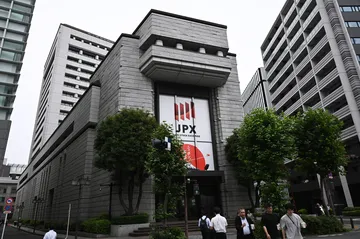
作者:田村康隆与亚洲其他地区交易活跃形成对比,由于监管变化以及人工智能相关公司的稀缺导致上市储备枯竭,日本通过首次公开募股(IPO)进行的融资正在萎缩。
Fundraising through initial public offerings in Japan is drying up, in contrast to a dealmaking boom across Asia, after regulatory changes and a dearth of artificial intelligence related companies depleted up the listings pipeline.
根据彭博社汇总的数据,截至9月底,首次公开募股的数量降至32家,为2012年以来最低的九个月数据。包括出租车应用提供商Go Inc.在内的公司数量降至四年低点,而亚洲其他地区却融资活跃。
The number of first-time offerings fell to 32 through the end of September, the lowest nine-month tally since 2012, according to Bloomberg-compiled data. Companies including taxi app provider Go Inc. slid to a four-year low, even as fundraising surged in the rest of Asia.
尽管全球范围内的人工智能供应链相关公司推动了交易活跃,但日本尚未能像中国那样涌现出能够吸引投资者关注的初创企业浪潮。一些有IPO计划的公司也因东京证券交易所计划提高公司在其初创板块维持上市的标准而望而却步,这是该交易所吸引更多优质发行人的举措之一。
While companies along the AI supply chain have driven dealmaking around the world, Japan is yet to match the wave of startups that can capture the imagination of investors, like in China. Some IPO hopefuls were also deterred by the Tokyo Stock Exchange’s plan to raise the bar for companies to remain listed in its startup section, as port of its effort to attract more quality issuers.
瑞穗证券IPO部门负责人渡边正人表示:“更多公司认为现在还不是上市的好时机。”他还补充说,在日本准备一家上市候选公司至少需要两到三年时间。
“More companies decided now is not the time to go public,” said Masahito Watanabe, head of IPO department at Mizuho Securities Co., adding that it takes at least two to three years to prepare candidates for a listing in Japan.
从2030年起,东京证券交易所将要求成长市场的公司在五年后市值达到至少100亿日元(6320万美元)才能维持上市,而目前的要求是十年后达到40亿日元。
From 2030, the Tokyo bourse will require companies on the Growth Market to have a market value of at least ¥10 billion ($63.2 million) after five years to remain listed, compared with the current requirement of ¥4 billion after 10 years.
这一变化也影响了初创企业在私人市场筹集资金的能力,因为随着IPO这一明确退出途径变得更具不确定性,风险投资基金可能更不愿意投资。
That change is also impacting the ability of startups to raise money in the private market, as venture capital funds may be more reluctant to invest with the clear exit route of IPOs becoming more uncertain.
Shiza Ventures Inc.的创始合伙人松田丽香表示:“银行正在变得更加谨慎,它们不仅支持符合东京证券交易所新要求的公司,还支持那些上市后仍具有强劲增长潜力的企业。”
“Banks are being selective and support companies that not only meet the new requirement of the TSE, but also have strong growth potential after listing,” said Reika Matsuda, founding partner of Shiza Ventures Inc.
尽管如此,一些银行家和投资者预计,由私募股权投资支持的上市计划将在短期内提振市场。贝恩资本旗下的York Holdings计划在未来两年内上市,而KKR支持的Logisteed Ltd.则可能于2027年公开募股。据熟悉此事的人士透露,日本产业合作伙伴支持的东芝公司正寻求最早在2028财年回归资本市场。
That said, some bankers and investors expect private equity-backed offerings to give the market a lift in the near term. Bain Capital-owned York Holdings is aiming to list within two years, while KKR-backed Logisteed Ltd. may go public in 2027. Japan Industrial Partners-backed Toshiba Corp. is seeking a return as early as in fiscal 2028, people familiar with the matter have said.
大和证券私人资本解决方案部门主管白野广明表示:“考虑到正在筹备中的赞助重新上市交易,IPO市场有望达到一个合理的规模。随着IPO前景未必持续恶化,上市数量将逐步恢复,但我认为年上市数量不会回到过去每年100家的水平。”今年日本最大的IPO是出租车应用运营商Go的上市,其融资额达6.07亿美元。据熟悉此事的人士透露,KKR支持的日本少数独角兽企业之一——人力资源平台运营商SmartHR Inc.已推迟潜在的上市计划,因为投资者认为其目标估值过高。
“Considering the sponsored-relisting deals in the pipeline, the IPO market could reach a reasonable scale,” said Hiroaki Shirano, head of private capital solutions at Daiwa Securities Co. “The number of listings would gradually recover as IPO prospects aren’t necessarily decreasing, but I don’t think the number will get back to 100 per year as we used to see.”The country’s largest IPO this year has been the listing of taxi app operator Go, which raised $607 million. KKR & Co.-backed human resources platform operator SmartHR Inc., which is among the few Japanese unicorns, has delayed a potential deal as investors viewed the targeted valuation as too high, people familiar with the matter have said.
尽管亚洲市场出现了CXMT Corp.和Zhongji Innolight Co.等人工智能相关企业的巨额IPO,且Moonshot AI和DeepSeek也计划于明年年初上市,但日本却基本错过了此类交易。
While Asia has seen blockbuster IPOs by AI-related names such as CXMT Corp. and Zhongji Innolight Co., with Moonshot AI and DeepSeek aiming its listing early next year, Japan has largely missed out on such deals.
DG Ventures Inc.董事总经理兼投资主管Keith Yuki Isobe表示:“资本仍集中在生成式人工智能相关企业的私募融资轮次中。因此,与非人工智能领域未上市公司融资轮次相关的投资者数量,相比三到四年前已有所减少。”
“Capital is still concentrated in private funding rounds for generative AI-related firms,” said Keith Yuki Isobe, Managing Director and Head of Investment at DG Ventures Inc. “As a result, fewer investors are participating in fundraising rounds by unlisted companies in non-AI sectors than they were three or four years ago.”