
中国已发布首部正式规章草案,旨在将劳动法保护扩展至该国快速增长的零工和平台工人群体,这是在就业市场严峻背景下不断扩大的灵活就业队伍的关键组成部分。
China has issued a draft of its first formal regulation to extend labour-law protections to the country’s rapidly growing ranks of gig and platform workers, a key segment of an expanding flexible workforce amid a tough job market.
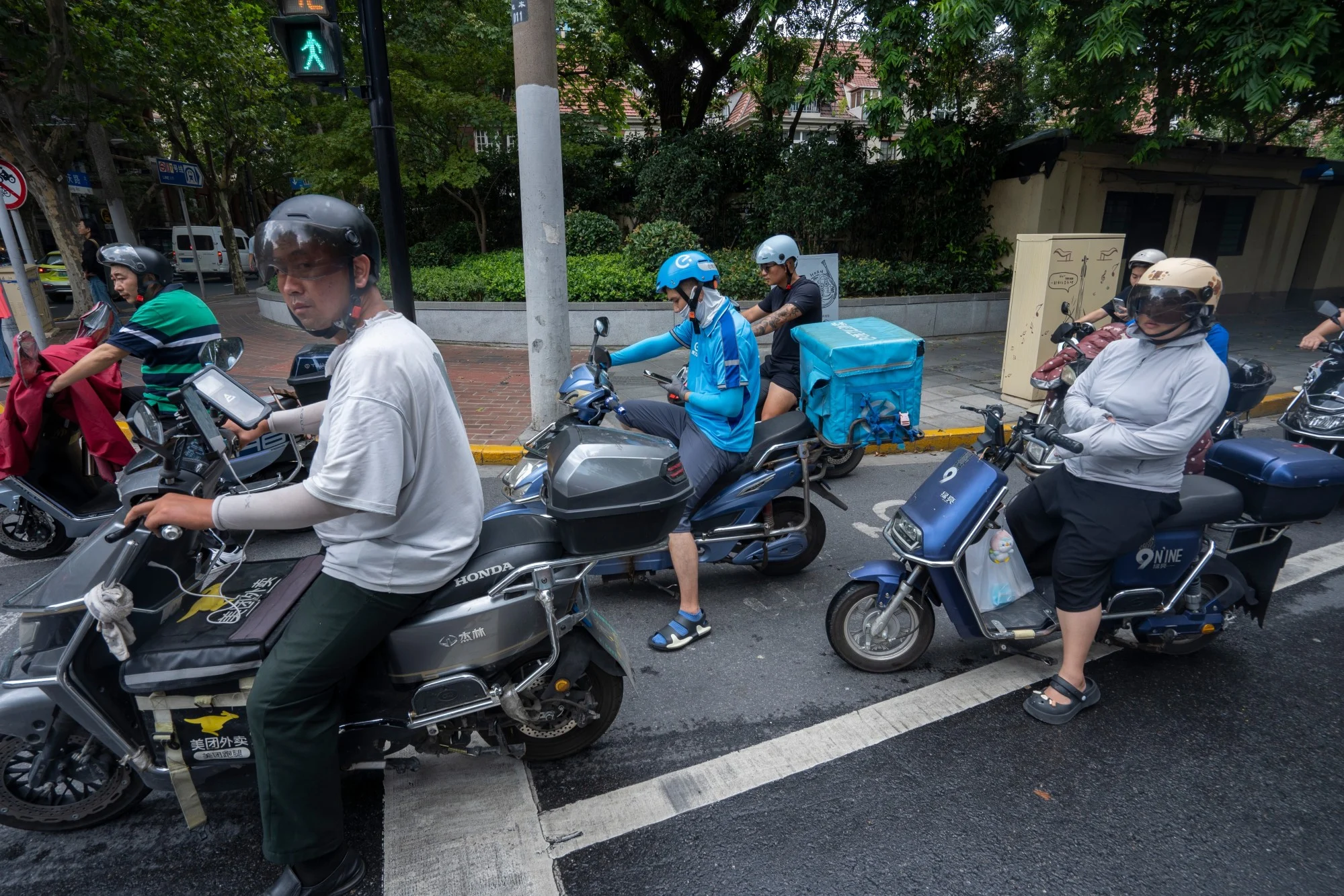
平台工人包括网约车司机和从事外卖配送的人员——这一总计8400万人的群体常面临收入不稳定和工作强度大——将依据本周四公布的草案,享有包括工资、休息时间、工作场所安全等在内的基本劳动保护,草案现已向公众征求意见。
Platform workers including ride hailing drivers and those engaged in food deliveries – a group totalling 84 million who often face irregular pay and intense workloads – will be entitled to basic labour protections covering pay, rest periods, workplace safety and more, according to the draft published on Thursday for public comment.
然而,该草案仅设定了工作条件的最低标准,距离正式就业工人目前享有的保护仍有很大差距,文件来自人力资源和社会保障部。
However, it only sets minimum standards for working conditions, falling far short of the protections currently afforded to workers in formal employment, according to the document from the Ministry of Human Resources and Social Security.
“政府终于对长期未明确劳动关系的工人的职业安全问题采取行动,”浙江大学社会保障专业教授何文炯说。
“[The] government has finally taken action on the long overdue occupational security issues of workers who have not established clear labour relationships,” said He Wenjiong, a professor at Zhejiang University who specialises in social security.
他补充指出,随着经济放缓导致正式岗位减少,越来越多中国人转向灵活就业,这一趋势引发了最高领导层和公众对其权利的关注。
The move comes as a rising number of Chinese turn to flexible work amid decreasing formal job openings amid an economic slowdown, raising concerns among the top leadership and members of the public over their rights, he added.
2023年全国第九次劳动力调查显示,中国约有4.02亿劳动者,其中约五分之一,即8400万人,属于“新业态就业”,即通过互联网平台按照平台规则和指令提供劳动谋生。
The nation’s ninth national survey of the workforce in 2023 showed that China had about 402 million workers, with roughly a fifth, or 84 million, in “new forms of employment”, meaning they earned a living by providing labour through internet platforms under platform rules and instructions.
据招聘平台智联招聘与暨南大学联合于二月发布的报告,这一数字是更广泛的灵活就业群体的一部分,去年该群体估计已超过2亿人。
The number is part of a broader flexible workforce that was estimated to total more than 200 million as of last year, according to a report co-issued by hiring agency zhaopin.com and Jinan University in February.
“这项新规定无法解决所有问题,但至少确立了一些重要原则,并设立了若干基本保障——例如,确保工资不再被拖欠,并保护劳动者免受职业伤害,”他说道。
“The new regulation cannot address all the issues, but it at least establishes some important principles and puts in place several basic safeguards – for example, ensuring that wages will no longer be delayed, and protecting workers against occupational injury,” He said.
该草案要求支付周期不得超过一个月,节假日工作的报酬需按更高标准支付,但并未具体说明具体增幅。
The draft requires that payment cycles not exceed one month and that work done on holidays be paid at a higher rate, but it does not specify by how much.
草案还要求平台公司加入政府为劳动者设立的职业伤害保障计划,但并未强制要求企业提供养老金和医疗保险等社会保险。
It also demands that platform companies join the government’s occupational injury protection scheme for workers, but the companies are not mandated to provide social insurance such as pensions and medical coverage.
关于休息权,该规定要求“合理确定”每日和每周的最高工作时间,并将其公开。
On the right to rest, the regulation calls for “reasonably determining” maximum daily and weekly working hours and making them public.
沈奇兰通过一家家政服务平台接单,为上海的住户提供清洁和烹饪服务。她表示,目前她并未享受到任何一项拟议的保障措施。
Shen Qilan, who takes orders from a domestic-service platform to provide cleaning and cooking services for households in Shanghai, said she currently had none of the proposed protections.
“即使在今年夏天台风天气期间,只要客户下单,我就必须去——否则平台就会减少未来分配给我的订单数量,”她说。
“Even during this summer’s typhoon weather, when a customer placed an order, I had to go – otherwise the platform would reduce the number of future orders assigned to me,” she said.
“如果遇到极其重要的事情,比如结婚或配偶去世,可以申请暂停接单,但最多也只能两三天,”她补充道。
“If it’s something extremely important, like getting married or a spouse’s death, you can request not to take orders, but only for two or three days at most,” she said.
今年三月,人力资源部在新闻发布会上表示,中国已有17个省份开展了针对灵活就业者的职业伤害保障试点项目,参保人数超过2500万人。
In March, the human resources ministry said at a press conference that 17 provinces across China had run pilot programmes for occupational injury protection for gig workers, with more than 25 million people enrolled.