Farai Mutsaka EPWORTH,津巴布韦——成为青少年母亲远非津巴布韦的凯莉·恩德加(Kelly Nhedega)所想象的那样。18岁的她本来规划了不同的未来:完成学业,接受护士培训,然后组建家庭。
Farai Mutsaka EPWORTH, Zimbabwe — Being a teen mother was far from what Zimbabwean Kelly Nhedega had imagined. The 18-year-old had mapped out a different future: finish school, train as a nurse and then start a family.
但当她开始有性行为时,避孕手段显得遥不可及。年轻女孩在拥挤的当地诊所排队领取安全套、避孕药或植入避孕装置时,可能会被其他患者甚至医务人员评判或告知她的父母,这种污名让恩德加望而却步。她在16岁时怀孕并辍学。
But when she became sexually active, contraception felt out of reach. The stigma of a young girl queuing for condoms, pills or a birth control implant at a crowded local clinic where other patients, or even health workers, could judge her or tell her parents, kept Nhedega away. She became pregnant at 16 and dropped out of school.
如今,她照顾着一个18个月大的孩子,最近在暗中获得了避孕措施,同时努力重返课堂。
Now caring for an 18-month-old child, Nhedega recently obtained contraception discreetly as she tries to get back to a classroom.
“这是我必须先完成的任务。更多的孩子意味着更少甚至没有时间上学,”她说,婴儿在她的腿上坐立不安。
“That’s a mission I have to complete first. More babies will mean less or no time for school,” she said, her toddler fidgeting on her lap.
随着援助削减和全球航运中断威胁到非洲女孩获取避孕用品的渠道,恩德加的经历凸显了一个更广泛的挑战,这不仅仅是避孕药是否被购买或储备的问题。父母的反对、限制性政策、污名以及在诊所被看到的恐惧,都可能阻碍女孩获取避孕手段,即使各国政府正努力弥补外援的缩减。
As aid cuts and global shipping disruptions threaten access to contraception for girls in Africa , Nhedega’s experience highlights a broader challenge that goes beyond whether contraceptives are being bought or stocked. Parental opposition, restrictive policies, stigma and the fear of being seen at a clinic can stand between girls and contraception, even as governments try to compensate for shrinking foreign aid .
专家表示,避孕对于帮助青少女避免意外怀孕和分娩风险至关重要,尤其考虑到非洲高企的孕产妇死亡率。
Contraception is critical to helping adolescent girls avoid unintended pregnancies and the risks of childbirth , particularly given Africa’s high maternal mortality rates, experts say.
这是一系列关于撒哈拉以南非洲孕产妇死亡率的报道之一。该地区人口增长最快,承担了全球70%的孕产妇死亡。全洲每年记录约18万例妊娠死亡。
This is part of a series on maternal mortality in sub-Saharan Africa , which has the world’s fastest-growing population and accounts for 70% of global maternal deaths. Around 180,000 pregnancy deaths are recorded every year across the continent.
联合国人口基金(UNFPA)估计,援助削减将导致今年全球避孕资金出现1.85亿美元的缺口。根据国际计划生育联合会的说法,到12月,全球已有近1400家生殖健康服务机构关闭,其中非洲地区有1175家,导致约590万女性无法获得相关服务。
The United Nations Population Fund, or UNFPA, estimates that aid cuts will leave a $185 million shortfall in contraceptive funding globally this year. Nearly 1,400 reproductive health service facilities had closed globally by December, including 1,175 in Africa, leaving an estimated 5.9 million women without services, according to the International Planned Parenthood Federation.
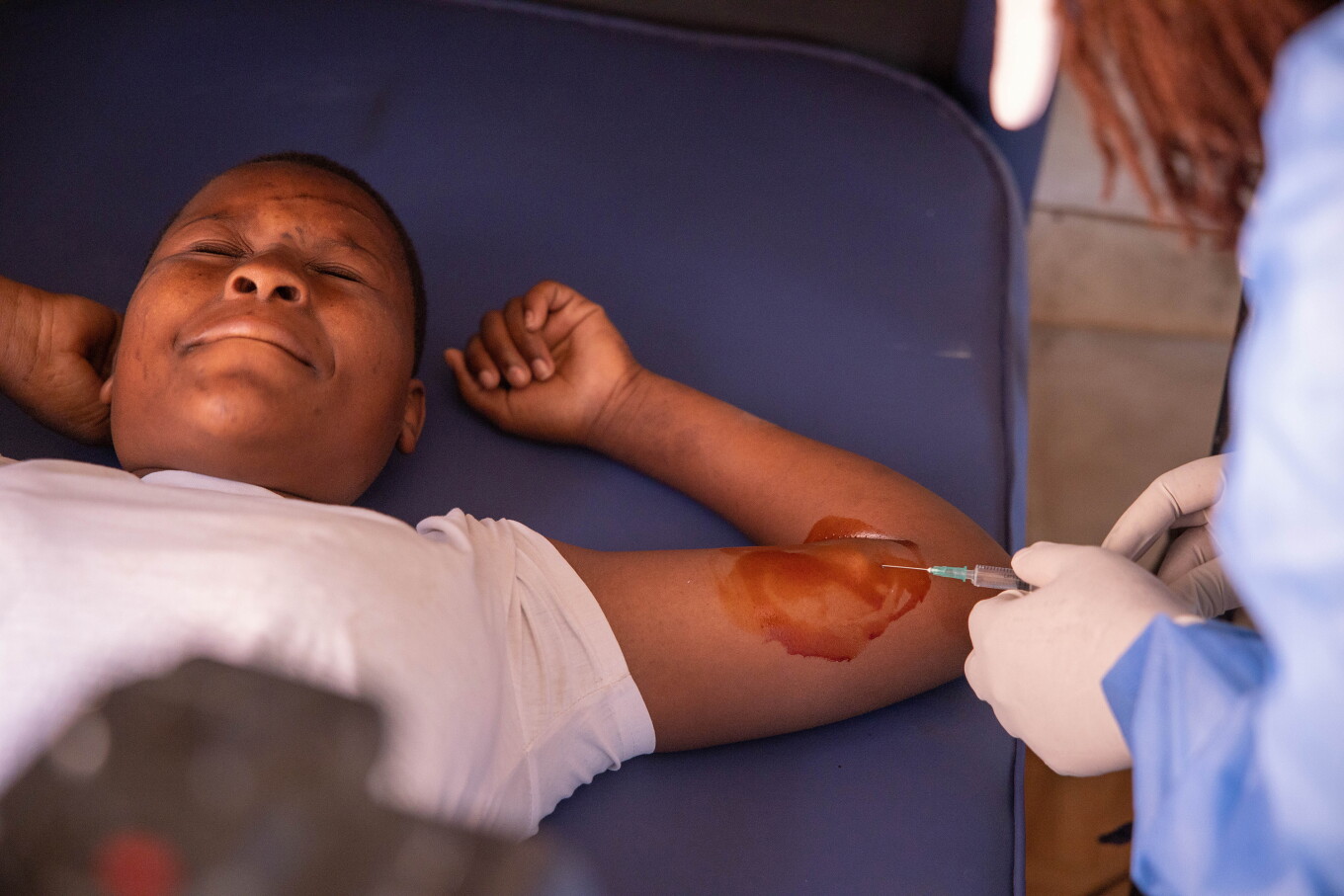
像Nhedega这样的女孩通常依赖这类基础机构获取避孕服务,而不会受到审查或暴露。对Nhedega而言,这个地方是一辆老旧的蓝白相间房车,停放在首都哈拉雷郊区一个人口稠密社区——埃普沃思一家医院的隐蔽角落。这辆经过改造的家庭旅行拖车已成为一辆流动诊所,为青少年提供了一个远离亲属、邻居、教会同事或其他患者的私密空间,以便获取避孕服务。
Girls like Nhedega often depend on such basic places for contraception without being scrutinized or exposed. For Nhedega, that place was an aging blue-and-white caravan tucked into a discreet corner of a hospital in Epworth, a densely populated settlement on the outskirts of the capital, Harare. The converted family travel trailer has been transformed into a mobile clinic, giving adolescents a private place to access contraception away from relatives, neighbors, church colleagues or other patients.
“没人会知道,这会成为你自己的秘密,”Nhedega说。她补充道,即使已经和丈夫同意使用避孕措施,社区带来的污名化仍然令人望而生畏。
“No one will know, it becomes your own secret,” Nhedega said, adding that even after agreeing with her husband to use contraceptives, the community stigma can feel daunting.
运营这辆房车和其他流动诊所的津巴布韦人口服务组织负责人Pester Siraha表示,自2021年以来,仅这辆房车就为埃普沃思及附近农业社区和非正式定居点的超过10万名青少年提供了避孕用品、性传播感染治疗、咨询以及性与生殖健康信息。但随着国际援助缩减,这项服务正面临压力。
Since 2021, the caravan alone has provided more than 100,000 adolescents in Epworth and nearby farming communities and informal settlements with contraceptives, treatment for sexually transmitted infections, counseling and sexual and reproductive health information, said Pester Siraha, director of Population Services Zimbabwe, which operates the caravan and other mobile clinics. But the service is under pressure as international aid shrinks.
该组织是MSI Reproductive Choices的附属机构,后者在36个国家(主要集中在非洲和亚洲)提供堕胎和避孕服务。由于特朗普政府于2025年取消了许多援助项目,该组织失去了2023年获得的为期五年、总额900万美元的拨款。据该组织称,其中超过600万美元的资金尚未使用。
The organization, an affiliate of MSI Reproductive Choices, which provides abortion and contraceptive services in 36 countries, mostly in Africa and Asia, lost a five-year $9 million grant awarded in 2023, after the Trump administration dismantled many aid programs in 2025. Over $6 million of the money was unspent, according to the organization.
它转向瑞典资金来填补部分缺口,但该支持已于八月结束,此前瑞典政府停止了对津巴布韦、坦桑尼亚、莫桑比克、利比里亚和玻利维亚的发展援助,以优先支持乌克兰。
It turned to Swedish funding to fill part of the gap, but says that support ended in August, after the Swedish government phased out development assistance to Zimbabwe, Tanzania, Mozambique, Liberia and Bolivia to prioritize Ukraine.
“瑞典介入时我们非常兴奋,”Siraha 说。“然后,突然之间,瑞典说他们要退出,”她警告说,这可能导致意外怀孕和不安全堕胎增加,进而导致死亡。
“We were quite excited when Sweden came in,” Siraha said. “Then, suddenly, boom, Sweden said they were leaving,” she said, warning of increased unplanned pregnancies and unsafe abortions that could lead to death.
资金削减可能迫使这家已有四十年历史的组织停止外展活动。“甚至可能关闭整个国家项目,”Siraha 说。
The funding cuts could force the four-decades-old organization to close its outreach activities. “Or even the entire country program,” Siraha said.
卫生部长道格拉斯·蒙贝绍拉表示,津巴布韦自2022年以来已花费630万美元购买避孕用品,并承诺在2026年和2027年每年再投入225万美元用于避孕。
Health Minister Douglas Mombeshora says Zimbabwe has spent $6.3 million buying contraceptives since 2022, and pledged a further $2.25 million a year on contraceptives in 2026 and 2027.
但在非洲各地,避孕用品的可获得性并不一定意味着青少年能够获得它们。
But across Africa, availability of contraceptives doesn’t always mean adolescents will get them.
在赞比亚,MSI赞比亚的主任伊农格·维纳·奇尼亚马表示,关于父母同意规则的不确定性会形成额外障碍。
In Zambia, Inonge Wina Chinyama, director at MSI Zambia, said uncertainty over parental consent rules can create an additional obstacle.
“有多少年轻人可以去说,‘妈妈,我今晚想做爱。你能允许我去获取避孕方法吗?’”她说。“这在非洲并不会发生。”即使女孩们克服了这些障碍,她们也可能发现诊所没有她们偏好的避孕用品。奇尼亚马说,美国对赞比亚分发的支持失去,尤其影响了她所称的‘最后一公里’——即将避孕用品从中央仓库和省级中心运送到农村卫生中心。她说,存放在国内某处的避孕用品对居住在远离仓库的女孩几乎没有用处。
“How many young people can go and say, ‘Mommy, I want to have sex tonight. Can you allow me to go and get a contraceptive method?’” she said. “It doesn’t happen in Africa.”And even girls who navigate through the hurdles may find their preferred contraceptive unavailable at the clinic, she said. Chinyama said the loss of U.S. support for distribution in Zambia was particularly affecting what she called the “last mile” — getting contraceptives from central warehouses and provincial hubs to rural health centers. Contraceptives sitting somewhere in the country are of little use to a girl living far from the warehouse where they are stored, she said.
全球航运中断进一步增加了不确定性。三月,联合国人口基金会表示,承运人已改道运输,以避开受冲突影响的水路。在赞比亚,一批于十一月订购的避孕用品在三个月后才到达。
Global shipping disruptions have added to the uncertainty. In March, UNFPA said carriers have rerouted shipments to avoid conflict-affected waterways. In Zambia, a contraceptive shipment ordered in November arrived more than three months late.
“起初,由于伊朗战争,我们认为赞比亚是一个低风险国家,因为它感觉非常遥远,”奇尼亚马说。“但直到本周,我们才刚刚收到这些产品。”在津巴布韦的偏远社区,失去流动服务所带来的后果尤为明显,有时甚至十分严重。
“At first, we thought Zambia was a low-risk country with the Iran war, because it felt like it was very far out there,” said Chinyama. “But we are only just receiving the products this week.”In Zimbabwe’s remote communities , the consequences of losing mobile outreach are especially visible, sometimes dramatic.
在津巴布韦西北部贫困而孤立的宾加地区,资金削减迫使津巴布韦人口服务组织放慢了流动诊所的运作。运营总监恩杰琳·马韦雷表示,在八月份短暂恢复服务时,女孩们纷纷跑来。
In Binga, a poor and isolated district in northwestern Zimbabwe , funding cuts forced Population Services Zimbabwe to slow down its mobile clinics. When they briefly returned in August after a six-month absence, girls came running, Engeline Mawere, its operations director, said.
“十六、十七岁的女孩们,有些还背着孩子,一看到我们的车就朝我们奔来,”马韦雷说。“有时我们会把车停在灌木丛中,这样已婚和未婚的年轻女孩都能感到安全。”她说,这种蜂拥而至的现象凸显了流动服务对女孩和年轻母亲的重要性。对于埃普沃思的恩赫德加这样的女孩来说,获取服务不仅关乎货架上有什么,更关乎她们能否在不被看见、不被羞辱或被打断的情况下获得避孕措施。
“Sixteen, 17-year-olds, some with children on their backs, were racing toward us when they saw our vehicle,” Mawere said. “Sometimes we park in the bush so that both married and unmarried young girls can feel safe.”The rush, she said, underlines the importance of outreach services for girls and young mothers. For girls like Nhedega in Epworth, access is not just about what’s on the shelf, but whether they can get contraception without being seen, shamed or stopped.
“所以在这里,你只能偷偷地做,并更好地规划,”恩赫德加说。“不应该有任何孩子被归咎于意外。我们应该能够规划并决定何时要孩子。”如需了解有关非洲与发展问题的更多信息:
“So here, you just do it secretly and plan better,” Nhedega said. “There is no child who should be attributed to a mistake. We should be able to plan and decide when to have a baby.”For more on Africa and development: