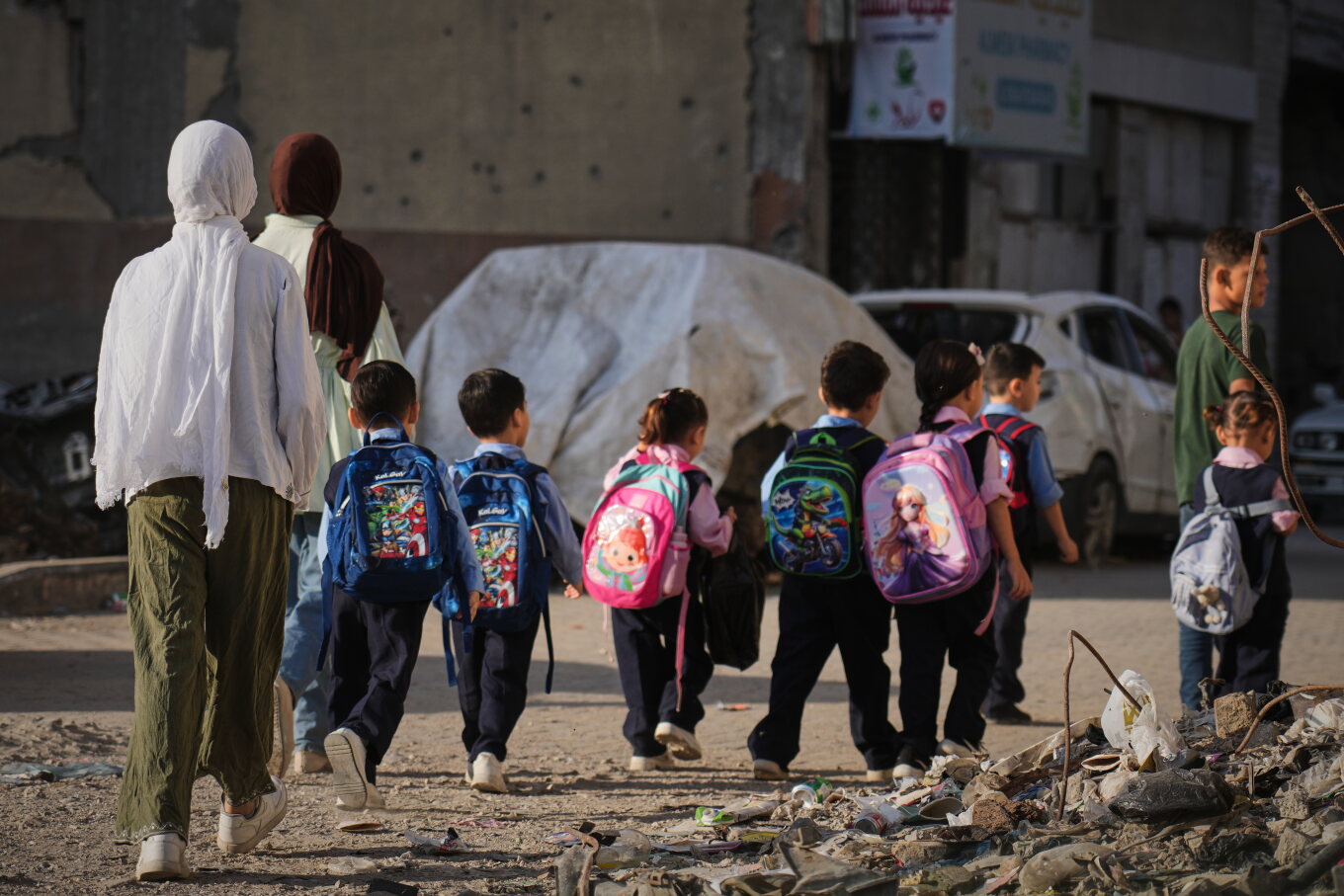
一家位于加沙地带的美国慈善机构担心,其旗下学校的教师可能会偏离该机构所倡导的、旨在促进和平与宽容的教学大纲。为此,该机构计划录制课堂对话,并借助人工智能技术来识别那些被视为“仇恨言论”或“煽动性言论”的内容。
上个月,这家名为“加沙儿童村”的慈善机构创始人在一场网络研讨会上公布了上述计划,但此举引发了部分巴勒斯坦民间团体、人权组织以及该机构至少一个合作伙伴的担忧,他们主要对计划的伦理性、安全性及隐私保护问题表示疑虑。
A U.S. charity in Gaza is worried that teachers at its schools might stray from a curriculum it says promotes peace and tolerance. SAM MEDNICK A U.S. charity in Gaza is worried that teachers at its schools might stray from a curriculum it says promotes peace and tolerance, so it plans to record classroom conversations and use artificial intelligence to flag speech deemed “hateful” or “inciting.”The plans laid out by the founder of the Gaza Children Village in a webinar last month have elicited ethical, safety and privacy concerns from some Palestinian and advocacy groups and at least one of the charity’s partners.
目前尚无迹象表明该机构打算将课堂录音分享给第三方,但在经历了三年战争之后,加沙民众对监控技术可能被滥用的担忧日益加剧。以色列军方也曾利用人工智能技术分析截获的通讯内容,以识别可疑言论,进而确定打击目标。
There is no indication the charity intends to share its classrooms’ recordings with anybody else, but fears about the potential misuse of surveillance technology are heightened in Gaza after three years of war. The Israeli military has used AI to sift through intercepted communications and find suspicious speech, including to identify targets for strikes.
一些巴勒斯坦人权组织则对这家慈善机构的教育计划本身提出批评,认为其无需向长期负责管理加沙教育的当地机构及联合国部门负责。至于加沙的教育事业究竟该由谁掌控,目前仍是战后治理领域诸多悬而未决的问题之一。
Palestinian rights groups have been critical of the charity’s education agenda more broadly, saying it is unaccountable to local and U.N. agencies that have long managed Gaza’s schools. Who controls education in Gaza is one of many unresolved questions about its postwar governance.
目前尚不清楚该课堂监控计划何时实施、具体会识别哪些类型的言论,以及教师、学生及其家属是否已获悉相关安排。
It is unclear when the classroom monitoring is supposed to begin, what specific language will be flagged, and whether teachers, students and their families have been told about the plans.
该慈善机构创始人称,其目标是实现加沙地区的“去极端化”。该机构创始人兼首席执行官大卫·哈桑博士是一名神经外科医生,他的父母为巴勒斯坦人,他本人出生于科威特,如今在北卡罗来纳州达勒姆市的杜克大学医学院任教。
The charity’s founder says he seeks the ‘de-radicalization’ of Gaza The charity’s founder and CEO is Dr. David Hasan, a neurosurgeon born in Kuwait to Palestinian parents who now teaches at Duke University medical school in Durham, North Carolina.
他萌生创办这家慈善机构的念头,源于在战争期间于加沙医院做志愿者的经历,以及想要终结巴勒斯坦人和以色列人之间世代相传的暴力循环的愿望。哈桑表示,他从小接受的教育是对犹太人和以色列人持负面看法,直到赴美上大学时才接触到其他观点;他希望加沙的孩子们能在早年就获得这些视角。
He conceived the idea for the charity after volunteering at hospitals in Gaza during the war and wanting to end generations of violence between Palestinians and Israelis. Hasan says he was taught at an early age to look unfavorably upon Jews and Israelis, and that it wasn’t until he attended college in the U.S. that he learned other perspectives; he wants kids in Gaza to gain these perspectives early in life.
该慈善机构筹集的资金主要来自个人捐赠者,其中包括美国犹太人,并称正与北美、以色列和欧洲的援助组织及医院建立合作伙伴关系。其名为“希望学院”的学校提供膳食、医疗和心理关怀。第一所学校于去年夏天开学。
The charity has raised money largely from individual donors, including American Jews, and says it’s partnering with North American, Israeli and European aid organizations and hospitals. Its schools, called Academies of Hope, provide meals and medical and psychological care. The first school opened last summer.
哈桑曾表示,学校的课程主要基于巴勒斯坦权力机构的教学大纲,但他移除了美化暴力或鼓励反以色列、反犹太主义观点的内容。
The schools’ lessons are mostly built around the Palestinian Authority curriculum, but language that he says glorified violence or encouraged anti-Israel or antisemitic beliefs was removed, Hasan has said.
哈桑拒绝就此事置评,也未提供课程修改的具体例子。但美国政府问责局(GAO)2026年的一份报告在审查联合国在加沙标记为“教科书内容有问题”的材料时,指出了以色列长期以来投诉的问题类型:用“烈士人数”来教授数学概念、提及“耶路撒冷是巴勒斯坦的首都”,以及描述一名男孩在声援被关押在以色列监狱的巴勒斯坦人的示威活动中被射杀。
Hasan declined to comment for this story or provide examples of curriculum changes. But a 2026 report by the U.S. Government Accountability Office that examined “problematic textbook content” flagged by the U.N. in Gaza identified the kinds of issues that Israel has long complained about: the use of “the number of martyrs” to teach a mathematical concept, a reference to “Jerusalem as the capital of Palestine,” and a description of a boy shot while demonstrating in support of Palestinians held in Israeli prisons.
在上个月与人道主义组织举行的网络研讨会上,哈桑表示监控课堂的目的是帮助培训教师,以坚持执行一套他先前曾表示旨在“去极端化”的课程。“我知道这有争议,但相信我,这是我们觉得能够生存并推行这套课程的唯一途径,”哈桑说。
webinar last month with humanitarian groups, Hasan said the reason to monitor classrooms is to help train teachers in how to uphold a curriculum that he had previously said was aimed at “de-radicalization.”“I know it’s controversial, but trust me, it’s the only way we feel for us to survive and deliver this curriculum,” Hasan said.
监控教室打开了“潘多拉魔盒” 这并非首个面临此类困境的组织。联合国近东巴勒斯坦难民救济和工程处(UNRWA)曾试图修改巴勒斯坦权力机构(PA)的课程,以剔除不符合中立、非暴力和非歧视价值观的内容;但根据政府问责局(GAO)的报告,该机构同样遭遇了教师和社区的抵制。
Monitoring classrooms opens ‘Pandora’s box’ This isn’t the first organization to face such difficulties. The U.N. agency for Palestinian refugees, UNRWA, has attempted to modify the PA curriculum to remove content that didn’t align with values of neutrality, nonviolence and nondiscrimination; but it, too, was met with teacher and community resistance according to the GAO report.
加沙儿童村的一名工作人员表示,一些教师和其他员工担心因课程问题被哈马斯盘问,或不愿为由以色列援助团体资助的组织工作。该工作人员因未获授权接受媒体采访,要求匿名。
A Gaza Children Village staffer said some teachers and other employees are afraid of being questioned by Hamas about the curriculum or uncomfortable working for an organization supported by Israeli aid groups. The staffer spoke on condition of anonymity because they were not authorized to speak to the media.
得知可能实施课堂监控后,两名与该慈善机构有关联的人士表达了担忧。
Two people affiliated with the charity expressed concerns when notified about the possibility of classroom monitoring.
“监控学生和教师表现的摄像头是可以接受的。但用摄像头让学生和教师噤声,使他们无法在课堂上自由交流,这是不可接受的,”该慈善机构董事会成员、巴裔美籍政治活动家比沙拉·巴赫巴(Bishara Bahbah)表示。他说他不知情监控计划,且该计划未提交董事会讨论。
“Cameras to monitor the performance of students and teachers is acceptable. But cameras to silence students and teachers from being able to have a free exchange in a classroom are not acceptable,” said Bishara Bahbah, a Palestinian American political activist on the charity’s board. He said he wasn’t aware of the monitoring plans and that they haven’t been raised with the board.
巴赫巴表示,鉴于加沙运转正常的学校寥寥无几,该慈善机构的首要任务是让更多孩子走进教室。
Bahbah said that with so few functioning schools in Gaza, the charity’s top priority is getting more kids in classrooms.
一家与加沙儿童村合作的援助机构官员表示,使用摄像头可能会促使其重新考虑与该机构的合作。这位因担心危及该组织在加沙的工作而要求匿名的官员说,利用人工智能监控人们的言语打开了“潘多拉魔盒”。
An official at an aid group that partners with the Gaza Children Village said the use of cameras could prompt it to reconsider working with them. Using AI to monitor people’s words opens a “Pandora’s box,” said the official, who spoke on condition of anonymity for fear of jeopardizing the group’s work in Gaza.
“希望学院”(Academies of Hope)的六名现任和前任教师拒绝置评。
Six current and former teachers at Academies of Hope declined to comment.
该系统将标记那些被视为“仇恨言论”的语言。据联合国儿童基金会估计,加沙地带有数十万儿童无法上学,大多数学校也在战争中遭到破坏或损毁。加沙儿童村表示,其在加沙中部和南部的学校为数千名儿童提供教育服务,这些孩子中许多人都在战争中失去了父母或其他亲人。
The system will flag language deemed ‘hateful’ UNICEF estimates that hundreds of thousands of children in Gaza are not in school, and that most schools were destroyed or damaged during the war. The Gaza Children Village says its schools in central and southern Gaza serve thousands of children, many of whom lost parents or other relatives during the war.
根据哈桑在多次沟通中阐述的计划,课堂对话录音将由一套人工智能系统进行分析,以识别其中是否存在“反犹”、“煽动性”或“仇恨”类言论。哈桑在9月份的一场网络研讨会上称,一旦系统检测到问题言论,便会向他发出警告;随后他可联系相关教师以了解具体语境并给予反馈。他还提到,这些录音仅会被保存72小时。
Under the plans outlined by Hasan in various communications, recordings of classroom conversations will be analyzed by an AI-powered system to detect “antisemitic,” “inciting” or “hateful” language. If problematic language is detected, a warning will be sent to Hasan, who can then contact the teacher to understand the context and provide feedback, Hasan said in the September webinar. He said recordings are stored for 72 hours.
据美联社获得的一条哈桑于8月前发送的短信显示,这项监控技术已经过测试,目前计划先在数十间教室中投入使用。短信中哈桑称,该系统是与总部位于纽约的非营利组织PollyLabs合作开发的;该组织致力于运用技术来解决各类危机问题。不过,PollyLabs方面则表示自己并未参与该技术的开发或部署工作。
The monitoring technology has been tested and the plan is to deploy it in dozens of classrooms, according to a text message Hasan sent sometime before August that was seen by The Associated Press. In the text, Hasan said the system was created in collaboration with PollyLabs, a New York-based nonprofit that promotes the use of technology to solve problems in crises. PollyLabs says it has had no role in developing or deploying such technology.
在经历了与以色列高科技军队长达三年的战争后,加沙地带的巴勒斯坦民众对监控技术抱有深深的恐惧。国际危机组织负责以色列及巴勒斯坦地区事务的高级分析师阿姆贾德·伊拉克指出:“以色列将信息手段武器化到了近乎反乌托邦的程度,以至于许多巴勒斯坦人觉得自己连一句话都不敢说、一个念头都不敢想,甚至连眼皮都不敢轻易眨动,生怕被对方捕捉利用。”
Palestinians in Gaza are especially fearful of surveillance technology Fears about surveillance technology are strong in Gaza after three years of war with Israel’s high-tech army. “Israel has weaponized information to such a dystopian degree that many Palestinians feel they cannot utter a word, type a thought, or twitch an eye without fearing it could be seized upon,” said Amjad Iraqi, senior Israel and Palestinian Territories analyst for the International Crisis Group.
反对该慈善机构教学计划的团体则声称,巴勒斯坦民众在决定如何教育自己的孩子方面正逐渐丧失自主权。
Groups opposed to the charity’s curriculum say Palestinians are being stripped of their autonomy in deciding what to teach their children.
“这令人十分担忧,他们试图控制新一代的思想,”巴勒斯坦公共外交研究所的联合主任伊内斯·阿卜杜勒·拉泽克说道。该机构是一个倡导组织。
“It is very concerning, they’re trying to control the minds of new generations,” said Ines Abdel Razek, co-director of the Palestine Institute for Public Diplomacy, an advocacy group.
她表示,应当支持在加沙重建学校的巴勒斯坦权力机构以及联合国近东救济工程处。巴勒斯坦权力机构仅在以色列占领的约旦河西岸部分地区拥有有限的自治权。以色列指责联合国近东救济工程处内部有哈马斯人员渗透,但该机构予以否认。
The Palestinian Authority, which has limited autonomy in parts of the Israeli-occupied West Bank, and UNRWA should be supported in rebuilding schools in Gaza, she said. Israel has accused UNRWA of being infiltrated by Hamas, a charge the agency denies.
巴勒斯坦政府发言人穆罕默德·阿布阿尔罗布称,巴勒斯坦权力机构的教学大纲着重强调宽容与正义。他表示自己掌握的有关该慈善机构教学大纲的信息不足,因此无法置评。不过他指出,在教室里实施监控将“逾越一条重要的底线”。
A Palestinian government spokesperson, Mohammad AbuAlrob, says the PA curriculum focuses on tolerance and justice. He said he doesn’t have enough information about the charity’s curriculum to comment on it. But he said using surveillance in classrooms would cross “an important line.”