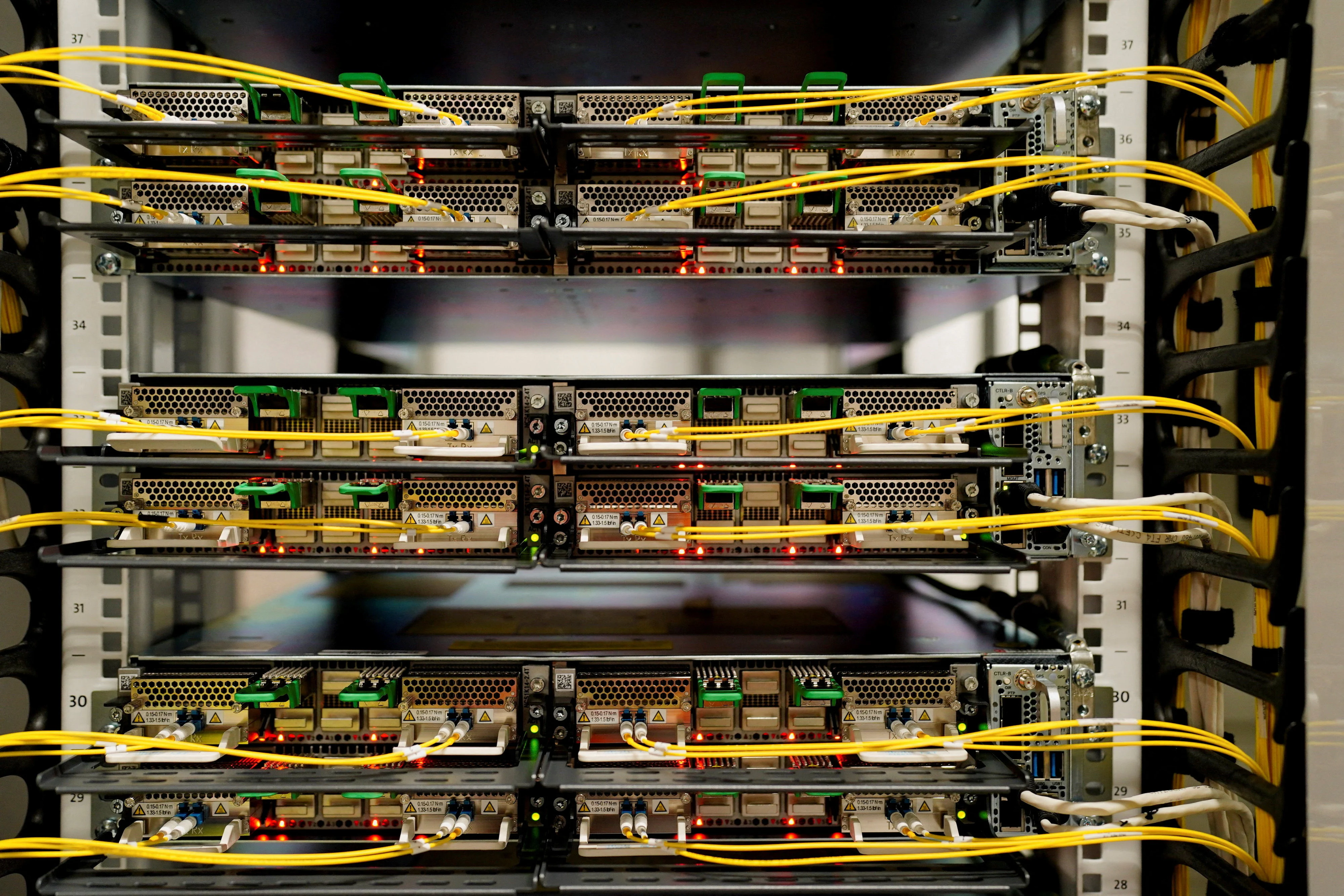
市场对美国可能对数据中心用下一代光收发器实施贸易限制的担忧再度升温,导致中国相关供应商的股价大幅下跌,进一步加剧了整个人工智能产业链股票的抛售潮。
Renewed fears of potential US trade curbs on next-generation optical transceivers for data centres have sent shares of Chinese suppliers tumbling, deepening a sell-off across artificial intelligence supply chain stocks.
尽管主要供应商纷纷出面安抚市场,中国光芯片制造商的股价在周五仍连续第二个交易日走低。与此同时,中国基准指数沪深300指数在午盘时下跌1.3%,跌至去年8月以来的最低水平。
Shares of Chinese optical chipmakers extended their losses for a second straight session on Friday despite reassurances from major suppliers, while China’s benchmark CSI 300 Index slid 1.3 per cent by the midday break to its lowest level since August last year.
上游激光芯片供应商受市场低迷影响最为严重,其股价跌幅甚至超过了下游的光收发器制造商。
Upstream laser chip suppliers bore the brunt of the market downturn, suffering steeper declines than downstream optical transceiver manufacturers.
在上海,源杰半导体科技股价周五下跌6.5%,此前在国庆长假结束后的首个交易日,该股曾触及20%的跌停线。另一家激光芯片供应商长光华芯也于周四跌停,周五继续下跌5.4%。
In Shanghai, Yuanjie Semiconductor Technology dropped 6.5 per cent on Friday, following a 20 per cent daily-limit plunge on Thursday, the first session after China’s week-long National Day holiday. Fellow laser chip supplier Everbright Photonics fell 5.4 per cent after a 20 per cent limit-down plunge a day earlier.
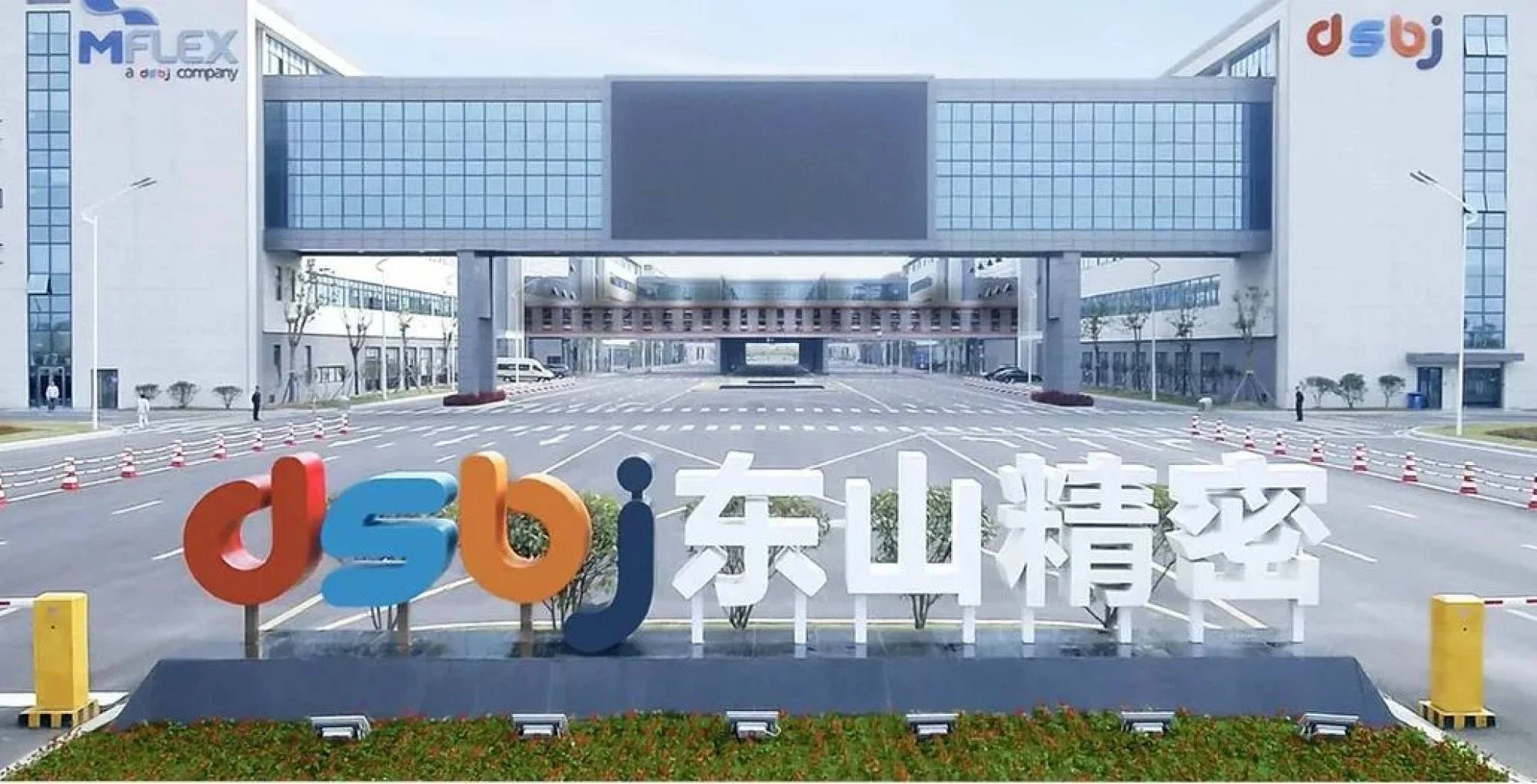
在深圳,东山精密周四触及10%的跌停线后,周五再度下跌3.4%。而此前一天股价下跌17.4%的仕佳光子,则在上海股市上涨3.4%。
In Shenzhen, Dongshan Precision fell 3.4 per cent on Friday after hitting its 10 per cent daily decline limit on Thursday, while Shanghai-listed Shijia Photons was up 3.4 per cent following a 17.4 per cent loss the day before.
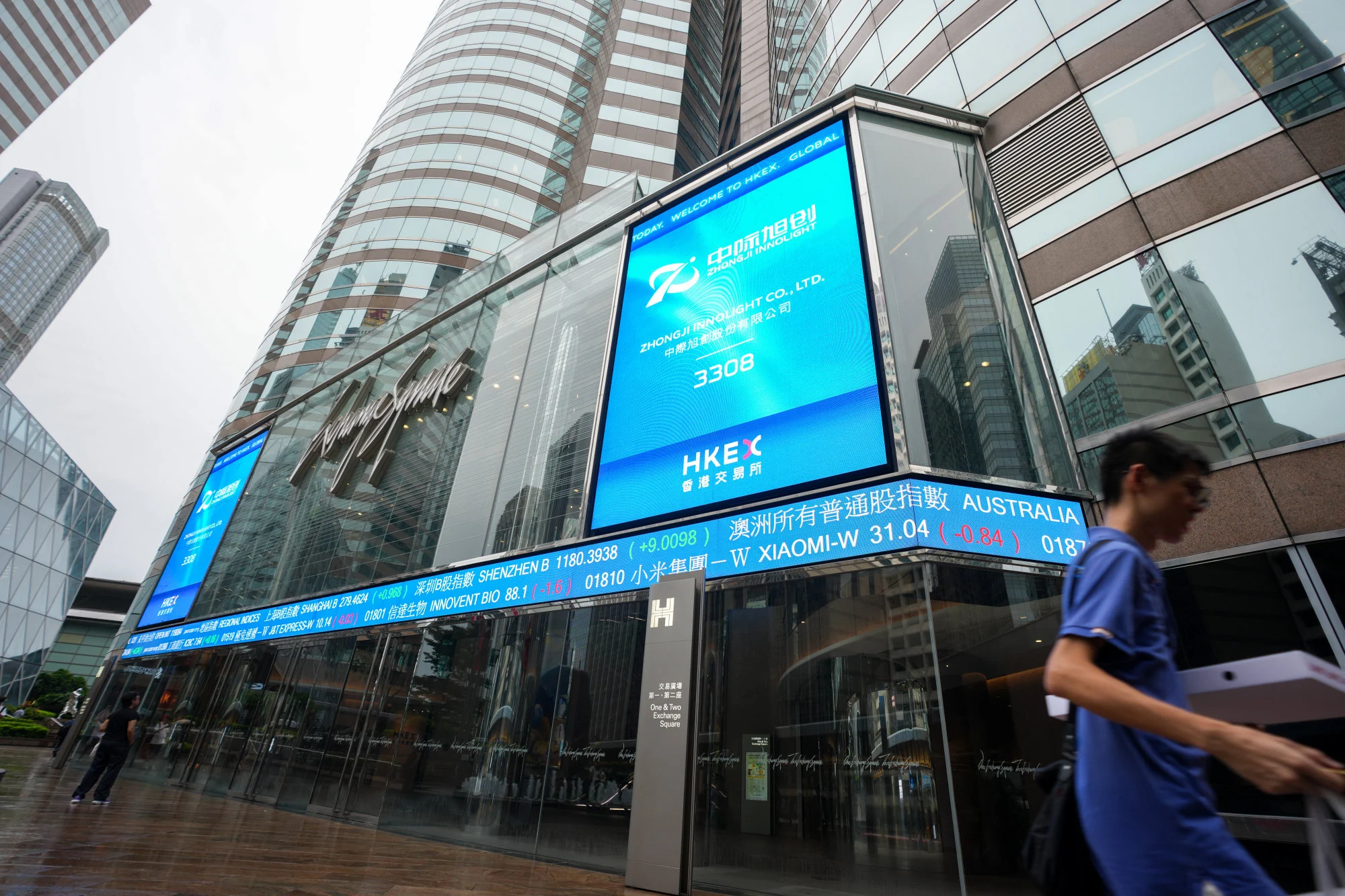
相比之下,主要光收发器制造商周五的跌幅相对温和:行业龙头中际旭创在香港股市下跌3%,新易盛在深圳股市则下跌2.19%。
In contrast, major optical transceiver makers saw milder losses on Friday, with market leaders Zhongji Innolight and Eoptolink falling 3 per cent in Hong Kong and 2.19 per cent in Shenzhen, respectively.
此次行业性抛售潮的诱因是摩根士丹利于10月1日发布的研究报告。该报告指出,美国联邦通信委员会(FCC)可能于本月起对中国制造的光收发器实施限制措施。
The sector-wide sell-off was triggered by an October 1 research report by Morgan Stanley, which warned that the US Federal Communications Commission (FCC) could introduce restrictions on Chinese-made optical transceivers as early as this month.
报告还强调,任何潜在限制措施极有可能针对下一代速率达3.2太比特/秒的光收发器产品。这类光收发器是人工智能数据中心的关键组件,负责将电信号转换为光信号,从而实现服务器与计算设备间的高速数据传输。
The report noted that any potential measures would most likely target next-generation 3.2-terabit-per-second (3.2T) products. Optical transceivers are critical components in AI data centres, converting electrical signals into optical signals to enable high-speed data transmission between servers and computing equipment.
据这家美国投资银行分析,如果中国制造的光收发器其原材料成本中至少有65%源自美国企业,华盛顿方面可能会考虑允许此类产品进入美国市场。
According to the US investment bank, Washington could consider a regulatory approach allowing Chinese-made optical transceivers into the US market if at least 65 per cent of their bill-of-materials (BOM) value originated from US-based companies.
今年8月有消息称,美国政府正在考虑对中国产光收发器实施限制措施,不过美国联邦通信委员会9月份最终出台的规则并未专门针对此类产品。
Reports emerged in August that Washington was considering restrictions on Chinese optical transceivers, though the FCC’s finalised rules in September did not specifically target the products.
然而,摩根士丹利在最新报告中指出,强制要求使用本地原材料的规定将给上游供应商带来巨大压力,这一政策显然更有利于美国的激光芯片及其他零部件制造商,而中国竞争对手则处于劣势。
However, Morgan Stanley’s latest report noted that a local-content mandate would put heavy pressure on upstream suppliers, favouring American makers of laser chips and other components at the expense of Chinese rivals.
多家中国主要供应商纷纷向投资者保证,即便美国出台相关限制措施,对其近期业务运营的影响也极为有限。
Major Chinese suppliers moved to reassure investors that any potential US measures would have a limited impact on their near-term operations.
东山精密在周四向证券交易所提交的文件中称,所谓“65%美国原材料含量”的要求纯属市场猜测,并非官方监管政策。该公司表示,光芯片在其光收发器原材料成本中所占比例不超过10%,且自身具备充足的灵活性来调整供应链。同时,东山精密也未排除在必要时赴美设厂的可能性。
In a stock exchange filing on Thursday, Dongshan Precision said the 65 per cent US-content requirement was based on market speculation rather than official regulatory policy. The company said optical chips accounted for no more than 10 per cent of its transceivers’ total BOM costs, adding that it had sufficient flexibility to adjust its supply chain. It did not rule out the possibility of establishing manufacturing facilities in the US if needed.
另据中国《每日经济新闻》报道,光迅科技的一位代表称,预计3.2T光收发器要直到2028年或2029年才能实现量产。该人士还指出,目前市场需求仍以800G和1.6T产品为主,因此针对下一代光收发器的任何限制措施短期内都不会对公司产生太大影响。
Meanwhile, an Everbright Photonics representative told Chinese news outlet National Business Daily that commercial production of 3.2T optical transceivers was not expected until 2028 or 2029. With current market demand anchored to 800G and 1.6T products, any restrictions targeting next-generation modules would have a limited immediate effect on the company, the person was cited as saying.