布拉比姆·卡尔基是一位尼泊尔商人。他为《印度斯坦时报》《经济时报》《独立报》以及《国会山报》等媒体撰稿。
Brabim Karki is a businessman based in Nepal. He writes for publications including Hindustan Times, The Economic Times, The Independent and The Hill.
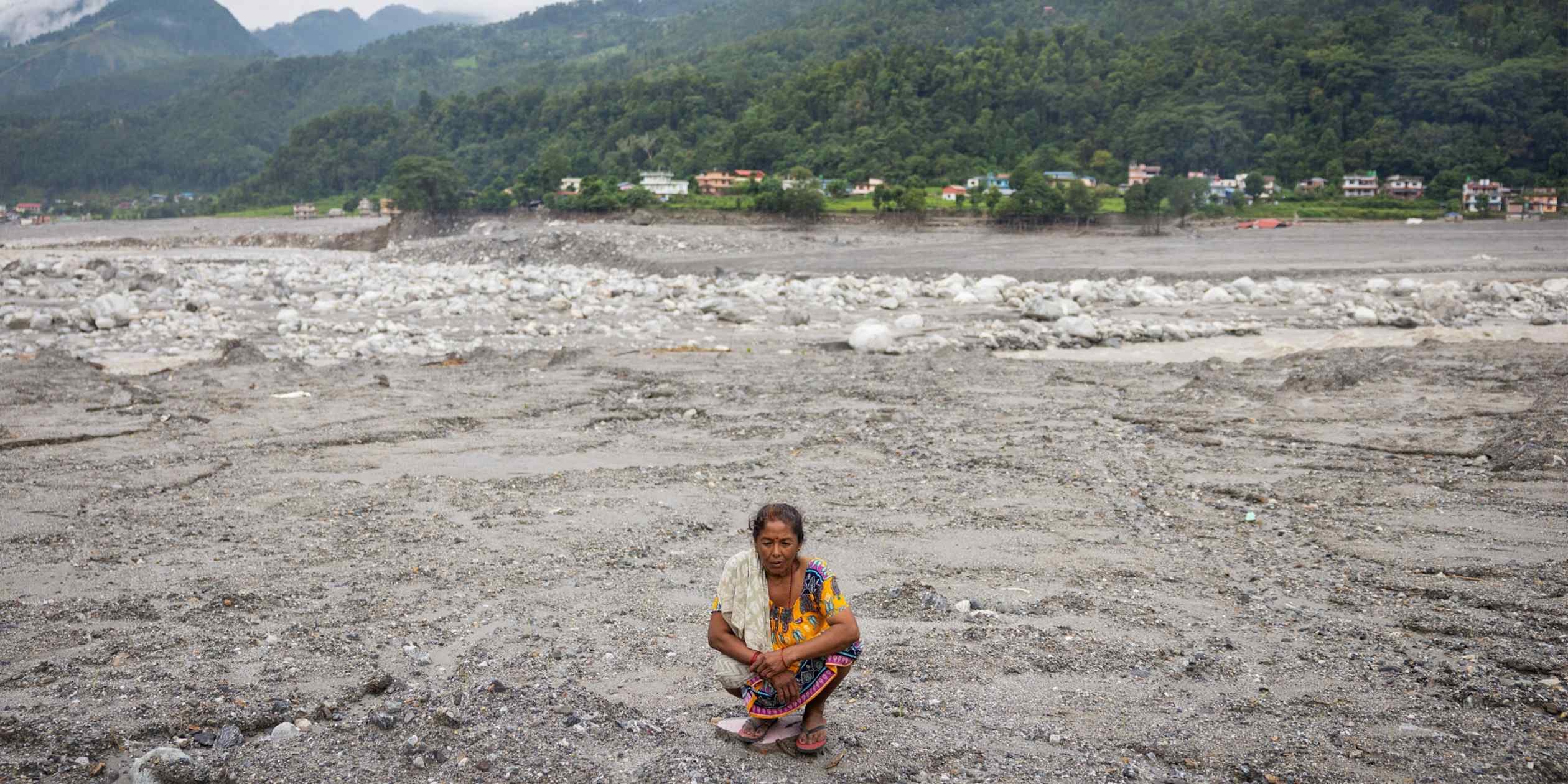
8月下旬,一股由大量水流、泥沙和冰块组成的洪流席卷了尼泊尔与西藏边境附近的多个村庄,吞没了许多民众,还破坏了道路及基础设施。据尼泊尔灾害管理部门统计,这场灾难性洪灾造成的死亡人数已突破1450人。尼泊尔国内有超过6000人失踪,西藏地区也有500多人失联;中国官方媒体证实,西藏已有43人遇难。
In late August, a giant torrent of water, mud, and ice swept away villages, engulfed people and damaged roads and infrastructure near the Nepal-Tibet border. The death toll from devastating floods topped 1,450, according to Nepal's disaster agency. More than 6,000 people were missing in the country, along with more than 500 in Tibet, where Chinese state media confirmed 43 people were killed.
尼泊尔财政部长斯瓦尔尼姆·瓦格尔对路透社表示,该国重建工作可能需要40亿至50亿美元的资金,这一数额相当于尼泊尔国内生产总值的近十分之一。他指出,目前相关损失与破坏情况仍在评估中,预计所需资金将远低于2015年那场严重地震后的重建开支。
Nepal may need $4 billion to $5 billion, close to one-tenth of the country's gross domestic product, to rebuild, Finance Minister Swarnim Wagle told Reuters. He said that losses and damage are being assessed and the Himalayan nation is expected to require much less than what was needed for reconstruction after a devastating earthquake in 2015.
近几十年来,尼泊尔的灾害频发,其中山体滑坡、泥石流和洪水最为常见。灾后情形也几乎一成不变:捐助方承诺提供重建资金,多边贷款机构发放优惠贷款,而加德满都则需在随后十年间为这场原本未被预估到风险的灾害承担债务。但几乎从未有人认真反思过:灾害发生前,保险公司所承担的风险究竟有多小?那些失去家园的家庭并未购买任何保险;那些为如今已被泥沙掩埋的水电站提供贷款的银行,也并未针对此类风险投保。
Disasters in Nepal have increased in recent decades, with landslides, debris flows and floods now the most frequent. The pattern afterward barely changes: donors pledge money for rebuilding, multilateral lenders extend concessional credit and Kathmandu spends the next decade servicing debt for a disaster that went unpriced until it arrived. What almost never happens is an honest reckoning over how little of that risk sat on insurers' books beforehand. The families who lost their homes held no policies. The banks that financed the hydropower stations now buried under silt carried no cover for that exposure.
政府同样没有建立起任何风险转移机制。它只能一次又一次地承担损失,仿佛下一次灾害的代价会与以往有所不同似的。
And the state has built no mechanism to transfer the risk. It simply inherits the loss, again and again, as though the price of the next disaster would somehow differ from the last.
随着发展中国家遭受洪水、风暴及冰川灾害造成的损失日益严重,提升抗灾能力所面临的关键障碍并非气候融资的短缺,而是缺乏能在资金需求出现前对风险进行定价的市场机制——即那些能将未来不确定的潜在损失转化为可预见的、已纳入预算的成本的机制。事后提供的援助往往只是以赠款或贷款的形式出现。诸如保险、再保险以及巨灾债券等事前风险管理工具则要么未被充分利用,要么根本不存在。
As losses from floods, storms and glacial disasters mount across the developing world, the binding constraint on resilience is not a shortage of climate finance. It is the absence of markets that price risk before the money is needed: markets that turn an unknown future liability into a known, budgeted cost. Aid arrives afterward, as a gift or a debt. Ex-ante financial instruments such as insurance, reinsurance and catastrophe bonds are underutilized or absent.
尼泊尔的非人寿保险渗透率(以保费总额占GDP的比重衡量)在亚洲仍处于最低水平,仅为0.74%左右。每当洪水冲毁桥梁或建筑物时,这些损失在相关账目上便暂时“消失”,直至政府或外国贷款方决定承担这些损失为止。尼泊尔极易遭受各类自然灾害侵袭,尤其是洪水、山体滑坡和地震,但其金融层面的风险几乎完全处于无保险状态。
The non-life insurance penetration (measured by gross premiums as a percentage of GDP) in Nepal remains among the lowest in Asia at roughly 0.74%. When a flood washes away a bridge or a building, the loss simply vanishes from any ledger until the government, or a foreign lender, agrees to absorb it. Nepal remains highly prone to a range of natural hazards, particularly floods, landslides and earthquakes, yet its financial exposure remains almost completely uninsured.
9月9日,在尼泊尔努瓦科特县的贝特拉瓦蒂地区,一场致命的突发性洪水与泥石流导致许多男孩流离失所;大雨中,他们纷纷奔向临时避难所里的帐篷。
Boys displaced by deadly flash floods and mudslides, run towards their tent during heavy rain at a temporary shelter on a hill in Betrawati, Nuwakot district, Nepal, on Sept. 9.
优惠贷款并不能替代对风险的有效评估与定价;它们只是将风险问题的“清算”时间推迟而已。灾后发放的贷款终究仍需偿还,而偿还这些贷款的往往是那些收入刚刚受到灾难冲击的政府。尼泊尔在2015年遭受毁灭性地震后借入了大量资金用于重建,至今仍在为这些重建费用买单。每一次新的灾难与重建循环都会进一步增加该国的主权债务负担,但却从未引发一个基本问题:在洪泛区建造桥梁或发电站究竟需要付出多大的代价?
Concessional lending is not a substitute for pricing risk. It postpones the reckoning. Loans taken out after a disaster still have to be repaid, typically by a government whose revenue has just been hit by the catastrophe. Nepal borrowed heavily to rebuild after the devastating 2015 earthquake, and it is still paying for the damage.
这样的决策是否经得起自然灾害的冲击(即这些设施是否真的能够抵御洪水的破坏)?优惠贷款虽然具有“慷慨性”,但其本身并不传递任何市场信号(即无法促使开发商按照更高的标准进行建设,也无法阻止银行向那些位于洪水易发区的项目提供贷款)。
Each new cycle of disaster and reconstruction stacks further onto the country's sovereign debt without ever forcing the fundamental question a private insurer would ask automatically: What is the true cost of anchoring a bridge or a power station in a floodplain, and does that math hold up against the compounding odds of it washing away? Concessional finance is inherently generous, but generosity carries no market signal; it neither prompts a developer to build to higher standards nor deters a bank from lending to a project sitting precariously in a known flood channel.
那些能够对风险进行有效定价的市场,会以援助措施无法实现的方式改变相关行为。AXA XL公司与剑桥大学风险研究中心的研究发现:保险普及率(即非人寿保险保费占一个国家GDP的比例)每提高一个百分点,灾后恢复时间就能缩短近12个月;而在保险普及率极低的国家和地区(如尼泊尔),灾后恢复时间往往需要超过4年。
Markets that price risk change behavior in ways aid does not. Research by AXA XL and Cambridge's Centre for Risk Studies found that each percentage point increase in insurance penetration (non-life premiums divided by a country's GDP) reduces recovery times by almost 12 months. Events in countries with very low insurance penetration like Nepal have a recovery rate of more than 4 years.
人们可能会提出这样的反对意见:在像尼泊尔这样极度贫困的国家,人们根本负担不起保险费用,要求自给自足的农民为自己的房屋投保简直是天方夜谭。这种批评确实有道理,而这正是为什么需要设立诸如“非洲风险能力基金”(African Risk Capacity)或“加勒比风险保险基金”(Caribbean CCRIF)这样的区域性风险应对机制的原因。
The obvious objection is that in a nation as impoverished as Nepal, where premiums are fundamentally unaffordable, expecting a subsistence farmer to insure his home reads like fantasy. That is a valid critique, and it is precisely why regional risk pools like the African Risk Capacity or the Caribbean's CCRIF exist.
这些机制通过利用捐助资金来补贴保险费用,而不是直接用于灾后重建工作,从而在个别家庭无力承担全部费用的情况下,依然能够维持市场应有的价格信号。事实上,气候融资与保险市场完全可以不是相互竞争的对手;但在尼泊尔,这两种机制却仅仅被当作彼此的替代品来使用罢了。
By using donor capital to subsidize premiums rather than fund post-disaster rebuilding efforts, these mechanisms preserve essential market price signals even when individual households cannot carry the full financial freight. Climate finance and insurance markets need not operate as rivals. In Nepal, however, they have functioned merely as substitutes.
尼泊尔与西藏之间的拉苏瓦加迪通道将重新修建,资金很可能来自借贷。这条通道将修建在此前施工失败的那片地质条件极为不稳定的区域。在能够建立某种金融机制来评估此类决策所蕴含的风险之前,尼泊尔仍将不断付出代价,才能真正认清冒险行为的成本。
The Rasuwagadhi crossing between Nepal and Tibet will be built again, likely on borrowed capital, across the very same volatile terrain that just failed. Until a financial mechanism exists to price the peril of that decision before the next glacier gives way, Nepal will continue to discover the true cost of risk.