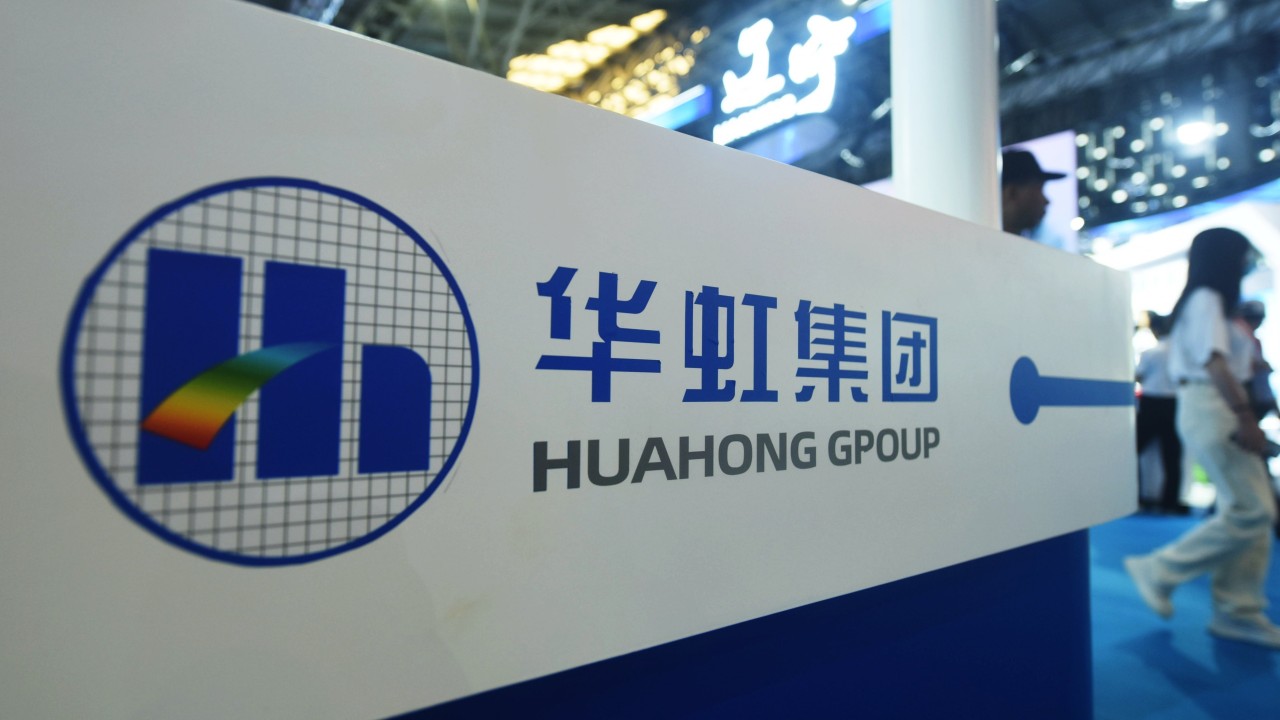
中国官方资金正加大对国内第二大芯片代工企业的扶持力度,向华虹宏力半导体的母公司及一座新建的芯片制造工厂投入数十亿元人民币,以此助力中国实现成熟制程芯片领域的自主可控。
Chinese state funds are ramping up support for the country’s second-largest contract chipmaker, pouring billions of yuan into the parent of Hua Hong Grace Semiconductor and a new manufacturing facility to fuel Beijing’s drive for self-reliance in mature-node chips.
此次大规模注资涉及华虹集团位于上海的母公司以及无锡的芯片制造厂,充分体现出在美国不断收紧对华技术限制的背景下,政府正通过协调各方资金资源,全力扶持本土芯片代工产业发展。
The capital blitz, spanning Hua Hong’s Shanghai-based parent company and a fabrication plant in Wuxi, highlights how government-coordinated financing is doubling down on domestic foundries, as Washington tightens technology restrictions on China.
根据周四发布的证券交易所公告,华虹集团——这家在上海和香港两地上市的芯片企业——的注册资本由原先的135亿元增至197亿元,增幅达62亿元。此次增资主要由国有投资平台上海国盛集团牵头实施。
ed capital of Hua Hong Group, the Shanghai- and Hong Kong-listed chipmaker’s owner, surged to 19.7 billion yuan (US$2.9 billion) from 13.5 billion yuan, according to a stock exchange filing on Thursday. The 6.2 billion yuan injection was led by Shanghai Guosheng Group, a state-backed investment vehicle.
增资完成后,上海国盛集团对华虹集团的直接持股比例将由15.3%升至41.7%,间接持股比例也将从3.8%提升至10.2%。
Following the transaction, Guosheng’s direct stake in Hua Hong Group would jump to 41.7 per cent from 15.3 per cent, while its indirect holding would rise to 10.2 per cent from 3.8 per cent.
上海市国有资产监督管理委员会作为地方国有资产监管机构,也向华虹集团注资1970万元,继续维持其作为华虹集团最终实际控制人的地位。
The Shanghai State-owned Assets Supervision and Administration Commission – the local state-assets regulator – also injected 19.7 million yuan, maintaining its role as Hua Hong Group’s ultimate actual controller.
由于无法从美国获得包括极紫外光刻机在内的先进芯片制造设备,中国政府正通过投入大量资金,着力推动国内企业在传统及成熟制程半导体领域的突破。所谓成熟制程芯片,通常指采用28纳米及以上工艺技术生产的芯片。
Blocked by the US from acquiring the most advanced chipmaking equipment, including extreme ultraviolet lithography systems, Beijing has channelled state funds towards dominating legacy and mature-node semiconductors, generally defined as chips made using 28-nanometre process technology and above.
尽管这类传统芯片的技术水平不及最先进的人工智能处理器,但它们在电动汽车、工业自动化、物联网设备以及各类消费电子产品的生产中依然发挥着不可或缺的作用。
While less sophisticated than cutting-edge artificial intelligence processors, legacy chips remain essential for electric vehicles, industrial automation, Internet of Things devices and consumer electronics.
华虹集团正在加快其在中国江苏省无锡市的第三座晶圆厂项目建设。据中国企业数据库天眼查显示,本月负责管理该晶圆厂的合资企业注册资本从原先的668万元人民币大幅增至41.7亿美元,增幅超过4000倍。
Hua Hong has accelerated investment in its third fab project in Wuxi, in China’s eastern province of Jiangsu.ed capital at the joint venture managing the fab skyrocketed to US$4.17 billion from 6.68 million yuan earlier this month – an over 4,000-fold increase – according to Chinese corporate database Tianyancha.
这家合资企业吸引了多家国有资本参与投资,其中包括被称为“大基金”的国家集成电路产业投资基金以及地方政府资金。
The venture has drawn major state investors, including the National Integrated Circuit Industry Investment Fund – known as the “Big Fund” – alongside local government capital.
此前在9月份,华虹集团已向该项目注资20亿美元。目前华虹集团及其上海子公司合计持有该合资企业51%的控股权,其余股份则由各国有背景的投资方持有。
The move follows a fundraising round in September, when Hua Hong invested US$2 billion in the facility. Hua Hong and its Shanghai subsidiary hold a combined 51 per cent controlling stake, with the remaining stake held by state-backed investors.
这座被命名为“9B晶圆厂”的工厂于今年3月动工。据华虹集团介绍,该厂将主要生产用于功率器件、模拟芯片及嵌入式存储的特殊技术芯片。
Construction of the facility, known as Fab 9B, began in March. It would focus on specialty technology chips used in power devices, analog chips and embedded storage, according to Hua Hong.
待全面投产后,9B晶圆厂每月可新增5.5万片晶圆产能,使华虹在无锡地区的整体产能提升约30%。
Once fully operational, Fab 9B would add 55,000 wafers to Hua Hong’s monthly production capacity, expanding its total Wuxi capacity by roughly 30 per cent.
在5月份的财报电话会议上,华虹集团董事长兼总裁白鹏表示,美国实施的出口管制措施“并未对无锡项目的设备采购产生任何影响”。
During an earnings call in May, Hua Hong chairman and president Bai Peng said the company “did not see any impact” from US export controls on equipment procurement for the Wuxi project.
周五,华虹集团在香港上市的股价下跌1.1%,收于94.55港元,与中国其他半导体企业股价普遍走低的趋势相符。
Hua Hong’s Hong Kong-listed shares fell 1.1 per cent to HK$94.55 on Friday, tracking a broader pullback across Chinese semiconductor stocks.