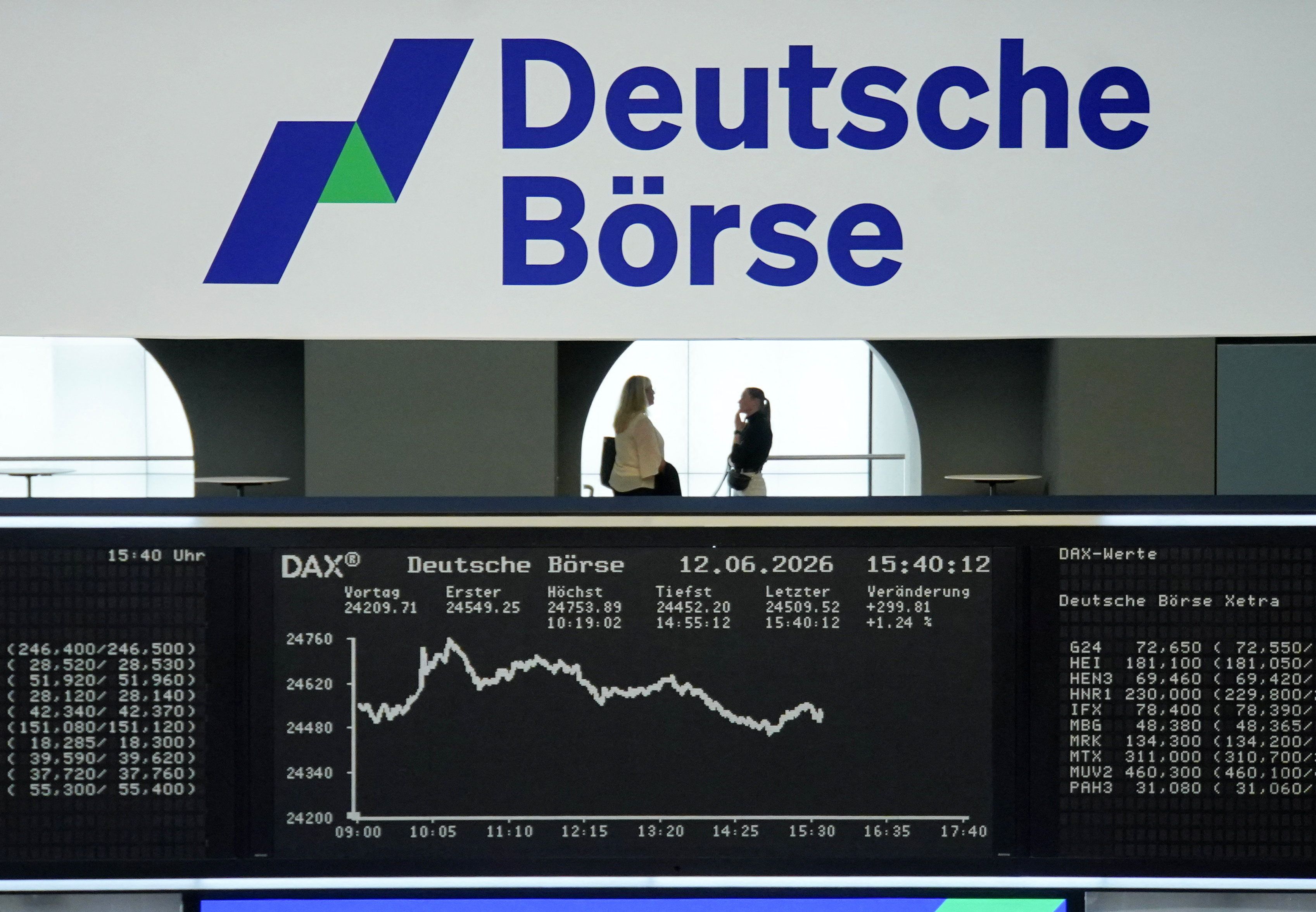
作为欧洲最大经济体,德国上调了经济增长预期,这在当前区域经济形势堪忧的背景下堪称难得的积极信号。
Germany, Europe’s biggest economy, raised its growth forecast, a rare bright spot as regional economic worries abound.
德国政府预计今年国内生产总值将增长1.3%,2027年也将保持相近增速。这一水平在全球范围内虽不算突出,但较原先预期有了显著提升;同时伊朗战争对德国经济的影响也低于预期。
Berlin anticipates GDP will expand by 1.3% this year and a similar rate in 2027 — lackluster by global standards, but nonetheless significantly up from previous estimates, with the Iran war taking less of a toll than expected.
然而欧盟其他地区的情况则不容乐观:法国10年期国债收益率升至数十年来的高位,诺贝尔经济学奖得主保罗·克鲁格曼指出,这引发了市场担忧——法国可能已从“大而不能倒”的状态转变为“大而无法救助”。
Elsewhere in the EU, the news was less upbeat: France’s 10-year bond yields climbed to highs not seen in decades, raising worries that Paris “may have crossed the line from too big to fail to too big to save,” the Nobel Prize-winning economist Paul Krugman wrote.
政治局势的不确定性还导致欧元连续第五周走低,欧洲金融市场整体表现惨淡。— 赫罗尼莫·冈萨雷斯
Political uncertainty pushed the euro toward its fifth weekly fall, capping a dismal run for European financial markets. — Jeronimo Gonzalez