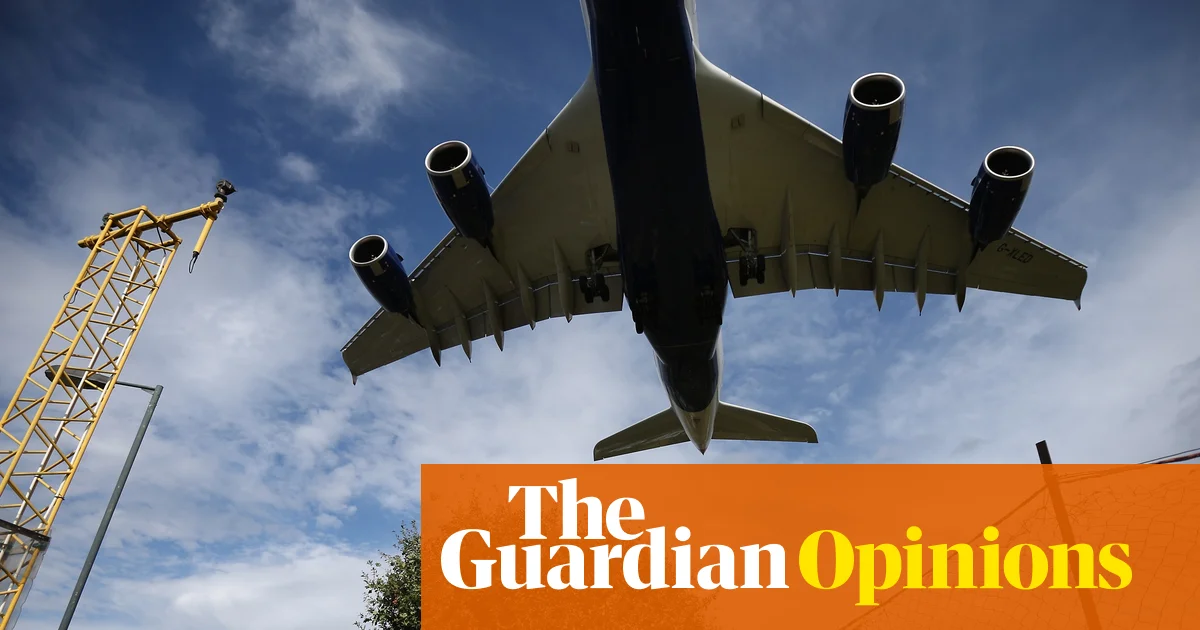
基础设施问题总能让政客们激动不已。一旦提议增加医疗经费或重新开放青少年活动中心,立刻会招来一片反对之声——“我们负担得起吗?”可一旦提到基础设施建设,众人便欢呼雀跃。这个词仿佛自带魅力,能激发人们的豪情壮志与对“经济增长”的憧憬,理性思考则全然被抛诸脑后。
Infrastructure sends politicians berserk. Propose more money for the health service or reopening youth clubs and frowns break out all round. Can we afford it? But shout infrastructure and cheers go up. The word suggests glamour, chest-beating and “growth”. Reason flies out of the window.
希思罗机场第三条跑道的建设计划简直令人难以置信。一家外资控股的私人企业企图通过开发位于伦敦西部的这片寸土寸金的场地来牟取更多利润。各航空公司对此持怀疑态度,而乘客们则不得不支付全欧洲最高的机场附加费。与此同时,与其相邻的盖特威克机场周边大片空地闲置未用,伦敦第三大机场斯坦斯特德机场的运力也远未得到充分利用。
The saga of Heathrow’s third runway beggars belief. A foreign-owned private company wants to make more money out of its cramped west London investment. The airlines are sceptical and passengers will have to pay surcharges higher than any in Europe. Meanwhile fields lie empty round its rival, Gatwick, and capacity at London’s third airport, Stansted, is underused.

修建第三条跑道简直是一场噩梦。目前官方估算的建设成本已高达490亿英镑,而希思罗机场扩建及后续运营所需的资金总额恐怕会突破1000亿英镑。其中相当一部分最终将由纳税人承担。这一提案已争论了20年,启用日期也一再推迟:原本定在2035年,后改为2039年,如今恐怕连2045年都难以保证。
The third runway is a nightmare. The official price tag is now a staggering £49bn but the overall budget for Heathrow’s expansion and operating expenditure could soar beyond £100bn. An unknown proportion of this will fall on the taxpayer. The proposal has been debated for 20 years and the opening constantly postponed. A date of 2035 has now become 2039. I would not take bets on 2045.
60年前,英国政府一致认定:在人口密集的伦敦西部,让本就拥挤不堪且污染严重的希思罗机场继续扩张实属不妥;扩建后的盖特威克机场也远远无法满足需求。于是各方开始讨论新建第三座机场的选址问题。泰晤士河口、卡布林顿以及斯坦斯特德等地都曾被列入考察范围,最终斯坦斯特德胜出。那里原本就设有皇家空军基地,且能很好地满足伦敦东部地区日益增长的航空需求。斯坦斯特德机场于1991年正式启用。
Sixty years ago, the British government agreed it was totally inappropriate for crowded and polluted Heathrow to expand in densely populated west London. Nor could an expanded Gatwick meet demand. The debate was over where to locate a new third airport. Sites in the Thames estuary and at Cublington and Stansted were researched. Stansted won. It already had an RAF base and it would service the expected growth in demand from London’s growing eastern reaches. Stansted opened in 1991.
保守党政府将伦敦的机场私有化。这一举措使得原本应当有序进行的扩建工程变成了各竞争方相互争斗的战场。各个机场的发展不再以有序扩张为目标,而是沦为谋取短期利润、争夺航空公司起降时刻以及任用一批缺乏专业素养的官员的手段。各类委员会层出不穷,却都受那些薪酬丰厚的游说者操控。商人苏林德·阿罗拉提议在希思罗机场现有区域内修建新跑道,但该提议因被认为不够大胆而被置之不理。
The Tories privatised London’s airports. This turned what should have been a planned expansion into a battleground of feuding rivals. Each airport became a matter not of orderly growth but of quick profits, self-serving airline slots and a shifting army of amateur officials. Commissions came and went, in the grip of overpaid lobbyists. A Heathrow runway proposed by businessman Surinder Arora within the existing airport curtilage was brushed aside as insufficiently bold.
至于斯坦斯特德机场,则被曼彻斯特机场收购,如今几乎不再被视为修建第三条跑道的备选方案。
As for Stansted, it was taken over by Manchester airport and is now hardly mentioned as an alternative to a third runway.
机场管理部门不断宣称其发展关乎“商业”因而对“经济增长”至关重要,仿佛它是安迪·伯纳姆推动英国再工业化计划的一部分。希思罗机场声称新跑道将创造10万个就业岗位。然而,仅有不到15%的航空旅客自称是“因公出行”;况且视频会议技术本应大幅减少商务航空出行的需求,如今这一趋势又如何体现呢?至于希思罗机场自称是英国最主要的货运机场——“承载了英国四分之一的贸易额”——这一说法其实荒谬至极:其统计数据仅基于黄金的价值计算,而黄金恰恰占到了该机场运输货物总量的60%左右。银行运输黄金与经济增长之间究竟有何关联,实在令人费解。
Airport public relations endlessly suggests it is about “business” and therefore relevant to “growth”, as if it were part of Andy Burnham’s re-industrialisation of Britain. Heathrow claims its new runway will create 100,000 jobs. But fewer than 15% of air travellers claim to be “on business”, and whatever happened to video conferencing reducing the need for intensive business air travel? As for Heathrow’s claim to be Britain’s leading cargo airport – “a quarter of all UK trade by value” – that is based, ludicrously, on the value of the gold ingots that form roughly 60% of the goods it transports. What banks shifting bullion has to do with growth is unclear.
如今的希思罗机场项目与HS2高铁项目有着惊人的相似之处:就连其预算上限均为1000亿英镑。这两个项目都因规划周期过长、预算制定过程过度依赖咨询机构而饱受诟病;在这些项目中,各承包商均能从成本上涨中谋取自身利益。第三个类似案例便是欣克利角核电站项目,目前其建设成本已攀升至500亿英镑以上。英国国家审计署对这两条工程均提出了严厉批评。
Heathrow now has eerie echoes of HS2. Even its upper cost limit of £100bn is much the same. Both are plagued by extravagant planning horizons and consultancy-driven budgets in which each contractor has a vested interest in cost inflation. A third similar project is Hinkley Point nuclear power station, its cost currently rising through £50bn. Both the railway and the power station have been savaged by the National Audit Office.
这些项目普遍被视为毫无实际效益的政治工程,且短期内难以完工;不过鲜有人敢公开直言。另外值得留意的是,新建一家综合医院需耗资10亿英镑,这一数额也足以重建50所中学。
These projects are widely considered political white elephants and years from completion. Few dare say so. Meanwhile we should note that a new general hospital costs £1bn, as would rebuilding 50 secondary schools.
令人震惊的巨额资金正在流向伦敦和英格兰南部。这些资金源于鲍里斯·约翰逊的“平衡发展”时代以及伯纳姆向北倾斜的政策,这实在令人匪夷所思。本周,与会的政治家们列举了各种削减开支的方案:这里削减学生交流项目50万英镑,那里削减准政府机构10亿英镑。然而,没有人提到,在未来十年里,约翰·希利的财政部每年将花费约70亿英镑,仅仅为了缓解从伦敦到伯明翰列车的过度拥挤。这笔钱几乎占他铁路总投资的70%。
Stupefying sums are here being channelled into London and the south of England. That they have been born of the age of Boris Johnson’s “levelling up” and Burnham’s tilt to the north is bizarre. This week, conference politicians have cited budgets with endless savings: half a million off student exchanges here, a billion off quangos there. Yet no one mentioned that every year for the next decade John Healey’s Treasury will blow about £7bn just to relieve overcrowding on trains from London to Birmingham. This is almost 70% of his total rail investment.
事实是,大型基础设施项目既宏伟又引人注目。没有人会吹嘘自己建了一家养老院,而更可能炫耀自己建造了一列豪华列车或一座核电站。帕金森定律指出,企业那些小额支出往往会被争论数小时,而大额支出却往往轻描淡写地通过。它们规模太大,难以核查,也更容易被推动。
The fact is that big infrastructure is monumental and sexy. No one boasts about building a care home, rather a fancy train or a nuclear power plant. One of Parkinson’s laws states that, while tiny items of corporate spending are debated for hours, big ones go through on the nod. They are too big to check and easy to promote.
政府在未来二十年内耗费巨资改造希思罗机场、拆除M4走廊,只为让一群外国投资者获利,这实在荒谬。而一个简单的替代方案,就是扩建盖特威克机场和斯坦斯特德机场。这场争论的核心其实是旅游业,而游客当然可以忍受使用另外两个机场带来的轻微不便——这正是半个世纪前所设想的情况。
It is absurd for the government to spend the next two decades upheaving Heathrow and tearing apart the M4 corridor for the profit of a band of foreign investors, when a simple alternative lies in growing Gatwick and Stansted. This whole debate is about tourism, and tourists can surely suffer the mild inconvenience of using the other two venues, as was intended half a century ago.
我们其他人——尤其是政治家们——应该意识到,这涉及的是巨额资金,而这些资金应当被用于真正重要的用途。西蒙·詹金斯是《卫报》的专栏作家。
The rest of us – politicians not least – should realise that this is serious money. There are serious uses to which it should be put. Simon Jenkins is a Guardian columnist