
罗伯特·祖布林认为,殖民太空可能拯救人类。他的理论建立在对美国历史的一种有争议的解读之上。作者:雅各布·米卡诺夫斯基。国际太空发展会议(ISDC)是一年一度的行星际企业家盛会。它吸引着航天工业专业人士、NASA研究员、火箭发射狂热爱好者、年轻梦想家,以及任何希望有一天在地球以外的定居点生活——或至少从中获利——的人。
Robert Zubrin thinks colonising space could save humanity. His theories rest on a controversial reading of American history By Jacob Mikanowski The International Space Development Conference (ISDC) is an annual jamboree for interplanetary entrepreneurs. It draws space-industry professionals, NASA researchers, rocket-launch obsessives, young dreamers and anyone else hoping one day to live in—or at least profit from—settlements beyond Earth.
去年,会议在佛罗里达州奥兰多举行,地点是一处夹在海洋世界和环球影城主题公园之间的会议中心。人群涌向售卖脱水“太空莎莎酱”和佛罗里达“太空海岸”导览游的展商摊位——这片海岸线包括卡纳维拉尔角和肯尼迪航天中心。一位宇航员在为他出版的一本儿童读物签名。
Last year it took place in Orlando, Florida, in a convention centre sandwiched between Sea World and the Universal theme park. Crowds flocked around vendors peddling dehydrated “space salsa” and guided tours of Florida’s “Space Coast”, the stretch of shoreline that includes Cape Canaveral and the Kennedy Space Centre. An astronaut signed copies of his children’s book.
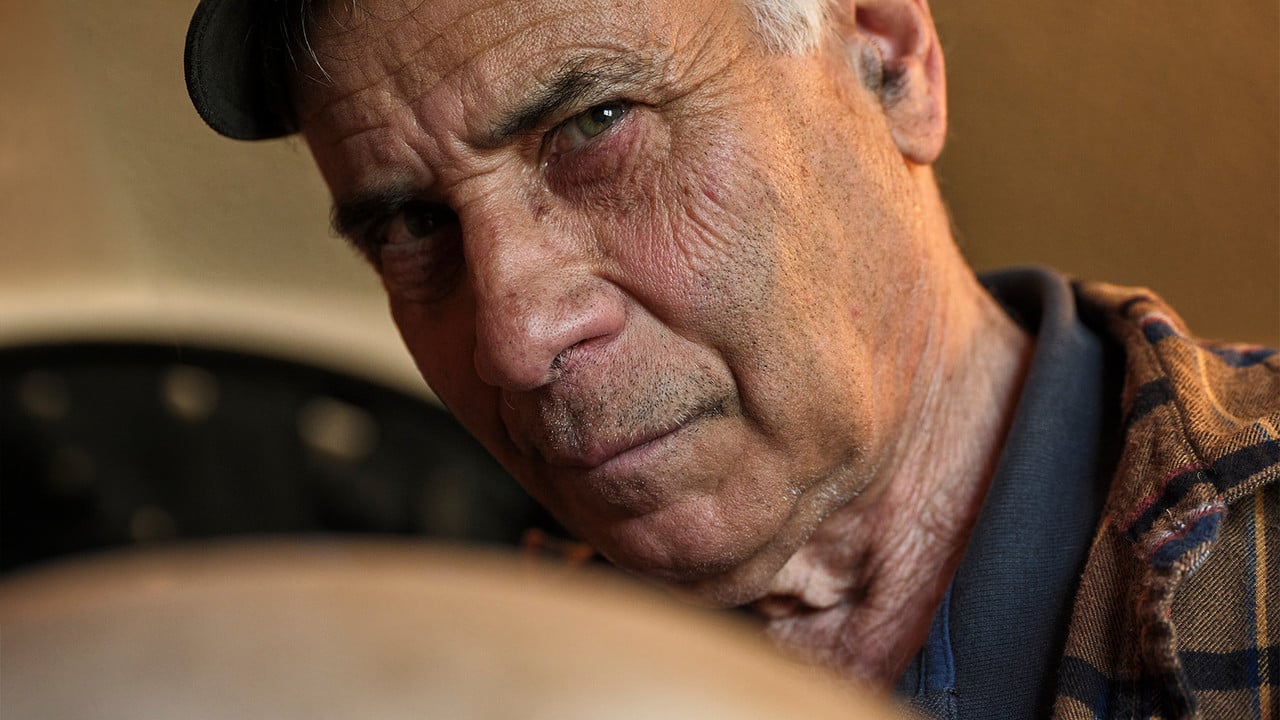
在一张桌子旁坐着罗伯特·祖布林——三十多年来,他一直是最坚定主张殖民火星的人物之一。时年73岁的祖布林,身穿皱巴巴的夹克,头戴他标志性的黑色帽子,在那里为他最新著作《火星上的新世界》签名。但他的摊位前人流寥寥,只有一位退休的NASA工程师想跟他闲聊几句,聊聊埃隆·马斯克和杰夫·贝索斯各自的航天器,以及“与中国人争夺在月球上建基地的竞赛”。
At one table sat Robert Zubrin, the man who has for more than three decades been one of the most forceful proponents for colonising Mars. Zubrin, then 73, in a rumpled jacket and his signature black cap, was there to sign copies of his latest book, “The New World on Mars”. But his stall wasn’t getting much footfall, save for a retired NASA engineer who wanted to shoot the breeze about Elon Musk’s and Jeff Bezos’s rival spacecraft and the “race with the Chinese to build a base on the Moon”.
尽管在管理美国太空计划的庞大联邦官僚机构中没有任何官方职位,在如今推动新一轮太空竞赛的亿万富翁中也几乎没有公众知名度,祖布林却可以被视为人类下一次大规模进军太阳系的知识架构师。在过去三十年间的一系列著作中,他阐述了许多航天业内人士认为是将人类送往这颗红色星球最具说服力的愿景之一。
Despite having no official position in the vast federal bureaucracy that oversees America’s space programme, and little of the public profile of the billionaires now driving the new space race, Zubrin could be considered the intellectual architect of the next great push into the solar system. In a series of books over the past three decades, he has laid out what many in the space industry regard as one of the most compelling visions for sending humans to the Red Planet.
祖布林是一名受过专业训练的工程师,这一点从他的文字中便可看出:他的文章充斥着各类技术细节,从各种火箭燃料配比下的质量与推力比,到脱离小行星及行星引力所需的速度变化值,无一不有详尽描述。不过他的著作中也贯穿着一种更为宏大的理念:殖民火星对人类进步至关重要。想要大力推动技术创新?想要挽救民主制度?想要终结战争?无论哪种情况,祖布林给出的答案都是:去火星。
Zubrin is an engineer by training and it shows: his prose is dense with technical minutiae, from the precise mass-to-thrust ratios of different rocket-fuel mixtures to the velocity changes required to escape the gravitational pull of asteroids and planets. But his books are also infused with a broader philosophy: that settling Mars is essential to human progress. Want to supercharge technological innovation? Save democracy? End war? Zubrin’s answer, in one form or another, is to go to Mars. Want to supercharge technological innovation? Save democracy?
虽然祖布林与马斯克都志在抵达同一目的地,但对于该由谁来主导这一事业却各执己见。祖布林承认,近年来航天领域的诸多进展确实源于私营部门,但他认为火星任务理应由政府牵头,而像马斯克这样的企业家则可在其中参与竞争、助力任务实现。尽管祖布林对美国国家航空航天局颇有微词——他认为该机构深受利益输送政治的影响,且对航空航天承包商亦多有迁就——但在国际太空开发大会上与我见面时,他仍强调:火星计划“必须是一项美国的国家计划,而非埃隆·马斯克的个人爱好”。
End war? Zubrin’s answer, in one form or another, is to go to Mars Although Zubrin and Musk want to get to the same destination, they disagree over who should be in the cockpit. Zubrin acknowledges that much of the recent progress in spaceflight has come from the private sector, but believes that a mission to Mars should be led by the government, with entrepreneurs like Musk competing to make it happen. Despite his ambivalence towards NASA, which he sees as compromised by pork-barrel politics and its deference to aerospace contractors, Zubrin told me when we met at ISDC that Mars “has to be an American programme, not an Elon Musk hobbyhorse”.
2025年6月,我们在奥兰多进行了交谈,这也是此后一年里我与祖布林多次对话的开端。那段时期,美国的载人航天计划似乎一直处于反复变动之中。在我们初次见面几个月前,马斯克牵头成立的“政府效率部”大力削减了NASA的各项项目经费。“他们正在把整个太空科学界都变成自己的敌人,”祖布林以他一贯直率粗犷的口吻对我说道,“而大家都在议论什么呢?都说我们的航天计划正遭到破坏,就为了让那个该死的邦德电影反派能带着他那艘巨型飞船飞往火星。”
Our conversation in Orlando, in June 2025, was the first of a series I had with Zubrin over the following year, during which America’s crewed spaceflight programme seemed to be in continual flux. A few months before we first met, Musk’s cost-cutting operation, the Department of Government Efficiency, had made heavy cuts to NASA’s programmes. “They’re making enemies of the space-science community,” Zubrin told me in his typically gruff, forthright manner. “And guess what people are saying…[that] we’re having our programme wrecked so that this fucking Bond villain can run off with his giant spaceship to Mars.”
祖布林对于自己梦想的实现始终抱着悲观态度。1961年,肯尼迪宣布实施登月计划后,举国上下一片欢腾,人类征服太空似乎已指日可待。但在祖布林看来,政治意愿的缺失让这一切化为泡影。“我们原本计划在1970年登上月球,80年代初抵达火星,2000年就能到达半人马座阿尔法星——那是离太阳最近的恒星系统,”他说道,“照理说,现在第一批从火星高中毕业的孩子都该出现了。”
Zubrin was reflexively pessimistic about the prospect of his dream being realised. In the wave of excitement that followed John F. Kennedy’s announcement of the Moon programme in 1961, the human conquest of space seemed almost inevitable. But, in Zubrin’s view, a lack of political will put paid to that. “We were going to reach the Moon by 1970, Mars by the early 1980s, and Alpha Centauri [the closest star system to the Sun] by the year 2000,” he said. “Right now, we should have the first kids graduating high school on Mars.”
然而几个月后我再次与他交谈时,祖布林却显得充满希望。此前马斯克力荐的私人宇航员兼企业家贾里德·艾萨克曼,在化解了马斯克与唐纳德·特朗普之间的分歧后,最终顺利出任NASA局长。祖布林认为艾萨克曼是“一个合适的人选”。或许历经多年波折之后,人类探索火星的征程终于重新提上日程。
Yet when I spoke to him again a few months later, Zubrin sounded hopeful. Jared Isaacman, the private astronaut and entrepreneur whom Musk had backed to run NASA, had survived a falling-out between Musk and Donald Trump and was eventually confirmed as the agency’s administrator. Zubrin thought Isaacman “a good appointment”. Perhaps, after all these years, the quest for the Red Planet was back on the agenda.
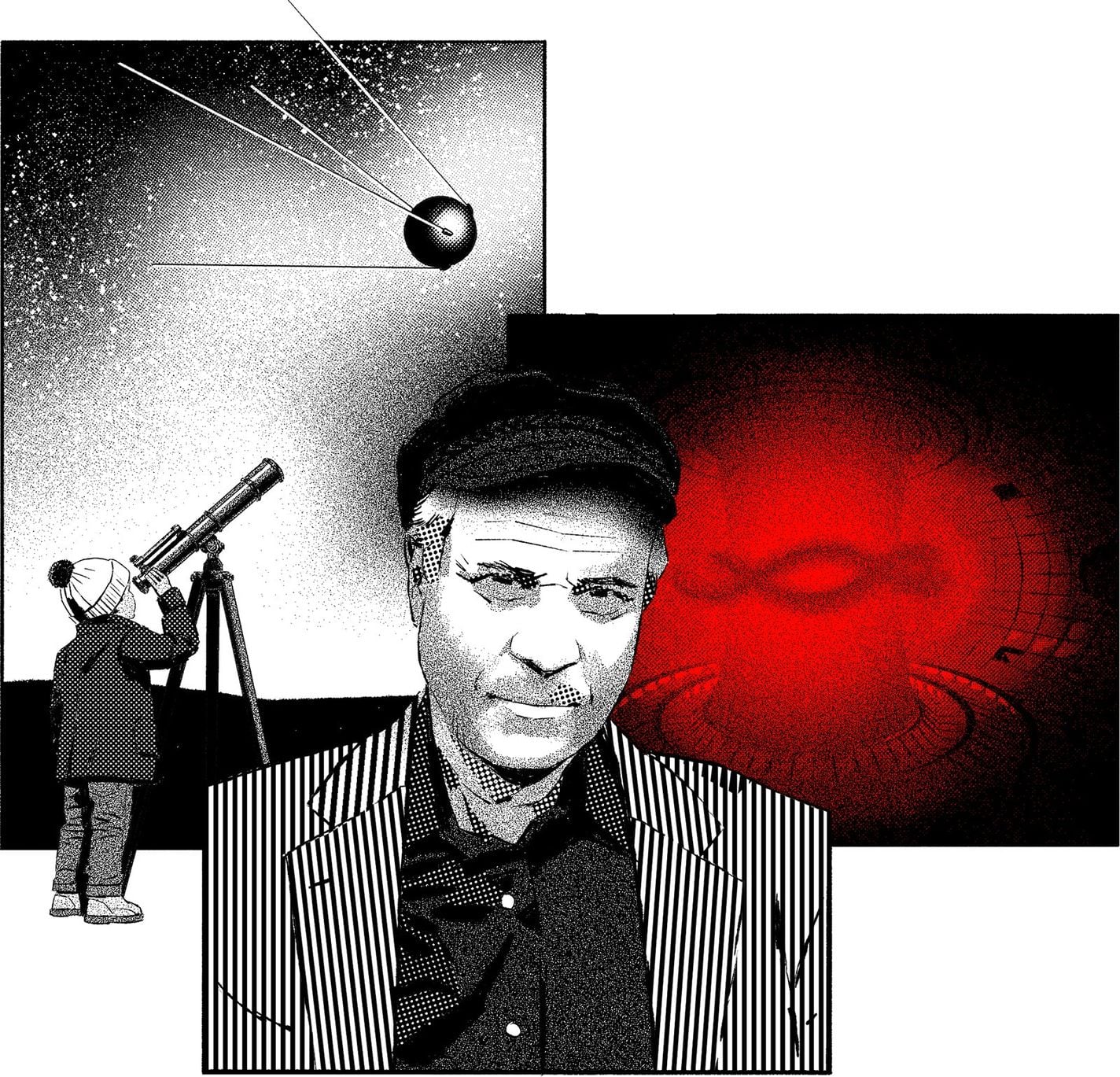
1957年,苏联发射了世界上第一颗人造卫星“斯普特尼克”,当时年仅五岁的祖布林正住在布鲁克林。这一消息令整个美国震惊不已,也让太空竞赛迅速成为举国关注的焦点。在他六岁生日那天,父亲送给他一台望远镜。从那时起,他便立志要生活在群星之间。
Zubrin was five years old and living in Brooklyn when the Soviet Union launched Sputnik, the world’s first artificial satellite, in 1957. The news shocked America and turned the space race into a national obsession. For Zubrin’s sixth birthday, his father bought him a telescope. From then on, he dreamt of living among the stars.
在等待人类向太阳系各处拓展之际,祖布林将精力投入到国际象棋中,并成为了一名少年天才。1969年,他正在列宁格勒参加一场国际象棋锦标赛,当时他目睹了阿波罗11号登月的全过程。当尼尔·阿姆斯特朗走出登月舱时,显然美国已经取得了胜利。“我认识的所有俄罗斯人都惊叹不已、兴奋至极,”祖布林回忆道,“你们是怎么做到的?这怎么可能实现?这件事本身就说明了一个道理:自由的人们能够成就伟业。”
While waiting for humanity to expand across the solar system, Zubrin channelled his energies into chess, becoming a teenage prodigy. In 1969 he watched the Apollo 11 Moon landing from Leningrad, where he was competing in an international chess tournament. As Neil Armstrong stepped out of the landing craft, it was clear America had won. “All the Russians I knew were just amazed and thrilled,” recalled Zubrin. “How did you do this? How is this possible? It made a point. This is something free people can do.”
“现在人们都在说,我们的航天计划正遭到破坏,就为了让那个该死的邦德电影反派能驾驶巨型宇宙飞船逃往火星。”冷战时期的政治议题始终是祖布林家餐桌上的常谈话题。他的父亲是俄罗斯犹太人的后裔,属于中间派;母亲则出身于匈牙利犹太家庭,曾是一名共产党员。直到1939年,她都隶属于共产党,后因苏联与德国签订《苏德互不侵犯条约》、约定瓜分东欧而退党。不过她始终是一名左翼活动家。学生时代的祖布林曾参与反越战运动,到了里根执政时期则逐渐转向右翼立场。
“People are saying we’re having our programme wrecked so that this fucking Bond villain can run off with his giant spaceship to Mars” The politics of the cold war were never far from the Zubrin family dinner table. His father, descended from Russian Jews, was a centrist; his mother, from a Hungarian Jewish family, had been a communist. She belonged to the party until 1939, when she quit over the Molotov-Ribbentrop pact, whereby Stalin and Hitler agreed to carve up eastern Europe. But she remained a left-wing activist. Zubrin himself joined the anti-Vietnam-war movement as a student, before swinging rightward during the Reagan years.
祖布林先在罗切斯特大学学习数学,随后又在华盛顿大学攻读核工程与航空学研究生。20世纪80年代初对工程师而言是个激动人心的时期:受此前十年能源危机的影响,科学家们正积极寻找化石燃料的替代品。为太阳提供能量的核聚变反应尤其被视为极具前景的技术。1980年美国国会通过法案,决定力争在90年代初验证核聚变技术的可行性。
Zubrin studied maths at the University of Rochester, then pursued graduate studies in nuclear engineering and aeronautics at the University of Washington. The early 1980s were an exciting time to be an engineer. Scientists were searching for alternatives to fossil fuels, spurred on by the energy crisis of the previous decade. Nuclear fusion, the reaction that powers the Sun, seemed especially promising. An act of Congress in 1980 committed America to trying to demonstrate the viability of nuclear fusion by the early 1990s.
1985年夏天,祖布林在新墨西哥州的洛斯阿拉莫斯国家实验室工作,协助研发球形聚变反应堆——这种装置有望成为传统环形托卡马克装置的一种更高效替代品。他对那段经历记忆犹新:“核聚变是另一片尚未被开拓的领域,意味着取之不尽的能源。读研究生时,我就认为核聚变将是我职业生涯中最值得为之奋斗的事业。”不过,很快他便对该领域进展缓慢的状况感到沮丧。在他看来,部分原因在于国际研究项目的整合,这削弱了不同研究路径的科学家之间的竞争。
Zubrin spent the summer of 1985 at Los Alamos National Laboratory in New Mexico, helping to develop spherical fusion reactors, a potentially more efficient alternative to the conventional doughnut-shaped tokamak. He remembers being captivated by the work: “Fusion was another open frontier, limitless energy. In grad school, I thought nuclear fusion would be the greatest thing to happen in my working life.”But Zubrin soon became frustrated with the lack of progress in the field. In his view, this was partly a consequence of the consolidation of international research programmes, which reduced competition between the scientists investigating different approaches.
随后,他的注意力逐渐转向了另一个前沿领域。1981年起,一群太空科学家开始在科罗拉多州博尔德市举办名为“火星之辩”的系列会议,旨在重新激发公众与科学界对这颗红色星球的兴趣。自1976年“维京计划”派出的两艘探测器均未发现火星上存在生命的确凿证据后,人们对火星的关注度便逐渐下降。1987年,祖布林参加了第三届“火星之辩”会议,此次会议吸引了逾1000名与会者,演讲嘉宾包括著名天文学家卡尔·萨根以及前NASA局长詹姆斯·弗莱彻。
He found his attention increasingly drawn to another frontier. In 1981 a group of space scientists had begun holding conferences in Boulder, Colorado, called “The Case for Mars”. Their aim was to rekindle public and scientific interest in the Red Planet, which had waned since 1976, when two robotic missions, both part of the Viking programme, found no clear evidence of life there. Zubrin attended the third conference, in 1987, which attracted more than 1,000 participants and featured speakers including Carl Sagan, a celebrity astronomer, and James Fletcher, the former head of NASA.
这次会议令祖布林备受鼓舞,他认定从事火星探索工作能赋予自己“比以往职业生涯中更多的创作自由”。于是,他将自己的简历交给了马丁·玛丽埃塔公司的经理本·克拉克——这家航空航天企业正是“维京计划”探测器的制造方。
Zubrin was energised by the conference, deciding that working on Mars exploration would offer “much more creative freedom” than he had encountered in his career to date. He handed his resumé to Ben Clark, a manager at Martin Marietta, the aerospace company that had made the Viking spacecraft.
一年后,祖布林顺利入职马丁·玛丽埃塔,负责星际任务的设计工作。这家公司后来与竞争对手洛克希德合并,组建成了洛克希德·马丁公司。祖布林与身为科学教师的妻子霍普一同搬到了科罗拉多州,在落基山脉的山麓地带安家。他们的女儿瑞秋于1992年出生。
A year later, Zubrin had a job at Martin Marietta, working on the design of interplanetary missions. The company (which later merged with its competitor, Lockheed, to form Lockheed Martin) was based in Colorado, and Zubrin moved with his wife, Hope, a science teacher, to a house in the foothills of the Rocky Mountains. Their daughter, Rachel, was born in 1992.
在忙于日常工作之余,祖布林如饥似渴地阅读各类书籍,内容多关于他定居的城镇——戈尔登的历史。该镇以19世纪的淘金者托马斯·戈尔登的名字命名。其中给他留下深刻印象的一本书是沃尔特·普雷斯科特·韦伯于1952年出版的《伟大的边疆》。作为美国历史学家,韦伯在另一位美国史学家弗雷德里克·杰克逊·特纳于1893年提出的“边疆论”基础上进一步展开论述。
When he wasn’t plugging away at his day job, Zubrin devoured books about the history of his adopted town, Golden, named after Thomas Golden, an aptly named 19th-century prospector. A title that made a particular impression was “The Great Frontier” by Walter Prescott Webb, published in 1952. Webb, an American historian, built on the “frontier thesis” put forward by another American historian, Frederick Jackson Turner, in 1893.
特纳认为,开拓美国广袤边疆的经历孕育出了一种崇尚个人主义、自力更生与平等主义的文化。韦伯则在此基础上指出,美洲的发现使欧洲人得以获取大量土地与自然资源,从而彻底改变了西方文明;由此引发的经济繁荣不仅推动了资本主义发展,还催生了民主制度。
Turner argued that the experience of settling America’s wild frontier fostered a distinctive culture of individualism, self-reliance and egalitarianism. Webb built on the idea, arguing that the discovery of the Americas had transformed Western civilisation by giving Europeans access to vast quantities of land and natural resources. The resulting economic boom, he believed, developed capitalism and “mothered” democracy.
整个20世纪,“边疆论”一直影响着美国人对本国历史的认知。不过随着历史学家们愈发关注原住民所遭受的暴力侵害,以及联邦政府在美国西部所发挥的重要作用——从修建军事要塞到发动长期军事行动——特纳的理论逐渐失势。
For much of the 20th century, the “frontier thesis” shaped how Americans were taught about their country’s history. But Turner’s ideas gradually fell out of favour, as historians emphasised the violence inflicted on indigenous Americans and the substantial role played by the federal government in the American West, from army forts to prolonged military campaigns.
今年8月,祖布林从科罗拉多州的家中通过Zoom与我通话时,引用了韦伯的预言:“人们对边疆的怀念之情,是言语难以形容的。”韦伯设想,一个失去边疆的世界将陷入专制统治与经济停滞,人们也会选择安于“已知事物的种种细微之处”,而不愿面对那些尚未探索的海洋与大陆所带来的“充满变数的未知”。他还曾憧憬着某天能突然发现一颗距离地球很近的新行星,足以供人类定居与探索。
When Zubrin spoke to me over Zoom from his home in Colorado this August, he quoted Webb’s prediction that “people are going to miss the frontier more than words can express.”Webb imagined a “frontierless world” sliding into authoritarianism and economic stagnation, its people retreating into “the harmless nuances of the known” rather than the “thundering uncertainties” of unexplored seas and continents. He also dreamed of the sudden discovery of a new planet, close enough to Earth to provide room for settlement and exploration.
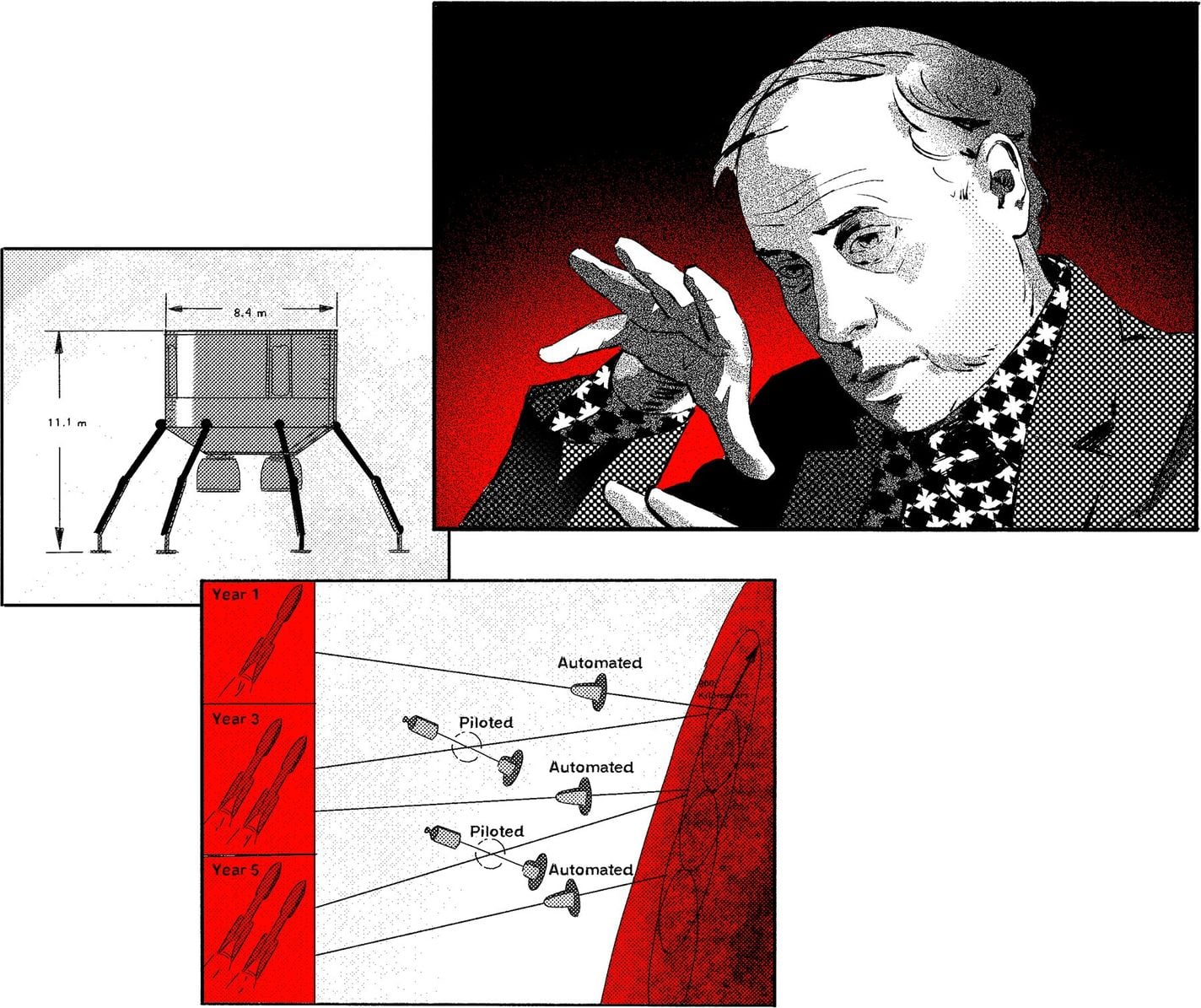
“美国边疆地区生活中那些有助于培育务实、勇于创新精神的种种特质,在火星探索中同样能发挥百倍的作用。”祖布林决心以最快速度、最低成本将韦伯所描绘的新边疆愿景变为现实。1989年,NASA估算出:建立永久性月球基地并最终将人类送上火星的计划大约需要5000亿美元。于是,祖布林与马丁·玛丽埃塔公司的工程师大卫·贝克共同提出了所谓的“直接火星计划”:跳过NASA设想的空间站与月球中转站环节,直接飞往火星。
“Every feature of frontier American life that acted to create a practical can-do culture of innovative people will apply to Mars one hundredfold” Zubrin was determined to turn Webb’s vision of a new frontier into reality, as quickly and as cheaply as possible. In 1989 NASA estimated that a programme to set up a permanent moon base and eventually send humans to Mars would cost roughly $500bn. Zubrin and fellow Martin Marietta engineer David Baker devised what they called “Mars Direct”: skip the space stations and lunar pitstops imagined by NASA and fly straight to Mars.
抵达后,定居者可利用火星大气中的二氧化碳与氢气制造返程所需的燃料,从而大幅减少从地球携带的物资。祖布林认为,这样一来不仅能大幅削减成本,还能降低整个任务的难度。
Once there, the settlers would live off the land, extracting carbon dioxide and hydrogen from the atmosphere to manufacture fuel for the return journey. That meant carrying far less from Earth—and, Zubrin argued, spending far less to get there.
祖布林将该计划的预算定在200亿美元左右,主要手段就是摒弃他认为NASA那些“浮夸”的设计方案以及官僚体制下的低效决策。随着时间推移,这一计划愈发务实:它主张利用地球上早已验证的技术,从火星资源中提取出可供呼吸的空气、可饮用的水以及建筑材料,而非寄望于未来出现什么技术突破。
Zubrin put the price of his plan at $20bn, largely by stripping away what he saw as the agency’s “grandiose” design and bureaucratic “obtuseness”. His scheme, as it evolved over the years, aspired to be practical: make breathable air, drinkable water and building materials from Martian resources using technologies already proved on Earth, rather than waiting for some technological breakthrough.
1990年,祖布林在第四届“火星探索研讨会”上介绍了“直接火星计划”。《波士顿环球报》的一名记者报道了这一消息,称该计划“能将布什总统设定的时间表缩短20年,还能节省多达3000亿美元的开支”,随后引发了更多媒体的关注。祖布林也由此成为火星探索领域的公众代言人。
In 1990 he presented Mars Direct at the fourth Case for Mars conference. A Boston Globe reporter picked up the story, describing it as a plan that “would shave 20 years off President Bush’s timetable and save up to $300bn in the process”, which led to further press coverage. Zubrin was becoming a public face of Mars exploration.
在接下来的两年里,祖布林四处奔走宣传“火星直航计划”,努力争取有影响力的人士支持。曾负责NASA探索事务的迈克·格里芬对该计划表示支持,并协助祖布林于1992年向约翰逊航天中心的工程师们详细阐述该计划。不过工程师们认为该计划风险过高,尤其是依赖在火星上制造燃料这一点。他们提出了一个折中方案——即“半直航火星计划”,据内部评估,该方案的实施成本将高达550亿美元。
Over the next two years, he took Mars Direct on the road, recruiting influential allies. Mike Griffin, who oversaw exploration at NASA, backed the plan and helped Zubrin present a fuller version to engineers at Johnson Space Centre in 1992. They thought it too risky, particularly its reliance on making fuel on Mars, and proposed a compromise: Mars Semi-Direct, which an internal study estimated would cost $55bn.
然而,这项由工程师大卫·韦弗牵头推进的任务很快便深陷NASA的官僚体系之中。正如祖布林后来所言,韦弗当时简直是在“试图把一群各奔东西的人召集起来”。
But the mission, led by an engineer called David Weaver, soon disappeared into NASA’s bureaucratic maze. As Zubrin later put it, Weaver found himself “trying to herd cats”.
既然无法指望NASA改变态度,祖布林便决定争取公众支持。1996年,他出版了《火星倡议》一书,主张在火星上建立新文明能够催生技术进步与个人自由,正如两个世纪前美国西部拓荒所带来的变革一般。
Rather than wait for NASA to come around, Zubrin decided to win over the public. In 1996 he published “The Case for Mars”, arguing that a new civilisation on Mars could usher in an era of technological progress and personal liberty, much as the American frontier had done two centuries earlier.
火星恶劣的环境恰恰能激发人们的自力更生与创造力:“美国西部拓荒时期那些促使人们养成务实、勇于创新精神的种种特质,在火星上将会发挥百倍的作用。”他设想建立一个“以技术卓越与务实精神为基础的拓荒社会”,成员皆为“具备强烈进取心的人”。火星将成为“发明创新的温床”,由此诞生的技术最终也将造福地球。
The planet’s harshness would reward self-reliance and ingenuity: “every feature of frontier American life that acted to create a practical can-do culture of innovative people will apply to Mars one hundredfold.”He imagined “a frontier society based on technological excellence and pragmatism”, populated by people “self-selected for personal drive”. Mars would become “a hotbed of invention”, producing technologies that would eventually benefit Earth, too.
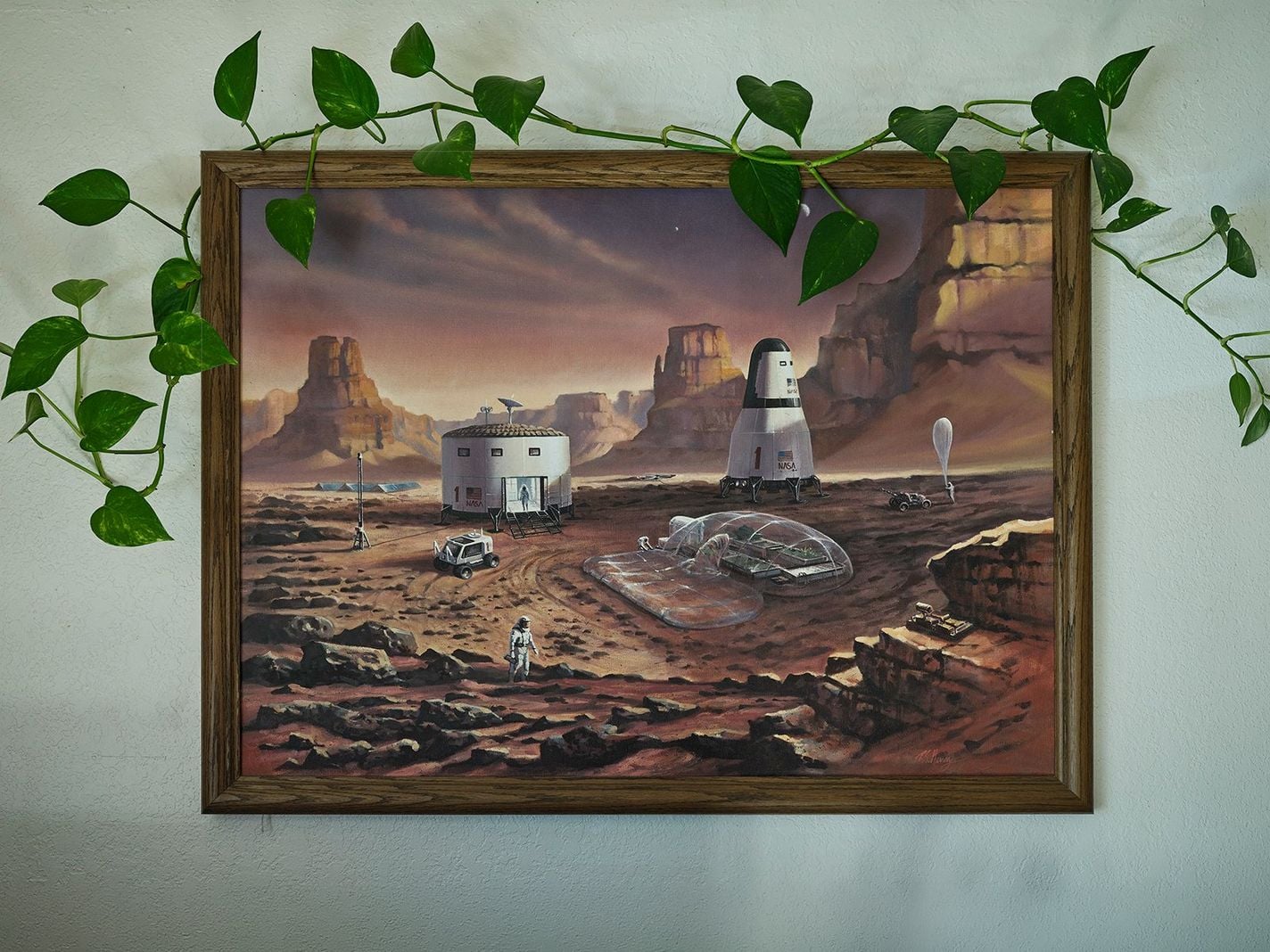

祖布林还认为,火星可以成为缓解地球上各种冲突的途径。他坚信,火星上广袤无垠的土地能够打破人类“资源有限”这一固有观念。在他看来,这种观念正是封闭世界所面临的最大隐患之一。在《火星倡议》一书中,他指出马尔萨斯主义——这一如今已被广泛否定的理论,认为人口增长速度总会超过食物供应增长速度——会导致人类及各国沦为有限资源的争夺者。
Zubrin also saw Mars as a way to ease conflict on Earth. Its vast expanses of land, he believed, could loosen humanity’s grip on the idea that resources are finite. He regarded this belief as one of the great dangers of a closed world. In “The Case for Mars”, he argues that Malthusianism—the idea, now widely discredited, that population growth tends to outstrip the supply of food—turns people and nations into competitors for a dwindling supply of resources.
他写道:“唯有在一个资源无限的宇宙中,全人类才能真正成为兄弟。”该书意外成为畅销书,并赢得了萨根与巴兹·奥尔德林的高度赞誉。出版当年,祖布林便离开洛克希德·马丁公司,创立了先锋航天公司,致力于将他的设想转化为切实可行的技术。2001年,他建立了两座研究站,至今仍在使用,这些站点正是用来测试人类在火星上生活所需条件的试验场所。
“Only in a universe of unlimited resources”, he writes, “can all men be brothers.”The Case for Mars” became a surprise bestseller, winning praise from Sagan and Buzz Aldrin. The year it was published, Zubrin left Lockheed Martin to found Pioneer Astronautics, a company devoted to turning his ideas into workable technology. The research stations he set up in 2001, both of which are still in use, became a way to test what living on the planet might actually entail.
研究人员会在这些外形酷似巨型金枪鱼罐头的圆柱形建筑中生活数周,体验火星生存环境:外出时必须身着宇航服,进出居住区时要记得开启或关闭气闸,还要通过无线电进行通讯(来自“地球”的信息会有20分钟的延迟)。
Researchers spend weeks in the cylindrical structures, which look like oversized tuna cans, living as they would on Mars: wearing spacesuits outside, remembering to open and close airlocks when they leave their habitats, and communicating by radio (messages from “Earth” arrive with a 20-minute delay).
祖布林不仅希望制造出相关设备,更想发起一场运动。他不遗余力地推广“火星直航计划”,由此在NASA内部也赢得了一些支持者。曾在1999年和2000年的规划会议中向祖布林请教过的NASA火星探索首席科学家吉姆·加文告诉我,祖布林堪称“催化剂”,正是他推动NASA设定了更为宏大的科学目标。
Zubrin wanted to build a movement as well as machines. His relentless promotion of Mars Direct won him some supporters within NASA. Jim Garvin, who served as the agency’s chief scientist for Mars exploration, consulted Zubrin during planning sessions in 1999 and 2000. He told me Zubrin was a “catalyst” who helped push the agency towards more ambitious scientific goals.
祖布林视马斯克为“荷马史诗式的英雄,就像阿喀琉斯”:伟大却也有着明显的缺陷。此后多年,祖布林多次在国会就太空探索的未来前景作证,并持续向美国国家航空航天局游说。他的主张相当激进:废除航天飞机计划、逐步退出国际空间站项目,并将节省下来的资金用于研发“重型运载火箭”——这种火箭的运载能力足以将大型载荷送入太空。
Zubrin sees Musk as a hero in the “Homeric sense, like Achilles”: grand, but deeply flawed In the years since, Zubrin has testified before Congress about the future of space travel and continued to lobby NASA. His ideas have been radical: scrap the space-shuttle programme, move away from the International Space Station and redirect the savings towards the “heavy lift booster”—a rocket powerful enough to transport large payloads into space.
不过官方对他的方案鲜有热情。美国企业研究所这一智库的太空政策研究员托德·哈里森告诉我,祖布林的计划与美国国家航空航天局的日常运作现实相去甚远,对于一个“每年都要编制预算”的机构而言几乎起不到什么作用。“任何涉及未来超过两届总统任期的规划,对美国国家航空航天局而言都毫无实际意义,”他说道。
There has been little official enthusiasm for his approach. Todd Harrison, who researches space policy at American Enterprise Institute, a think-tank, told me Zubrin’s plans were too far removed from NASA’s day-to-day reality to have much impact at an agency that “operates on annual budgets”. “Any kind of vision that extends more than two presidential terms into the future is just not useful for NASA,” he said.
不过,马斯克或许已经造出了祖布林梦寐以求的火箭。SpaceX的“星舰”设计载荷量大致相当于曾将阿波罗宇航员送上月球的“土星五号”。但与“土星五号”不同的是,“星舰”旨在实现完全可重复使用,就像一架飞机那样。祖布林认为,这能大幅降低类似“火星直航计划”这类任务的成本。他还认为,未来使用过的“星舰”或许能搭载普通民众前往火星。每艘飞船可容纳多达100人,它们有望成为火星殖民的主力工具,将每位乘客送往火星的费用可控制在2万美元左右。
But Musk may already have built the rocket of Zubrin’s dreams. SpaceX’s Starship is designed to carry roughly as much as the Saturn V, which sent the Apollo astronauts to the Moon. Unlike the Saturn V, however, it is intended to be fully reusable, like an aeroplane. Zubrin believes it could make a Mars Direct-style mission dramatically cheaper. He also thinks used Starships could one day carry ordinary people to Mars. With room for up to 100 people, they could become the workhorses of Martian settlement, carrying passengers at the cost of $20,000 each.
“星舰”在多次试飞中遭遇失败。不过在9月28日进行的第14次发射中,它首次成功进入轨道。这一成就让祖布林陷入尴尬境地:他所憧憬的愿景能否实现,竟取决于一个世界观与他截然不同的人。在祖布林看来,马斯克是“荷马史诗意义上的英雄,就像阿喀琉斯”:伟大却也有着诸多缺陷。在奥兰多接受采访时,祖布林对我说,马斯克“并不在乎金钱”,他追求的是“kleos”——这是一个古希腊概念,祖布林将其译为“因成就伟业而获得的永恒荣耀”。
Starship has suffered multiple failures in test flights. But on its 14th launch, on September 28th, it reached orbit for the first time. This achievement puts Zubrin in an awkward position: the success of his vision depends on a man whose worldview is starkly different from his own. Zubrin sees Musk as a hero in the “Homeric sense, like Achilles”: grand, but deeply flawed. Musk is “not about money”, he told me in Orlando, but “about kleos”—an Ancient Greek concept that Zubrin translates as “eternal glory for doing great things”.
他认为这正是马斯克取得成功的根源,但这一特质也有“病态的一面”,使得马斯克“极其傲慢”且极度渴望得到认可。
He thinks this is the root of Musk’s achievements, but that it also has “a pathological side to it”, making him “extremely arrogant” and hungry for recognition.
不过,祖布林坚信马斯克的各项事业对未来人类定居火星至关重要。去年8月我们在科罗拉多州会面时,他表示虽然马斯克的政治立场“极其值得商榷”,且两人在乌克兰问题上“观点完全相反”,但马斯克“具备极强的创业能力。正是这些能力使他成为人类的宝贵财富……极其宝贵的财富。”
Yet Zubrin is convinced that Musk’s ventures are vital for the future of Mars settlement. When we met in Colorado last August, he said that although Musk’s politics were “extremely questionable” and that they were “180 degrees apart on Ukraine”, his “entrepreneurial abilities are enormous. And they are what make him an asset to the human race…A terrific asset.”
除了火星计划,祖布林还热衷于推动诸多其他事业,其中有些相当另类。他长期关注化石燃料的替代方案。在2007年出版的《能源胜利》一书中,他主张美国可通过改用乙醇、甲醇等酒精类燃料来减少对石油的依赖。而在2023年出版的《核能的正当性》一书中,他又力挺核能作为地球上乃至太空里一种廉价且充足的能源来源。
Away from Mars, Zubrin has found plenty of other causes to champion, some more eccentric than others. He has long been interested in alternatives to fossil fuels. In “Energy Victory”, published in 2007, he argued that America could reduce its dependence on oil by switching to alcohol-based fuels such as ethanol and methanol. His 2023 book “The Case for Nukes” defends nuclear power as a source of cheap, plentiful energy, both on Earth and in space.
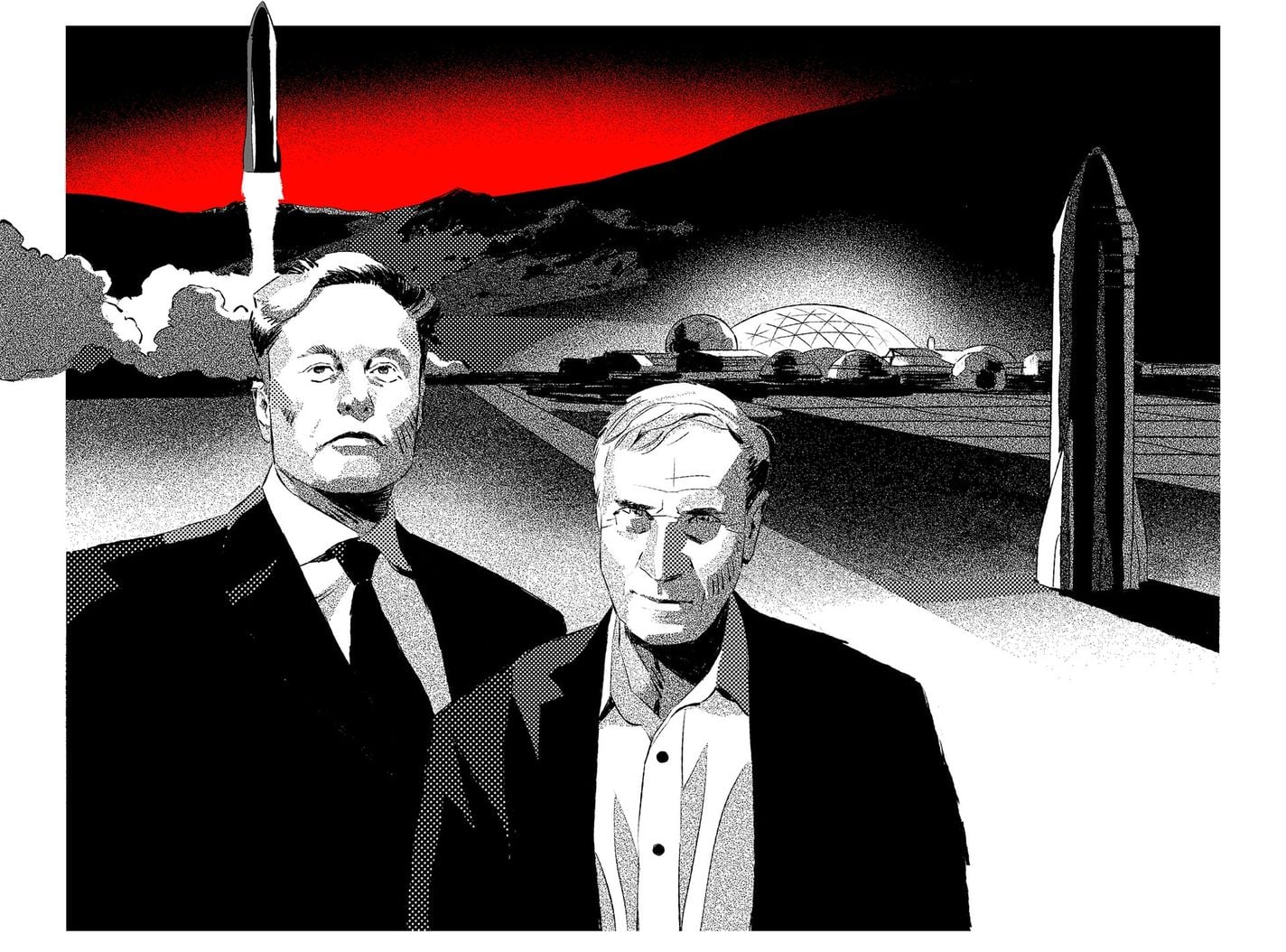
祖布林绝非普通的环保主义者。在2011年出版的《绝望的商人》一书中,他严厉批评环保运动对技术进步的敌视态度,并试图论证现代环保主义、优生学以及纳粹主义之间存在某种联系。
Zubrin is far from your average environmentalist. In “Merchants of Despair”, published in 2011, he rails against the green movement’s hostility to technological progress, tracing what he sees as links between modern environmentalism, eugenics and the Nazis.
他的著作题材更是包罗万象:有一部以阿基坦的埃莉诺为主角的历史小说,号称是12世纪诗人玛丽·德·法兰西失传作品的译本;有一部五幕剧,讲述背叛祖国的美国独立战争将领本尼迪克特·阿诺德的故事;还有一部名为《首次登陆》的科幻小说,情节诙谐有趣,讲述人类首次火星任务如何险些因无能的官僚和“生态哥特风”黑客而功败垂成。
His bibliography ranges further still: a historical novel about Eleanor of Aquitaine, billed as a translation of a lost text by the 12th-century poet Marie de France; a five-act play about Benedict Arnold, the American revolutionary-war general who betrayed his country; and “First Landing”, a goofily entertaining sci-fi novel about the first human mission to Mars, which is almost derailed by incompetent bureaucrats and “eco-goth” hackers.
这些看似毫无关联的作品——至少部分如此——都有一个共同主题:本应推动进步的人反而成了进步的阻碍。正如韦伯设想有一颗新行星出现以打破美国的停滞状态,祖布林则将火星视为人类摆脱地球生活种种束缚的出路。
What these disparate projects have in common—some of them at least—is the idea that progress is being thwarted by the people meant to enable it. And just as Webb imagined a new planet arriving to shake America out of its stagnation, Zubrin looks to Mars as an escape from the constraints of life on Earth.
17岁那年,祖布林因感冒请假在家,期间他发明了一种供三人对弈的国际象棋变体。后来他为此申请了专利,并将专利卖给了一家玩具公司。这种棋的棋盘由96个格子组成,形状类似三个汇聚在一起的箭头。当一名玩家击败另一名玩家后,便可夺取对方的棋子并用来对付剩下的对手。这样一来,游戏中的联盟关系随时可能发生变化,力量对比也会骤然逆转。
When he was 17, home from school with a cold, Zubrin invented a three-player version of chess, which he later patented and sold to a toy company. It is played on a 96-cell board resembling three converging arrowheads. When one player defeats another, they take over their opponent’s pieces and turn them against the remaining player. The result is a game of shifting alliances, in which the balance of power can change abruptly.A similarly unstable contest is developing in space, as America, China and Russia jockey for strategic advantage.
如今,在太空领域也正在上演一场类似的不稳定博弈:美国、中国和俄罗斯都在争相谋取战略优势。正如乌克兰战争所展现的那样,现代战争越来越依赖卫星来提供影像、通信与导航服务。
Modern warfare increasingly depends on satellites for imagery, communications and navigation, as the war in Ukraine has shown. He summed up his philosophy in a line: “Freedom will give us space, space will give us freedom” “This is the first space war,” Zubrin told me in August 2025 over coffee at the Bridgewater Grill in Golden, the Rocky Mountains towering above us and a rain-swollen creek raging below.
祖布林用一句话概括了自己的理念:“自由能为我们带来空间,而空间则能赋予我们自由。”2025年8月,我在落基山脉脚下的戈尔登市,于Bridgewater Grill餐厅与祖布林共饮咖啡。当时群山巍峨耸立,山脚下一条因降雨而水量暴涨的溪流奔腾不息。他刚从乌克兰返回,此前在那里待了三周,协助提升乌克兰无人机的作战半径。自战争爆发以来,这已是他多次前往乌克兰的其中一次。
He had recently returned from three weeks in Ukraine, where he had been helping to extend the range of its drones. It was the latest of several trips he had made there since the war began. Ukraine has drawn on a vast stream of satellite intelligence from America and Europe, giving its forces a detailed picture of Russian troop movements and positions.
乌克兰大量借助来自美国和欧洲的卫星情报,从而能够准确掌握俄军的动向与部署情况。俄罗斯虽也拥有自己的卫星,却难以将卫星获取的数据转化为能在战场上实际使用的情报。
Russia has its own satellites, but has struggled to turn the information they provide into intelligence that can be used on the battlefield.
“尽管乌克兰的人口数量仅为俄罗斯的四分之一,但该国仍能与俄军抗衡,其关键就在于太空侦察技术,”他在特朗普对伊朗发动战争的六个月前这样对我说。“这场战争真正揭示的道理是:在未来的冲突中,谁能在太空领域占据优势,谁就能赢得胜利。”祖布林认为,将卫星送入轨道的能力对于赢得未来战争而言至关重要,其重要性不亚于制空权在以往战争中的作用。
“The reason that Ukraine can fight Russia despite being outnumbered four to one [in population terms] is space reconnaissance,” he told me six months before Trump began his war with Iran. “What this war really shows is that in future conflict, whoever has space superiority will win.”Zubrin believes that the ability to launch satellites into orbit will be as vital to winning future wars as air superiority has been to past conflicts.
他忧心忡忡地注意到,美国与中国在太空技术领域的差距正日益缩小。SpaceX公司研发的可部分重复使用的“猎鹰9号”火箭,使得大规模发射卫星的成本更低、难度更小。如今,中国企业也在加紧研发类似的火箭,以期缩小与美国的差距。
He is watching the narrowing gap between America and China in space technology with alarm. SpaceX’s Falcon 9, a partly reusable rocket, has made it cheaper and easier to launch satellites at scale. Chinese companies are now developing their own similar rockets in an effort to close the gap.
不过,祖布林也寄望于太空殖民计划来缓解大国间的竞争。尽管历史经验表明领土扩张往往会引发冲突,他仍坚信在火星上建立殖民地能够降低地球上爆发战争的可能性。他最喜欢说的一句话就是:“既然有了新的星球可供开发,为何还要为争夺地球上的领土而争斗呢?”我们初次见面时,他用了更为形象的比喻:“如果我们是困在笼子里的老鼠,就注定要为争夺残羹冷炙而互相厮杀。每个国家都是其他所有国家的敌人,每个人也都是其他所有人的敌人。”
But Zubrin is also pinning his hopes on space settlement to ease competition between the major powers. Despite the historical evidence that territorial expansion can fuel conflict, he remains convinced that colonising Mars could reduce the incentives for war on Earth. “If you open new planets, why fight over provinces?” is one of his favourite lines. When we first met, he put it more colourfully: “If we are rats in a cage, we are doomed to fight it out for the scraps. Every nation is the enemy of every other nation. Every person is the enemy of every other one.”
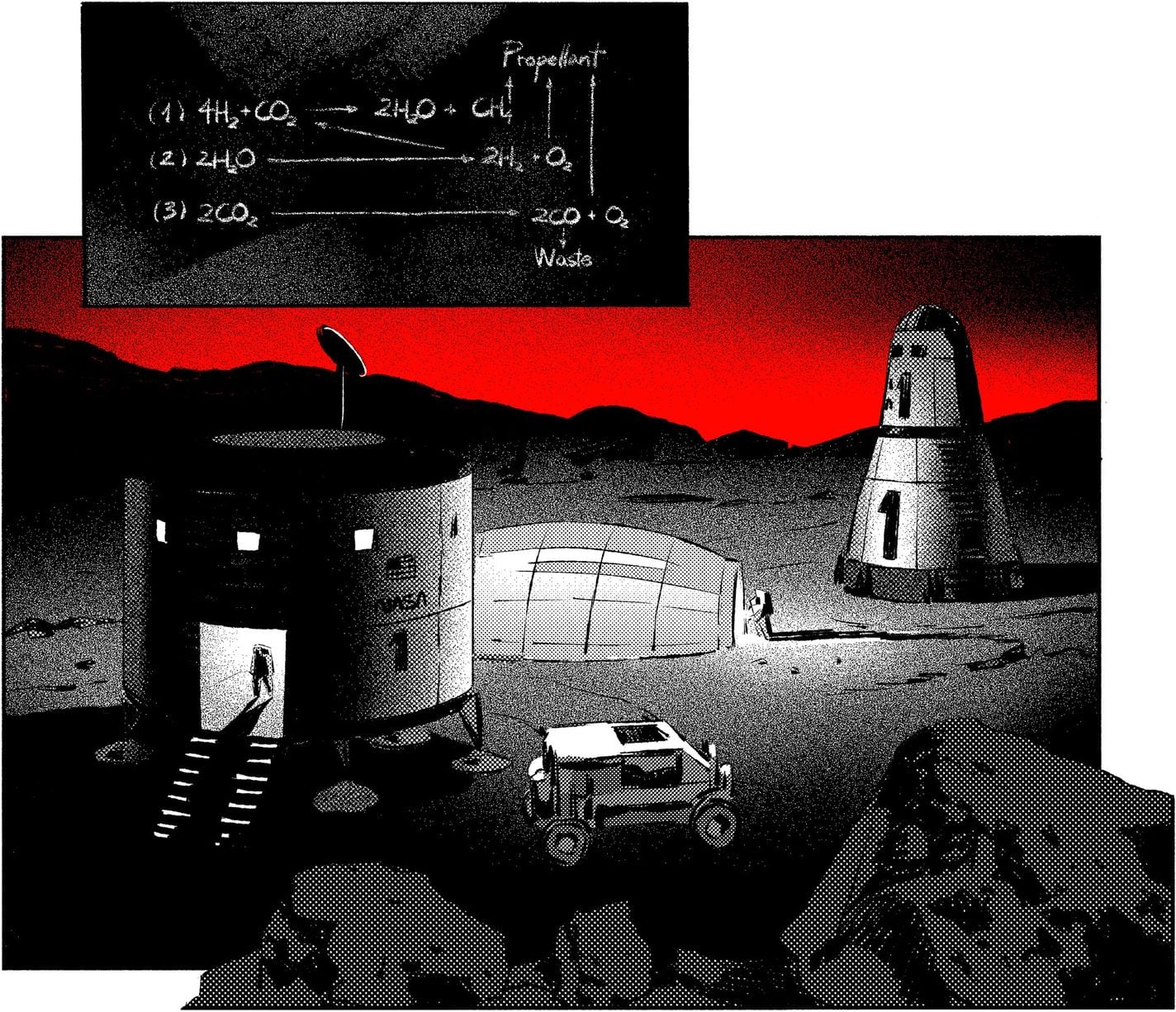
祖布林还认为,正如1969年时那样,太空竞赛的胜出者将是那些最自由的社会。“每当出现更具挑战性的新环境时,”他告诉我,“最成功的国家往往都是‘最自由’的国家”——他举了荷兰共和国与英国在海军领域的卓越表现作为例证。在他看来,美国自由的经济体制是其在新一轮太空竞赛中的关键优势,正是这种体制使得马斯克这类人物能够引领一场“以企业家精神为核心的太空革命”。
Zubrin also believes that the space race will favour the freest societies, just as it did in 1969. “Whenever a more challenging environment has opened,” he told me, the most successful nations have been “the most liberal”—giving the Dutch Republic’s and Britain’s naval prowess as examples. He sees America’s free economy as a crucial advantage in the new space race, allowing people like Musk to spearhead an “entrepreneurial space revolution”.
相比之下,俄罗斯“拥有对太空事业充满热情的人才以及大量资金。但任何能带来利润的项目都会被掌权者据为己有。”祖布林担忧类似的情况也在美国发生,因为特朗普政府正在冲击“宪政体制与法治原则”。这位曾经的共和党人于2016年特朗普获得党内提名后便退出了该党。他认为现任政府不仅会给美国带来灾难,还会对全球贸易与民主制度构成威胁。
Russia, by contrast, “has people interested in space, and large amounts of capital. But anything profitable will get stolen” by those in power. Zubrin worries that something similar is happening in America, as “constitutional government and the rule of law” come under attack from the Trump administration. A former Republican, he left the party after Trump’s nomination in 2016. He sees the current administration as not just a domestic disaster but a threat to global trade and democracy.
不过,从望远镜的远端仍能看到一丝希望:在火星上,经济自由与政治自由将相辅相成。祖布林对我说:“那些建立起自由制度的火星定居点,将会比其他定居点发展得更快。” “在科幻作品中,常出现某人建立行星级暴政的情节。但实际上,外星暴政根本难以存续,因为没人愿意移民到那样的地方。” 他用一句话概括了他的理念:“自由能带给我们空间,而空间则能赋予我们自由。”
There’s hope at the end of the telescope though: on Mars, economic and political liberalism will go hand in hand. “Those Martian settlements that create free institutions will outgrow others,” Zubrin told me. “In science fiction, there used to be a standard plot in which someone establishes a planetary tyranny. But realistically, extraterrestrial tyrannies will die on the vine, because no one will want to emigrate to them.”He summed up his philosophy in a line: “Freedom will give us space, space will give us freedom.”
并非所有人都认同祖布林所描绘的和平火星乌托邦。天体物理学家埃丽卡·内斯沃尔德认为,火星非但不会促进自由,反而可能成为权力滥用的温床。在她的著作《地外世界》中,她警告称,殖民者所能获取的资源极其有限——甚至连呼吸用的空气也不例外——这些资源将被少数人掌控,进而催生出各种可怕的暴政手段。
Not everyone buys Zubrin’s vision of a peaceful Martian utopia. Erika Nesvold, an astrophysicist, argues that Mars could create new opportunities for abuses of power rather than fostering freedom. In her book “Off-Earth”, she warns that the limited resources available to colonists “down to the air they breathe—will be controlled by a handful of people, opening the population up to terrifying new methods of tyrannical behaviour.”
约翰斯·霍普金斯大学的政治学家丹尼尔·杜德尼也论述过星际移民的风险。他指出:“如果我们就像笼子里的老鼠,就只能为争夺残羹冷炙而互相厮杀。每个国家都是其他国家的敌人,每个人也都是其他人的敌人。” 杜德尼认为,一旦火星实现经济自给自足,“该殖民地寻求独立的呼声将势不可挡”,最终会导致“整个太阳系范围内出现国家间的无政府状态”。他预测,假以时日,火星与地球必将渐行渐远,甚至可能在“物种”层面产生分化,从而引发地球人难以想象的暴力冲突。
“If we are rats in a cage, we are doomed to fight it out for the scraps. Every nation is the enemy of every other nation. Every person is the enemy of every other one” Daniel Deudney, a political scientist at Johns Hopkins University, has also written about the risks of interplanetary settlement. Once Mars becomes economically self-sufficient, Deudney thinks that the “pressures for that colony to become independent would be overwhelming” and lead to “interstate anarchy on a solar-system scale”. In time, he predicts, Mars and Earth will inevitably grow apart, perhaps even on the “species” level, generating a “potential for violence hard to imagine for Terrans”.
祖布林最看不惯那些质疑他观点的人。在奥兰多举行的国际太空开发大会上,一位演讲者提出宇宙射线可能对人脑产生影响,进而增加自杀风险,祖布林当即厉声斥责对方。“喝下一百杯红酒会要了你的命,”他在台下大声说道,“但这并不意味着连续一百个晚上每晚喝一杯也不会有事。”
Zubrin doesn’t take kindly to those who doubt his arguments. At ISDC in Orlando he berated a speaker for suggesting that the warping effects of cosmic rays on the human brain might raise the risk of suicide. “If you drink a hundred glasses of red wine, it will kill you,” he shouted from the audience. “But that doesn’t mean that drinking one glass a night for a hundred nights will.”
科普作家扎克·韦纳史密斯也曾与祖布林发生过类似争执。在他与妻子凯莉合著的《火星上的城市》一书中,他们对太空殖民计划持怀疑态度,着重探讨了火星定居点存在的健康风险、经济前景的不确定性以及法律地位的模糊性。韦纳史密斯告诉我,在一次活动中,祖布林因他们对辐射危害及太空分娩难度的分析而对他怒斥了“整整十分钟”。
Zach Weinersmith, a science writer, had a similar run-in with Zubrin. In their book “A City on Mars”, he and his wife, Kelly, take a sceptical view of space settlement, focusing on the health risks, uncertain economics and murky legal status of a Mars colony. Weinersmith told me that during one event Zubrin yelled at him “for ten minutes” over their assessment of radiation danger and the challenges of giving birth in space.
不过韦纳史密斯倒也体谅对方:“为了坚持一个30年来一直被视作荒谬的观点,人难免会变得敏感易怒。”去年夏天,在仅有少数太空领域专业人士与爱好者出席的国际太空开发大会上,祖布林详细阐述了自己新书中描绘的火星生活蓝图。他设想在火星上建造一系列小型城市,每座城市容纳约5万名居民,规模大致相当于文艺复兴早期的佛罗伦萨。
But Weinersmith took a charitable line: “You have to be prickly to argue for something people think is nutty for 30 years.”Last summer in the ISDC, before a small audience of space professionals and enthusiasts, Zubrin unveiled the vision for life on the Red Planet outlined in his new book. He imagines a network of small cities, each home to some 50,000 people, around the size of early-Renaissance Florence.
为保护居民免受有害辐射侵袭,这些城市将至少部分建于地下——即建在巨大的熔岩管、陨石坑壁或挖空的山坡之中。
To shield their inhabitants from harmful radiation, these settlements would be at least partially underground—built in giant lava tubes, between the walls of meteor craters or in hollowed-out hillsides.
祖布林尤其推崇在陨石坑内的人工湖下建造城市的构想。(虽然火星上目前没有液态水,但借助核反应堆或许能将永久冻土中的水融化出来。)这片湖水既能起到辐射屏蔽作用,又能成为可食用鱼类的养殖池,让火星居民透过由罗非鱼构成的“天花板”仰望星空与两颗卫星。
Zubrin is particularly keen on the idea of building cities underneath artificial lakes in craters. (There isn’t any liquid water on Mars, but it could be melted out of the Martian permafrost by nuclear reactors.) The lake would be a radiation shield and a breeding pool for edible fish, letting Martians look at the stars and twin moons through a ceiling of tilapia.
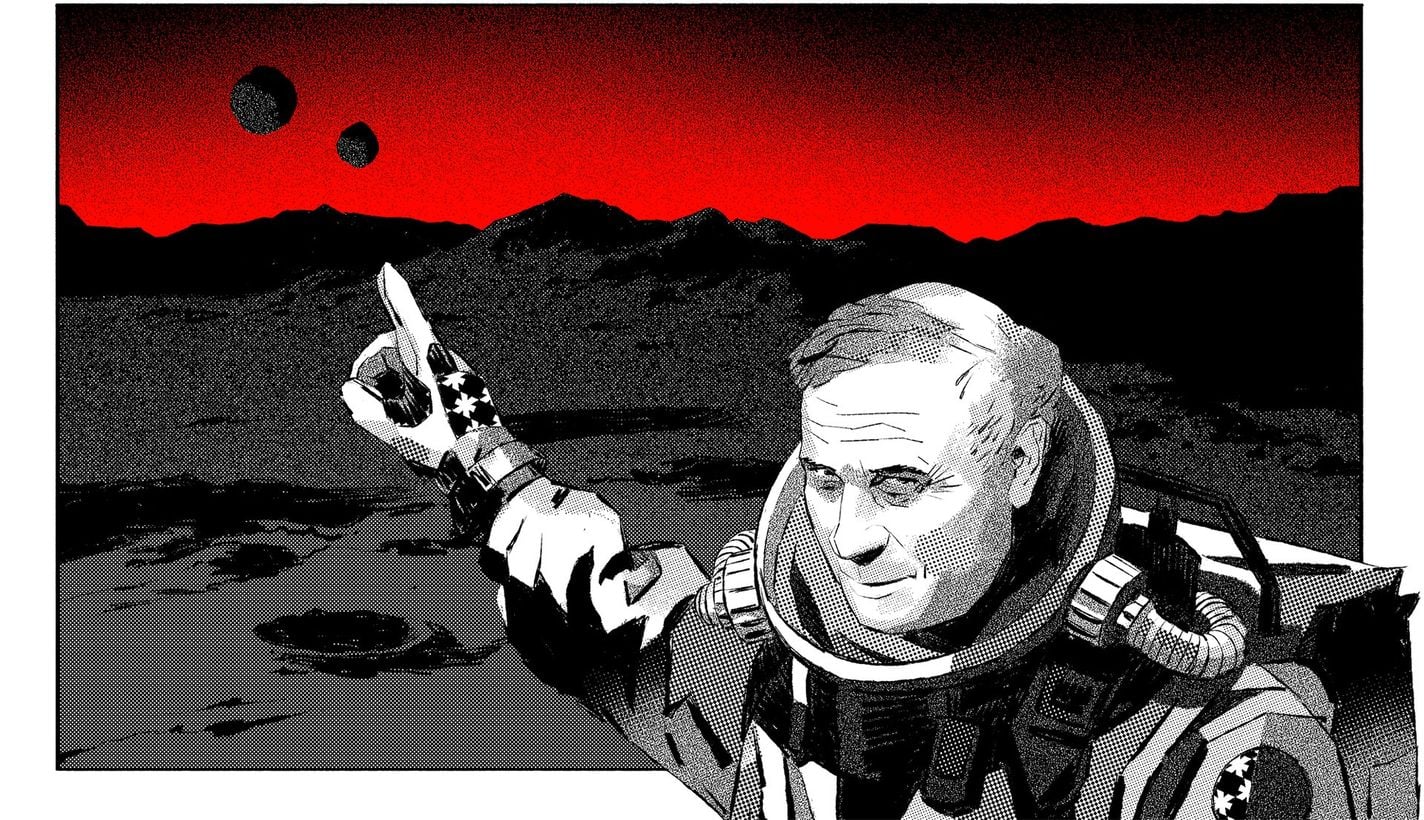
虽然祖布林为火星新边疆所描绘的蓝图带有自由主义色彩——旨在摆脱地球上各种规章制度的束缚——但他的某些设想却颇具欧洲风格。祖布林并不设想在火星上建立采矿定居点或无序扩张的郊区,而是梦想着打造一些规模较小、适合步行的城镇,让大多数居民都能骑自行车或乘坐公共交通工具出行。即便需要用车,车辆也实行共享制;烤箱同样如此。
Although there is a libertarian streak to Zubrin’s blueprint for a Red Frontier, free from the shackles of Earth-based rules and regulations, some of his ideas sound positively European. Rather than mining settlements or suburban sprawl, Zubrin dreams of small, walkable towns where most people get around by bicycle or public transport. Cars, when needed, will be shared—as will ovens.
祖布林设想中的公共厨房允许人们“自带食材,随心烹饪,之后既可在那里用餐,也可带回家独自享用”。火星上的城市虽会经过规划,但不会严苛到扼杀其自然发展。与美国著名城市学家简·雅各布斯一样,祖布林也推崇高密度、功能混合的街区,那里应有尽有:“咖啡馆、面包店、流动摊贩、酒馆以及音乐学校,任由行人、骑行者或溜冰爱好者随时光顾。”
Zubrin foresees communal kitchens, where “you can bring your own ingredients, cook what you like, and then either eat it there or take it home for a private meal.”Martian cities will be planned, but not so strictly as to stifle organic growth. Like Jane Jacobs, the great American urbanist, Zubrin favours dense, mixed-use neighbourhoods, teeming with “cafés, bakeries, peddler stalls, taverns and music schools, ready to be visited by pedestrians, cyclists or roller skaters”.
他希望这些街区能像欧洲古镇的街道一样赏心悦目。正如他对听众所言,最初的火星基地或许会呈现“粗犷实用”的风格,但那些能够长期存续的殖民地“必定是最能吸引女性移民的地方”。他说:“设计城市的方法有很多,但关键在于要设计得美观。”
He hopes these neighbourhoods will be as easy on the eye as historic streets in European towns. As he explained to his audience, the first Mars bases might be “brutalist” in style, but the colonies that survive in the long run “will be the ones that attract the most female immigrants”. There are “lots of ways you could design a city, but you’ve got to design it to be beautiful”.
“要想坚持30年为那些被众人视为荒谬的想法发声,就必须有极强的韧性才行。”每个城镇都将拥有自己的加压穹顶,内部充满可呼吸的空气,还设有公园和各种活动场地。祖布林希望这些设施能培育出浓厚的社区文化。届时将举办唱歌、跳舞等集体活动,还有各类体育运动。祖布林认为,火星上的低重力环境或许能为运动员带来诸多有趣的可能性。
“You have to be prickly to argue for something people think is nutty for 30 years” Each town will have its own pressurised dome full of breathable air, containing a park and event venues that will, Zubrin hopes, nurture a strong civic culture. There will be group activities such as singing and dancing, as well as plenty of sports. Zubrin thinks the low gravity on Mars could open up some intriguing possibilities for athletes.
体育场馆可被加压至类似地球海平面气压的状态,这样一来“运动员就能在手臂上装上翅膀,像鸟儿一样飞翔”。这样一来,诸如魁地奇、空中篮球这类“极具观赏性的运动”便得以实现;而在穹顶之外的广阔火星平原上,还能举办“类似阿拉斯加伊迪塔罗德雪橇犬赛的越野探测车大赛”。
Sporting arenas could be pressurised to resemble sea-level conditions on Earth, meaning “players will be able to strap wings to their arms and fly like birds”. This could make it possible to play “spectacular sports” such as Quidditch, aerial basketball and, outside the domes, on the great Martian plains, “cross-country rover races comparable to Alaska’s Iditarod Trail Sled Dog Race”.
不过祖布林本人并不会参与其中。在《火星上的新世界》一书中,他自称“是个崇尚个人主义的人,向来对有组织的体育活动毫无兴趣,更别提宗教活动了”。更重要的是,他逐渐意识到自己关于人类在火星上定居的梦想恐怕在有生之年难以实现。他也明白自己或许得放弃“像拉法耶特侯爵那样被埋葬在火星上或埋在火星土壤中”的计划——当年这位法国人在参加美国独立战争后,特意带回了美国的泥土用来安葬自己。
Zubrin won’t be taking part, however. In “The New World on Mars” he describes himself as “an individualist who has never had much affinity for organised sports, let alone organised religion”. More to the point, he has come to realise that his dream of a human settlement on Mars is unlikely to be fulfilled in his lifetime. He knows he will probably have to shelve his plan of being buried there, or in soil from Mars “like the Marquis de Lafayette”, the Frenchman who brought back American earth for his grave after fighting against the British in the war of independence.
祖布林表示,他的动力并非亲自飞往火星,而是希望“作为促成这一壮举的人之一被后人铭记”。事实上,他最主要的贡献在于推动了私人航天事业的蓬勃发展,尽管目前这些火箭还远未实现对太阳系的殖民。
Zubrin’s motivation, he says, is not to fly to Mars himself, but to be remembered “as one of the people who made it happen”. Indeed, his chief accomplishment is as a sort of spiritual midwife to the private-rocketry boom, even though those rockets are a long way from colonising the solar system.
体育场馆可以增压,模拟地球海平面条件,这意味着“球员将能把翅膀绑在手臂上,像鸟儿一样飞翔”。祖布林希望,一旦火星被定居,居民们会回头翻阅《火星计划》寻求建议,尽管他认为到那时他的许多预测会显得过时。他怀疑自己关于地球化改造的计划——通过人为改变火星大气层和生态系统,使其更接近地球——尤其容易出现错误。毕竟,他说,他是在以“一位20世纪工程师的视角,为一项23世纪的任务”写作。
Sporting arenas could be pressurised to resemble sea-level conditions on Earth, meaning “players will be able to strap wings to their arms and fly like birds” Zubrin hopes that once Mars is settled, its inhabitants will return to “The Case for Mars” for advice, although he thinks that by then many of his projections will seem quaint. He suspects that his plan for terraforming—making Mars more Earth-like through engineered changes to its atmosphere and ecology—will be particularly prone to error. After all, he said, he is writing with “the perspective of a 20th-century engineer, for a 23rd-century task”.
在他看来,他有点像儒勒·凡尔纳——后者在小说《从地球到月球》中勾勒了太空旅行计划。祖布林告诉我,这本书在很多方面都是错的;首先,凡尔纳笔下登月的旅行者是由一门巨型大炮发射的,这不可能给他们足够的初速度来脱离地球引力。但祖布林指出,凡尔纳也对登月做了许多正确的设想:三人乘组、在佛罗里达发射、一艘月球轨道飞行器。
In his mind he resembles Jules Verne, who outlined a plan for space travel in his novel “From the Earth to the Moon”. The book, Zubrin told me, was wrong on a lot of counts; for one thing, Verne’s lunar travellers were propelled by a giant cannon, which couldn’t have given them enough velocity to escape Earth’s gravity. But, Zubrin points out, Verne also got a lot of things right about the Moon landing: the three-person crew, a launch in Florida, a lunar orbiter.
祖布林希望,在24世纪,火星人可能会拿起他的书,“然后想,哦,这真是个20世纪的想法”。但尽管如此,他说,“我想成为火星的儒勒·凡尔纳。” ■ 摄影:马特·纳格 插图:科克·纳瓦罗
In the 24th century, Zubrin hopes Martians may pick up his book “and think, oh, what a 20th-century idea”. But still, he says, “I’d like to be the Jules Verne of Mars.” ■ Photographs: Matt Nager Illustrations: Coke Navarro