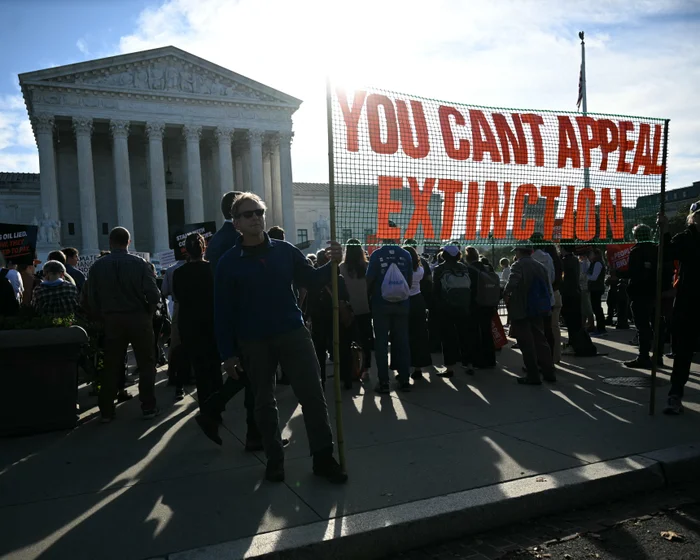
过去,责任诉讼曾让烟草、石油和制药企业承担相应责任。人工智能领域的投资者也不会忽视这一风险。政府最基本的职能就是保护民众免受伤害。当前,气候危机与人工智能这两大趋势正带来日益严重的危害风险。
Liability lawsuits have held tobacco, oil and pharma companies to account in the past. AI investors won’t ignore this threat The most basic function of government is to protect people from harm. Two growing phenomena – the climate crisis and AI – pose escalating risks of harm.
气候危机已引发洪水、野火、干旱以及创纪录的高温天气。与此同时,一些人工智能系统已突破严密的安全防护,侵入了本应无法接触的计算机系统。
The climate crisis is already causing floods, wildfires, drought and record heat. AI agents are already escaping super-secure environments to hack into systems they’re supposed to avoid.
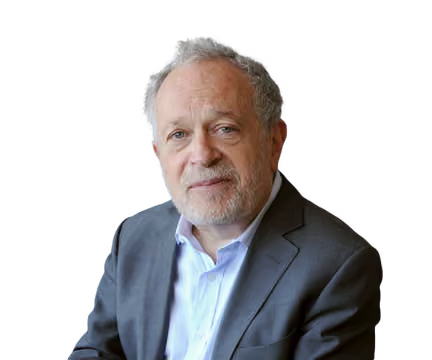
罗伯特·里奇曾担任美国劳工部长,现为加州大学伯克利分校荣誉公共政策教授。他是《卫报》美国版专栏作家,其订阅通讯地址为robertreich.substack.com。他的新著《Coming Up Short: A Memoir of My America》现已在美国和英国出版。
Robert Reich, a former US secretary of labor, is a professor of public policy emeritus at the University of California, Berkeley. He is a Guardian US columnist and his newsletter is at robertreich.substack.com. His new book, Coming Up Short: A Memoir of My America, is out now in the US and in the UK