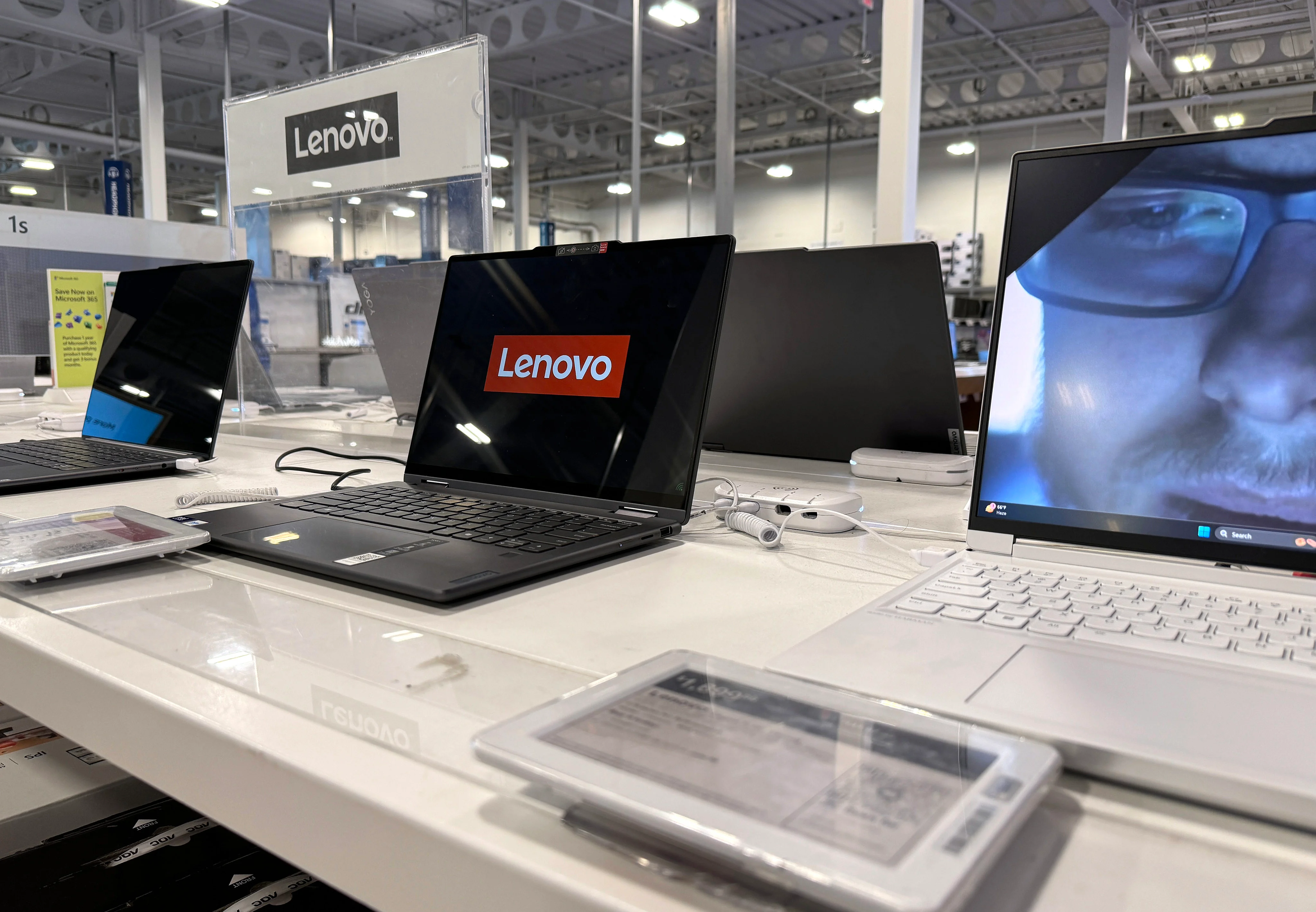
市场研究公司TrendForce表示,由于组件成本飙升挤压利润空间,笔记本电脑制造商正被迫重新考虑其从中国转移生产线的决策,并考虑将生产迁回这一制造业中心。
Notebook manufacturers are being forced to rethink their shift out of China and consider moving production back to the manufacturing hub, as skyrocketing component costs squeeze profit margins, according to market research firm TrendForce.
这家总部位于台湾的公司预测,今年全球笔记本电脑生产中位于中国大陆以外地区的份额将从2025年的约24%下降至21%,并在2027年跌破20%。
The Taiwan-based firm projected that the share of global notebook production outside mainland China would decline to 21 per cent this year from about 24 per cent in 2025, and drop below 20 per cent in 2027.
TrendForce在周四发布的一份报告中指出:“这表明,随着政策和成本条件的变化,各大品牌正在重新评估供应链多样化与制造效率之间的平衡。”
“This suggests that brands are reassessing the balance between supply-chain diversification and manufacturing efficiency as policy and cost conditions evolve,” TrendForce said in a report released on Thursday.
过去几年,主要笔记本电脑厂商为规避贸易关税和地缘政治摩擦,已逐步扩大在中国以外的制造布局。
Over the past few years, major laptop vendors have expanded their manufacturing footprints outside China to hedge against trade tariffs and geopolitical friction.
例如,美国计算机巨头戴尔在2023年设定了目标,计划到2024年逐步淘汰中国制造的芯片,并在2025年前将约一半的生产从中国转移出去;而苹果则将其部分设备组装工作转移至越南和印度。
US computer giant Dell, for example, set a goal in 2023 to phase out Chinese-made chips by 2024 and move about half its production out of China by 2025, while Apple shifted portions of its device assembly to Vietnam and India.
不过,TrendForce认为,除非贸易壁垒显著升级,否则出于财务考量的务实做法将重新压过风险规避的考量。
However, unless trade barriers escalate significantly, financial pragmatism was reasserting itself over risk mitigation, according to TrendForce.
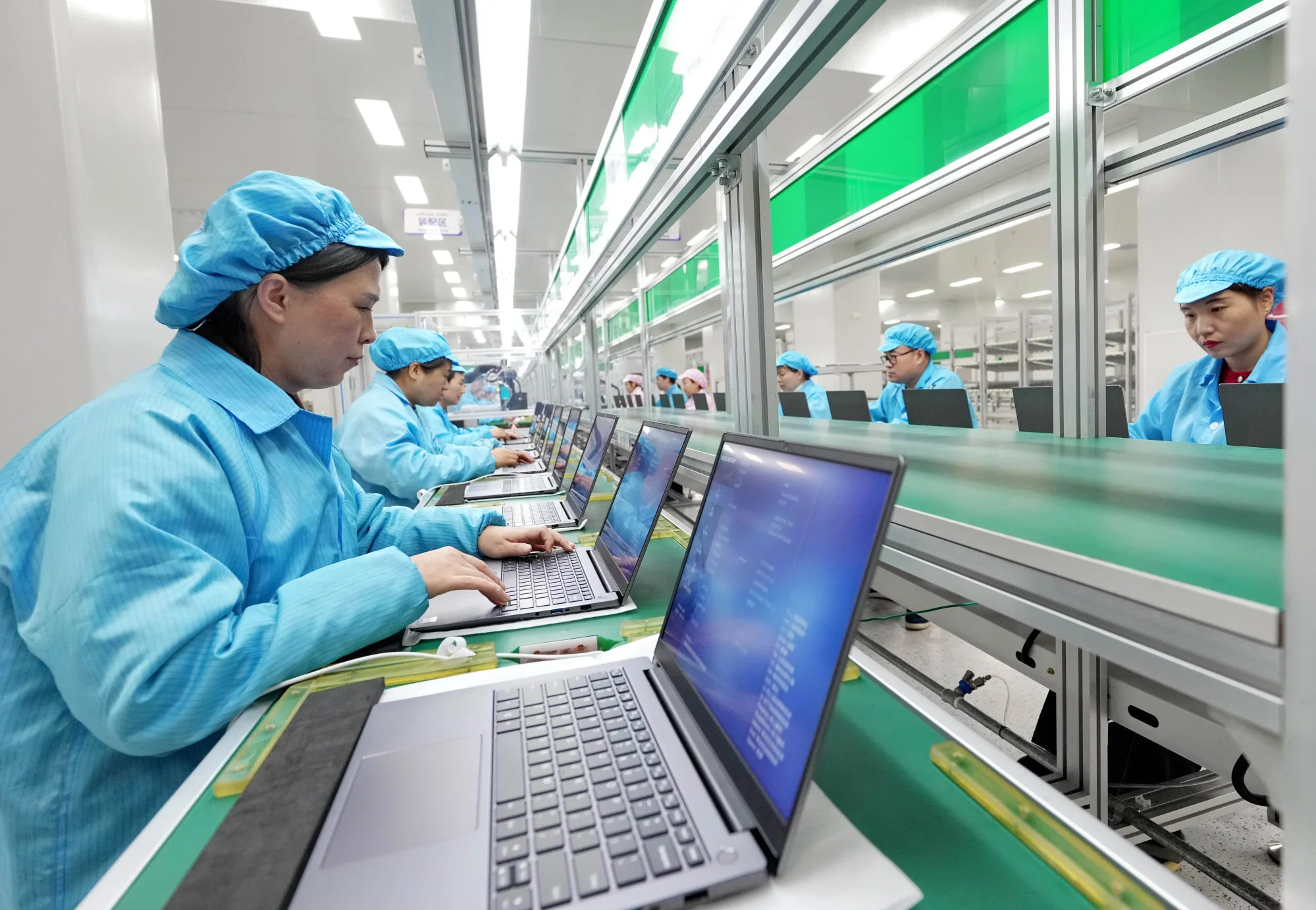
该公司表示:“如果关税压力没有进一步加剧,指导制造业‘本土化与全球化结合’的因素,可能会从降低政策风险转向关注生产成本、供应链完整性和运营效率。”
“If tariff pressures do not intensify further, the factors guiding manufacturing ‘glocalisation’ are likely to shift from minimising policy risks towards production costs, supply-chain completeness and operational efficiency,” the firm said.
这一战略转向的预测正值个人电脑(PC)行业面临因组件价格上涨而导致的消费者需求疲软之际。TrendForce估计,到2027年,全球笔记本电脑出货量将下降个位数低位。
The predicted strategic pivot comes as the personal computer (PC) industry braces for subdued consumer demand driven by rising component prices. TrendForce estimated that global notebook shipments would fall by a low single digits percentage in 2027.
然而,该公司指出,如果半导体成本持续上涨,笔记本电脑品牌将别无选择,只能将更多成本转嫁给消费者,这可能会使市场萎缩加剧,下降幅度达到个位数高位。
If semiconductor costs kept climbing, however, laptop brands would have little choice but to pass more of those expenses on to buyers, potentially deepening the market contraction to a high single digits decline, the firm said.
核心硬件的价格正变得越来越高。TrendForce 估计,在第三季度,中央处理器(CPU)、动态随机存取内存(DRAM)和固态硬盘(SSD)合计占一台主流 900 美元笔记本电脑物料总成本的约 68%。
Core hardware has grown increasingly expensive. TrendForce estimated that central processing units (CPUs), dynamic random-access memory (DRAM) and solid-state drives (SSDs) collectively accounted for around 68 per cent of the total bill of materials for a mainstream US$900 laptop in the third quarter.
雪上加霜的是,根据研究公司 IDC 周四发布的一份独立报告,全球个人电脑出货量在第三季度同比骤降约 20%,至 6270 万台。
Compounding the pressure, global PC shipments plunged about 20 per cent year on year to 62.7 million units in the third quarter, according to a separate report by research firm IDC on Thursday.
IDC 消费设备研究总监 Jitesh Ubrani 将这一下滑归因于供应商在上半年为抢占内存价格上涨前的市场而进行的囤货。IDC 表示,这导致了“年初的库存提前消耗”,使得第三季度“几乎没有任何需求可依赖”。
Jitesh Ubrani, research director for consumer devices at IDC, attributed the drop to stockpiling by vendors in the first half of the year as they sought to get ahead of memory price hikes. This created an “inventory pull-in earlier in the year”, leaving the third quarter with “little demand to draw on”, IDC said.
Ubrani 表示:“价格将保持在高位。随着宏观经济状况恶化,未来几个季度的前景可能会在好转之前进一步恶化。”尽管市场出现下滑,各企业的行业市场份额基本保持不变。
“Prices will remain elevated,” Ubrani said. “With macro conditions worsening, the risk is that the outlook for the next few quarters gets worse before it gets better.”Industry market shares remained largely intact despite the downturn.
IDC 数据显示,尽管第三季度出货量下降了 22.6%,中国联想仍以 23.8% 的全球市场份额位居第一。惠普以 16.5% 的份额位居第二,其出货量下降了 30.9%。戴尔排名第三,季度出货量下降了 25%。
China’s Lenovo retained its top spot with a 23.8 per cent global share, despite a 22.6 per cent drop in shipments in the third quarter, IDC data showed. HP held second place with a 16.5 per cent share, hit by a 30.9 per cent decline in shipments. Dell ranked third, with shipments falling 25 per cent during the quarter.