首个能够作为GPS商业替代方案的精准定位系统即将投入使用:本月,由初创企业Xona Space Systems研发的六颗卫星将被发射入轨。
The first precision commercial alternative to GPS is preparing to go live when six satellites designed by the startup Xona Space Systems launch into orbit this month.
虽然这项服务要与各国政府提供的免费信号竞争,看似风险极大,但Xona希望将导航与授时服务也纳入那些被风险投资支持的初创企业成功打破政府垄断的领域之中。
A service that competes with free signals provided by governments around the world may seem foolhardy, but Xona is hoping to add navigation and timing to the list of de facto government space monopolies disrupted by venture-backed startups.
Xona成立于2019年,创始团队由五名工程师组成,他们最初是在斯坦福大学航空航天工程研究生项目中相识。其中,泰勒·里德后来获得了博士学位,其博士论文正是探讨如何利用近地轨道卫星来提升导航精度。
Xona was founded in 2019 by a team of five engineers who originally met at Stanford University’s aerospace engineering graduate program. One, Tyler Reid, went on to earn a PhD, writing his thesis on the possibilities of using satellites in low-earth orbit to improve navigation.
由欧洲、中国和俄罗斯建立的GPS及其他卫星网络虽然价值巨大,却极易受到干扰,且定位精度也不足以单独满足农业机器人或自动驾驶汽车等应用的需求。在一次次“边吃披萨边喝啤酒”的闲聊中,这群朋友开始思考:解决这些问题能否成为一门生意?
GPS and analog satellite networks built by Europe, China and Russia provide huge value, but are also easy to jam and aren’t precise enough to be used alone for applications like farming robots or self-driving cars. Over “pizza and beer chats,” the friends mulled whether fixing those problems could be a business.
“我的第一反应就是:这太愚蠢了,”Xona首席执行官布莱恩·曼宁在最近访问公司总部时对TechCrunch说道,“谁会去取代免费的GPS呢?可当我深入调研后才发现:人们以为GPS是免费服务,但实际上真正的市场并非服务本身,而是硬件设备——每年都有数十亿台此类设备被售出,它们可都不是免费提供的。这个市场迫切需要性能更优的解决方案。”
“My knee jerk was like, this is dumb,” Xona CEO Brian Manning told TechCrunch during a recent visit to the company’s headquarters. “Why would anybody replace GPS? It’s free, right? And I started digging into it. People think of GPS as a free service, but the market isn’t the service. The market’s the hardware, and you have billions of devices being sold every year; those things aren’t being given away for free. There’s an immense market that is desperately looking for better performance.”
不过,要实现这一目标绝非易事。如何借助更强的信号来提升定位与授时精度,始终是一项技术难题。为此,公司必须设计出一套独特的架构:利用卫星与地球的距离较近这一优势,以及与地面基准源的频繁通信,让卫星无需搭载昂贵的原子钟也能实现精准计时。
That didn’t mean the road to delivering such a service was simple. Improving GPS with a stronger signal that offers more precise timing and location data remained a technical challenge. The company needed to develop a unique architecture that would allow its satellites to keep time without expensive atomic clocks onboard, taking advantage of the spacecraft’s proximity to Earth and close communication with ground-based sources of truth.
该公司解决的另一个技术难题是:如何确保现有的GPS接收器只需通过相对简单的软件修改即可接收到其信号。这一突破使Xona能够迅速进入市场,并顺利通过导航信号广播相关的法规审批。
The other technical challenge the company solved was making sure its signals could be received by existing GPS receivers with a relatively simple software modification. That gives Xona immediate access to the market and smoothes the way through the regulations for broadcasting navigation signals.
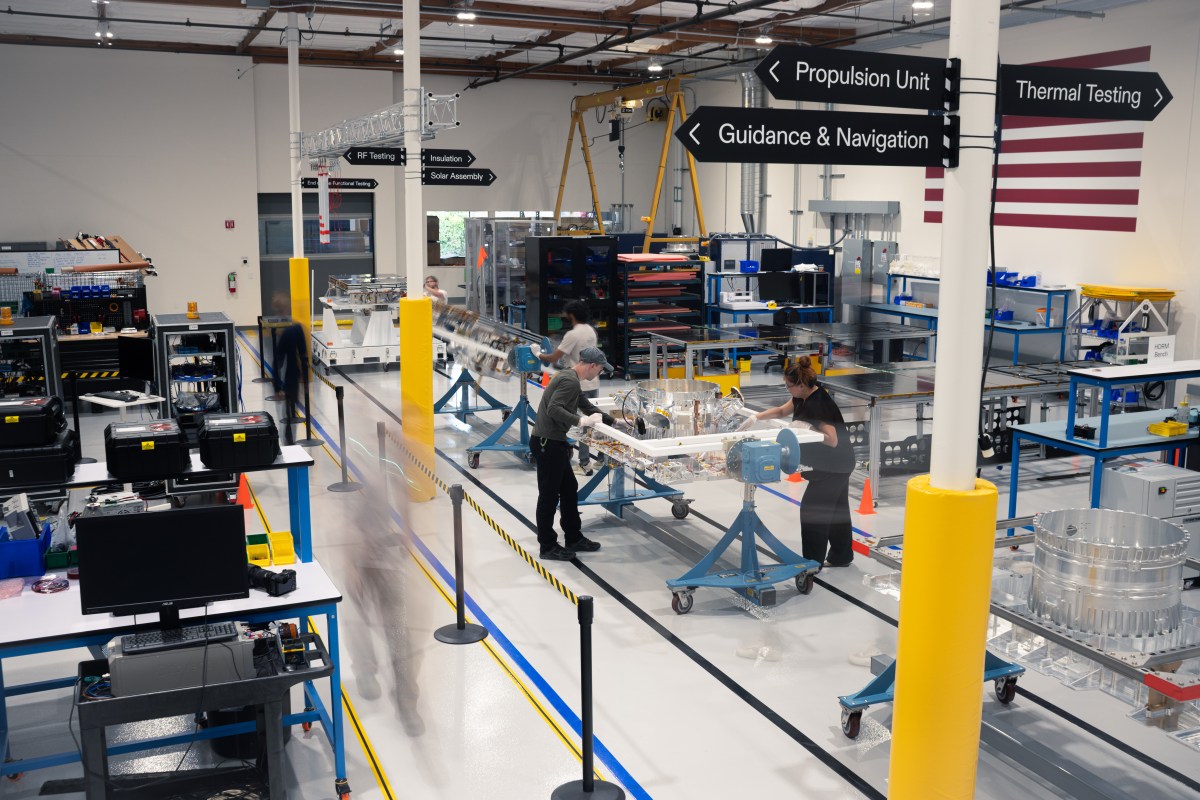
本月晚些时候,SpaceX的火箭将为Xona发射六颗卫星。其中四颗与该公司去年发射的验证技术原型卫星类似,均基于Aerospace Labs的卫星平台打造。另外两颗卫星则完全由Xona在其位于加利福尼亚州伯灵格姆的总部自行研制,它们将成为该公司名为“Pulsar”的由258颗卫星组成的运营星座的基础。
Later this month, a SpaceX rocket is scheduled to launch six satellites for Xona. Four are similar to a prototype the company launched last year that proved its technology; those satellites are built around a satellite platform from Aerospace Labs. The other two satellites were built entirely by Xona at its Burlingame, California headquarters, and are intended to be the foundation of the company’s 258-satellite operational constellation, called Pulsar.
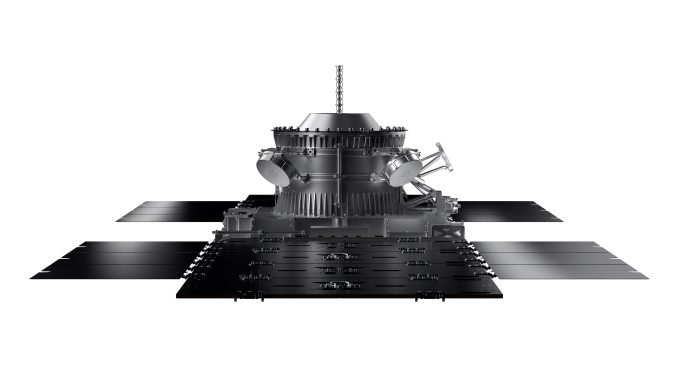
Pulsar星座提供的定位精度可达厘米级,远超当前GPS的米级精度;其信号强度足以在建筑物内部及城市环境中被接收。曼宁还认为,该信号强度足以有效防范潜在的干扰与欺骗行为。
Pulsar will offer centimeter-level precision for geolocation, instead of the meter-level precision provided by GPS, and its signal is strong enough to be detected inside buildings and in urban environments. Manning also believes its signal is powerful enough to deter would-be jammers and spoofers, too.
一旦卫星进入轨道并每天约八次飞经中纬度地区上空,Xona便可开始邀请真实客户参与Pulsar的测试。
Xona can begin beta-testing Pulsar with real customers once its satellites are in orbit and passing overhead the mid-latitudes about eight times a day.
专门从事电子计时技术研发的TimeBeat公司首席执行官伊恩·戈夫表示,此次初步测试能让该公司的工程师们检验并修正全球各地设备所显示的计时数据。到2028年,Xona计划实现对美国、欧洲、日本及韩国的全面信号覆盖。
Ian Gough, the CEO of TimeBeat, a company that specializes in electronic timing, says the initial pilot will allow his engineers to check and correct the timing provided by its devices around the world. By 2028, Xona hopes to offer full coverage in the U.S., Europe, Japan, and South Korea.
自创立以来,Xona已从风险投资机构处筹集到逾3亿美元资金,其中包括美国太空军提供的2000万美元资助。虽然该公司致力于提供商业服务,但随着卫星导航信号遭干扰与欺骗的情况在各类冲突中愈发频发,美国政府显然也对这项技术抱有浓厚兴趣。
Xona has raised just over $300 million from venture investors since its founding, including $20 million from the U.S. Space Force. While the company is focused on offering a commercial service, the U.S. government is clearly interested in the technology, as jamming and spoofing of satellite navigation services become increasingly common in conflicts.
虽然新开发的精准定时信号服务拥有数十亿潜在用户,但Xona也在着眼于一个自动驾驶日益普及的未来。Reid的毕业论文促成了这家公司的诞生,如今他担任公司的首席技术官。他曾在福特汽车公司参与自动驾驶汽车的研发工作,深知像Pulsar这样的服务对于充分发挥各类自动驾驶车辆的潜力至关重要。
While there are literally billions of potential users for a new precision timing signal, Xona is also looking ahead to a world of growing autonomy. Reid, whose thesis inspired the company and who now serves as its CTO, worked on self-driving cars at Ford and saw that a service like Pulsar would be needed to realize the potential of autonomous vehicles of all stripes.
Xona的总部拥有绝佳视野,可以俯瞰旧金山国际机场上飞机起降的景象。曼宁指着这些飞机说道:“在所有大众交通工具中,民用航空的安全标准堪称典范。我们认为Xona正在打造的服务将在其中发挥重要作用——为汽车提供精准定时信号,让驾驶者即便松开方向盘也能拥有如同坐在民航客机上一般的安全感。”
Xona’s headquarters boasts an incredible view of planes landing at San Francisco International Airport. Watching the jets come in, Manning points out that among “all the forms of mass transportation, the gold standard for safety is civil aviation. We see Xona and what we’re building being able to play a big part in that … to provide the service to a car, so you can feel as safe taking your hands off the wheel as you are laying back in an airliner.”