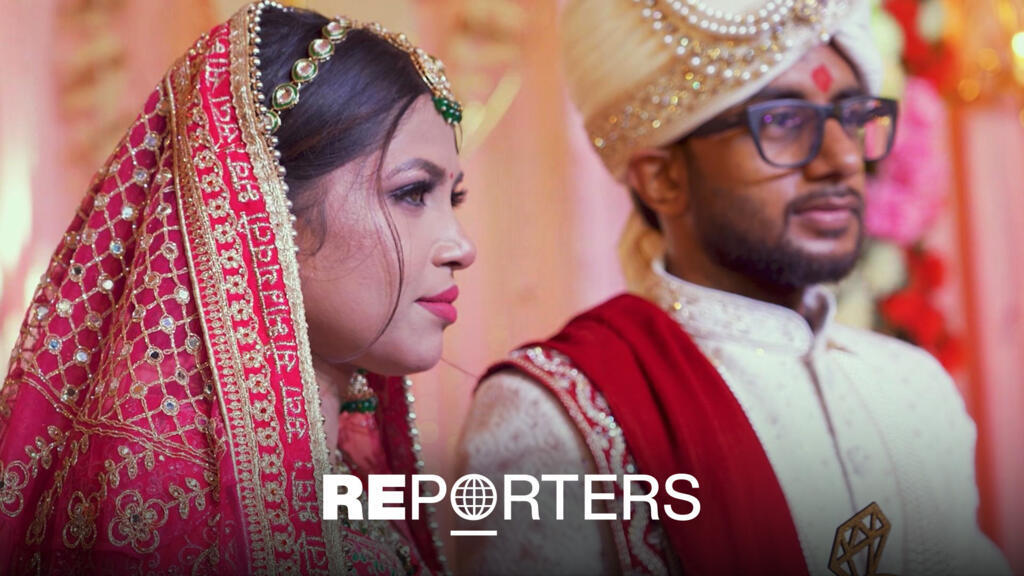
2024年,印度共发生5,737起与嫁妆相关的死亡事件,平均每天约有16名女性因此丧生。尽管这一习俗在六十多年前便已被法律明令禁止,但所谓“嫁妆”——即新娘家庭在女儿出嫁时向其夫家赠送金钱或贵重物品的做法——至今仍在印度社会中根深蒂固。我们的记者为您带来相关报道。
India recorded 5,737 dowry-linked deaths in 2024, an average of around 16 women a day. Despite being outlawed more than six decades ago, the practice of dowry – the transfer or money or valuables from a bride's family when she gets married – remains deeply entrenched across Indian society. Our correspondents report.
所谓嫁妆,指的是新娘家庭在结婚时向新郎或其家人赠送的金钱、房产、车辆、珠宝及其他贵重物品。虽然印度于1961年便通过《禁止嫁妆法》对这一习俗予以禁止,但婚礼前后索要现金与财物的现象依然屡见不鲜。
Dowry refers to the transfer of money, property, vehicles, jewellery or other valuables from a bride's family to the groom or his family as part of a marriage arrangement. The practice was outlawed under India 's Dowry Prohibition Act in 1961, but demands for cash and goods continue to be made before and after weddings.
这种财物的转移完全由新娘一方承担。长期以来,印度社会一直存在根深蒂固的性别偏见,女性出生往往被视为一种劣势。尽管法律严禁产前性别鉴定,但研究显示,2000年至2019年间,印度约有900万女性胎儿被人为终止妊娠。人们偏爱男孩的根源在于传统社会观念:男性被视为未来的养家糊口者,而女性则被视作经济负担,其主要使命便是嫁出去。正因如此,男方及其家人便以“娶走一个负担”为由,要求女方家庭提供各种奢侈品作为回报。
This transfer is specifically done from the bride's side. India has long dealt with deep-rooted gender bias, where being born a woman is often seen as a disadvantage. Despite a legal ban on prenatal sex determination, research shows that between 2000 and 2019, nearly 9 million female foetuses were aborted in India. The preference for sons stems from rooted social attitudes: men are viewed as future breadwinners, while women are seen as financial burdens whose primary role is to be married off. And in exchange for marrying the woman who is considered a burden, men and their families demand luxury items.
在某些地区,嫁妆要求甚至形成了一种“市场机制”:各家庭会根据新郎的学历、职业及收入状况来讨价还价。那些在政府机关工作或拥有稳定高薪工作的男性,往往能提出更为苛刻的条件。即便有些家庭口头上拒绝使用“嫁妆”这一说法,却也乐于接受那些以“自愿赠礼”名义送给新娘或新郎的贵重物品。
In some communities, dowry demands can function like a market, with families negotiating according to the groom's education occupation and income. Government employees and men with secure, well-paid jobs can command particularly high demands. Even families that reject the word "dowry" may accept expensive gifts presented as voluntary offerings to the bride or groom.
这类要求往往在婚礼之后仍持续存在。许多女性被迫继续从娘家索取更多金钱、房产或奢侈品。那些无法满足这些要求的女性则可能遭受骚扰、身体暴力甚至被抛弃;在极端情况下,甚至会导致死亡。
These demands often do not end with the wedding. Many women face pressure to continue bringing additional money, property or luxury goods from their families. Those who cannot meet these demands may face harassment, physical violence, abandonment or, in the most extreme cases, death.
价值数十亿美元的婚礼产业:嫁妆与印度庞大的婚礼经济息息相关。据估计,印度每年的婚礼相关消费额高达约1300亿美元,众多家庭在仪式举办、珠宝首饰、服装购置及礼物赠送等方面不惜重金。
A multi-billion-dollar wedding industry Dowry is also linked to India's enormous wedding economy. Indian weddings are estimated to generate around $130 billion a year, with families spending heavily on ceremonies, jewellery, clothing and gifts.
对许多家庭而言,来自社会的压力极为沉重。为凑齐婚礼开支及支付嫁妆费用,一些家庭不得不借贷甚至变卖资产。
For many families, the societal pressure is immense. Some borrow money or sell assets to meet wedding expenses and dowry demands.
官方犯罪数据显示,2017年至2022年间,与嫁妆相关的死亡事件共计35,493起。警方每年还接到数万起涉及因索要嫁妆而引发的虐待与骚扰案件。不过,活动人士及研究人员指出,由于大量案件未被上报,这一问题的实际严重程度难以准确衡量。
Official crime data recorded 35,493 dowry-linked deaths between 2017 and 2022. Police also tens of thousands of cases each year involving cruelty and harassment linked to dowry demands. But activists and researchers say the true scale of the problem is difficult to measure because many cases go unreported.