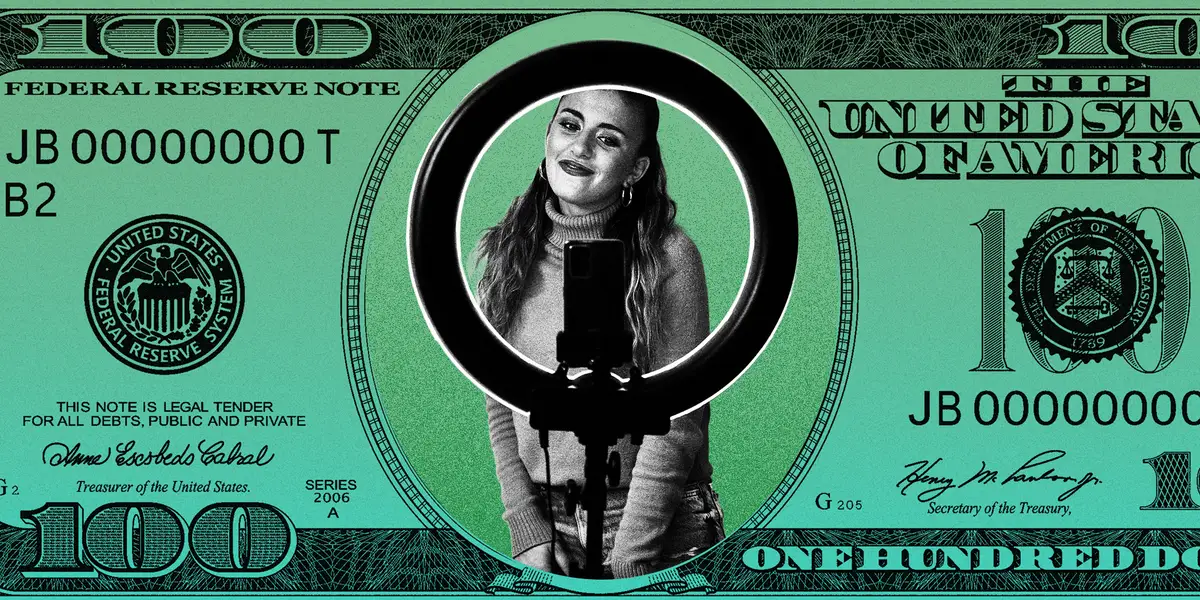
高收入人群十分青睐网红,也更倾向于信任他们推荐的产品。这是Morning Consult受《商业内幕》委托开展的一项新研究得出的核心结论。今年9月,该研究对约2000名美国成年人进行了调查。结果显示,年收入超过10万美元的人群更信任网红,更容易受网红观点影响,甚至还有不少人希望自己也能成为网红。这一比例明显高于年收入在5万至10万美元之间以及不足5万美元的群体。
High earners love influencers and are more likely to trust the products they recommend. That's the core takeaway of new research conducted exclusively for Business Insider by Morning Consult. Those earning over $100,000 a year were more likely to trust influencers, be politically swayed by them, and want to become influencers themselves, according to a survey of about 2,000 US adults in September. That's compared to those earning $50,000 to $100,000, and less than $50,000.
G&B Digital Management公司的人才总监阿曼达·阿塞韦多指出,其中的逻辑其实很简单:拥有充裕可支配收入的人群更容易与网红产生共鸣。“普通网民都知道网红能赚到不少钱,”阿塞韦多说道,“如果你无法从他们身上看到自己的影子,或者觉得他们的生活经历与自己截然不同,就很难产生认同感。”在创作者经济中,这种认同感正是建立信任的基础。
Amanda Acevedo, director of talent at G&B Digital Management, pointed to a simple dynamic: Influencers feel more relatable to those with disposable income. "The general population online knows creators make good money for themselves," Acevedo said. "I think it's hard if you don't see yourself in them, or you don't feel like they're having the same life experience." Relatability is core to trust in the creator economy.
“收入提高后,人们就不会觉得网红脱离现实了,因为自己也能产生共鸣——毕竟消费能力也提升了,”Rella品牌创始人、前生活类网红娜塔莉·巴尔布说道。Morning Consult的调查显示,61%的高收入人群信任网红的产品推荐,而低收入群体的这一比例仅约为一半。此外,高收入人群中也有更多人表示,如今自己对网红的信任度较几年前有所提升。
"When you are making more money, you don't view them as out of touch because you can relate to it a bit more — you have more spending power," said Natalie Barbu, founder of Rella and a former lifestyle influencer. In the Morning Consult survey, 61% of high earners trusted influencer product recommendations, compared with about half of those in lower-income brackets. They were also more likely than their lower-income peers to say they trusted influencers more now than they did a few years ago.
网红们光鲜亮丽的生活确实容易让人羡慕。但实际上,很多网红的收入并不丰厚;即便属于收入中等的创作者,也常常试图营造出奢华的生活状态。不过,众多创作者与营销从业者都指出,低收入人群可能会越来越觉得自己与网红之间存在隔阂。Gild Creative Group公司的首席执行官蒂芙尼·哈丁表示,在戛纳国际创意节上与品牌洽谈合作时,她特意考虑到了这一点。“我们格外注意避免传递出‘我们在享受奢华生活,而你们却无法企及’的暗示,”她说道。
It's easy to envy the glamorous influencer lifestyle. In reality, many influencers aren't rolling in money — though even those in the creator middle class often seek to project a luxurious existence. Still, creators and marketers said lower-income people may feel increasingly disconnected from influencers. Gild Creative Group CEO Tiffany Hardin said she had to take that dynamic into consideration when partnering with a brand at the Cannes Lions ad bash. "We were really careful not to be like, 'We're on the boat, and you're not,'" she said.
网红们正在回应部分受众对经济动荡的担忧。“人们已经厌倦了被不断推销以及那些不真实的内容,”Acevedo说道,“大家渴望回归简单。”Acevedo与网红营销平台Fohr的执行副总裁Grace Murray-Vazquez表示,他们注意到,品牌方推动的购物分享、开箱视频和品牌旅行活动正在减少。“品牌方越来越意识到,人们不再仅仅追求关注,而是渴望信任、认可与共鸣,”Murray-Vazquez说道。
Influencers are responding to the economic jitters of some of their audiences. "People are getting drained of being sold to and things that aren't authentic," Acevedo said. "There's an urge to go back to simplicity." Acevedo and Grace Murray-Vazquez, an EVP at influencer marketing platform Fohr, said they'd noticed a decline in brands pushing for hauls, unboxings, and brand trips. "Brands are increasingly aware of the fact that they're not just wanting attention, they're wanting trust and consideration and relevance," Murray-Vazquez said.
网红内容要想真正打动受众——尤其是推广品牌时——就必须显得真实。生活方式类网红Jen Worman表示,在15年的内容创作中,她发现分享个人生活有助于向粉丝推广产品,而这些粉丝的平均收入约为10万美元。“我认为,越能与你产生共鸣的人,就越愿意将商品加入购物车,”她说。Murray-Vazquez表示,创作者以“大姐姐”形象出现或分享人生智慧的内容,目前正受到广泛共鸣。
For influencer content to land — especially if it's promoting a brand — it needs to feel real. Lifestyle influencer Jen Worman said in her 15 years of posting, she's learned that opening up about her personal life has helped her sell to her followers, who she said have an average income of around $100,000. "I do think people who are more able to relate to you are more willing to add to cart," she said. Murray-Vazquez said content in which the creator comes off as an older-sister figure or shares wisdom is resonating right now.
她指出,创作者起初可能显得亲切可近,但随着事业的发展,生活方式也可能随之改变。她还补充道,制造让受众疏离的内容,与给予他们“值得仰望的存在”之间有着本质区别。成功留住粉丝的创作者,“不会与受众的真实生活脱节,”她说。Hardin表示,网红最不希望看到的内容,是让粉丝感到不适并脱口而出“咦,好恶心”的那种。
Creators start out feeling relatable, but as their careers grow, their lifestyles can change, Murray-Vazquez said. There's a difference between making content that isolates an audience and giving them "something to look up to," she added. Creators successfully retaining their fans "don't lose touch with the lived reality of their audience," she said. What influencers don't want, Hardin said, is content that makes followers shudder and say "ew."
而对创作者而言,这种“恶心”的时刻可能比一时的尴尬更严重。“一旦创作者失去了可信度,无论内容主题是什么,他们都会失去受众,”Hardin说道,“作为创作者,你将不再是一个有合作价值的对象,因为品牌无法再借助你来触达目标受众。”
And for creators, that "ew" moment can be worse than a momentary embarrassment. "Once that creator loses trustworthiness, no matter the topic, then they lose their audience," Hardin said. "As a creator, you're no longer viable to a brand that wants to leverage you as the proxy to reach an audience."