是否应该允许人们从养老金账户中支取资金用于购房?“一国党”最近提出了这样的建议,自由党议员安德鲁·布拉格也重新提起了这一想法。财政部长吉姆·查尔默斯则指出,反对党联盟与“一国党”都在试图“觊觎养老金”,企图破坏这一退休储蓄制度。他还预测,下一次联邦大选将成为关于养老金制度的全民公投。
Should you be able to take money out of your super to pay for housing? One Nation has recently suggested you should. Liberal senator Andrew Bragg has also revived the idea. The treasurer, Jim Chalmers, tells us the Coalition and One Nation are “coming after super” and want to “vandalise” the retirement savings scheme. He also predicts the next federal election will be a referendum on super.
在当前全国性的生活成本危机与住房短缺背景下,探讨我们为退休而储蓄的金额与当下可使用的资金之间的平衡似乎合情合理。讨论调整这一平衡是否有助于缓解生活成本压力,抑或会加剧这种压力,也理应不会引起争议。不过,利用养老金购买住房的提议却引发了激烈争议。
In the midst of a national cost of living crisis and housing shortage, it would seem reasonable to ask about the balance between how much money we are saving for retirement and how much money we have to use now. It would also seem uncontroversial to discuss whether altering that balance will assist with cost-of-living pressures or add to them. The idea of using super for housing is hotly contested.
为何会出现这种情况呢?答案就藏在澳大利亚私人退休储蓄制度的发展历程、围绕其制度设计所展开的种种争论,以及各方对这个规模达4.8万亿澳元的巨额资金池的控制权争夺之中。
Why is this the case? The answer resides in the history of Australia’s private retirement saving system, the battles over its design and, ultimately, for power over a $4.8tn savings pool.
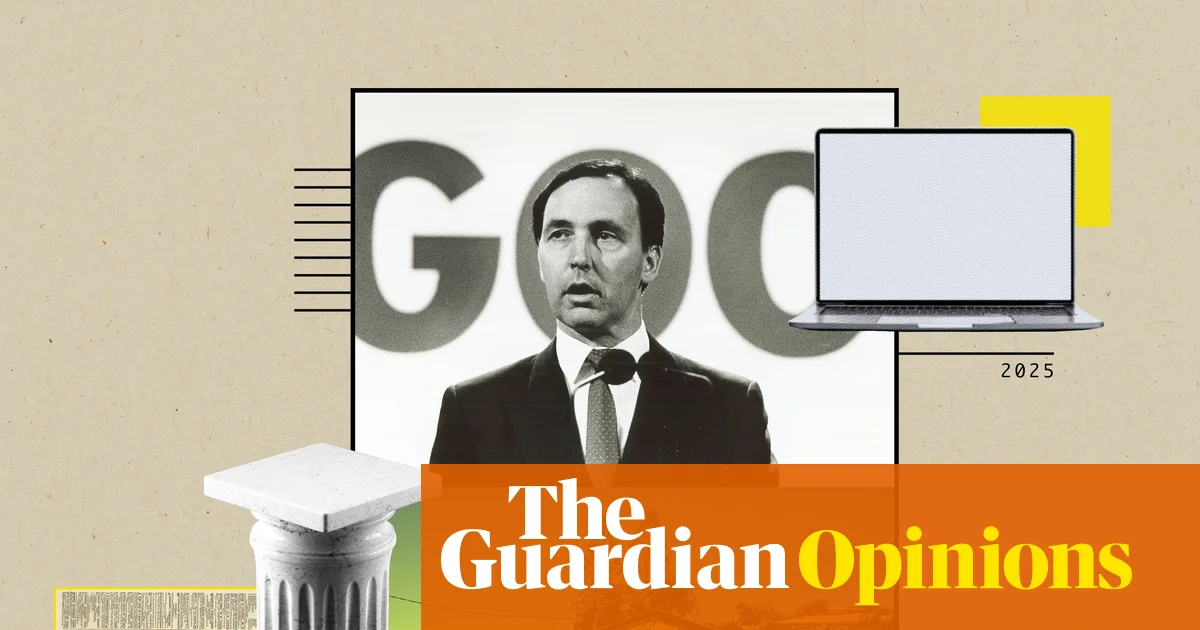
1992年,基廷领导的工党政府正式立法确立了全国强制性养老金制度。保罗·基廷与前澳大利亚工会理事会秘书长比尔·凯尔蒂被视为该制度的奠基人;在养老金制度推行30多年后的今天,他们依然是相关讨论中的重要声音。
The national system of compulsory superannuation was legislated in 1992 by the Keating Labor government. Paul Keating and former ACTU secretary Bill Kelty are regarded as the founders of the system and continue to be active voices in the debate more than 30 years after superannuation was introduced.
1992年的这项立法源于工会组织发起的争取“养老金权利”的劳工运动。在养老金改革之前,大多数劳动者退休后只能依靠政府的老年养老金维持生活。拥有养老金的人则仅限于部分白领阶层与政府雇员,且以男性为主。
The 1992 legislation grew out of industrial campaigns by trade unions for a “right” to superannuation. Before the superannuation reforms, most workers received only the government age pension in retirement. Those who also had superannuation were limited to some white-collar workers and government employees, and mostly to men.
正如凯尔蒂在接受我为撰写书籍而做的采访时所说:“在养老金制度出现之前,一旦被解雇,工人就一无所有。” 凯尔蒂回忆道,养老金制度推行后,人们普遍认为“绝不能再让工人陷入一无所有的境地”。正因如此,工党及整个劳工运动都将养老金制度视为一项社会正义举措,并视自己为该制度的维护者与守护者。
As Kelty put it in an interview with me for my book, “before superannuation, when you got the sack, you got nothing”. When super was introduced, Kelty recalled there was a sense that “never again can you leave workers in a position where they’ve got nothing.”For these reasons the Labor party and the broader labour movement regard themselves as proprietors and custodians of superannuation as a social justice measure.
自由党最初出于意识形态与政治考量反对全民养老金制度。强制要求工人交出部分工资,这与崇尚自由企业的政党理念背道而驰。正因如此,如今像自由党议员蒂姆·威尔逊这样的人才会强调:养老金实际上是“属于你自己的钱”,只是被政府强制征收罢了。联盟党内部始终对行业养老金基金、工会与工党之间的关联抱有深深的疑虑。
The Liberal party originally opposed universal superannuation for ideological and political reasons. Forcing workers to hand over a portion of their wages was anathema to a party of free enterprise. Hence the reminder today by people like Liberal MP Tim Wilson that superannuation is “your money”, compulsorily acquired by government mandate. There was – and still remains – a deep suspicion within the Coalition about the links between industry superannuation funds, the unions and Labor.
20世纪80年代末,时任影子财政部长约翰·霍华德将后来促成养老金立法的行业协议称为“基廷/凯尔蒂协议”,称其实际上是“由工会领袖掌控的工会专用资金库”。后来他又将全国性养老金立法斥为“无异于议会层面对雇主资产的没收”。
In the late 1980s, then shadow treasurer John Howard characterised the industrial precursor to the superannuation legislation as the “Keating/Kelty accord”, creating a “union slush fund which would be controlled by union bosses”. He later labelled national superannuation legislation as “nothing short of parliamentary confiscation of the assets of employers”.
《养老金保障法》颁布后,自由党虽最终承认养老金制度已不可逆转,但仍试图按照自身的理念对政策加以改造。
After the Superannuation Guarantee was legislated, the Liberal party would come to accept that superannuation was here to stay, but it sought to refashion the policy in their philosophical mould.
2005年,霍华德与时任财政部长彼得·科斯特洛推出了允许员工自主选择养老金基金的法案。这一改革意味着员工不再因行业薪酬协议或劳资协议而被强制归入某个特定养老金基金,而是可以自行决定储蓄资金的去向。此举意在引导资金脱离那些与工会关系密切的行业养老金基金,同时推动私人资本进入养老金市场。
In 2005, Howard and then treasurer Peter Costello introduced choice-of-fund legislation. The choice changes meant that employees would no longer be defaulted into a superannuation fund because of their industrial award or agreement but instead have the option of choosing where their savings went. This was an effort to divert savings away from industry superannuation funds with union ties and an attempt to open superannuation to the private market.
自由党此前也曾提出过将养老金用于购房的提议。事实上,正如一些人所指出的,目前已有途径可借助养老金来支付首套房首付。特恩布尔政府于2017年推出了“首套房养老金储蓄计划”,允许个人每年自愿向养老金账户缴纳最多1.5万澳元,累计上限为3万澳元;这笔资金可被提取出来用于支付首套房首付。
There have been earlier proposals by the Liberal party to use super for housing, too. Indeed, as some have pointed out, there already exists a means to use superannuation for a first home deposit. The Turnbull government introduced the First Home Super Saver Scheme in 2017, allowing individuals to make up to $15,000 in voluntary superannuation contributions per year, to a maximum of $30,000 in total, which could be withdrawn to help fund a first home deposit.
工党当时反对该计划,时任影子财政部长克里斯·鲍文称其“从根本上破坏了澳大利亚的养老金体系”,还会“推高购房需求、导致房价虚高,进而令住房可负担性状况恶化而非改善”。基廷则将这一早期提案形容为“连作为一个设想都称不上,完全不负责任”。
Labor opposed the scheme, then shadow treasurer Chris Bowen characterising it as a “fundamental undermining of Australia’s superannuation system” and one that will “make housing affordability worse, not better, by pushing up demand and overinflating prices”. Keating described the earlier proposal for the scheme as “not responsible enough even to be considered a thought bubble”.
莫里森政府在2022年大选时推出了“养老金购房计划”,根据该计划,首次购房者可动用其养老金账户中最多40%的资金用于购房,上限为5万澳元。
The Morrison government went to the 2022 election with the Super Home Buyer policy, under which first home buyers would be able to use 40% of their super, up to $50,000, towards buying a home.
如今,这些同样的论点也被政界人士以及各类与养老金体系内不同利益方存在关联的养老金利益团体用来推动相关提案。部分团体与非营利性及行业养老金基金关系密切,这些基金的董事会中雇主与雇员代表人数相当;另一些团体的成员则来自营利性零售行业。
These same arguments have been used to advance the current proposals by politicians as well as superannuation interest groups who have their own links to different actors in the system. Some groups have ties to not-for-profit and industry funds, which have equal representatives of employers and employees on their boards. Others have members from the for-profit retail sector.
“养老金会员委员会”(SMC)是由包括以“对比两者”广告而闻名的“澳大利亚行业养老金协会”在内的两家原行业权威机构合并后成立的。该委员会发现,在莫里森政府推出的新冠疫情相关养老金提前支取政策实施期间,约有72.5万澳大利亚人几乎掏空了自己的养老金账户。这项政策是疫情初期为帮助收入中断的民众提取“自己的钱”而立法实施的;直到此后才出台了“就业保障计划”相关改革措施。
Super Members Council (SMC) was created after a merger of two former peak bodies, including Industry Super Australia, with its famous ‘compare the pair’ ads. SMC found that the Morrison government’s Covid-19 early release scheme saw about 725,000 Australians effectively wipe out their superannuation accounts. This was a measure legislated in the early days of the pandemic to allow people to access ‘their own money’ when many lost their incomes.
近期,布拉格参议员在面向零售基金行业组织“金融服务委员会”的演讲中,再度引发了关于将养老金用于购房的激烈讨论。他指出,基廷本人早在1993年就曾提出过将最多1万澳元养老金用于购房的设想。
It was only afterwards that the jobkeeper reforms took place. Recently, Senator Bragg re-ignited the super-for-housing debate in an address to the retail fund-aligned Financial Services Council. He pointed out that Keating himself floated the idea of using up to $10,000 for housing in 1993.
住房问题实际上是养老体系中一个隐形的重要支柱。那些退休后仍需租房的人,尤其是单身人士,陷入贫困的可能性更高。解决这一问题的其他途径还包括完善税收与转移支付制度,或者提高联邦政府向退休者提供的租房补贴。
Housing is an unofficial pillar of the retirement system. Those who rent in retirement, especially single people, are more likely to be living in poverty. There are other measures to address this issue, namely the tax and transfer system or potentially boosting Commonwealth Rent Assistance to retirees.
养老金体系本身十分复杂,许多人难以理解其运作机制;更何况还有众多利益相关的各方都在试图影响这笔资金的使用方式。
Superannuation is a complex system that many find hard to understand, especially with so many actors who have a dog in the fight over how the savings pool should be used.
设立养老金制度的初衷是为了解决一个实实在在的社会问题:确保澳大利亚人退休后能获得高于养老金标准的收入,从而避免晚年陷入贫困。然而住房同样是一个严重的社会问题,对许多年轻澳大利亚人而言,拥有自己住房的希望正变得越来越渺茫。回顾养老金制度的发展历程并审视澳大利亚当前的住房危机现状,有助于我们理解为何会出现将养老金用于购房的提议,以及为何围绕这些提议的利弊之争至今仍未平息。
Super was created to address a genuine social problem: ensuring Australians could retire with more than the age pension and avoid poverty in old age. But housing is also a social problem, and for many younger Australians, the prospect of ever owning a home is becoming increasingly remote. Considering the history of superannuation and the scale of Australia’s housing crisis helps us understand why proposals such as using super for housing have arisen and why the debate over their merits is ongoing.