每天上午9点,整个乌克兰都会陷入寂静。在乌克兰的各个城市里,原本用于预警俄罗斯空袭的广播系统此刻播放着时钟的滴答声。平日热闹非凡的街道瞬间鸦雀无声,交通信号灯转为红色,车辆纷纷停下。整整一分钟,整个国家都暂停了活动。这是乌克兰每日举行的默哀仪式,全国上下以此缅怀在俄罗斯非法战争中丧生的人们。
Every morning at 9 a.m., Ukraine stops. Across cities in Ukraine, loudspeakers normally used to warn of incoming Russian air strikes broadcast the steady tick of a clock. City streets full of life fall silent. Traffic lights turn red. Cars stop. For one minute, a country pauses. This is Ukraine’s daily moment of silence, a nationwide act of remembrance for those killed in Russia’s illegal war.
无论是在工作场所、家中、学校、市场还是高速公路上,乌克兰民众都会驻足默哀,向那些为捍卫国家主权与自由而献出生命的人致敬,同时铭记那些因俄罗斯的侵略而失去生命的成千上万平民。这份寂静也象征着无数家庭的悲痛——他们的亲人至今仍未归来。其中就包括战争期间被俄罗斯强行带走并非法驱逐出境的数千名乌克兰儿童。
In workplaces, homes, schools, markets and on highways, Ukrainians pause to honor those who gave their lives defending their country’s sovereignty and freedom, and remember the thousands of civilians whose lives have been lost to Russia’s aggression. The silence also mirrors the absence felt by thousands of families whose loved ones have yet to come home. Among them are the thousands of Ukrainian children who have been forcibly transferred and unlawfully deported by Russia over the course of its war.
与家人及社群分离后,许多孩子的身份认同遭到破坏:他们的语言、文化乃至名字都被剥夺。还有一些平民被非法拘留在俄罗斯暂时占领的领土上。他们中的许多人仅仅因为教授母语、传承文化、反对占领或讲述自己的亲身经历便遭受迫害。部分人被转移至俄罗斯的拘留设施,在那里他们被剥夺正当法律程序、无法与家人联系、得不到必要的医疗救治,也得不到独立机构的监督。
Separated from their families and communities, many have had parts of their core identity stripped away: their language, their culture, and even their names. Others are civilians unlawfully detained in territories temporarily occupied by Russia. Many have suffered consequences for teaching their language, practicing their culture, speaking out against occupation, or sharing the truth about what they have witnessed. Some have been transferred to detention facilities in Russia, where they are held without due process, denied contact with loved ones, deprived of adequate medical care, and shielded from independent monitoring.
对于被俄罗斯扣押的乌克兰战俘而言,处境同样堪忧。归国战俘称曾遭受严酷对待,而独立机构也证实存在大量虐待行为,包括酷刑与性暴力。这些绝非战争的附带后果。俄罗斯的种种行径是屡次发生且有充分证据可查的违反国际法行为,其规模之大足以看出俄罗斯试图以此击垮乌克兰人民的意志。
For Ukrainian prisoners of war in Russian custody, conditions remain similarly concerning. Returnees have reported harsh treatment, while independent bodies have documented widespread abuse, including torture and sexual violence. These are not side effects of Russia’s war. Russia’s actions are repeated and well-documented violations of international law, carried out at scale, in an attempt to bend the will of the Ukrainian people.
每一个案例背后都承载着一段人间故事:父母在翘首以盼孩子的归来,配偶在焦急等候电话的声响,整个家庭都在期盼着亲人回家。我们深知,真正的和平就体现在这些以人为核心的故事之中——孩子回到父母身边,平民从非法拘禁中获释,战俘与亲人重聚,整个社区得以疗愈并重建。这一问题的影响范围极为广泛,没有任何一个国家或组织能够独自应对。
Behind every case is a human story: a parent waiting for a child, a spouse waiting for a phone call, a family waiting for someone to come home. We know that the true measure of peace is found in these human-centered stories. It is found in a child returned to their family, a civilian released from unlawful detention, a prisoner of war reunited with loved ones, and a community given the chance to heal and rebuild. The scope of this issue is immense, and no country or organization can address it alone.
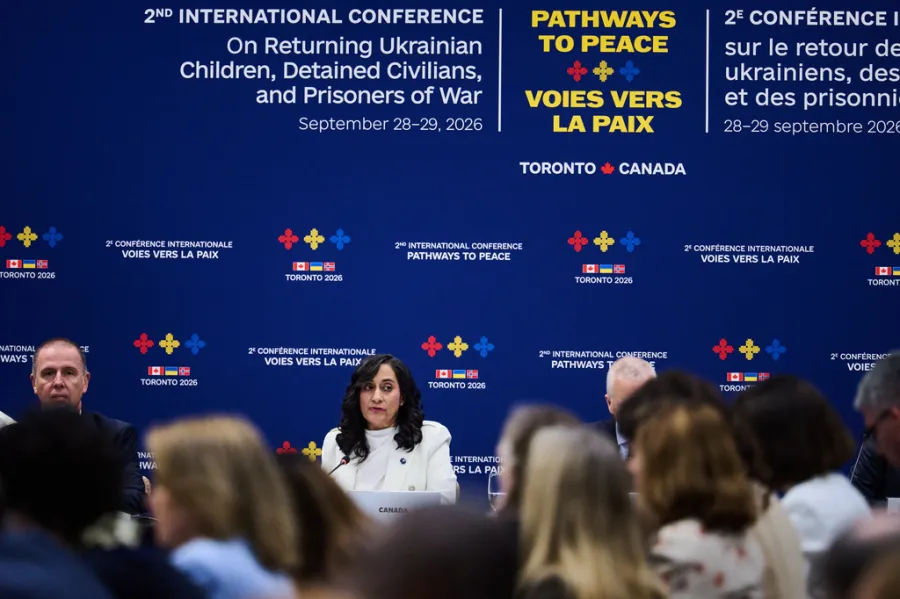
唯有各国政府、国际组织、人道主义机构以及民间社会通力合作,方能取得成效。正因如此,加拿大、挪威和乌克兰于9月28日至29日在多伦多联合举办了“通往和平之路:第二届关于乌克兰儿童、被拘平民及战俘回归的国际会议”。此次会议延续了2024年三国在加拿大主办的同类部长级会议的成果,旨在凝聚国际力量,共同助力乌克兰让被驱逐出境的儿童、被拘禁的平民及战俘平安回归、顺利康复并重新融入社会。
Success requires sustained cooperation among governments, international organizations, humanitarian actors, and civil society. This is why Canada, Norway and Ukraine convened foreign ministers and international partners in Toronto on Sept. 28 and 29 for "Pathways to Peace: Second International Conference on Returning Ukrainian Children, Detained Civilians, and Prisoners of War." Building on the progress made at the ministerial conference on the same topic, hosted by our three countries in Canada in 2024, the conference brought international partners together to support Ukraine’s efforts to return, rehabilitate and reintegrate Ukrainian deported children, detained civilians and prisoners of war.
让这些人重返家园既是人道主义之需,也是任何和平进程的关键环节,有助于建立互信,为实现公正、持久且有尊严的和平奠定基础。每一位回归者都让一个家庭重聚;每一个重聚的家庭都能强化整个社区的凝聚力;而每一个繁荣发展的社区都将助力乌克兰的重建。每天清晨,数百万乌克兰人都会静默片刻,缅怀逝者以及那些尚未归来的亲人。
Their return is a humanitarian imperative and critical to any peace process, helping to build trust and lay the groundwork of a just, lasting and dignified peace. Every person returned reunites a family. Every family reunited strengthens a community. And every community prospering helps rebuild Ukraine. Each morning, millions of Ukrainians pause to remember those who are gone and those who have yet to return.
在铭记与哀思之中,他们以非凡的勇气与智慧修复着被俄罗斯破坏的一切,彼此扶持,努力维系着那些本被俄罗斯的侵略行径试图摧毁的社区。
In their remembrance and with extraordinary courage and ingenuity, they also repair what Russia has damaged, care for one another, and strengthen the communities that Russian aggression has sought to tear apart.
我们期望“通往和平之路”倡议能够动员国际社会,不仅与乌克兰一同静默缅怀,更能携手行动,帮助所有被驱逐出境的儿童、被扣押的平民以及战俘重返家园。马克·D·怀斯曼是加拿大驻美国大使。安妮肯·休特费尔特女士是挪威驻美国大使。德尼斯·谢尼克则担任乌克兰驻美国大使馆临时代办。
It is our hope that Pathways to Peace will mobilize the international community not only to pause with Ukraine in remembrance, but to act alongside it to help bring home every deported child, detained civilian and prisoner of war. Mark D. Wiseman is ambassador of Canada to the U.S. H.E. Anniken Huitfeldt is ambassador of Norway to the U.S. Denys Sienik is chargé d’affaires, a.i. of the Embassy of Ukraine in the U.S.