美国国家航空航天局(NASA)刚刚发布了由“阿耳忒弥斯2号”任务产生的约800GB的科学数据。这些资料记录了宇航员重返月球背面的全过程,其中包括11,000张全分辨率图像与视频、总计8.5小时的语音观测记录、宇航员手写的笔记、文字记录以及“猎户座”飞船上搭载的相机所拍摄的照片。
NASA has just released about 800 gigabytes of scientific data generated by the Artemis II mission. The archive documenting the astronauts’ return to the far side of the moon includes 11,000 full-resolution images and videos, 8.5 hours of spoken observations, notes taken by the astronauts, transcripts, and photographs from the cameras aboard the Orion capsule.
NASA称,这是半个多世纪以来首次由人类直接在地球以外获取的行星科学数据。此前最接近的类似案例要追溯到阿波罗计划时期的各项登月任务。
The space agency describes this effort as the first set of planetary science data obtained outside Earth and—for the most part—directly by humans in more than half a century. The closest comparable precedent dates back to the Apollo era and its missions to the lunar surface.
除公开数据库外,NASA还发布了三份报告,总结了此次五十年来首次有载人飞船接近月球的任务所取得的成果。这三份报告分别为《“阿耳忒弥斯2号”初步月球科学报告》《“阿耳忒弥斯2号”月球科学运行报告》以及《“阿耳忒弥斯2号”月球科学数据使用指南》。
In addition to the public database, NASA released three reports summarizing what was learned during the first crewed spacecraft mission to approach the moon in five decades. These are the Artemis II Preliminary Lunar Science Report, the Artemis II Lunar Science Operations Report, and the Artemis II Lunar Science Data User Guide.
任何人都可以访问这近1TB的数据,不过此次发布的主要对象仍是科学界。虽然数据是由宇航员在任务期间采集的,但只有地球上的研究人员才能对其进行分析并得出关于月球的新发现。这些信息对行星地质学家、飞行工程师、太阳物理学家、电信与遥感领域的专家以及微流星体撞击研究专家而言尤为有价值。
Anyone can access the near terabyte of data, though the release is primarily intended for the scientific community. While the astronauts capture and collect the data during the mission, it’s the researchers on Earth who will be able to analyze it and produce new findings about the moon. The information may be particularly useful for planetary geologists, flight engineers, heliophysicists, experts in telecommunications and remote sensing, as well as specialists in meteoroid impacts.
对于太空与天文学爱好者来说,最容易获取的资料便是任务文字记录以及由宇航员亲自标注的月球照片。NASA已通过其“行星数据系统”提供集中访问渠道,该系统正是NASA存储各类行星探测任务数据的公共平台。在专门面向月球的板块中,用户可浏览“阿耳忒弥斯2号”任务下的各类数据集、文档与文件。
For space and astronomy enthusiasts, some of the most accessible materials include mission transcripts and lunar photographs annotated by the astronauts themselves. NASA has centralized access through its Planetary Data System, the public repository where it stores data from its planetary missions. In the section dedicated to the moon, users can access Artemis II and browse the various available collections, documents, and files.
若想以较为通俗的方式了解相关信息,该机构还专门设立了阿耳忒弥斯2号科学专题页面。在该页面上,用户可以下载三份相关报告、浏览精选照片并访问此次任务的音频资料库。若有人希望直接处理原始数据,则可访问行星数据系统,那里提供了各类科学文件及其元数据,可供用户自行下载与分析。
For a less technical exploration, the agency has also set up an Artemis II science page where you can download the three reports, view a selection of photographs, and access the mission’s audio library. Anyone wishing to work directly with the raw data can visit the Planetary Data System, where the scientific files and their metadata are available for individual download and analysis.
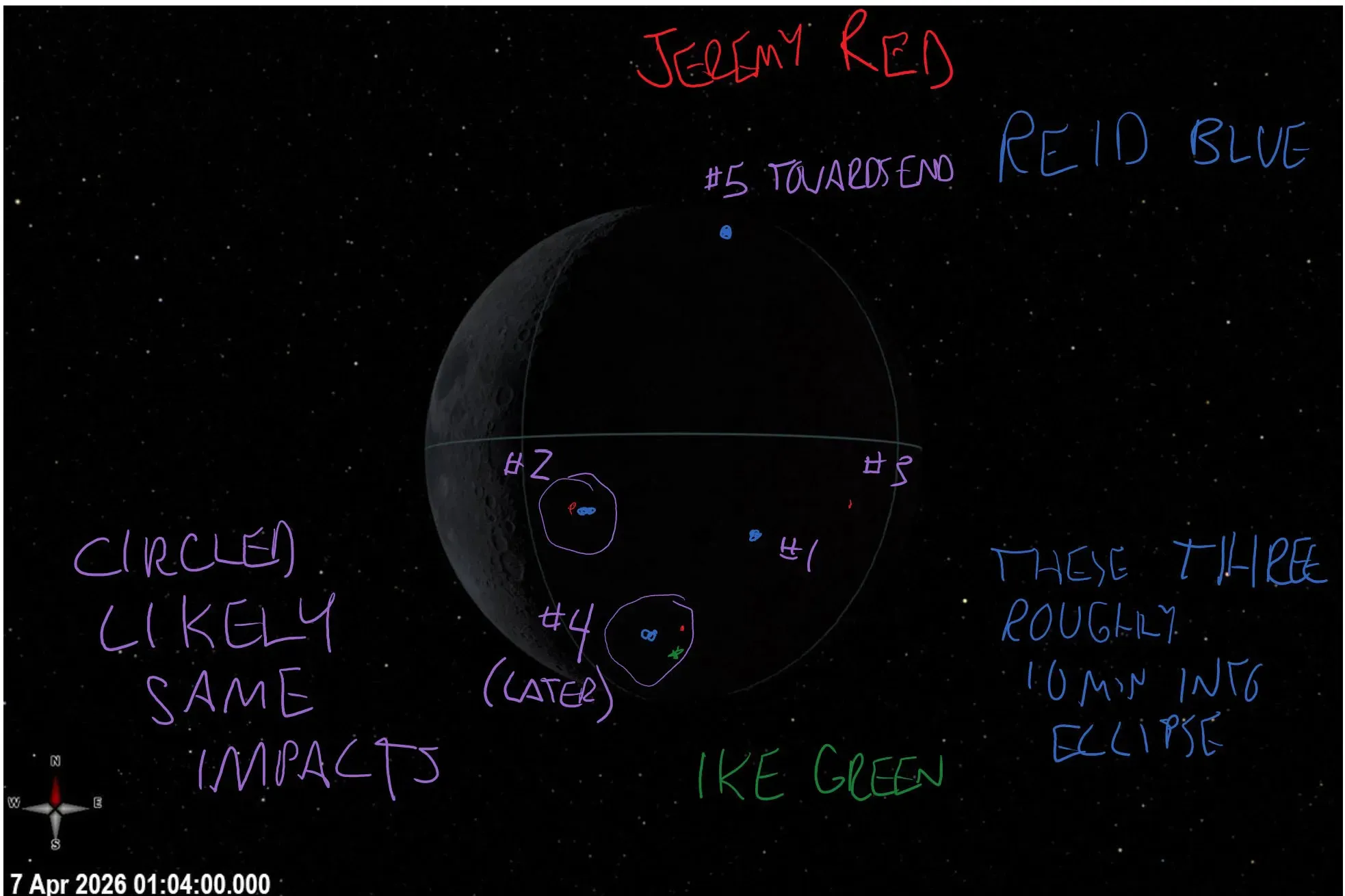
对阿耳忒弥斯2号部分数据的初步分析已取得了若干实质性成果。其中最明确的发现便是:在“猎户座”飞船乘组观测到的那次持续54分钟的月食期间,月球表面共出现了五次小型流星体撞击现象。记录下这些闪光现象有助于更准确地估算出尺寸仅几厘米的流星体撞击月球的频率——这一数值对于评估未来月球基地、航天器及宇航员所面临的风险至关重要。
Initial analyses of some of the Artemis II data have already yielded several concrete results. The most clear-cut finding is the detection of five small meteoroid impacts on the lunar surface during the 54-minute eclipse observed by the Orion crew. Recording these flashes will improve estimates of how often fragments just a few centimeters in size strike the moon—a key factor in calculating the risks future bases, vehicles, and astronauts will face.
观测数据还显示出月球不同区域的颜色、亮度与质地均存在差异,科学家可将这些数据与此前从轨道上获取的月球成分分布图进行对比研究。此外,在月球昼夜分界线附近拍摄的照片详细呈现了太阳处于地平线低处时地形与可见度的变化状况。这种环境在NASA计划开展后续阿耳忒弥斯任务的月球南极地区十分常见。因此,上述数据有助于宇航员提前预判导航、光照条件及地形识别方面可能遇到的挑战。本文最初发表于《WIRED》西班牙语版,现由原文翻译而成。
The observations also documented differences in color, brightness, and texture among various lunar regions, which scientists can compare with composition maps previously obtained from orbit. In addition, photographs taken near the terminator—the boundary between lunar day and night—show in great detail how the terrain and visibility change when the sun is very low on the horizon. These conditions will be common near the south pole, where NASA plans to conduct the next Artemis missions. These data can therefore help the astronauts anticipate challenges related to navigation, lighting, and terrain recognition. This story originally appeared on WIRED en Español and has been translated from Spanish.