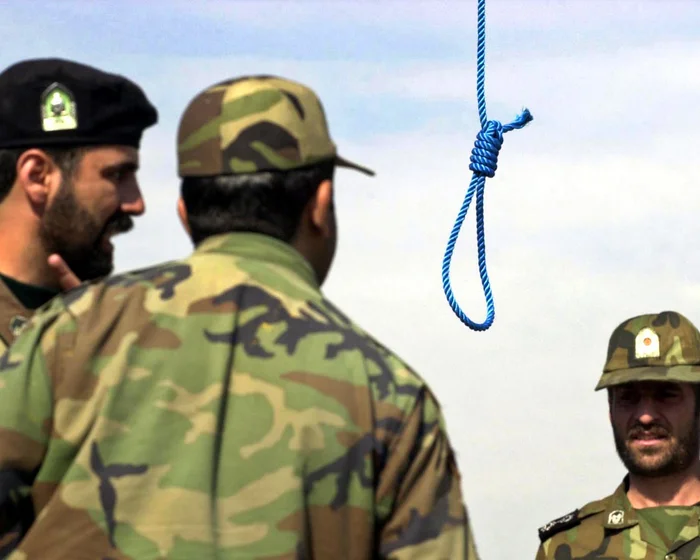
皮特·赫格塞特计划公开执行死刑,这一举动无异于在拙劣地模仿伊朗的做法。
Pete Hegseth`s plans to stage a public execution resemble a grotesque Iran-imitation game.
过去七个月里,这位自封的“战争部长”始终未能在战场上击溃德黑兰政权。如今,他竟打算效仿伊朗那种将死刑以公开仪式形式实施的恶劣做法。
Having failed over the past seven months to defeat the Tehran regime on the battlefield, the self-styled “secretary of war” now proposes to mirror its notorious practice of enforcing the death penalty as a grand public spectacle.
“我们会确保民众能够观看这一过程,让它成为一场公开的仪式,因为人们必须明白此类行为会招致极其严重的后果,”赫格塞特在右翼媒体“真实美国之声”频道上谈及计划中对尼达尔·马利克·哈桑执行死刑一事时,语气中难掩兴奋之情。哈桑曾是美军心理医生,2009年在得克萨斯州胡德堡军事基地杀害了13人。
这一计划让我立刻回想起二十多年前,我作为《卫报》记者初到伊朗时亲眼目睹的一幕。
“Well make sure that people are able to watch it, that its public, because people need to understand theres serious consequences for these types of things,” Hegseth, with barely concealed relish, told the rightwing Real Americas Voice network of the planned execution of Nidal Malik Hasan, a former army psychiatrist who killed 13 people at a military base at Fort Hood in Texas in 2009. The prospect conjures vivid flashbacks of my own experience witnessing such an event in Iran, days after arriving as a correspondent for the Guardian more than two decades ago.
当时,伊朗当局在距离德黑兰约35英里(56公里)的帕克达什特小镇上,用起重机将被判有罪的连环儿童杀手穆罕默德·比杰绞死——这与赫格塞特设想的行刑方式截然不同。
Then, the Iranian authorities hanged a convicted child serial killer, Muhammad Bijeh, from a crane – in contrast to the firing-squad execution Hegseth envisions – in the small town of Pakdasht, about 35 miles (56km) from Tehran.
相关报道于2005年3月发表在《卫报》上,那也是我为该报撰写的第一篇报道。
The resulting report was published by the paper in March 2005. It was the first I had filed for the Guardian.
如今,时隔近22年再读这篇报道,我发现自己当时用词极为克制、简练,根本无法充分描绘出当时那场骇人场景的惨烈程度,以及它对我产生的深远影响。
Reading it back now, almost 22 years later, my sparing, almost frugal, description barely does justice to the grim drama that unfolded – and its enduring effect on me.
对初到伊朗的我而言,那是一次刻骨铭心、终生难忘的经历,它让我深切体会到这个伊斯兰共和国的残酷与高压统治。从诸多方面来看,这似乎正是当局的意图所在。
It was a searing and unforgettable experience that deeply imprinted on me, as a new arrival, the ruthlessly repressive nature of the Islamic republic. In many ways, that seemed the intention.
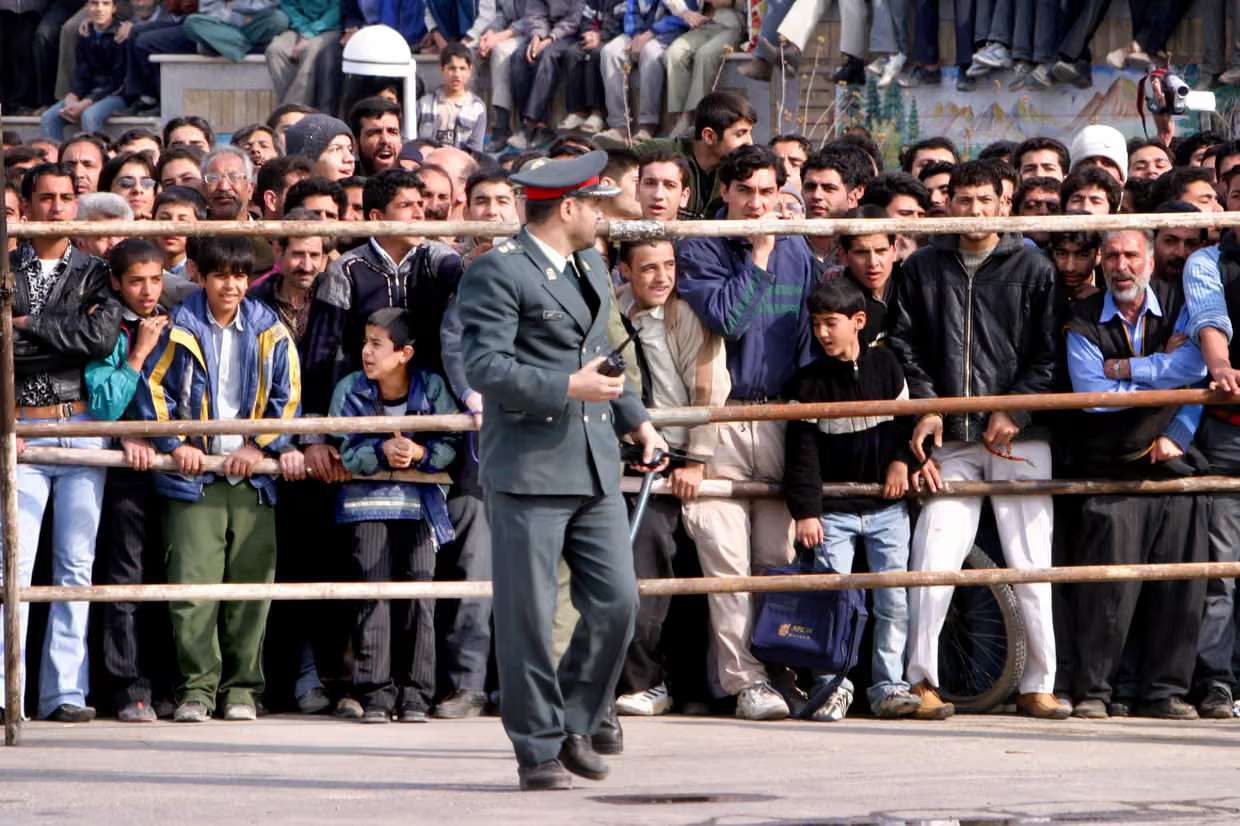
对当地民众而言,这场处决更像是一场被鼓励去观看的“表演”。我清楚地记得,警车在街上巡逻,车内警察用扩音器号召民众前来围观。
For the locals, it was an exhibition they were encouraged to attend. I clearly recall police cars touring the streets as officers inside with loud-hailers summoned the local population to watch.
我和一位BBC记者也引起了当局的注意——当时那位记者把麦克风伸出车窗,试图录下警察的喊话声,这一举动引起了注意。
I came to the authorities` notice along with a BBC correspondent, who drew attention after sticking her microphone out of our car window to record the sound effects of the police summonses.
警察拦下我们后,得知我们是外国记者,便将我们带到了一处市政办公处。在那里,一位似乎负责安排事宜的地方法院官员见到我们时显得颇为高兴。
After the police stopped us and learned we were foreign journalists, they took us to a municipal office, where a local court official – who seemed to be in charge of arrangements – appeared rather pleased to see us.
我们望向窗外,只见广场上搭起了一个类似绞刑架的临时平台,周围聚集着大批民众。这时那位官员问道:“看到这一切,你们作何感想?”
What did I think of all this, he asked, as we looked out the window at the scene in a public square, where a makeshift gallows-like platform had been erected and a crowd was gathering.
由于不确定该如何回应,加之考虑到伊朗素有驱逐“不合规矩”的外国记者之名,我有些畏缩地避重就轻。而那位BBC记者并未被问及意见,且和我不同,他持的是短期签证。他低声催促我:“告诉他,你觉得这太可怕了。”但我并未听从。当我们走到室外后,这种可怕程度才以极其残忍的方式显现出来。
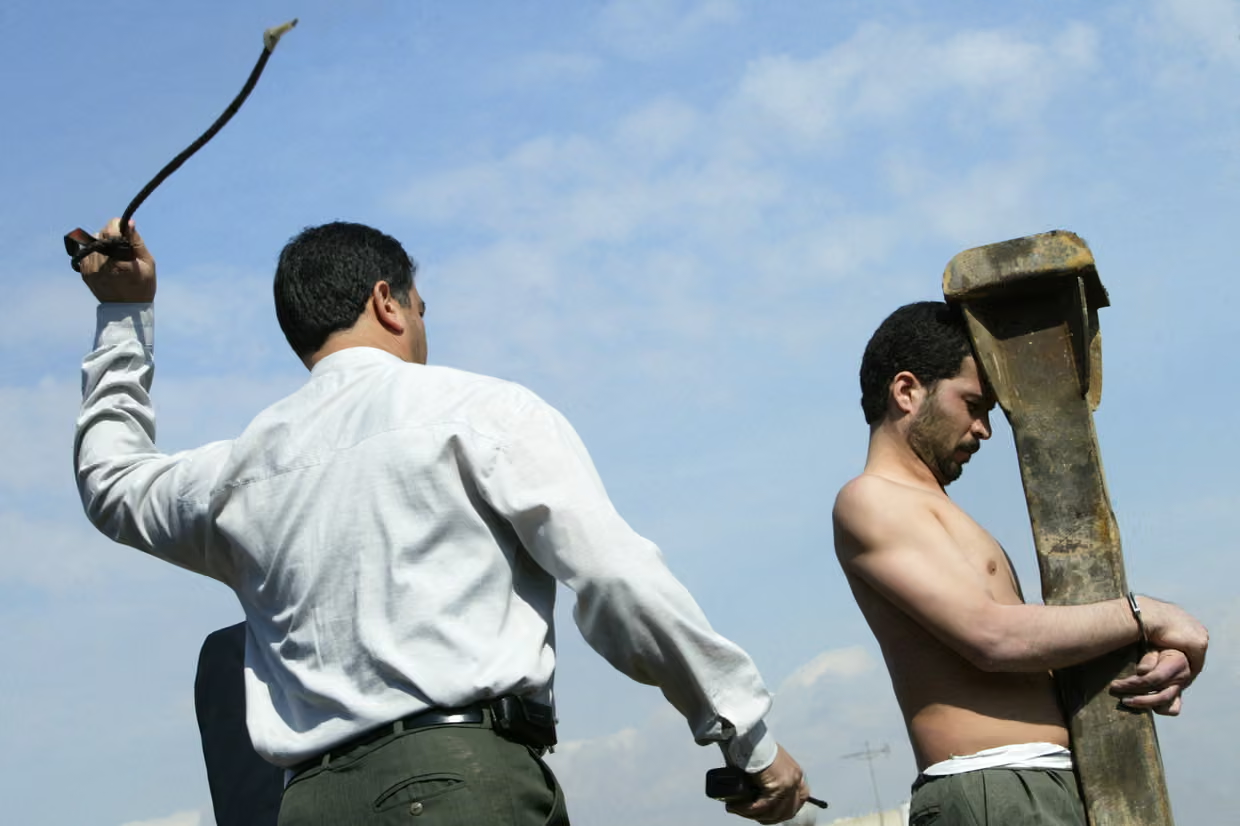
Unsure of myself, and mindful of Irans reputation for expelling aberrant foreign journalists, I hedged somewhat uncourageously, ignoring the whispered promptings of the BBC journalist – who had not been asked and, unlike me, was visiting the country on a short-term visa – to “tell him you think its awful”. How awful became gruesomely clear when we went outside. Before he was to be hanged, Bijeh, who had reportedly murdered 17 children and three adults, was to be subject to the Islamic punishment of 100 lashes.
据报道,比杰曾杀害17名儿童和3名成年人。行刑前,他须接受伊斯兰教规定的100鞭刑。我在报道中描述了官员们轮流执行鞭刑的情景。
My report describes how officials took turns to administer them. My memory is of the condemned man`s muffled cries of agony as the blows inflicted bloody streaks on his bare back, prompting the feeling that this was an officially endorsed display of sadism.
记忆中,受刑者发出闷闷的痛苦呼喊,鞭子抽打得他赤裸的背部满是血痕。这一幕让人觉得这简直就是一场官方默许的施虐表演。
就在比杰等待处决时,一个据称是被害儿童兄弟的年轻人冲上平台,用刀刺向他。
As Bijeh stood awaiting execution, a youth said to be brother of one of the child victims stormed the platform and stabbed him with a knife.
当比杰被吊上绞刑架后,暴戾之气仍未消散。人群高呼“真主至大”“让比杰去死”,而一名被害儿童的父亲则催促起重机操作员:“把他转个圈,让他荡起来!”
The thirst for violence continued as he was hoisted from the crane. The crowd chanted “Allahu Akbar” (God is great) and “marg bar Bijeh” (death to Bijeh) while the father of one of the murdered children urged the crane operator to “turn him around, make him swing”.
操作员照做了,比杰的鞋子接连脱落,最终他赤着脚,生命也一点点消逝。
When the operator obliged, Bijeh`s shoes fell off, one after the other, leaving him barefoot as the life drained from him.
我全神贯注地注视着这一切,明知自己正在目睹一场人间惨剧;但内心却保持着一种疏离感——这种疏离感直到如今仍让我心生不安。毕竟,我当时正在执行工作任务。
I watched all this with rapt fascination, knowing I was witnessing a horror – yet also with a detachment that to this day gives me pause. I was working.
当比杰那瘫软无力、毫无生气的尸体被吊在城镇广场的高处时,出于职业需要,我拍下了照片。内心深处,我不停地问自己这样做在道德上是否正确。如今我确信,这样做是不对的。这一卑劣的举动虽全由我一人所为,但或许也反映了公开处决所激发出的人类内心深处那些丑陋的冲动。
As Bijeh`s limp and lifeless body hung high up above the town square, I took, for professional purposes, a photograph – asking myself inwardly whether it was morally the right thing to do. Now, I am sure it was not. The ignoble act was all my own, but perhaps also an illustration of the uglier impulses of the human psyche triggered by a public execution.
随着那种阴森而狂热的氛围逐渐消散,先前询问过我看法的那位法庭官员又走到我面前,试图为这一场景辩护。“看看吧,民众的情绪已经平静下来了。我们必须在公开场合执行处决,”他说道。虽然我已记不起自己当时如何回应,但显然并未被说服。这并非我报道过的第一次处决。
As the dark carnival mood began to dissipate, the same court official who had canvassed my views earlier approached me to justify the scene. “Look at the way the emotions of the people have calmed down. We had to hold it in public,” he said. While I cannot recall my response, I was unconvinced. It was not the first execution I had reported on.
2001年,我曾在印第安纳州的特雷霍特,报道蒂莫西·麦克维的注射死刑。这位俄克拉荷马城爆炸案的凶手于1995年用卡车炸弹袭击了联邦政府大楼,导致168人丧生。不过那次处决是在联邦监狱内秘密进行的。由于麦克维犯下的罪行影响极大,媒体与公众才对他的死刑表现出浓厚兴趣。
I had been in Terre Haute, Indiana, in 2001 for the execution – by lethal injection – of Timothy McVeigh, the Oklahoma City bomber, who killed 168 people with a truck bomb outside a federal building in 1995. But that took place behind closed doors, in a federal prison. McVeigh`s high-profile crime accounted for the intense media and public interest in his death.
而在伊朗,官员们却刻意迎合民众的窥私欲,似乎是为了炫耀其专制权力。
In Iran, by contrast, officials had deliberately fanned voyeuristic impulses for what seemed like the purposes of flaunting authoritarian power.
对我而言,这算是初到伊朗时对这个1979年伊斯兰革命后上台的政权留下的一个“深刻印象”。在随后报道该政权的种种行径时,这一经历也成了我的道德标尺——它帮助我试图理解:为何这个政权的意识形态会与美国及西方所宣扬的价值观如此格格不入。
It amounted to a salutary first impression as I came to terms with life under an Iranian regime that took power after the 1979 Islamic revolution. It served as something of a moral compass as I reported on the regime`s actions, and tried to understand how – and why – its ideology seemed so at odds with the values proclaimed by the US and the west.
因此,如今美国国防部长竟自豪地为一场看似完全可能由德黑兰当局组织的活动铺路,实在令人费解。这不禁让人产生疑问:至少在唐纳德·特朗普执政期间,华盛顿与德黑兰的价值观是否真的存在如此大的差异呢?
How odd it now seems, therefore, for the US defense secretary to be proudly laying the groundwork for an event that feels as though it could be organized by the authorities in Tehran. It raises the question of whether, at least under Donald Trump, Washington and Tehran`s values are really so different after all.