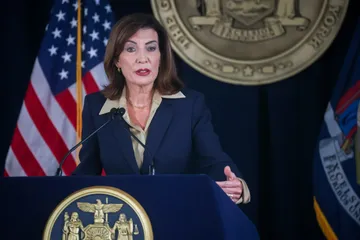
纽约州州长凯西·霍库尔周五发布声明称,她决定让纽约州加入特朗普政府颇具争议的择校计划。
New York Governor Kathy Hochul is opting her state into the Trump administration’s controversial school choice program, according to a statement released Friday.
“教育自由税收抵免”计划允许纳税人将其年度联邦税款中最高1700美元用于支持非营利组织,这些组织将向学生提供奖学金,用于支付私立学校学费、辅导费或学习用品等费用。据美国财政部估计,到2030年,该计划每年将创造近260亿美元的收入。
The Education Freedom Tax Credit allows taxpayers to direct up to $1,700 of their annual federal tax bill to nonprofits that will grant students scholarships to pay for expenses like private school tuition, tutoring or school supplies. The program is estimated to generate almost $26 billion annually by 2030, according to the US Treasury Department.
围绕择校计划的争议十分激烈,因为该计划使用公共资金资助私立教育。共和党人普遍支持此类政策,而传统上支持公共教育的民主党人和工会则通常认为,这些政策会对本已陷入困境的公立学校造成损害。
The politics around school choice programs, where public dollars fund private education, are divisive. Republicans have been generally supportive of such policies, while Democrats and labor unions that traditionally back them usually view them as harmful to already-struggling public schools.
截至9月14日,已有30个司法管辖区加入该计划,其中多数为共和党执政的“红州”。在堪萨斯州和肯塔基州,由共和党控制的立法机构推翻了民主党州长的否决,决定加入该计划。
Red states dominate the list of 30 jurisdictions that have opted in as of Sept 14. In Kansas and Kentucky, Republican-controlled legislatures overrode their Democratic governors’ vetoes to join.
尽管大多数“蓝州”领导人尚未加入或明确拒绝参与,但科罗拉多州州长贾里德·波利斯和霍库尔是少数例外。霍库尔曾在5月表示支持该计划,但直到美国财政部本月早些时候发布有关计划运作方式的指导文件后,才正式加入。
While most blue state leaders have held off or refused to participate, Colorado Governor Jared Polis and Hochul are among the few exceptions. Hochul declared her support for the program in May, but didn’t opt in until the US Treasury Department released guidance earlier this month explaining how the program will operate.
霍库尔在声明中表示:“我们相信,该计划有潜力为纽约的学生和家庭带来数百万美元的额外资金,而无需从公立学校或州、地方预算中抽取一分钱。如果这笔钱能帮助我们的孩子,我绝不会让它白白流失。”州长的这一决定使她与多位州政府官员产生了分歧。
“We believe this program has the potential to bring millions of additional dollars to New York students and families without taking a single dollar from public schools or our state or local budgets,” said Hochul in the statement. “I’m not going to leave money on the table when it could help our kids.”The governor’s decision puts her at odds with multiple state officials.
参议院多数党领袖安德烈亚·斯图尔特-考辛斯表示她反对这一决定,纽约市教育委员会主席约翰·刘参议员也持同样立场。两人都担心该计划会损害本州的公立学校系统。美国全国有色人种协进会(NAACP)纽约州分会主席L·乔伊·威廉姆斯也持相同看法。
Senate majority leader Andrea Stewart-Cousins has said she opposes the decision, as does Senator John Liu, who chairs the Committee on NYC Education. Both worry that the program would hurt the state’s public school systems. So does L. Joy Williams, president of the NAACP New York State Conference.
“纽约可以设立公立学校奖学金计划,但不能强制捐赠人为其提供资金,”曾参与民主党竞选活动的威廉姆斯表示,“我们需求最迫切的公立学校学区的学生,已经承受了私人捐赠不平等所带来的后果。”
“New York can create a public school scholarship option, but it can’t require donors to fund it,” said Williams, who has worked on Democratic campaigns. “Students in our highest need public school districts already experience the consequences of unequal private giving.”
霍奇尔表示,她一直在“直接与商界领袖沟通,他们已承诺利用该计划支持公立学校学生及其学业需求。”该州的一些非营利组织正在为这项计划做准备,计划将于明年1月生效。
Hochul said she has been “directly engaging with business leaders, who have committed to use this program to support public school students and their academic needs.”Some nonprofits in the state are preparing for the program, which goes into effect in January.
该组织的首席公共政策官杰森·科恩表示,反贫困慈善机构“罗宾汉基金会”计划在年底前至少捐赠50万美元,用于支持那些将为公立学校学生提供奖学金的非营利组织。
Robin Hood Foundation, an anti-poverty charity, plans to donate at least $500,000 before the end of the year to support nonprofits that will grant scholarships for public school students, according to Jason Cone, the organization’s chief public policy officer.
总部位于科罗拉多州的ACE奖学金基金会自2000年以来一直为私立学校提供奖学金,目前其运营体系已经完善,能够在各州管理这一联邦计划。该基金会已投入1200万美元用于建设技术平台,并计划投入2500万美元开展宣传活动,推广这项新的联邦税收抵免政策。
ACE Scholarships, a Colorado-based nonprofit that’s been awarding scholarships for private schools since 2000, has built out its operations so it can administer the federal program in every state. It invested $12 million in a technology platform and plans to spend $25 million on marketing campaigns touting the new federal tax credit.