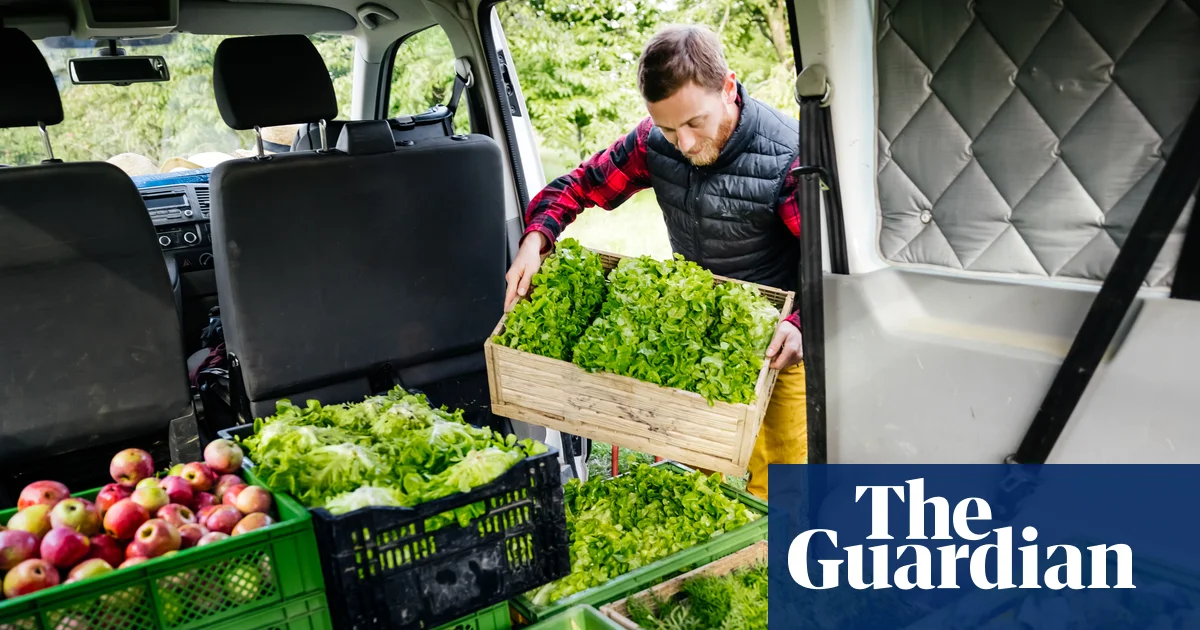
对于新鲜水果和蔬菜而言,运输环节可能会显著增加与食品生产相关的排放。
For fresh fruit and vegetables, transport can add significantly to the emissions associated with food production.
全球近三分之一的温室气体排放都与食品生产有关。那么,购买水果和蔬菜的地点是否仍然重要?
Almost a third of global greenhouse gas emissions are connected to food production. Does where you buy your fruit and vegetables still matter?
“食品里程”——即农场、工厂与餐桌之间的距离——在21世纪初开始受到关注。当时的观点是,更长、更复杂的供应链会比从本地采购的食品产生更高的排放。简单的解决方案就是:购买本地种植的农产品,并在附近购物。
ood miles – the distance between farm, factory and plate – gained prominence in the early 2000s. The idea was that longer, more complex supply chains caused higher emissions than food sourced closer to home. The simple solution? Buy locally grown and shop nearby.
然而,随后的几十年间,现代食品体系的其他环境问题也日益凸显,从畜牧业相关的排放,到食品和包装废弃物问题。
The intervening decades have underlined other environmental concerns with the modern food system, from the emissions associated with animal agriculture to the problems of food and packaging waste.
格里菲斯大学研究区域和本地食品韧性的金伯利·里斯博士表示,澳大利亚的供应链主要由超市行业塑造。食品可能跨越整个国家甚至更远的距离才能到达超市,而运输成本最终会转嫁给消费者。
Dr Kimberley Reis, who researches regional and local food resilience at Griffith University, says supply chains in Australia are largely shaped by the grocery sector. Food can travel vast distances across the country – and beyond – to reach supermarket outlets, with freight costs passed on to consumers.
但今年中东的战争重新聚焦了运输环节的作用以及自给自足的重要性,包括柴油价格飙升可能导致食品价格上涨的风险。这引发了一个问题:食品里程是否仍然重要?
But this year’s war in the Middle East has refocused attention on the role of transport and the importance of self-sufficiency, including the threat of rising food prices as a result of diesel price spikes. It raises the question: do food miles still matter?
悉尼大学的孟宇副教授指出,全球近三分之一的温室气体排放都与食品体系相关,涉及土地开垦、畜牧、作物种植、加工包装、运输和废弃物处理。
Where food miles fit in Assoc Prof Mengyu Li at the University of Sydney says almost a third of global greenhouse gas emissions are connected to the food system through land clearing, raising animals, growing crops, processing and packaging, transport and waste.
她说:“如果我们不对食品体系采取行动,就无法实现气候目标。”总体而言,畜牧业和土地开垦是最大排放源,但运输和废弃物处理同样重要。
“We cannot meet our climate goals if we don’t do anything about [the] food system,” she says. Overall, the largest contributions are connected to livestock and land clearing, but transport and waste are also significant, she says.
李教授与合著者在《自然·食品》期刊上发表的研究发现,整个供应链中的运输环节约占食品体系排放量的19%。
Transport – across the entire supply chain – makes up about 19% of food system emissions, a study co-authored by Li in Nature Food found.
她说,不同种类食品的交通排放相对重要性可能有所不同,具体取决于运输距离、运输方式(卡车、飞机、轮船、火车、汽车或步行)以及是否需要冷藏。
The relative importance of transport emissions can vary for different types of food, depending on the distance travelled, mode of transport (truck, plane, ship, rail, car or foot) and whether refrigeration is required, she says.
对于某些产品,例如牛肉和羊肉,其交通排放被其他来源所掩盖,包括牛羊消化系统产生的甲烷、为放牧而开垦土地以及粪便管理。
For some products, such as beef and lamb transport emissions are swamped by other sources, including the methane produced by the digestive systems of cows and sheep, the clearing of land for grazing, and managing manure.
“对于这些类别,比如红肉消费,我们首先减少这些排放显然更为重要,”李说。“用植物性蛋白质替代红肉,肯定比购买本地产品能提供更多[减少排放]的机会。”但对于新鲜水果和蔬菜,运输可能会显著增加总体排放,尤其是当它们被空运或用冷藏卡车长途运输时。李表示,购买本地当季的绿叶蔬菜是一个有益的举措,还能带来与健康饮食、社区建设及自给自足相关的其他好处。
“For those categories, like red meat consumption, it definitely matters more that we reduce them in the first place,” Li says. “To replace red meat consumption with plant-based protein would definitely offer greater opportunity [to reduce emissions] than buying locally.”But for fresh fruit and vegetables, transport can add significantly to the overall emissions, especially when they are flown or trucked long distances in refrigerated vehicles. Li says buying local, seasonal greens is a useful step, and can bring other benefits related to healthy eating, community building and self-sufficiency.
FoodSwitch的数据——由乔治全球健康研究所汇总的关于2.5万种超市产品的详细健康与环境信息——也显示出类似的趋势。
FoodSwitch data – detailed health and environmental information on 25,000 types of supermarket products collated by the George Institute for Global Health – shows similar patterns.
FoodSwitch的总经理弗雷泽·泰勒表示,数据分析表明,总体上减少肉类摄入,并将牛肉和羊肉替换为禽肉或素食,是人们为减少饮食带来的排放和环境影响所能做的“最重要的一件事”。
Fraser Taylor, the managing director of FoodSwitch, says analysis of the data shows eating less meat overall, and swapping out beef and lamb for poultry or a vegetarian meal, is the “biggest single thing” people can do to reduce the emissions and environmental impacts of the food they eat.
但他也指出,食品里程仍然重要,尤其是对某些产品而言。例如,巧克力和咖啡通常种植在偏远地区。“它们运到这里需要跨越相当长的距离,”他说,并且可能在其种植地导致土地利用变化和森林砍伐。
But food miles still count, particularly for certain products, he says. Chocolate and coffee, for example, are often grown in remote locations. “They’ve got a heck of a lot of food miles associated with getting them here,” he says, and can contribute to land use change and deforestation in the places where they are grown.
购买本地食品的好处 Ceres Fair Food 旨在支持本地食品体系以及其中的农民和生产者。这家在线生鲜配送服务主要从墨尔本各地的市场菜园和小农场采购水果和蔬菜。
Benefits of buying local Ceres Fair Food aims to support the local food system and the farmers and producers within it. The online grocery delivery service mainly sources its fruit and vegetables from market gardens and small farms dotted around Melbourne.
Ceres 的社会企业负责人 Chris Ennis 表示,支持本地种植者和生产者不仅关乎可持续性和减少排放,也意味着支持食品体系内工作的人们。
Chris Ennis, the social enterprise executive at Ceres, says supporting local growers and producers is as much about supporting the people working within the food system as it is about sustainability and lowering emissions.
他说,农民的平均年龄正在不断上升,而土地价格不断上涨和进口食品价格低廉,使得人们更难进入农业行业。超市的特价商品也加剧了这一挑战,因为它们压低了食品的生产成本。
The average age of farmers is getting older, with rising land prices and cheaper imports making it harder for people to get into farming, he says. Supermarket specials have added to the challenge by undercutting the cost of growing food.
“支持新晋农民和现有农民继续从事农业,真的非常重要,”他说。“当你支持本地生产者时,你就知道你的食物来自哪里,能够直接与农民建立联系,相信他们妥善照料了自己的土地,也了解他们关心为自己工作的人。”除了缩短食品供应链外,每辆 Ceres Fair Food 货车还会为 40 到 50 户家庭配送,从而减少人们开车去商店所产生的“最后一公里”排放。Ceres 还提供可重复使用、可重复填充和可回收的包装,并回收顾客的软质塑料进行再利用。
“It’s really important to support new farmers, and existing farmers, to stay in the business,” he says. “When you support local, you know where your food comes from, you can have a connection direct to that farmer, you can have confidence that the farmer has looked after their land, you can also know that they look after the people who work for them.”As well as shortening the food supply chain, each Ceres Fair Food van delivers to 40 or 50 households, reducing last-mile emissions from people driving to the shops. Ceres offers reusable, refillable and returnable packaging, and collects customer soft plastics for recycling.
如何支持本地种植者和生产者 对于希望减少与食品相关排放的人来说,联合国的气候行动指南建议多食用植物性食品、选择本地和有机产品、减少食物浪费以及进行堆肥。
How to support local growers and producers For people wanting to reduce food-related emissions the United Nations guide to climate action recommends eating more plant-based foods, shopping local and organic, reducing food waste and composting.
Reis 表示,在居住地附近购买食品有助于支持当地经济的发展能力,对健康和福祉也至关重要。“这关乎支持本地和独立的种植者、零售商、创业者、食品企业和食品制造商,以维持并提升其地区的就业保障和经济繁荣。”
Buying food closer to where we live supports the capacity of those economies to thrive, and is fundamental to health and wellbeing, Reis says. “This is about supporting local and independent growers, grocers, entrepreneurs, food businesses and food manufacturers to maintain and grow job security and economic prosperity in their regions.
“通过购买他们的产品来支持您当地和区域的食品生产者。您可以在网上寻找配送箱计划,也可以去当地的集市逛逛,”她说。
“Support your local and regional food producers by buying their produce. You can look online for box systems and visit local markets,” she says.
“如果您想更加本地化,可以寻找支持城市农业企业的组织化种植团体,加入社区菜园,或者在自家后院种些香草、蔬菜和水果来丰富您的饮食。”
“If you want to go very local, then have a look for organised food growing groups that support enterprise in urban agriculture, join a community garden, or supplement your diet with growing some herbs, veggies and fruit in your own back yard.”