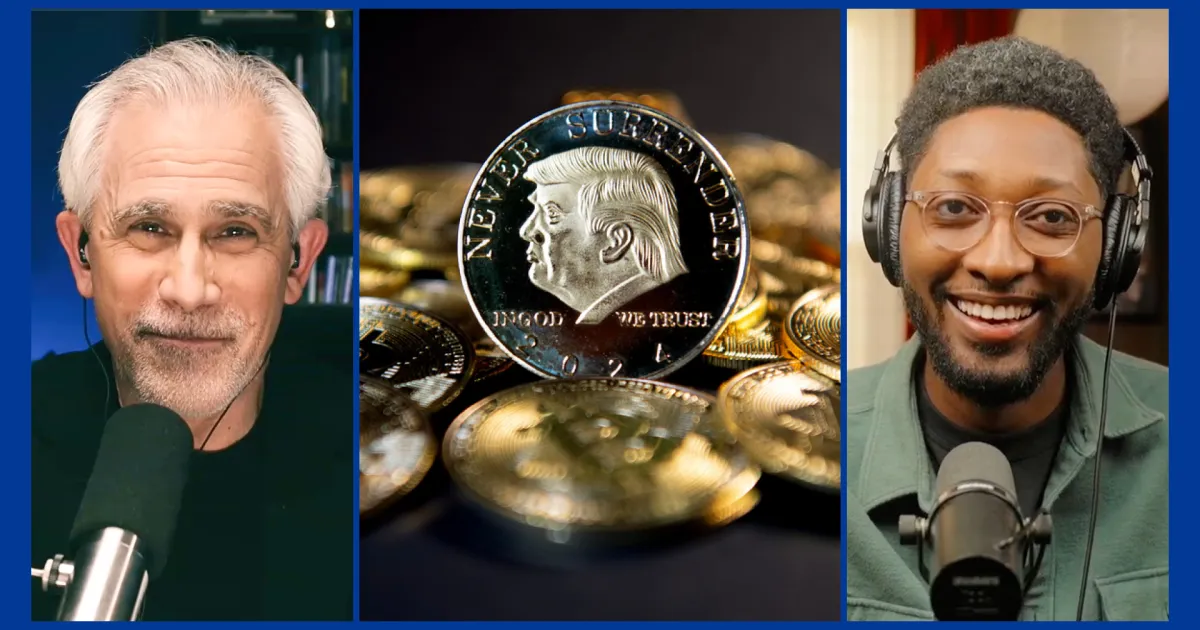
大笔资金长期主导着美国政治,富有的捐款人、公司和特殊利益集团向总统和国会选举倾注了巨额资金。今年也不例外。但不同之处在于,竞选资金换取政府优待的“以权谋私”行为比以往任何时候都更加肆无忌惮,并且已成为特朗普政府中腐败丛林的一部分。
Big money has long dominated American politics, with wealthy donors, corporations, and special interests dumping tons of cash into presidential and congressional elections. This year is no exception. But what’s different is that the quid pro quo of campaign money for preferential government treatment is more brazen than ever before and has become part of the cornucopia of corruption running through the Trump administration.
在这期《压力测试》节目中,竞选财经记者Russ Choma加入主持人David Corn和Garrison Hayes的行列,分析截至目前已投入选举的17亿美元——其中包括来自加密货币和体育博彩的数亿美元,这些行业在2020年几乎还未进入政治视野。“没有减速的迹象,”Russ在节目中说。“没有放缓的迹象,只有加速。”
In this new episode of Stress Test campaign finance reporter Russ Choma joins hosts David Corn and Garrison Hayes to analyze the $1.7 billion that has been poured into the election so far—including hundreds of millions from crypto and sports betting, industries that were barely on the political map in 2020. “There’s no sign of deceleration,” Russ says in the episode. “There’s no sign of slowing down, it’s only acceleration.”
许多发生的事情被隐藏在公众审视之外,因为超级政治行动委员会可以掩盖捐款人身份,议题广告和有针对性的投票动员行动可能不被报告。正如David所观察到的:“这就像宇宙中你看不见的暗物质。”对民主的威胁是真实存在的,因为捐款人可以通过让政府迎合他们的放松管制目标来获利——就像埃隆·马斯克那样,甚至可以获得对一个机构的控制权,或摧毁政府的整个部门。“他们获得的不仅仅是完全的访问权,”Russ解释道。“他们获得了参与权。”
So much of what’s happening is hidden from public scrutiny, because super PACs can obscure donors, and issue ads and targeted turnout operations can go unreported. It’s like “dark matter in the universe that you can’t see,” David observes. The threat to democracy is real, because donors get to cash in by having the administration align with their deregulatory goals, or, in the case of Elon Musk, can gain control of an agency or decimate whole sections of government. “They’re getting more than total access,” Russ explains. “They’re getting inclusion.”
“一直以来就有很多人相信政府是腐败的,”Russ说。“但问题在于,现在他们是对的。”而这种愤世嫉俗不仅仅是这笔巨额资金的副产品。它本身就是一个目毕竟。毕竟,正如Russ指出的,竞选活动能买到的最有效的东西,就是一则负面广告——其设计目的正是“让你不去投票”。
“There have always been a lot of people who believe that the government was corrupt,” Russ says. “But the problem is that now they’re right.”And this cynicism isn’t just a side effect of all this money. It’s a goal. After all, the most effective thing a campaign can buy, Russ notes, is a negative ad, designed “to make you not vote.”
但也可能有希望。选民告诉民调机构,他们看到如今腐败更为严重,而当这种情况与经济低迷相碰撞时,冷漠可能会转化为愤怒。只需看看维克托·奥尔班,他在匈牙利因经济不佳和腐败泛滥的组合而被投票罢免,结束了16年的执政。这种协同效应在美国是否也正在发生?
But there could be some hope. Voters are telling pollsters they see more corruption these days, and when that collides with a sour economy, apathy can curdle into anger. Just ask Viktor Orbán, voted out in Hungary after 16 years in power due to a combo of a poor economy and rampant corruption. Might such synergy be happening in the United States?
以上是《压力测试》今日节目的全部内容。请访问我们的YouTube频道:youtube.com/MotherJones 观看。
That’s all in today’s episode of Stress Test . Find it on our YouTube channel at youtube.com/MotherJones .
想了解更多金钱如何扭曲美国政治的内容?Russ Choma 报道了特朗普的加密货币财富、他的财务利益冲突以及中期选举背后的资金。请查看他的最新报道。本 transcript 由自动工具生成,可能包含错误。
And want more on how money is warping American politics? Russ Choma covers Trump’s crypto fortune, his financial conflicts, and the cash behind the midterms. Check out his latest. This transcript was generated with automated tools and may contain errors.
David Corn:这是Mother Jones的《压力测试》,我是David Corn。
David Corn: This is Stress Test from Mother Jones .
Garrison Hayes:我是Garrison Hayes。欢迎收听本节目第三期,David。哦,不,不,是对我们的观众说的。欢迎你们。同时也欢迎你,David。你今天怎么样?
I’m David Corn. Garrison Hayes: And I’m Garrison Hayes. Welcome to the third episode of the show, David. Oh, no, no, to our audience. Welcome to you. And also welcome to you, David. How are you doing today?
DC:欢迎你,Garrison。和你重逢真是太好了。而且我听说,在我不在的时候,你和Tim Murphy做了一期关于数据中心反弹的精彩节目,而这已经在这场竞选中成为两党共同关注的问题。
DC: Well, welcome to you, Garrison. It’s great to be back with you. And I hear that when I was gone, you did a great show with Tim Murphy about the backlash to data centers and how that’s become a bipartisan issue during this campaign.
GH:没错,没错,没错。我们曾就此进行了一次精彩的对话,讨论这是一个罕见的两党议题——你能看到民主党和共和党,甚至连中间派和更广泛的群体都在表达反对和推back,尤其是在德克萨斯州。我们的同事Tim Murphy多次前往德克萨斯州进行报道,并且他还有另一次行程即将启动,他一直在一线报道这些数据中心及其引发的反弹如何真正塑造当地的政治氛围。
GH: Yeah, yeah, yeah. We had a great conversation about how this is a rare bipartisan issue where you’re seeing backlash and pushback and real anger from both Democrats and Republicans and really everyone in between and beyond, especially in the state of Texas. Our colleague Tim Murphy has been out in Texas a few times, and he has another trip upcoming, where he’s been reporting from the ground on the way that these data centers and the backlash to them are really shaping the political atmosphere there.
事实上,他告诉我,州长格雷格·阿博特曾经是数据中心的坚定支持者,但如今却彻底转变立场,变成了反对者。DC:哇,我想知道为什么。难道真是出于原则吗?
In fact, he told me about how the governor, Greg Abbott, has made this huge 180 kind of turn from being a champion of data centers to being against them. DC: Wow, I wonder why. It couldn’t be principle, could it?
GH: 你知道,他实际上邀请了,你知道的,谷歌。他们举办了一场盛大的新闻发布会,谷歌将在该州的多个校园投入400亿美元。这将成为他们在美国乃至全球最大的数据中心和AI布局。还有其他一些大型项目,而且这些项目实际上并没有结束,尽管州长谈到了未来对数据中心实施暂停或暂停令。
GH: You know, he actually invited, you know, Google. They had this big press conference where Google’s spending $40 billion on multiple campuses across the state. It will be their largest data center kind of AI footprint in the country, maybe even in the world. There are other huge projects out there, and none of those projects are actually coming to an end, even though the governor is talking about a pause or a moratorium on data centers going forward.
因此,这里有很多内容值得深入探讨。如果你错过了那一期节目,我真的鼓励你回去观看。这是本次中期选举期间一个非常重要的议题。你可以在我们的YouTube频道观看——也就是Mother Jones的YouTube频道。请确保订阅我们的频道,以免错过即将播出的任何一期节目。
So there’s a lot to dig in there. If you missed that episode, I really encourage you to go back and watch it. It’s such an important issue during these midterms. You can catch it on our YouTube channel. That’s the Mother Jones YouTube channel. Make sure you subscribe to our channel so you don’t miss any of the episodes coming up.
好了,听着,今天的节目会很精彩。我们将讨论政治中的金钱,具体来说就是竞选资金——换句话说,就是在美国政治中你可以买什么、不能买什么。我们还将谈论一些大手笔的花费者、一些大额资金的接受者,那些也许希望自己有更多钱的人,以及那些钱已经花不完的人。DC: 是啊,每个人。
Okay, listen, today’s gonna be a good show. We’re talking about money in politics, specifically campaign money—in other words, what you can and cannot buy in American politics. And we’re gonna talk about some of the big spenders, some of the big receivers of that money, who wishes they had more money, perhaps, who has more money than they need. DC: Yeah, everybody.
GH: 每个人。好的,这就是一个包容性的名单。但我们也将讨论特朗普以及他和副总统JD·万斯如何在竞选路上奔波。大卫,你已经报道了许多、许多、许多、许多次选举——DC: 别提醒我。
GH: Everyone. Okay, so that’s an inclusive list. But we’re also gonna talk about Trump and how he and the vice president, JD Vance, are hitting the campaign trail. David, you’ve covered many, many, many, many—DC: Don’t remind me.
GH: 你,我的朋友,已经报道了无数次选举。那么,谈谈你所看到的情况,以及你从特朗普政府——也就是特朗普总统和副总统JD·万斯——所看到的竞选方式是否正常,他们这样在竞选路上奔波是否属于常态?
GH: You’ve covered many elections, my friend. So talk to me about what you’ve seen and whether what you’re seeing from the Trump administration—so President Trump and Vice President JD Vance—is this stuff normal, the way they’re hitting the campaign trail?
DC:嗯,某种程度上来说,是的,但也不是。你可以通过看一位政治家的行程安排,了解很多关于竞选活动的情况以及政治形势如何发展,对吧?因为现在我们看到JD·万斯和唐纳德·特朗普正在进行竞选之旅,但他们去的地方其实是他们不该去的——他们本来就不该去那些地方。比如俄克拉荷马州。他们正前往一些州和选区,而通常情况下,共和党在这个时间点上本应在那些选举中占据绝对优势。所以这表明他们也看到了大家都在看到的事情:一场可能的巨大“蓝色海啸”正朝着白宫席卷而来。
DC: Well, in a way, yes, but also no. You can tell a lot about a campaign and how things are going politics by looking at a politician’s travel itinerary, right? Because right now we see JD Vance and Donald Trump hitting the campaign trail, but they’re going to places where they shouldn’t be—where they shouldn’t have to be going. Oklahoma, for instance. They’re going to states and districts where usually the Republicans would have a lock on that election by this point. So it shows that they see what everybody else is seeing: a possible gigantic blue tsunami heading right toward the White House.
全国范围内有许多竞选正在进行,坦率地说,这些竞选之所以引人注目,是因为它们非常激烈:爱荷华州的参议院竞选,堪萨斯州的参议院竞选,得克萨斯州的参议院竞选,甚至得克萨斯州的州长竞选也可能只相差几个百分点。因此,我认为共和党现在处于一种状态——用专业术语来说,就是“惊慌失措”,他们正在为这些竞选而担忧。
There are races across the country that, quite frankly, are amazing political experts because they’re competitive: Senate race in Iowa, Senate race in Kansas, in Texas, and even the governor’s race in Texas might be within a few points. So Republicans are in, I think, the technical term, freaking out, and they’re worrying about races.
这就意味着——你知道的,听好了,目前这位总统对共和党来说还算不上是一种资产,因为根据美联社的数据,他的批准率只有31%,而在他剩下的这五周(甚至可能更少)时间里,他能去的地方和可利用的时间其实是有限的。因此,决定在哪里部署他和JD·万斯变得至关重要——这确实是一件大事。
And that means—you know, listen, the president, who’s not quite an asset for the Republican Party at this point in time, when he’s at 31 percent approval rating, according to the AP, still has limited amount of time and places he can go in the five weeks left in the election here, or less than that maybe. And so it makes a big—it’s a big deal where you decide to deploy him and JD Vance.
金钱方面也是如此。我们看到共和党正在从某些州撤资,比如北卡罗来纳州,他们本来以为自己在那里的参议院竞选具有竞争力,但现在他们却把钱转移到了南卡罗来纳州——在那里他们本来就不该具有竞争力——还有得克萨斯州。所以,通过观察钱流向何方以及总统去了哪里,你就能看出他们在想什么。
The same with money. We see Republicans taking their money out of certain states, like North Carolina, where they thought they were competitive in the Senate race there, and shoveling it into South Carolina, where they shouldn’t be competitive, and also to Texas. So that’s how you can tell what they’re thinking, by looking where the money and the president is going.
但我不得不说:当他的支持率如此之低时,特朗普的品牌也就没那么强了,你不得不怀疑他的竞选活动到底在多大程度上能帮助人们。当然,如果你能在深红州提升共和党投票率,这可能会帮助那些州的候选人。但与此同时,许多共和党人正在远离总统,他们也不希望自己州的选民一直在想着特朗普。
But I have to say this: When he’s at such a low approval rating, the Trump brand ain’t so strong, and you have to wonder to what degree his campaigning helps people. Now, it may help people in deep—candidates in deep-red states if you can gin up Republican turnout there. But at the same time, a lot of Republicans are running away from the president, and they don’t want their voters in their states to be thinking about Trump.
听着,他就在外面,我这边还有些笔记。你知道,在最近的一次竞选停留中,他说他比任何人都更了解通胀,而且他对一切都比任何人都更了解。当人们本来就对你没有好感时,你却在这时候谈论自己对通胀的了解——而通胀正是他们关心的问题——这真的不是明智之举。
And listen, he’s out there, and I have some notes here to the side. You know, in one campaign stop recently, he said he knows more about inflation than anyone else, and he knows more about everything than anyone else. When people already are not thinking highly of you, talking about how well you know inflation when inflation is a concern to them is really not smart.
但我觉得,至少在这一点上,他彻底超越了我的容忍度。在一次集会上,他说你如今得是麻省理工学院班级尖子才能开动割草机,你知道吗?但我已经把那些东西都扔掉了。现在你就能有一台割草机了。他在说什么鬼?我至今还没见过一次焦点小组,有人在抱怨割草机。但别听我的,让我们直接听听美国总统怎么说。[音频播放。] GH:鼓舞人心。真是鼓舞人心的内容。
But I think this topped it for me, at least. At one rally, he said you need to be a student at the top of your class at MIT to turn on a lawnmower nowadays, you know? But I got rid of all that stuff. Now you can have a lawnmower. What the heck is he talking about? I have yet to see one focus group where people are complaining about lawnmowers. But don’t take it from me. Let’s hear directly from the president of the United States. [Clip plays.] GH: Inspiring. Inspiring stuff.
DC:加里森,这些可不是你所说的热烈背书,对吧?而且这总是围绕着他。假设我是选票上的候选人。现在参选的大多数共和党人宁愿他不在选票上,宁愿他被流放到马阿拉戈。
DC: Garrison, these are not what you call ringing endorsements, right? And it’s always about him. Pretend I’m on a ballot. Most Republicans running right now would rather he not be on the ballot, would rather he be put in exile in Mar-a-Lago.
GH:是啊,这很难——这几乎完美地浓缩了我在2024年周期中听到的众多共和党人的担忧:特朗普真的在拖垮党,他基本上就是共和党的一条死路。没错,他很受欢迎;没错,他有这种神奇的方式,能让美国人民为他投票。他有所有这种魅力,但事实上根本没有可行的继承计划。特朗普之后根本没有真正的计划。
GH: Yeah, it’s hard to kind of—it’s almost distills down so well the fear that I heard from so many Republicans in the 2024 cycle that Trump was really tanking the party, that he was more or less a dead end for the Republican Party. That, yes, he’s very popular; yes, he has this magic way with the American people to get them to vote for him. He has all this charisma, but really there is no viable succession plan. There is no real plan for after Trump.
正如您在屏幕上看到的,我们有副总统JD·万斯。但即使有万斯,您知道,许多选民在网上表示,我也亲耳听到,他似乎并不具备那种“它”因素。我认为这确实为共和党未来的发展提出了一个真正的问题。我们将拭目以待。我的意思是,谈谈压力测试。这次中期选举实际上将成为共和党的一次真正压力测试,以看看他们在特朗普之后如何规划前进的道路。
And we have, as you see on the screen, Vice President JD Vance. But even with Vance, you know, so many voters have said online, and I’ve heard them myself, that he just doesn’t quite have the it factor. And I think it really does present a real problem for Republicans going forward. And we will see. I mean, talk about stress test. This midterm will actually be a real stress test for the Republican Party to see how they chart a path forward after Trump.
DC:让我们谈谈任何竞选活动中的一个重大议题,而且这个议题只会越来越大,那就是大笔资金。我刚才谈到共和党人正在转变,你知道,他们把钱花在哪里,但我们谈论的是数千万甚至数亿美元。我的意思是,竞选活动变得越来越昂贵,这只会给那些能够提供这些资金的人更多的权力。因此,幸运的是,今天我们有Russ Choma,他是《母亲琼斯》的一位记者,也是竞选财务方面的专家之一。他在这方面的报道时间几乎和我一样长。那么,让我们请Russ来发言。
DC: Let’s talk about one of the big issues in any campaign, and it only keeps getting bigger, and that is big money. I talked a moment ago about how Republicans are shifting and, you know, where they’re putting their dollars, but we’re talking about tens of millions and hundreds of millions of dollars. I mean, campaigns keep getting more and more expensive, and that just gives more power to the people who can provide those dollars. So fortunately, we have with us today Russ Choma, a reporter from—for Mother Jones , who’s one of the experts on campaign finances. He’s been covering this almost as long as I have. So let’s bring on Russ.
Russ Choma:嗯,谢谢你们邀请我,伙计们。今年显然有很多事情可以谈论。资金每年都在增加,我们又在这里,而且规模更大了。
Russ Choma: Well, thanks for having me, guys. There’s obviously a lot to talk about this year. The money gets bigger every year, and we’re here again, and it’s even bigger.
GH:规模更大了。让我印象深刻的一件事是,AI、加密货币、Polymarket以及这些博彩市场等等——实际上有多少资金流入了这次选举。我们看到在纽约有一场相当大的AI竞赛。而且这些事情在对话中似乎一直不断冒出来。感觉这些行业正在向政治输送大量资金。我想知道这种感觉是否属实,以及我在报道中所看到的情况。
GH: It’s even bigger. One thing that’s really stood out to me is just how much AI and crypto and Polymarket and these betting markets and all of that—how much of that money is actually going into this election. We saw in New York there was a big kind of AI race there. And some of these things are kind of constantly popping up in the conversation. It feels like these industries are funneling a ton of money into politics. And I’m curious if that sense is true and what you’re seeing as you’re reporting on this.
RC: 是啊,不,我的意思是,这不仅仅是一种感觉。这是实际发生的事情。而且有趣的是,多年来,总是有一些相同的特殊利益集团。你知道的,有时候随着新技术的出现,一些新的利益集团会被加入,但令人惊讶的是,预测、体育博彩、加密货币、人工智能这些领域瞬间就都冒出来了——而且在很多方面它们实际上已经融合成了一个产业。
RC: Yeah, no, I mean, it’s more than a feeling. It’s what’s actually happening. And it’s interesting because for years and years there were always sort of the same set of special interest groups. And, you know, sometimes with new technology, some, you know, new interest groups would be added, but it’s amazing how instantly both prediction, sports betting, crypto, AI have all sort of—and they all sort of merge into one industry in a lot of ways—have sort of popped onto the scene.
我认为我看到的最后一个靠谱的统计数据是,大约有17亿美元被投入到这次选举中。而其中大约2.5亿美元仅来自加密货币和体育博彩。这只是我们知道的钱。这是一笔巨大、巨大、巨大的数额。但他们能够从2020年基本上不在名单之列,到中期选举中投入这么多资金——即便这不是总统选举——这真的令人震惊。所以是啊,这不仅仅是一种感觉。这确实在发生。
I think the last good count that I saw, about a $1.7 billion has been put into this election. And about a quarter billion of that is just from crypto and sports betting. That’s just the money we know about. It’s a huge, huge, huge sum. But for them to go from two—2020 basically not being on the map to that much money in a midterm, it’s not even a presidential election, is really, really stunning. So yeah, it’s more than a feeling. It’s really happening.
DC: 拉斯,令我印象深刻的是,过去一些大捐款人往往——嗯,有时候他们有更广泛的利益,比如科赫兄弟。他们想要放松管制,不喜欢环境控制,主张低税收。这基本上就是保守自由意志主义的议程,一贯如是。我们也看到过其他主要人物,比如对冲基金的掌门人等等。就像乔治·索罗斯在民主党那边,他有一个广泛的自由派、进步派议程。
DC: And what strikes me, Russ, is that in the past some big donors have been more—well, sometimes they have wider interests, like, say, the Koch brothers. They want deregulation, they don’t like environmental controls, they want low taxes. It’s basically the conservative libertarian agenda, like, straight through. And we’ve seen that with other major guys who run hedge funds and people like that. The way that George Soros on the Democratic side has a wide liberal, progressive agenda.
但这些人不同,他们的利益高度、高度具体。这几乎就是典型的利益交换——你能想象到的最接近quid pro quo的情况了。我想特别点名安德森·霍罗威茨(Andreessen Horowitz),这是一家由马克·安德森和本·霍罗威茨领衔的大型风险投资基金。他们一共向一个人工智能超级政治行动委员会和一个加密货币超级政治行动委员会捐赠了超过1.15亿美元。
But with these guys, it’s highly, highly specific. This is about as quid pro quo–ish as you can get. And I just want to give props to Andreessen Horowitz, the big venture capital fund with Marc Andreessen and Ben Horowitz. They’ve given over $115 million together to both an AI super PAC and a crypto super PAC.
这两个人只是直接、公然、赤裸裸地把这项技术、这些大科技公司的资金引进来——我会称之为无可否认的制度性腐败。他们告诉你他们想要什么。他们想让人工智能和加密货币自由发展,为此他们投入了大量资金。我的意思是,在我看来,这似乎与我们过去看到的一些大笔资金有所不同。
And these two guys are just bringing this technology, this Big Tech money in in a very direct, very brazen, blatant—I would call it institutional corruption that is undeniable. They tell you what they want. They want to run free with AI and crypto, and they are putting in a lot of money to do this. I mean, to me, that seems almost a little bit different than some of the big money we’ve seen in the past.
RC:是的,我认为,就像科赫兄弟想要广泛地改变美国一样,这些加密货币人士和人工智能人士也有非常具体的诉求。但与此同时,我的意思是——我认为我们在特朗普政府时期已经看到过这种情况——他们试图总体上改变监管。他们试图实现一种广泛的、开放的——你知道的,虽然她一直在为携带利息漏洞游说,但这些人想要一切。但是啊,你是对的。这确实看起来非常交易化。他们追求的是非常具体的东西。而他们投入的资金数额——我的意思是,这毫无微妙可言。
RC: Yeah, I think that, like, the Koch brothers wanted to change America broadly, and these crypto guys and AI guys, they’ve got very specific wants. But at the same time, I mean—and I think we’ve seen this through the Trump administration—like, they’re trying to change regulation in general. And they’re trying to just have a broad, open—you know, while she always was lobbying for the carried interest loophole, they want everything, these guys. But yeah, you’re right. It does seem very transactional. They are after very specific things. And the amount of money they’re putting in is—I mean, there’s no subtlety to it.
GH:你知道,有一种感觉,那就是谁筹到的钱越多,谁就越有可能获胜——这有点像一场金钱竞赛。就像,谁筹到的钱最多,谁就会赢。我们在2024年看到这一点受到了一定程度的挑战,如果我没记错的话,Russ,那就是卡马拉——卡马拉·哈里斯筹到了接近10亿美元,而唐纳德·特朗普筹到的我认为略少于这个数额,如果我没记错的话。那么,这真的就这么简单吗?——谁筹到的钱最多,谁就某种程度上就赢了?还是我们应该如何思考这个问题?
GH: You know, there’s this sense that whoever raises more money—it’s kind of like the money race. Like, whoever just raises the most money will win. We saw that challenged a little bit in 2024, if I’m remembering correctly, Russ, that Kamala raised—Kamala Harris raised close to $1 billion, while Donald Trump raised, I think, a bit less than that, if I’m remembering correctly. And so is it really that simple, that whoever raises the most money just kind of wins? Or how should we be thinking about that?
RC: 是啊,我是说,几十年来那绝对是正确的。无论你是现任官员还是筹款更多,基本上90%以上的时间你都会赢得连任。但这种情况已经被打乱了,而这与“联合公民”有关。我的意思是,特朗普在2016年以一种非常显著的方式打乱了它。他筹得的钱没有希拉里多,却赢了选举。所以它被打乱了。部分原因在于,正如你之前提到的,他的个人魅力——就是它本身所具有的那样。
RC: Yeah, so, I mean, for decades that was absolutely correct. And both if you were an incumbent and if you raised more money, it was, like, something like 90 percent of the time or more, you won reelection. That has been scrambled, and that does have something to do with Citizens United . It has—I mean, Trump scrambled it in a really big way in 2016. He didn’t raise more money than Hillary, and he won. And so it was scrambled. Part of it is his, as you were referring to before, his personal charisma, as what it is—for what it is.
但你知道,还有很多其他因素在起作用。部分原因是很难追踪资金流向。所以卡马拉的竞选团队筹到了很多钱,但也有很多站在特朗普一边的外部力量,他们并不一定被计入特朗普竞选团队的资金中。这就是未知的部分。
But, you know, there’s a lot of other things going on as well. And part of it is it’s hard to track the money. So Kamala’s campaign raised a lot of money, but there were also a lot of outside actors who were on Trump’s side who didn’t necessarily get counted in with the Trump campaign money. And that’s sort of the unknown.
而且这又是——再次,我想,你知道,就像埃隆·马斯克,就像他上次投入的那样,他把钱投到了特定的地方,用于宾夕法尼亚州的拉票行动。这曾是一个大问号:这会有效吗?看来在一定程度上是有效的。所以这一次的问题之一就是,你知道,我刚才说的是17亿美元,但还有我们不知道的钱可能正在流入。
And that’s sort of—again, and I think, you know, with Elon Musk, like, the money he put in last time, he put it into specific places, and he put it into Pennsylvania get-out-the-vote. It was a big question mark: Would that work? Seems to have worked in some degree. And so that’s part of the problem with this one is that, you know, I just said $1.7 billion, but there’s also money that we don’t know about that could be coming in.
DC: 是啊,我想问你关于这个的问题。我想谈谈一些花费最高的选举,但为了说清楚这一点,有一种钱被称为“暗钱”。我们刚才谈到的那些数字——是指必须申报资金来源和去向的超级政治行动委员会(Super PACs)、竞选团队,以及共和党和民主党的全国性机构、由民主党运作的参议院竞选团队所收到的钱。但还有其他事情在发生。这就像宇宙中的暗物质——你看不见,对吧?可能存在一整笔我们永远都不知道的资金流动。
DC: Yeah, I want to ask you about that. I want to get to some of the most expensive races, but just to put a fine point on this, there’s something called dark money. We’re talking the money—the figures that we just talked about is money that goes to super PACs that have to declare where they’re getting money from and where they’re spending, and to campaigns, and to the Republican and Democratic outfits, the national campaigns, the Senate campaigns run by the Democrats. But there’s something else going on there. It’s like dark matter in the universe that you can’t see, right? There’s a whole possible flow of money that we may never know about.
RC:是的。所以一件事是,超级政治行动委员会必须声明他们收到了资金,但他们并没有——他们可以对资金来源相当模糊。他们可以从有限责任公司(LLC)那里获得资金,而你不知道是谁把钱投进了这个LLC。因此,虽然这些资金在技术上不是暗钱,已经被披露,但我们不知道它们的来源。
RC: Yeah. And so one thing is the super PACs have to say that they got money, but they don’t—they can be fairly vague about who they got money from. They can get money from an LLC, and you don’t know who put that money in the LLC. So some of that money, even though it’s technically not dark money, it’s disclosed, we don’t know where it came from.
但还有另一类资金,你知道的,这些都是为不同时代制定的一些晦涩规则,现在被套用到了这个领域,从而产生了一些漏洞。这使得一些可能不会直接向竞选活动捐款的团体,却开始以其他方式花钱。
But then there’s this other class of money, and, you know, there are all these sort of arcane rules that were written for a different era, which have been applied to this one, which have allowed sort of, like, loopholes. And it’s allowed groups who maybe don’t get out and actually give money straight to the campaign but start spending money in other ways.
你知道那些广告,它们被称为议题广告,比如打电话给国会议员,告诉他们你不希望他们……然后接着会出现一些完全离谱的内容。这些广告其实并不是真的想让人打电话给国会,而是试图传达一种令人恐惧的信息。而这些广告,例如,并不计入那17亿美元之内。还有像“拉票行动”这样的事情,虽然表面上是普遍动员选民投票,但如果埃隆·马斯克只针对特定人群进行定向推送,那就不会被报告。存在着各种各样的资金,而我们不知道自己不知道什么。
You know those ads, they’re called issue ads, where it’s like, call Congress and tell them that you don’t want them to, you know, and then it has some absolutely outlandish thing. And it’s not really trying to get anyone to call Congress, but it’s just trying to send, like, a scary message. And there’s—those, for instance, don’t get counted in that $1.7 billion. The things like the get-out-the-vote operation, which is just broadly get out the vote, but if Elon Musk is only targeting it at certain types of people, that doesn’t get reported. There’s all this money, and we don’t know what we don’t know.
这种情况自“联合公民诉联邦选举委员会案”(Citizens United)判决以来,每次选举都一直存在。但我认为关键在于——正如我们之前提到的,关于来自加密货币和人工智能领域的这笔巨额资金流入——资金正以不同的规模涌入。所以如果这种情况一直存在,我们就必须假设,它如今的规模是前所未有的。
And it’s been true every election since Citizens United . But I think the thing is—to what we were referring to before about this big influx of money from crypto and AI—is the money’s coming in on a different scale. So if it’s been there the whole time, we have to assume it’s coming in on a different scale than it’s ever come in on before.
我猜其中一种反驳观点是,作为一名竞选财经记者,我一直觉得有点奇怪:人们对向政治投入金钱的公开感受或羞耻感似乎已经消失了。这种情况在两党中都存在。因此,人们可能只是——我的意思是,现在亿万富翁们直接掏出支票簿,写下数亿美元的支票。即便是在“联合公民”案之后,也曾有一段时间,这种行为是不可想象的,因为这太不体面了。但如今,这似乎只是我们进行政治的方式。所以,我想,这可能就是一种可能的反驳,即现在每个人都变得如此肆无忌惮。
I guess the one sort of counter to that, and this is something as a campaign finance reporter has always sort of, like, tweaked me, is that a lot of the apparent public feelings or shame about putting money into politics has gone away. And this is true on both sides. So it is possible that people are just—I mean, this thing where we have billionaires just opening their checkbooks and writing hundreds of millions of dollars. There was a time, even after Citizens United , where that wouldn’t happen because it was so unseemly. And now it just sort of seems to be the way we do politics. So, I mean, I guess that would be the one possible counter, is that everyone is just so brazen now.
但我认为,很可能确实有大量资金在流动,仅仅因为他们花钱的一些方式令人不齿。你知道,他们在搞阴招,在做负面宣传——虽然他们可能不会为花钱感到羞愧,但他们不想暴露自己的手段。
But I do think that it’s very likely that there is quite a bit of money, if only because some of the ways they’re spending money are unsavory. You know, they’re sort of on dirty tricks, they’re on negative—which they might not be ashamed of spending the money, but they don’t want to give away the trick.
DC:所以我们可能永远无法真正了解所有深层的金钱影响,这些影响正在影响这次选举或未来的选举。让我们谈谈目前一些花费最高的竞选。我们有得克萨斯州,还有俄亥俄州。你在哪些地方看到过最大规模的资金涌入?
DC: So we may never know, really, all the deep money influences that are affecting this election or future elections. Let’s talk about some of the most expensive races that are happening now. We have Texas, we Ohio. Where have you seen the biggest influxes of money?
RC:我的意思是,俄亥俄州的竞选非常激烈,得克萨斯州的竞选也非常激烈。而得克萨斯州一直都是重头戏。但我认为,今年尤其如此——我认为俄亥俄州尤其被视为……我不想说“风向标”,因为那是老套的说法,但我的意思是,这场竞选关系重大,而且有很多大捐款人对这件事感到非常强烈,他们就在不断地投入资金。
RC: I mean, the Ohio race is huge, and Texas race is huge. And Texas is always huge. But again, I think that this year in particular—and I think Ohio especially is seen as, like, such—I don’t wanna say bellwether ’cause that’s the cliché about it, but I mean, there’s a lot riding on this, and there’s a lot of big donors who feel very strongly about it, and they’re just spending.
而且——DC:我们还应该说,正如你在这张图片里看到的,在这个视频里,那里的焦点竞选是詹姆斯·塔拉里科,这位民主党候选人,正在挑战共和党的肯·帕克斯顿,角逐一个参议院席位。曾经有一段时间,几乎无法想象民主党人能在这个席位上具有竞争力。
And—DC: And we should say that the marquee race there, as you see on the picture here, on the video here, is James Talarico, the Democrat, running against Ken Paxton, the Republican, for a Senate seat, which once upon a time it would be almost inconceivable to think that a Democrat would be competitive for this seat.
RC: 是啊,不,我的意思是,就像你之前提到的那样,我的意思是,我们看到钱在流动。我们看到共和党人从一些州撤资,一些大手笔的捐助者在撤资,而我们看到民主党人在进入。但我认为还有——还有竞争性的派别。我的意思是,有些捐助者根本不在乎共和党的想法,他们会投入资金,并且会为某种特定类型的候选人投入资金。
RC: Yeah, no, and I mean, that’s, like you were mentioning before, I mean, we’re seeing money shifting. We’re seeing Republicans pulling out of some states, some of the big spenders, and we’re seeing Democrats going in. But I think there’s also—and there are competing factions as well. I mean, there are donors who don’t care what the GOP thinks, and they’re gonna send money in, and they’re gonna send money in for a certain type of candidate.
我认为这就是我们在德州初选中看到的情况,在共和党初选中,我们看到党内不同派别为了这个问题而争斗。总统恰好是其中一个派别,他的派别获胜了,但资金并不总是普遍的。但——再说一次,就像,这就是事情变成这样子的地方,我们非常公开地用钱来解决这些问题,而我觉得以前我们——DC: 我们也应该说,德州还有竞争激烈的州长选举,民主党候选人目前被大幅度超支,据我所知,上次我看到的数据是10比1,但吉娜·希诺霍萨(Gina Hinojosa)正在挑战现任州长格雷格·阿博特(Greg Abbott),她仅落后几个百分点。
And I think that that was what we saw in the Texas primary, in the Republican primary, is we saw sort of different factions within the GOP fighting over that. The president happened to be one of the factions, and his faction won, but the money is not always universal. And—but again, like, that’s where it’s become this thing where very openly we’re using money to sort of settle these things, where I feel like before we—DC: We should also say that there’s a competitive governor’s race in Texas too, where the Democrat’s been outspent, I think last I saw, 10-to-1, and yet Gina Hinojosa, running against the incumbent, Greg Abbott, is only a few points behind.
所以正如你之前所说的,加里森(Garrison),即便她被巨额超支,她仍然在战斗中——你知道,她仍然在竞选中,尽管这种资金差距可能对她来说太大,难以克服。
So to your point earlier, Garrison, this is a place where even though she’s being tremendously outspent, she still has a—you know, she’s still in the fight, although that money differential might be too much for her to overcome.
GH: 是啊,正如我理解的,这肯定会很具挑战性。正如你和Russ所指出的,自从民主党人最后一次在德州赢得全州选举已经过去了32、33年,或者说是30多年了。我想,你知道,就我们这个节目的主题而言——也就是这个“压力测试”的概念——我很好奇,Russ,我们应该为何感到压力。是的,你,你必须告诉我们我们应该为何感到压力。但你知道,当我们谈论政治中的金钱时,我们应该把注意力放在哪里,以及你认为什么才是真正让美国人民感到压力的事情?
GH: Yeah, it’ll certainly be challenging, as I understand it. To the point that both you and Russ are making, it’s been, what, 32, 33, 30-something years since a Democrat has won statewide there. And I guess, you know, to the point of our show, which is this idea of stress test, I’m curious, Russ, what we should be stressed about. Yes, you, you have to tell us what we should be stressed about. But, you know, as we think about money in politics, where should, you know, we be placing our attention, and what do you think should really be stressing the American people out?
RC: 是啊,我的意思是,我觉得整件事极其令人紧张,但我认为——GH: 好吧,事情就是这样。DC: 好吧,你必须报道它,Russ。
RC: Yeah, I mean, I find the whole thing extremely stressful, but I think—GH: Well, there it is. DC: Well, you have to cover it, Russ.
RC: 是啊,是啊。我认为——实际上,一些具体的事情——所以我发现有压力的事情是,你知道,在“联合公民案”之后的多年里,人们会问我和其他竞选财经记者,嗯,我们什么时候才能有改革?我们什么时候才能有变化?而我一直持相当愤世嫉俗或怀疑的态度,我说,嗯,下次我们遇到大丑闻时,下次我们遇到类似Watergate的事情时,因为现代竞选财务规则大多源自Watergate。
RC: Yeah, yeah. I think that the—some of the specific things, actually—so here’s the thing that I find stressful, was that, you know, for years after Citizens United , and people would ask me and other campaign finance reporters, well, when are we gonna have some reform? When are we gonna have some change? And I was always very sort of cynical or skeptical about it, and I said, well, the next time we have a big scandal, the next time we have a Watergate, because most of the modern campaign finance rules are derived from Watergate.
Watergate是一起竞选财务丑闻,而且其严重程度甚至让总统所在党派的人都同意必须采取行动。于是,一系列改革措施随之出台——不仅限于竞选财务,所有重大竞选财务规则都源自那个时期。因此,我一直告诉人们,你知道,我认为我们需要一个重大事件,你知道,一些真正能震惊人们的事情,才能达到我们想要进行改革、制定一些严肃规则和进行严肃思考的地步。而让我感到压力的一件事是,我认为我们还没有接近那个点。
Watergate was a campaign finance scandal, and it was one that was so bad that even people in the president’s party agreed we have to do something. And so a whole raft of changes came in, not just campaign finance, but all the big campaign finance rules came from that era. And so I always told people, well, you know, I think we’re going to need a big event, you know, something that really shocks people to get to the point where we want to have some reform and have some new serious rules and some serious thinking. And I think one thing that stresses me out is I don’t think we’re approaching that point.
我认为有很多人对这件事感到愤怒。我认为这些数字令人震惊。你知道,我们看到资金以前所未有的方式涌入。而我没有感觉到有人正在更接近说,好吧,在这次选举之后,我们必须对此做点什么。就像,没有减速的迹象,没有放缓的迹象,只有加速。这有点像人工智能所说的一切,你知道,就像给它加了催化剂,然后它以疯狂的水平起飞。
I think that there are a lot of people who are outraged about this. I think that the numbers are shocking. You know, we’re seeing money come in in unprecedented ways. And I don’t have a feeling that anyone is getting that much closer to saying, all right, after this election, we’ve gotta do something about this. Like, there’s no sign of deceleration, there’s no sign of slowing down, it’s only acceleration. And it’s sort of like everything AI says, you know, it’s sort of accelerant has been put on it, and it’s taken off on a crazy level.
DC: 那么,我们来谈谈——你知道的,我们在谈论“quid”。让我们来谈谈“quo”。我们在这里看到哪些例子,说明金钱是如何进入政治的,尤其是进入竞选活动的,而人们实际上又得到了什么?你知道,埃隆·马斯克,他有,你知道的,多个,你知道的,价值数十亿美元的政府合同,对吧?你知道,当然还有NASA,还有国防,他还有从阿拉斯加修建隧道到俄罗斯的想法,所有这些东西。
DC: So let’s talk about—you know, we’re talking about the quid here. Let’s talk about the quo. What examples do we see here of money coming into politics, particularly campaigns, and what people are actually getting for that? You know, Elon Musk, he has, you know, multiple, you know, billions of dollars’ worth of contracts with many government agencies, correct? You know, with NASA, obviously, but defense, and he has ideas for building a tunnel across from Alaska to Russia, all this stuff.
所以他投入的钱,1亿美元根本不算什么。安德森·霍罗维茨管理着1000亿美元的资产。如果他们向这次竞选投入1亿美元,而且他们已经在做更多了,那就是千分之一,如果我算对了的话。那么,Russ,我们还能看到哪些其他例子,说明这是一项好的投资,人们为什么能获得良好的回报?
So the money he puts in, $100 million is nothing. Andreessen Horowitz has $100 billion in assets that they manage. If they put in $100 million into this campaign, and they’re doing more already, that’s one-tenth of 1 percent, if I did the math right. So what other examples do we see, Russ, of why this is a good investment, why people get good ROI?
RC: 我认为这不仅仅是合同的问题。我的意思是,埃隆·马斯克获得了一个办公室,你知道的,他基本上获得了控制一个机构的权力,而这个机构又拆解了其他机构。我认为你正在看到很多这些大捐赠者——这就是我为什么谈论,比如,改变整个格局,监管格局——因为他们正在获得重要委员会和规制定事务中的席位。所以,你知道的,这不仅仅是“我给你一些钱,我就会得到这份礼物回报”。他们获得的远不止是完全的准入。他们获得了参与感,这真是令人惊讶。
RC: Well, I think it’s more than just the contracts. I mean, Elon Musk got an office, you know, and he got basically to control an agency that took apart other agencies. And I think that you’re seeing a lot of these big donors—and this is why I talk about, like, changing the whole landscape, the regulatory landscape—is they’re getting spots on seats of important commissions and rulemaking things. So it’s, you know, it’s not just I’m giving you some money and I’ll get this gift back. They’re getting more than total access. They’re getting inclusion, which is wild.
再说一次,我认为作为记者,这对 me 来说有点奇怪,你知道的,埃隆·马斯克、安德森以及其他一些人,他们已经超越了,比如说,乔治·索罗斯所捐赠的数额。而乔治·索罗斯一直——对右翼来说,他是个大恶魔,而科赫兄弟则对左翼来说是个大恶魔。但我的意思是,这些人正被正在投入的金额甩在后面。我们还没有看到像这样的愤怒反应,但与此同时,他们获得的远超我想象中科赫兄弟或索罗斯 ever 想象过的东西。
And again, I think that it seems a little weird to me as a reporter that, you know, both Elon Musk and Andreessen and a few other people, they’re surpassing what, say, George Soros has given. And George Soros has always been—for the right has been a big bogeyman, and the Kochs have been a bogeyman for the left. But I mean, those guys are being left behind by the amount of money that’s being put in. And we’re not quite seeing, like, the outrage over it, but yet they’re also getting so much more than I think that the Kochs or Soros ever imagined they would get.
DC:你刚让我想起了一件事,所以我要暂时偏离我们准备好的脚本。那就是,我们已经看到特朗普时期,特朗普本人公然腐败,对吧?还有他的家人。我们之前已经讨论过这个问题,随着《压力测试》节目的深入,我们还会继续谈论。这一切都是腐败的,是公然的,是明目张胆的。共和党人对此一言不发。司法部也没有展开调查。我们知道原因。
DC: You just made me think of something, so I’m gonna go off the script we have for a second here. And that is, we’ve seen the Trump years just brazen corruption from Trump himself, right? And from his family. We’ve talked about that. We’ll be talking about that more as Stress Test goes on into the season. And it’s all corrupt, it’s brazen, it’s blatant. Republicans don’t say a word about it. There’s no Justice Department investigation. We know why.
因此,相较于特朗普赚取的70亿美元,安德森·霍罗威茨仅投入1亿美金,这看起来就像是小钱。我的意思是,他某种程度上提升了整个腐败文化,也许这就是为什么,Russ,我们没有看到你刚才所说的那种反应的缺失。
And so compared to Trump making 7 billion, Andreessen Horowitz putting in a mere 100 million, it seems like chump change. I mean, he has sort of enhanced the whole culture of corruption, and maybe that’s why, Russ, we don’t see that type of reaction that you just said was absent.
RC:是啊,没错。我认为一个重要的因素——虽然这并不特指这些中期选举,尽管你确实能在中期选举中看到这一点——是特朗普改变了人们认为可以接受的行为标准。我也认为,关于他自身腐败的持续新闻头条,也在不断提升这个标准。但你知道,我们正在看到民调显示,人们认为政府腐败的比例达到了历史最高点。一直以来就有很多人相信政府是腐败的,但问题在于,现在他们是对的。
RC: Yeah, no, and I think that a big thing—and this is not specifically about these midterms, although you’re seeing it play out in the midterms—is that Trump has changed the—what’s acceptable to do. And I think that also the constant headlines about his own corruption and all that, it changes the bar. But that’s a—you know, we are seeing sort of in polls people’s belief that the government is corrupt at an all-time high. And there have always been a lot of people who believe that the government was corrupt, but the problem is that now they’re right.
确实有很多腐败行为正在发生,而这些之前只是人们想象中可能发生的事情,但实际上并未发生。而现在,我们正在看到这些事情真的在发生。而且,你知道,这本身就可能影响选举,因为这种情况会让选民感到沮丧,当人们认为投票没有意义——因为事情不会为他们好转时,选民投票率就会下降。
There’s a lot of corrupt things going on that haven’t—actually, they were the kind of things that people imagined were going on before but weren’t. And now we’re seeing them go on. And, you know, but that in itself is something that can affect the election, because it’s the kind of thing that depresses voters, and it depresses voter turnout when you don’t believe that there’s any point in voting because things aren’t gonna work out for you.
我会说,竞选资金中一个我认为没有被充分讨论的重要部分是,竞选活动可以花钱购买的最有效工具是负面广告。而负面广告的目的不是让你投票支持某个人,而是让你不去投票。这一点已经被证明。正面广告对竞选活动几乎没有任何有益影响。负面广告——除了名字识别之外,我想——不会让任何人转向你这边,但会让人们选择不投票。而这恰恰是,随着资金的增加,他们越来越不试图让人们参与其中。
And I’ll say that a big part of campaign finance that I don’t think it’s talked about enough is that the most effective tools that a campaign can spend money on are negative ads. And the negative ads aren’t supposed to make you vote for someone, they’re supposed to make you not vote. And that’s the thing that has been proven. Positive ads don’t have very successful, if any, benefit to a campaign. A negative ad—other than name identification, I suppose. But a negative ad cannot—won’t make anyone switch to your side, but will make people stay home. And that’s, again, the more money there is, the less they’re trying to get people to participate.
GH:这正是让我感到压力的地方,Russ。Russ Choma,非常感谢你今天来到这里,和我们一起参与。听着,如果你正在观看这个节目,我希望你学到了一些东西。对我们的观众和听众来说,你们可以在MotherJones.com上继续关注Russ的更多报道。他真是太出色了。谢谢,Russ。RC:谢谢大家。
GH: That’s the thing that stresses me out, Russ. Russ Choma, thank you so much for being here, joining us today. And listen, if you’re watching this, I hope you learned something. To our viewers and to our listeners, you can follow along for more of Russ’s reporting on MotherJones.com. He’s phenomenal. Thanks, Russ. RC: Thanks, guys.
GH:好的,David。听完我们同事的发言后,你感觉如何?更有压力还是更少压力?
GH: All right, David. How are you feeling after listening to our colleague? More stressed or less stressed?
DC:嗯,你知道,我自己也长期关注竞选资金问题,一直觉得令人沮丧的是,公众对基本上在付钱——你知道,付钱给裁判、付钱给裁判——的厌恶并不够强烈。我是说,如果在一场MLB棒球比赛中,你发现投手在付钱给裁判,这肯定会成为新闻,并且会成为一个轰动全国的丑闻。但几十年来,我们一直有大金钱利益集团——你知道,右翼较多,左翼也有一些——在付钱给那些本应为我们工作、服务公共利益的立法者。于是乎,这个系统变得相当腐败和堕落,正如Russ所指出的,情况正在变得更糟。
DC: Well, you know, I’ve been covering campaign finance for a long time myself, and it’s just always been frustrating that there’s not much more public revulsion against, you know, basically paying—you know, paying the ump, paying the referee. I mean, if there was one MLB baseball game and you found out that the pitcher was paying the ump, it would be in the news, and it would be a gigantic national scandal. But for decades, we’ve had big-money interests, you know, a lot on the right and some on the left, paying legislators who are supposed to do work for us, serve the public interest. And so it’s been a pretty corrupt, rotten system, and as Russ pointed out, it’s gotten worse.
但我想说,在这一点上,我与同事Russ有不同看法。人们确实看到——人们现在告诉民调机构,他们看到的腐败更多了,而且他们不喜欢这种情况。他说这会压低投票率,我认为过去确实如此。但与此同时,我认为这也在一定程度上加剧了选民的愤怒。当一边是腐败,另一边是糟糕的经济状况时,人们开始把这两件事联系起来。
But I’ll say this, and I’ll take issue with my colleague Russ on this one point. People do see—people are now telling pollsters that they see more corruption, and they don’t like that. And he says that depresses voting, and I think it has in the past. At the same time, though, I think it is adding a bit to voter anger. When you have corruption on one side and a bad economic status on the other side, people start making the connection.
我们只需看看匈牙利,维克托·奥尔班在执政16年后不久就被投票罢免,期间他一直以威权方式统治。其中一个主要推动力就是那里泛滥的腐败。他的儿子开着一辆价值约10万美元的车,而经济状况也不佳,人们于是把这两个问题联系在一起。
And we just have to look to Hungary, where Viktor Orbán was voted out of office not too long ago after 16 years there and ruling as an authoritarian. And one of the major driving forces was the rampant corruption going on there. His son was driving around a car worth $100,000 or something, and the economy was not doing well, and people kind of melded those issues together.
因此,我认为现在人们开始觉得,特朗普,你知道的,加密货币,你知道的,那个俄罗斯人,你知道的,为唐纳德·特朗普 Jr.的婚礼提供资金,以及所有这些其他事情,正逐渐被人们关注到。所以我仍然对竞选融资感到压力,但我也认为,也许这里有一线希望——其他人也会开始多关注一点腐败的一面。
So I think there is a sense now that Trump, you know, the crypto, the Russian guy, you know, financing Donald Trump Jr.’s wedding, and all this other stuff going on is beginning to register a bit. So I’m still stressed out about campaign financing, but I also think that maybe there’s a ray of light here, that other people out there will start paying a little more attention to the corrupt side of it.
GH:我认为你说得完全正确。你知道,在美国,我们至少已经处于反现任者的时代十年了,也许更久,这取决于你从什么时候开始计算。但人们并不享受现状,不喜欢现有的秩序。我认为在过去十年里,情况一直是:首先是共和党人上台,当共和党人失败时,轮到民主党人;当民主党人失败时,我们又回头选择共和党人。如此循环。
GH: I think you’re spot-on. You know, we’ve been living in the kind of anti-incumbent kind of era in America for at least the last 10 years, maybe a little bit longer, depending upon when you start the count. But people are not enjoying the way things are, the status quo. And I think for the last decade, it’s been very much a, well, it’s the Republicans, and then when the Republicans fail, it’s the Democrats, and then when the Democrats fail, we’ll go back and choose Republicans again. And I think sooner or later the American people will start to put the pieces together.
我认为,迟早美国人民会开始把这些拼图拼凑起来。我认为他们已经开始在拼凑这些拼图了——这些幕后大金主正在以超越选举的方式施加影响。我认为人们对这种美国会越来越感到厌倦。因此,你知道的,总会有呼声要求终结“公民联合”裁决及其相关影响。也许有一天这种情况会改变。但我认为你是对的,大卫——我们正在看到一种真正的挫败感,一种真正的愤怒,人们开始把这些拼图拼凑起来。
I’d argue that they are already starting to put the pieces together, that there are these big-money spenders behind the scenes who are often influencing in ways that go beyond the ballot. And I think people will become increasingly sick of that kind of America. And so, you know, there’s always—there are always calls to end Citizens United and all of that. And maybe one day that will happen. But I do think you’re right, David, that we’re seeing a real frustration, a real anger, and people are starting to put those pieces together.
DC:这就是本期节目的全部内容。如果您错过了《压力测试》前两集,可以去我们的YouTube频道观看——那就是youtube.com/MotherJones——或者在您获取播客的任何平台上观看。
DC: That’s all we have for you on this episode. If you missed the first two episodes of Stress Test , you can go see them at our YouTube channel—that’s youtube.com/MotherJones—or wherever you get your podcasts.
GH:请记住,我们的优秀新闻报道——就像Russ所领导和完成的令人难以置信的工作,以及这个节目的制作——都离不开您的支持。没错,就是您。您的观看和订阅让我们得以继续前行。所以别忘了在您观看该视频或播客的任何平台上点赞。把它分享给朋友。在我们的YouTube频道订阅——那就是youtube.com/MotherJones。
GH: Remember that our great journalism, like the incredible work that Russ leads and does his reporting, and this show is made possible by your support. Yes, you. Your views and your subscriptions keep us going. So don’t forget to like this video or this podcast wherever you get it. Share it with a friend. Subscribe on our YouTube channel. That’s youtube.com/MotherJones.
如果您有任何问题或建议,欢迎在下方留言。我们都在读,甚至是负面的评论——甚至是负面的评论。或者至少我们的制作人在读。我们将在几天内再次回到您的订阅源中,带来另一期《压力测试》。感谢您的观看。
And if you have any questions or suggestions, feel free to leave a comment down below. We’re reading them, even the bad ones—even the bad ones. Or at least our producers are. We will be right back here in your feed again in just a few days with another edition of Stress Test . Thanks for watching.