苏曼·奈沙德哈姆 休达,西班牙 —— 10月初,数百名青少年移民在休达一座教堂外排起长队,希望到访的西班牙青年部长能给他们带来好消息:前往欧洲大陆的通道,或者至少能在收容所占个床位。
SUMAN NAISHADHAM CEUTA, Spain — Hundreds of teenage migrants lined up outside a church in Ceuta in early October, hoping Spain’s visiting minister of youth would bring them some good news: passage to continental Europe or at least a spot in a shelter.
两个月来,他们睡在纸板和破烂沙发上,挤在肮脏的帐篷营地里,或是露宿这座伸入地中海如拇指般的北非西班牙城市的街头。天气晴朗时,南部西班牙的海岸线清晰可见于地平线上。
For two months, they had slept on cardboard sheets and ripped sofas in squalid tent camps, or on the streets of the Spanish city in North Africa that juts into the Mediterranean like a thumb. On clear days, southern Spain is visible on the horizon.
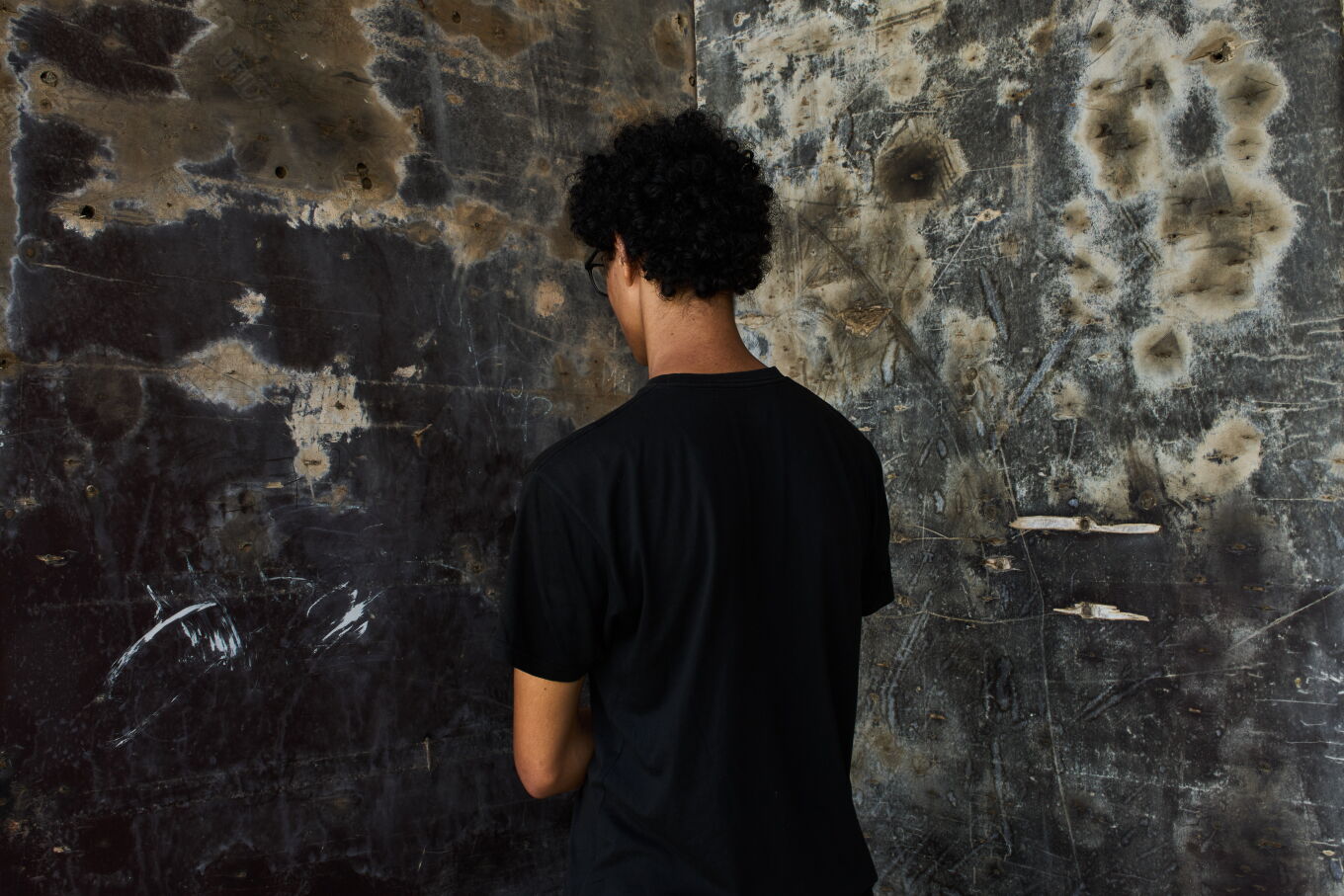
其中有一名来自摩洛哥北部、年仅17岁、梦想当模特的少年。7月下旬,他随约8万名其他人涌入休达,引发西班牙有记录以来最严重的边境危机。
Among them was a 17-year-old aspiring model from northern Morocco. In late July, he crossed into Ceuta with around 80,000 others in what would become Spain’s deadliest border crisis .
“为我祈祷!”他对美联社记者说。然而,这些少年并未见到部长,反被带到一处陡坡下的足球场,以免人数过多让部长难以应对。几小时内,许多人又回到了街头和山坡。
“Pray for me!” he told an Associated Press reporter. But instead, the teens were led down a steep hill to a soccer field so as not to overwhelm the minister. Within hours, many were back on the streets and hillsides.
这对年轻移民而言是又一次挫折,也折射出西班牙政府在该领土移民危机上反应迟缓、往往临时抱佛脚的应对。数千名无人陪伴未成年人抵达休达,根据西班牙法律,他们有权获得庇护、医疗和教育。专家承认当局面临困难,但认为政府或许只是指望这些人中的许多人知难而退、自行回国。
Another setback for the young migrants, the scene also illustrated the Spanish government’s slow, often improvised response to the migration crisis in the territory. Thousands of minors reached Ceuta alone and, under Spanish law, are entitled to shelter, healthcare and education. Experts acknowledge the difficulties authorities face, but say the government may simply be hoping that many of them give up and head home.
“我原以为会很轻松,”这名不愿透露姓名的17岁少年说,他独自滞留休达,担心自身安全,“我以为只要熬两三周就行。” 自7月以来,数万人游泳或翻越分隔摩洛哥与休达的防波堤涌入,露天简易营地混杂着成人和儿童,散布在海滩、仓库和山坡上,愈演愈烈。约140人在尝试渡境时丧生。绝大多数成功入境者数日内离开,但官方没有确切统计留下多少人。
“I was expecting a really easy experience,” said the 17-year-old, who did not want his name used because he is alone in Ceuta and fears for his safety. “I was expecting two to three weeks of this.”Open-air, makeshift camps with adults and children have festered on beaches , at warehouses and on hillsides since tens of thousands of people swam or climbed around a breakwater that separates Morocco from Ceuta in July. About 140 people died trying to cross. Most of those who made it left within days, but officials do not have an exact count of how many people stayed.
几千人住在一个海边营地,空气中弥漫着人类排泄物的恶臭。年仅13岁的孩子与成年男子混睡、混浴,而成年男子之间经常爆发斗殴。
A few thousand people lived in one beachside camp where the air reeked of human waste. Children as young as 13 slept and showered among adult men who frequently broke into fights.
在别处,未成年人躲藏在城市一些以穆斯林为主的社区陡峭狭窄的街道里。
Elsewhere, minors hid in the steep, narrow streets of some of the city’s predominantly Muslim neighborhoods.
“我们的街道上到处都是孩子,”社区协会主席艾哈迈德·恩费德-达尔说。
“Our streets are littered with kids,” said Ahmed Enfed-Dal, the president of a neighborhood association.
西班牙检方正在调查关于移民遭受酷刑和虐待的举报,其中包括未成年人。9月,国际特赦组织发布报告,详细列举了西班牙士兵涉嫌实施残忍、不人道或有辱人格待遇的指控。报告还提及了未成年移民面临的不安全状况,以及针对女童的性虐待指控。
Spanish prosecutors are investigating reports of torture and mistreatment of migrants, including minors. In September, Amnesty International published a report detailing allegations of cruel, inhumane or degrading treatment by Spanish soldiers. The report also mentioned the unsafe conditions of underage migrants and allegations of sexual abuse of girls.
10月初,这名17岁少年说,他和其他来自摩洛哥的青少年一起睡在车里。刚到时,他和另外两名未成年人睡在一个车库里。一名居民向他们每人每晚收取15欧元(约合17美元)的费用。无力继续支付后,他又回到了街头。
In early October, the 17-year-old said he was sleeping in a car with other teens from Morocco. When he first arrived, he slept in a garage with two other minors. A resident charged them each 15 euros ($17) per night. Unable to keep paying, he went back to the streets.
“有人试图抢劫我两次,还打我,”他说。随着周复一周、月复一月,他开始质疑自己为何留下来,但觉得无法返回摩洛哥。
“People tried to rob me twice and hit me,” he said. As weeks became months, he has started questioning why he stayed, but feels he cannot return to Morocco.
和许多摩洛哥青少年一样,他告诉美联社记者,高中文凭在家乡提供的机会有限。在距离休达仅40公里(25英里)南边的得土安,他曾和父亲一起做屠夫。他说家人鼓励他留在这里。
Like many Moroccan teens, he told the AP his high school diploma afforded limited opportunities back home. In Tetouan, just 40 kilometers (25 miles) south of Ceuta, he worked with his father as a butcher. He said his family has encouraged him to stay.
“摩洛哥是个旅游胜地,”他说,“但不是个适合做公民的地方。” 独自抵达西班牙领土的未成年人由各自治区政府负责,休达的情况则由市政府负责。根据西班牙法律,只有在特定情况下,才能将儿童遣返回其原籍国。
“Morocco is a good tourist place,” he said. “But it’s not a good place to be a citizen.”Minors who reach Spanish soil alone are the responsibility of regional governments or, in Ceuta’s case, the city. Under Spanish law, a child can be sent back to his or her home country only under specific circumstances.
西班牙中央政府已指示休达对18岁以下人员逐案处理,并批准了超过9000万欧元(约1.01亿美元)的资金,但该市坚称没有足够资源。西班牙青年部长西拉·雷戈表示,休达的大多数未成年人希望留在西班牙,“他们将会留下”,她在西班牙广播电台Cadena Ser上说道。
Spain’s national government has told Ceuta to process those below 18 on a case-by-case basis, approving more than 90 million euros ($101 million) in funding, but the city insists it does not have the resources. Spain’s Youth Minister Sira Rego has said most minors in Ceuta wish to stay in Spain, and “they will do so,” she told Spanish radio station Cadena Ser.
但休达市长胡安·比瓦斯敦促国家当局想办法将来自摩洛哥的未成年人送回家。
But Ceuta’s Mayor Juan Vivas has urged national authorities to find a way to send the minors from Morocco back home.
“在远处指指点点很容易,”比瓦斯9月表示,“但你得亲临现场。”双方在一个更根本的问题上也存在分歧:休达究竟还剩下多少移民。
“It’s easy to judge from over there,” Vivas said in September. “But you’ve got to be here.”The two sides also have disagreed over something even more fundamental: How many migrants are still in Ceuta.
在最初的边境冲击后,西班牙内政部长称除2000人外,其余人已返回摩洛哥。西班牙在9月将该数字修正为多达1万名移民。但休达市长称多达1.5万人仍留在当地,并承认“数字每天都在变”。无人陪伴未成年人的数量估计也在波动。当局称数千人仍留在该市,但不清楚有多少人无处栖身。权利团体批评西班牙至今仍不清楚未成年人的确切数量。
After the initial border rush, Spain’s interior minister said all but 2,000 people had gone back to Morocco. Spain revised the figure to up to 10,000 migrants in September. But Ceuta’s mayor says up to 15,000 people remain, acknowledging “the figure changes from one day to the next.”Estimates of the number of unaccompanied minors have also fluctuated. Authorities say thousands remain in the city, though it’s unclear how many are unsheltered. Rights groups have criticized Spain for still not knowing how many minors there are.
“我们理解保护系统目前不堪重负,但这不改变这样一个事实:应该有一份官方登记册,记录所有在该市声称自己是未成年人的个体,”西班牙救助儿童会移民专家珍妮弗·祖皮罗利表示。随着更多未成年人进入收容所,仍在等待的人越发焦虑。
“We understand that the protection system is currently overwhelmed, but that does not change the fact that there should be an official registry of all individuals in the city who declare themselves to be minors,” said Jennifer Zuppiroli, a migration expert at Save the Children in Spain. As more minors have entered shelters, those still waiting are growing weary.
数周来,这位立志当模特的少年每天去海边的帐篷营地领取红十字会发放的食物。他和几十名移民男孩发起小规模示威,向当局呼吁援助。
For weeks, the aspiring model visited the beachside tent camp to collect food from the Red Cross. He and dozens of migrant boys staged small demonstrations, appealing to authorities for help.
“我们只想要一件事——西班牙保护未成年人。西班牙万岁!”一块破旧的标语牌上写着,年仅13岁的男孩们举着它,车辆在身旁疾驰而过。
“We just want one thing — that Spain protects minors. Long live Spain!” read a tattered sign that boys as young as 13 held up as traffic whizzed past.
10月初,西班牙警方开始推平营地和成堆的垃圾。成群的移民被大巴车送往别处。权利组织和其他人称,一些未成年人被带到了边境。
In early October, Spanish police started bulldozing the camp and mountains of detritus. Groups of migrants were bused elsewhere. Rights groups and others said some minors were taken to the border.
通过WhatsApp,这名17岁少年说他认识一些被警察从海滩带走的青少年。其中一些人最终被送进了收容所。他很失望,因为这事发生在他唯一一次没去营地的那天。因为担心警察把他送回摩洛哥,他一直躲藏起来。
Over WhatsApp, the 17-year-old said he knew some teenagers whom police had taken from the beach. Some ended up in shelters. He was disappointed it happened on the one day he didn’t visit the camp. Fearful that the police will send him back to Morocco, he has stayed hidden.
“我来到这里以来第一次感到累了,”他说。“已经两个月了,我们还在街头生活。”
“I’m feeling tired for the first time since I came,” he said. “It’s been two months and we’re still living in the streets.”