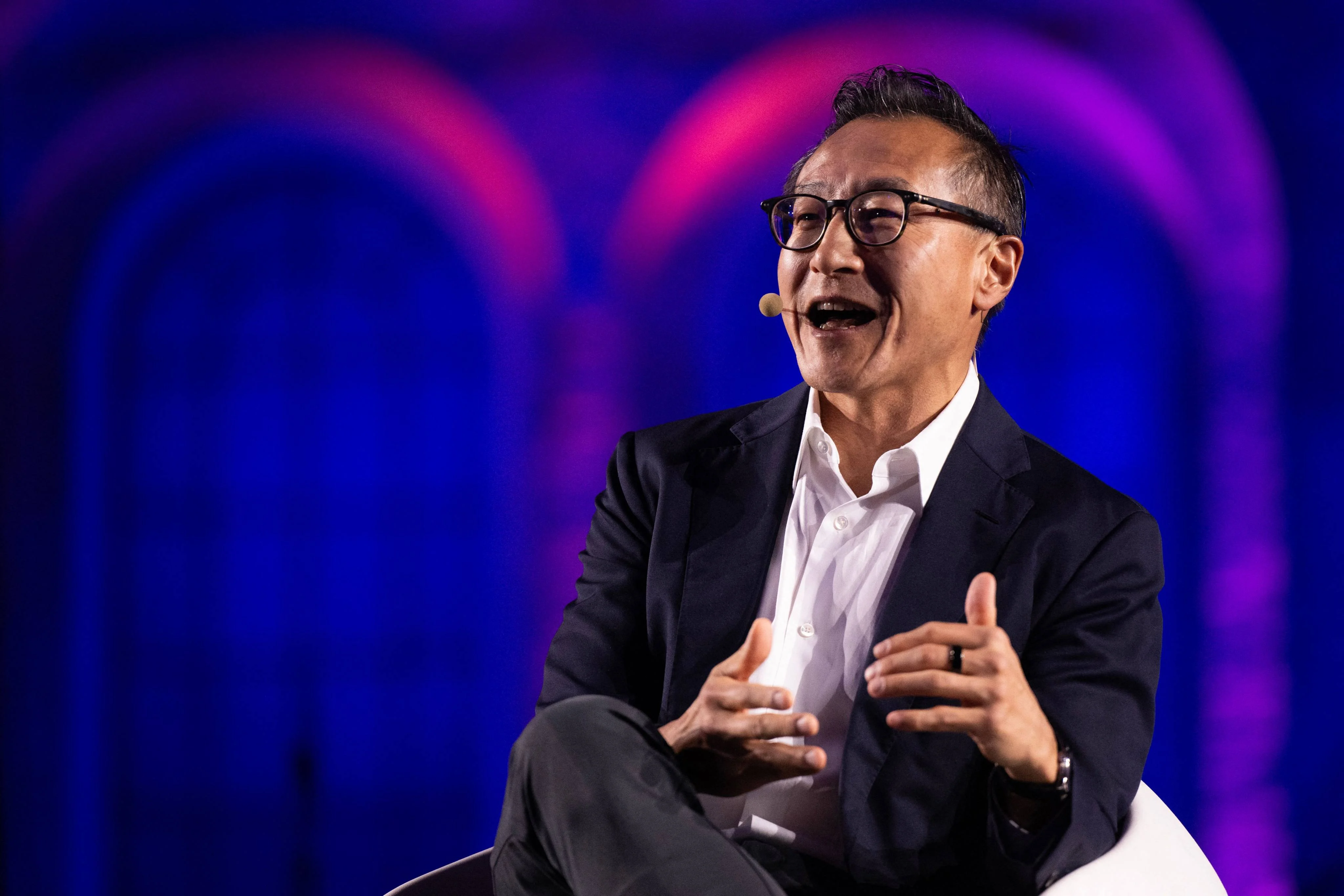
阿里巴巴集团董事长蔡崇信表示,拥抱开源路线是欧洲实现技术独立的唯一途径,并指出中国自身的开源驱动是约束条件下创新的蓝图。
Embracing the open-source approach is the only way for Europe to achieve technological independence, Alibaba Group Holding chairman Joe Tsai said, pointing to China’s own open-source drive as a blueprint for innovation under constraints.
蔡崇信称,对于与中国一样拥有深厚传统制造业根基的欧洲而言,开源路线提供了独特机遇,他强调该地区工厂拥有极具价值的制造数据。
For Europe, which shares China’s deep roots in traditional manufacturing, the open-source approach presented a unique opportunity, Tsai said, highlighting that factories in the region possessed highly valuable manufacturing data.
他说:“你不希望将这些数据输入某个闭源API。你希望保留这些数据,并能够采用开源模型进一步训练你的模型,针对你的用途加以改进。”
“You don’t want to feed it into some closed-source API. You want to maintain those data and be able to take open-source models and then further train your model, and improve it for your use,” he said.
阿里巴巴联合创始人蔡崇信本周早些时候在意大利举行的Wave科技活动上发表上述言论,正值阿里巴巴本身正加倍押注开源路线,以成为全球AI热潮中的领军玩家。
The comments, which were made by the Alibaba co-founder earlier this week at the Wave tech event in Italy, came as Alibaba itself is doubling down on the open-source approach to become a leading player in the global AI boom.
蔡崇信将公司自2023年以来的当前时代描述为其“AD时期”,即从过去缺乏重点的扩张转向严格聚焦电商与全栈AI的双重战略。蔡崇信于1999年与马云等人共同创立阿里巴巴,2023年出任集团董事长。
Tsai described the company’s current era – from 2023 onwards – as its “AD period”, pivoting away from past unfocused expansion to a strict dual focus on e-commerce and full-stack AI. Tsai, who co-founded Alibaba with Jack Ma and others in 1999, became the group chairman in 2023.
蔡崇信表示,这家总部位于杭州的科技巨头正利用其电商业务产生的250亿美元自由现金流为AI基础设施和模型开发提供资金,并补充称,过去三年集团每年将计算基础设施的资本支出翻倍。
The Hangzhou-based tech giant was using the US$25 billion free cash flow generated by its e-commerce operations to fund AI infrastructure and model development, Tsai said, adding that the group had doubled capital expenditure on computing infrastructure every year for the past three years.
在中美科技竞争方面,蔡崇信对两国AI开发者的当前战略形成了鲜明对比。
On US-China tech competition, Tsai drew a sharp contrast between the current strategies of AI developers in the two countries.
“中国企业正在开源他们的创新成果,他们撰写论文,”他说。“美国的闭源实验室不再撰写论文,因为他们不想分享。”蔡崇信认为,美国对先进技术的出口管制反而推动了中国AI生态系统的发展。在一个他之前用过的比喻中,蔡崇信将美国公司比作出生在资源丰富、富裕家庭的孩子,同时指出中国更有动力努力工作和创新,因为中国没有同样的资源。
“Chinese companies are open sourcing their innovation, they write papers,” he said. “The American closed-source labs don’t write papers any more because they don’t want to share.”Tsai argued that US export controls on advanced technologies have fuelled the development of China’s AI ecosystem. In an analogy that he has used previously, Tsai likened US firms to children born in resourced, wealthy families, while noting that China has more motivation to work hard and innovate because it does not have the same resources.
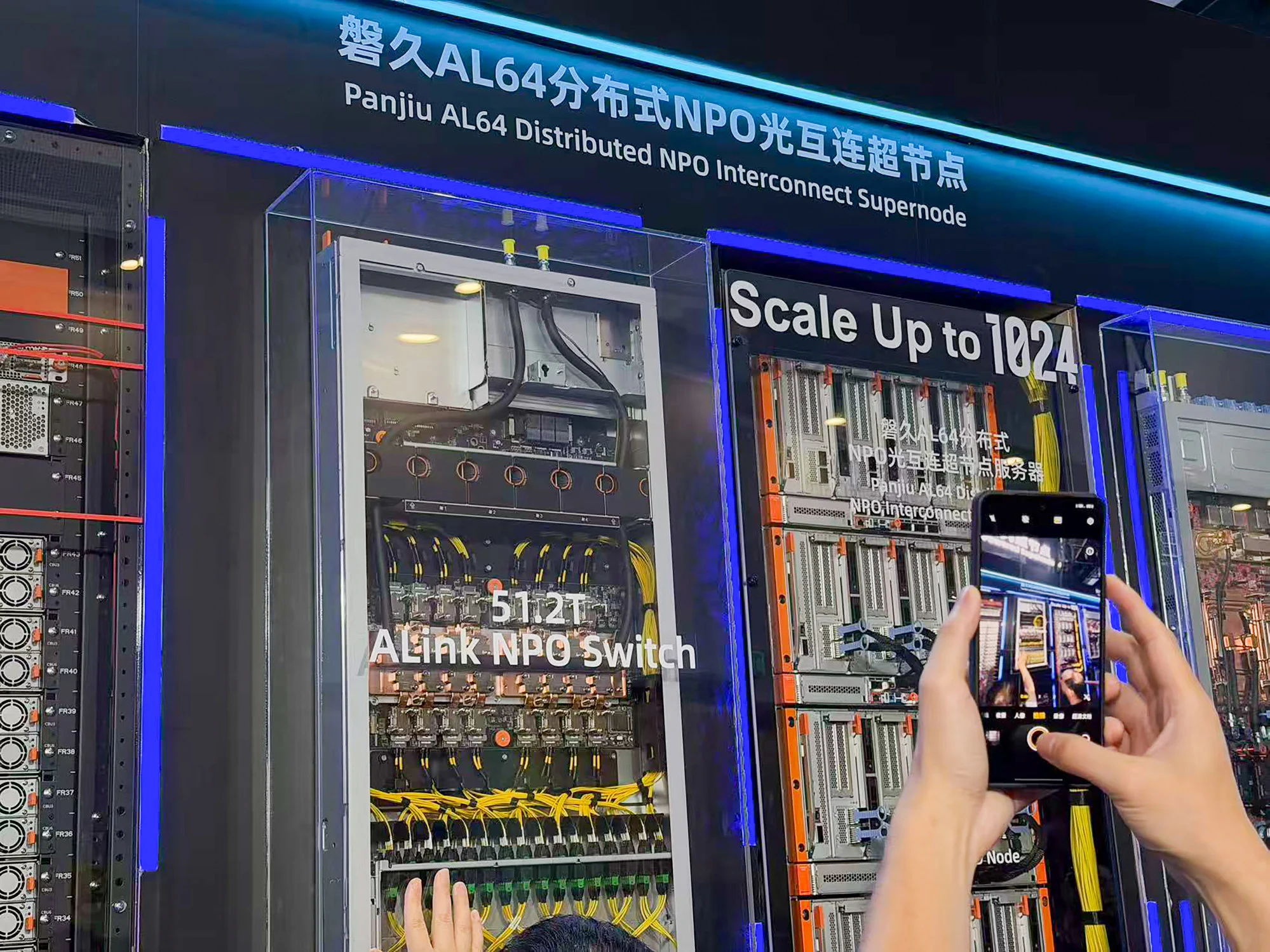
阿里巴巴一直在通过这种方式大力推进,这一点在公司9月举办的年度云栖大会上的发布中得到了凸显。
Alibaba has been making an aggressive push through this approach, as highlighted by the company’s announcements at its annual Apsara Conference in September.
在大会上,公司首发了镇武V900处理器,称其为“目前中国最强大的AI芯片”,并透露了训练一个高达10万亿参数的AI模型的计划。
During the event, the company debuted the Zhenwu V900 processor, billing it as “the most powerful AI chip in China today”, and teased plans to train an AI model with up to 10 trillion parameters.
展望未来,蔡崇信预测,在未来几年内,AI将超越独立的新奇事物,成为日常生活不可或缺的一部分。
Looking forward, Tsai predicted that AI would go beyond a stand-alone novelty to become an integral part of everyday life over the next few years.
“现在起五年内,我们不会再专门谈论AI,”这位62岁的老人说。“AI将已渗透到我们业务的方方面面。出于同样的原因,我们今天不再谈论互联网,但互联网无处不在。”阿里巴巴拥有《南华早报》。文/Ann Cao
“Five years from now, we won’t be talking about AI per se,” the 62-year-old said. “AI would have been infused in every aspect of our business. For the same reason, we don’t talk about the internet today, but the internet is everywhere.”Alibaba owns the South China Morning Post.