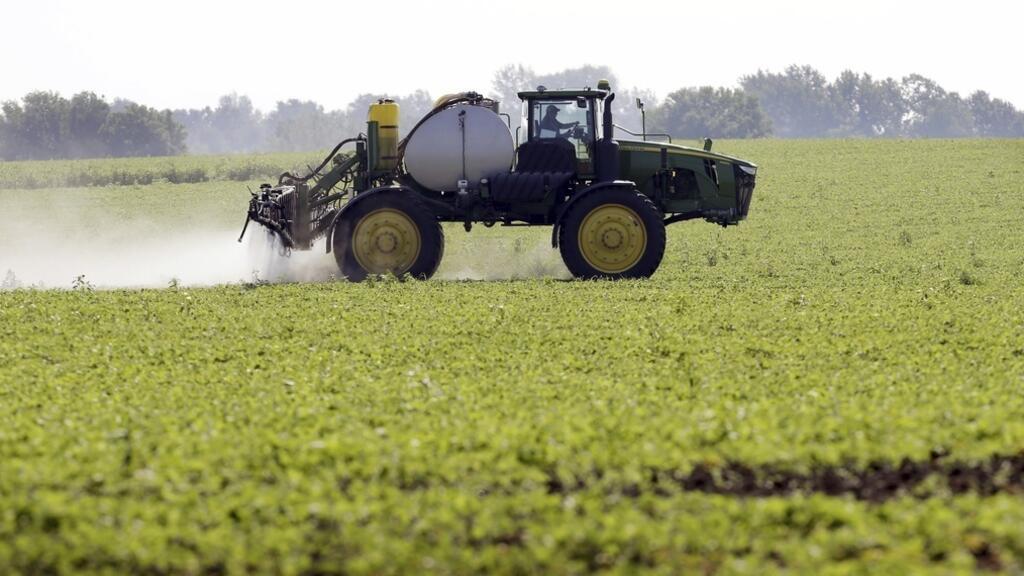
数十年来,法国农民一直在喷洒他们被告知无害的农药。许多人随后生病,正面临因暴露而引发的癌症和其他疾病。随着欧盟准备就一项将终止对大多数农药进行定期安全评估的方案进行投票,受害者、医生和科学家警告称,这可能导致有害产品在市场上停留更长时间。
For decades, French farmers sprayed pesticides they were told were harmless. Many have since fallen ill, grappling with cancers and other diseases caused by exposure. As the EU prepares to vote on a package that would end regular safety reviews of most pesticides, victims, doctors and scientists warn it could keep harmful products on the market for longer.
在大部分人生中,何塞·纳丹一直在莫尔比昂从事专业养蜂工作,该地区位于布列塔尼海岸,以其中世纪城镇和新鲜海鲜而闻名。他回忆起职业生涯初期的养蜂黄金时代,当时每年蜂箱数量都会“毫不费力”地自然增加。
For most of his life, José Nadan worked as a professional beekeeper in Morbihan, a coastal area in Brittany known for its medieval towns and fresh seafood. At the start of his career, he recalls a golden age of beekeeping, when each year, and “without much effort”, the number of hives would naturally increase.
但情况在20世纪80年代恶化,当时瓦螨进入法国。这种寄生虫通过抑制蜜蜂的免疫系统并传播致命病毒来削弱蜜蜂,这些病毒可能导致整个蜂群崩溃。“我们当时想尽办法用手头的东西杀死它们,直到官方产品进入市场,”纳丹回忆道。
But things took a turn for the worse in the 1980s, when the varroa mite made its way to France. A parasite, the mite weakens bees by suppressing their immune system and spreading deadly viruses that can collapse entire colonies. “We improvised trying to kill them with whatever we had until official products made their way onto the market,” Nadan recalls.
纳丹还多年经营着一片苹果园,种植用于酿酒的苹果树,他一直使用一种被告知是“有机且对人体无害”的农药。“甚至销售代表说它如此安全,你甚至可以喝下去,”这位69岁的老人说。“我从未采取过任何防护措施,开着拖拉机在树行间喷洒,”纳丹回忆。“有时由于风力,我会把一些喷到脸上。但我并不担心。”“后来我才发现,那是一种类似于Roundup[孟山都除草剂]的产品,含有草甘膦,”他说,这种物质如今已被证实对人体健康有害。
Nadan also spent many years keeping an orchard of cider apple trees he treated with a pesticide that, he was told, was organic and had no effect on humans. “The sales reps even said it was so safe you could drink it,” the 69-year-old says. “I never took the slightest precaution, spraying from my tractor as I drove along the rows of trees,” Nadan recalls. “Sometimes, because of the wind, I’d get some on my face. But I wasn’t worried.”“I later found out it was a product like Roundup [a Monsanto weed killer] and contained glyphosate,” he says, a substance now known to be harmful to human health.
正是在他退休之后,纳丹才意识到多年暴露于农药中的后果。六年前,他被诊断出患有前列腺癌。
It was only after he retired that Nadan realised the consequences of being exposed to pesticides for all those years. Six years ago, he was diagnosed with prostate cancer.
他的疾病已被法国农业社会保障系统正式认定为由农药暴露引起的职业病。
His illness has officially been recognised as an occupational hazard caused by pesticides by France’s agricultural social security system.
在所有地方,随时随地,农药已知会导致一系列健康问题,包括各种类型的癌症、呼吸系统疾病、帕金森病或阿尔茨海默病等神经退行性疾病、心血管疾病和不孕不育。它们对儿童的影响也比成人更大,导致发育迟缓和认知障碍。
In everything, everywhere, all at once Pesticides are known to cause a range of health issues, including various types of cancer, respiratory diseases, neurodegenerative illnesses like Parkinson’s or Alzheimer's, cardiovascular diseases and infertility. They also impact children more than adults, leading to developmental delays and cognitive impairments.
而且它们无处不在。2023年的一项研究中,研究人员在10个欧洲国家的不同环境中收集了数百份样本,结果发现农药存在于100%的空气、室内灰尘和水样中。
And they are everywhere. A 2023 study in which hundreds of samples were gathered from different environments across 10 European countries found that pesticides were present in 100% of air, indoor dust and water samples.
住在法国北部比利时边境附近的退休医生埃德蒙·勒杜克(Edmond Leduc)已经与喷洒农药的农田为邻44年。“田里的农民采用密集型种植方式,所以总是有收获,”他说。“当是土豆季节时,他们有时每两周就会喷一次杀菌剂。”
Edmond Leduc, a retired doctor living close to the Belgian border in northern France, has lived next to crop fields treated with pesticides for 44 years. “The farmers working the fields practise intensive farming, so there is always a harvest,” he says. “When it’s potato season, they sometimes spray fungicides every two weeks.”
热爱园艺的勒杜克花了大量时间在户外,并承认“早年并不够小心”。“我不知道我吸入的产品是有毒的。”勒杜克在2018年发现自己患有淋巴瘤——一种血液癌症,而在今年8月被诊断出患有前列腺癌——这两种疾病都与农药有关联。
A lover of gardening, Leduc spent a lot of time outside and admits “not being very careful” in the early years. “I didn’t know the products I was inhaling were toxic.”Leduc discovered he had lymphoma, a type of blood cancer, in 2018, and was diagnosed with prostate cancer in August of this year – two conditions linked to pesticides.
作为欧洲最大的农业生产国之一,法国也是其最大的农药消费国之一。而像纳丹这样的农业工人——他们长期接触这些有毒物质——的申请数量,已从2024年的318份激增至2025年的975份。
As one of Europe’s biggest agricultural producers, France is also one of its largest consumers of pesticides. And the number of requests by agricultural workers like Nadan, who are in close contact with the toxic substances, has shot up from 318 in 2024 to 975 in 2025.
然而,随着农药暴露的危害日益清晰,欧盟正准备就一套法律修正案进行投票,这些修正案可能会使禁止这些有害产品变得更加困难。
Yet as the toll of pesticide exposure is becoming clearer, the EU is preparing to vote on a set of legal amendments that could make it harder to ban these harmful products.
欧盟的“安全锁”面临风险 虽然欧盟拥有多层次的体系来评估农药风险,但仍有案例显示,农药对环境和人类造成伤害。与美国不同,美国采用基于风险的模型,考虑实际暴露水平,而欧盟采用基于危害的模型,即在批准某种化学品之前,先关注其固有的毒理学特性。
The EU’s ‘safety lock’ at risk Despite having a multi-layered system to assess the risk of pesticides, Europe still sees cases where they cause harm to both the environment and humans. Unlike the US, which uses a risk-based model that factors actual levels of exposure, the EU uses a hazard-based model, meaning it focuses on the inherent toxicological properties of a certain chemical before it’s approved.
但监管评估常常延迟且耗时,导致农药进入市场的进程放缓。为加快进程、减少官僚程序,欧盟委员会提出了一项立法方案,旨在彻底改革现行体系。该方案被称为“Omnibus X”,将修订十部涵盖农药、生物杀灭剂、食品残留、动物饲料和官方控制的现有欧盟法律。
But regulatory assessments are often delayed and take time, slowing down the process for pesticides to enter the market. To speed things up and cut red tape, the European Commission proposed a legislative package that would overhaul the current system. Known as Omnibus X, it would amend ten existing EU laws that cover pesticides, biocides, food residues, animal feed and official controls.
其中一项关键修正案旨在取消农药的定期重新评估,而这一评估往往在初次批准后被发现会造成比预期更大的损害。
A key amendment aims to scrap the periodic re-evaluation of pesticides, which often end up causing greater damage than expected after being initially approved.
欧盟称该举措将“不会在食品安全或环境保护方面妥协”,但该方案的批评者持不同意见。
The EU ensures the move would have “no compromise on food safety or environmental protection”, but critics of the package disagree.
“新的科学发现需要定期纳入考量,因为在农药上市前,其风险始终存在一定程度的不确定性,”生态毒理学家马丁娜·维杰尔说。她在得知该方案的消息时曾强烈反对。“定期审查是一道安全锁,它至关重要,因为我们无法预见所有后果。”例如,一种名称为氯pyrifos的杀虫剂曾于2006年获准在欧盟使用。该药剂被喷洒在作物上以控制害虫,或用于仓库中储存的谷物,后来成为欧洲最常用的农药之一。该物质的残留被检测到水果、蔬菜、乳制品和饮用水中。
“New scientific findings need to be taken into account regularly, because there is always a level of uncertainty [about the risk of a pesticide] before it hits the market,” says ecotoxicologist Martina Vijver, who was up in arms when news of the package dropped. “A periodic review is a safety lock, it’s crucial, because we can’t foresee every consequence.”An insecticide known as chlorpyrifos, for example, was approved for use in the EU back in 2006. Sprayed on crops to control pests or on grains stored in warehouses, the chemical came to be one of the most commonly used pesticides in Europe. Residues of the substance were found in fruit, vegetables, dairy products and drinking water.
当其批准到期需要续期时,欧洲食品安全局(EFSA)审查了相关证据,并于2019年决定无法设定安全暴露水平,且氯吡硫磷不符合欧盟的健康要求。即使是微量剂量,氯吡硫磷也会影响人体的神经、生殖、代谢和免疫系统。该物质与儿童神经发育障碍有关联,包括自闭症。
When its approval came up for renewal, the European Food Safety Authority (EFSA) reviewed the evidence and decided in 2019 that no safe exposure level could be set, and that chlorpyrifos didn’t meet the EU’s health requirements. Even in small doses, chlorpyrifos affects the human body’s neurological, reproductive, metabolic and immune systems. The substance was linked to neurodevelopmental disorders in children, including autism.
尽管整个监管过程持续了超过七年,但一旦该裁决于2020年1月通过,成员国就有三个月时间处理所有含氯吡硫磷的产品。
Even though the entire regulatory process spanned over seven years, once the ruling passed in January 2020, Member States had three months to dispose of all products containing chlorpyrifos.
“所有农药都是为了杀死某种生物,”维杰弗解释道。“如果一种物质对昆虫具有神经毒性,例如,那么同样的神经毒性也可能适用于人类……这并不奇怪,因为这就是农药的初衷。”
“All pesticides are aimed at killing something,” Vijver explains. “If a substance is neurotoxic for insects, for example, that same neurotoxicity could apply to humans [...] Which is not so strange, because that’s the intention [of the pesticide].”
前农民丹尼斯·伯努特负责冬季修剪树木,春季至夏季施用农药,他回忆说,一天工作后回家时会出现强烈症状。“我晚上发烧,手臂上出现红色斑块,”他说。“这是因为我们使用的杀虫剂,比如D6。”就像纳丹和勒杜克一样,这位来自法国西部的65岁男子也在2019年被诊断出患有前列腺癌。“我确实后悔曾经接触过这些物质,但当时很难找到工作,而且我们被告知这些物质只有在大剂量下才有毒,”他说。“谁在拉响警报?”
Denis Benoit, a former farmer in charge of pruning trees in the winter and applying pesticides from spring through summer, recalls going home with intense symptoms after a day’s work. “I had a fever at night and red patches on my arms,” he says. “It was because of the insecticides we were using, like D6.”Like Nadan and Leduc, the 65-year-old from western France was also diagnosed with prostate cancer in 2019. “I do feel regret for having worked with those substances, but it was hard to find work at the time, and we were told they were only toxic in large doses,” he says. ‘Who sounds the alarm?’
对于维杰弗这样的科学家来说,农药的定期重新评估是少数几种防止此类长期隐藏危害的保障措施之一,而这正是欧盟即将出台的全面法规所要取消的内容。
For scientists like Vijver, the regular reassessment of pesticides is one of the few safeguards against such long-hidden harms, and it is precisely what the EU’s upcoming omnibus would remove.
在当前的欧盟体系下,农药的批准将在设定日期到期,生产该农药的公司必须再次证明其产品安全,才能继续销售。如果批准不再自动到期,该产品将默认留在市场上,从而移除维杰弗所指的“安全锁”。届时,责任将落在诸如EFSA或各成员国监管机构的肩上,由它们来拉响警报。
Under the current EU system, a pesticide’s approval expires on a set date, and the company producing it has to show again that its product is safe to keep selling. If the approval no longer expires automatically, the product would stay on the market by default, removing the “safety lock” that Vijver refers to. The burden would then fall on the shoulders of regulators such as the EFSA or individual member states to sound the alarm.
“但谁来触发这个过程?医生?科学家?还是遛狗看到所有鸟儿都死了的普通人?这不是我们的工作,”维杰弗说。
“But who triggers the process? Doctors? Scientists? Or the guy who walks his dog and sees all the birds have died? That’s not our job,” says Vijver.
如果该立法方案获得通过,还将将农民禁用农药替代的最长宽限期从18个月延长至三年。禁用农药(包括内分泌干扰物)的例外使用条件也将被放宽。
If passed, the legislation package would also increase the maximum grace period for farmers to substitute banned pesticides from 18 months to three years. Conditions for the exceptional use of banned pesticides, including endocrine disruptors, would also be loosened.
维杰弗通过撰写公开信并发出倡议,于9月17日明确表达了担忧,她敦促欧洲议会暂停对该立法方案的投票,直至开展一项独立调查,以评估其潜在的健康和环境影响。她联合了来自环境保护、医学和公共卫生等广泛领域的573名其他签署者,所有这些人“在该领域具有专业知识”,正如维杰弗所言。
Sending a clear message of concern, Vijver took the initiative to write an open letter on September 17 and urged the European Parliament to pause the vote on the legislative package until an independent investigation into its potential health and environmental impacts is carried out. She gathered 573 other signatories from a wide range of disciplines, including environmental protection, medicine and public health – all of whom “have expertise” in the field, Vijver says.
“我以前从未做过这样的事情,”她承认。“作为科学家,我们真的很担心。如果我不真的很担心,我绝不会这样做。”Omnibus X的投票预计将在十月底进行。
“I’ve never done something like this before,” she admits. “As scientists, we are really worried. I would never have done this if I wasn’t really worried.”The vote on Omnibus X is expected to take place at the end of October.
受害者走上街头 上周末,癌症患者和农民手挽手上街游行,医生和活动家夹道相送,抗议农药。此次游行由少数非营利组织发起,8000名示威者聚集在法国北部一家由世界最大农药销售商先正达所有的工厂外。
Victims take to the streets Cancer victims and farmers marched arm in arm last weekend, flanked by doctors and activists, to protest pesticides. Organised by a handful of non-profits, the march saw 8,000 demonstrators gather outside a factory in northern France owned by Syngenta, the world’s largest pesticide seller.
在人群中,有癌症愤怒集体(Cancer Colère)的创始人弗勒尔·布雷托(Fleur Breteau),她去年因引发全国性运动以阻止杀虫剂乙酰胺啶(acetamiprid)的重新引入而引起轰动。
Amid the crowd was Fleur Breteau, founder of the Cancer Colère collective, who made waves last year when she sparked a nationwide movement to block the reintroduction of the pesticide acetamiprid.
尽管乙酰胺啶的重新引入最终在去年夏天被禁止,但法国今年8月通过了一部农业法,该法将部分逆转这一决定。
Though the reintroduction of acetamiprid was eventually banned last summer, France passed an agricultural law in August this year that would partially reverse the decision.
布雷托手持一块写着“摩根,36岁去世,乳腺癌”的牌子,她于10月3日向法国《世界报》(Le Monde)表示,摩根是她在农业问题上的伙伴,于今年6月去世。“我们每周都在失去同伴,”她说。
Holding a placard that read: “Morgan, dead age 36, breast cancer,” Breteau told French daily Le Monde on October 3 that Morgan was her partner on agricultural issues and had passed away in June. “We’re losing peers every week,” she said.
“当我看着一些同龄退休者的状况时,他们病得很厉害,精疲力尽,我就会告诉自己,不管怎样,我其实还算不错,”前养蜂人纳丹(Nadan)说道,他如今作为支持农药受害者集体的一员,帮助其他农业工人。
“When I see the state of some of my fellow retirees, how sick and tired they are, I tell myself that all things considered, I am not doing too bad,” says former beekeeper Nadan, who now helps other agricultural workers as a member of a collective to support pesticide victims.
“我上周参加了一位我正在帮助的农作物技术员的葬礼。他会从农场到农场,勘察已处理的田地,退休不久后就生病了,”纳丹说。“他患有一种帕金森病,以至于他说话都困难,只能靠轮椅。病情进展如此之快,以至于他甚至没有时间完成申请,以便让这种疾病正式被认定为由农药引起的。” 对于活动人士来说,类似这样的案例是一个鲜明的提醒,提醒人们在布鲁塞尔准备重写农药规则时,所面临的利害关系有多重大。
“I went to the funeral of a crop technician I was helping last week. He would go from farm to farm and survey treated fields, and fell ill shortly after retiring,” Nadan says. “He had a form of Parkinson’s that meant he could barely speak and was in a wheelchair. The disease progressed so rapidly that he didn’t have time to finalise his request to have the illness officially recognised as being caused by pesticides.”For campaigners, cases like this are a stark reminder of what is at stake as Brussels prepares to rewrite its pesticide rules.
法国环境组织“未来世代”(Générations Futures)在全国范围内组织了一周末的抗议和宣传活动,旨在向公众说明欧盟立法方案可能放宽农药限制。
French environmental organisation Générations Futures has organised a weekend of protests and canvassing across the country, aimed at informing people about the EU legislative package that could loosen restrictions on pesticides.
“将欧盟议题带入公众视野从来都不容易,因为它们并不吸引人。我们这个周末的目标是让人们了解‘全方位’(Omnibus),引发讨论,让人们谈论这件事——这显然是其支持者想要避免的,”“未来世代”活动经理安迪·巴坦蒂耶(Andy Battentier)说道。
“It’s never easy to bring EU issues into the public sphere because they aren’t very enticing. Our aim this weekend is to inform people about the Omnibus, spark debate, get people talking, which is definitely something its supporters want to avoid,” says Andy Battentier, campaign manager for Générations Futures.
“欧洲议会三分之一的成员是右翼和极右翼议员,他们主张取消标准[官僚繁文缛节],”巴特恩蒂尔谈到该立法方案通过的可能性时说。
“A third of the European Parliament is made up of right-wing and far-right MEPs, who favour scrapping standards [red tape],” says Battentier on the chances the legislative package will pass.
由非政府组织组织的首次“总统辩论”——主题为农药——也将于本周六在法国北部城市康布雷举行。2027年大选总统候选人的左翼代表表示他们将参加。法国三百名医生一直在等待前总理加布里埃尔·阿塔尔、中右翼爱德华·菲利普以及内政部长布鲁诺·勒泰诺对“这一重大公共卫生问题”进行辩论的回应——但他们的席位很可能仍将空缺。
A first-ever “presidential debate” on pesticides organised by the NGO will also take place in Cambrai, northern France, this Saturday, with leftist representatives of presidential candidates for the 2027 election saying they will attend. Three hundred doctors in France have been awaiting a response from former prime minister Gabriel Attal, centre-right Edouard Philippe and Interior Minister Bruno Retailleau to debate “this major public health issue” – but their seats are likely to remain empty.
“法国有2300万人患有慢性疾病或癌症,”医生们在9月28日发出的信中写道。“大量研究表明,这些疾病与农药之间存在强烈关联。作为医生,我们不遗余力地保护同胞的健康。如果我们不解决疾病的根源,我们的努力还有什么意义?”回到莫尔比昂,纳丹仍在思考他曾为拯救蜜蜂免受瓦螨侵害而奋斗的日子——瓦螨缓慢削弱宿主,以至于当损害显现时,蜂群往往已无法挽回。数十年后,他和 fellow 农民担心,他们曾被告知能保护他们的产品,也可能带来同样的后果。
“23 million people in France suffer from either a chronic illness or cancer,” the doctors wrote in the letter sent on September 28. “Numerous studies have shown a strong link between these conditions and pesticides. As doctors, we work tirelessly to protect the health of our fellow citizens. What is the point of our efforts if we don’t tackle the root cause of the diseases?”Back in Morbihan, Nadan still thinks about the bees he fought to save from the varroa mite, which weakens its host so slowly that by the time the damage shows, the colony is often beyond saving. Decades later, he and his fellow farmers fear the same may be true of the products they were told would protect them.
“许多农民感到羞愧,尤其是因为他们有孩子在从事传统农业,”他说,他担心《全民法案》只会“为后代燃起癌症和其他退行性疾病的激增”。
“Many farmers feel a sense of shame, especially because they have children who work in conventional farming,” he says, fearing the Omnibus would only “fuel the surge in cancers and other degenerative diseases” for generations to come.