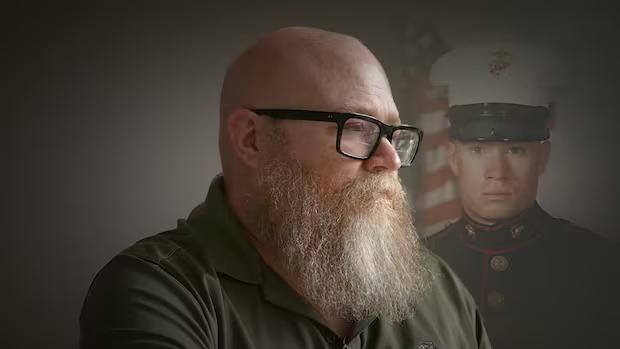
2001年9月11日,弗吉尼亚州伍德布里奇高中毕业生巴里·斯沃德在电视上看到双子塔倒塌,并确信自己做出了正确的决定。
On Sept. 11, 2001, Barry Sward, a high school senior in Woodbridge, Va., watched the collapse of the twin towers on TV and knew he had made the right decision.
他已经报名参加美国海军陆战队。在国家悲剧的激励下,他现在有了一个可以对抗的敌人。"复仇的情绪激增……我也确实想抓住制造这场事件的人,让他们付出惨痛的代价。我不知道他们为什么这么做,"他对加拿大广播公司新闻首席记者阿德里安娜·阿森诺说,当时她正在报道9/11之后的军队征兵情况。
He had already enlisted to become a U.S. marine. Emboldened by a national tragedy, he now had an enemy to fight. "There was a spike of revenge … and I did want to get the people that did this and hurt them really bad. I don't know why they're doing it," he told CBC News chief correspondent Adrienne Arsenault, who at the time was reporting on post-9/11 military recruitment.
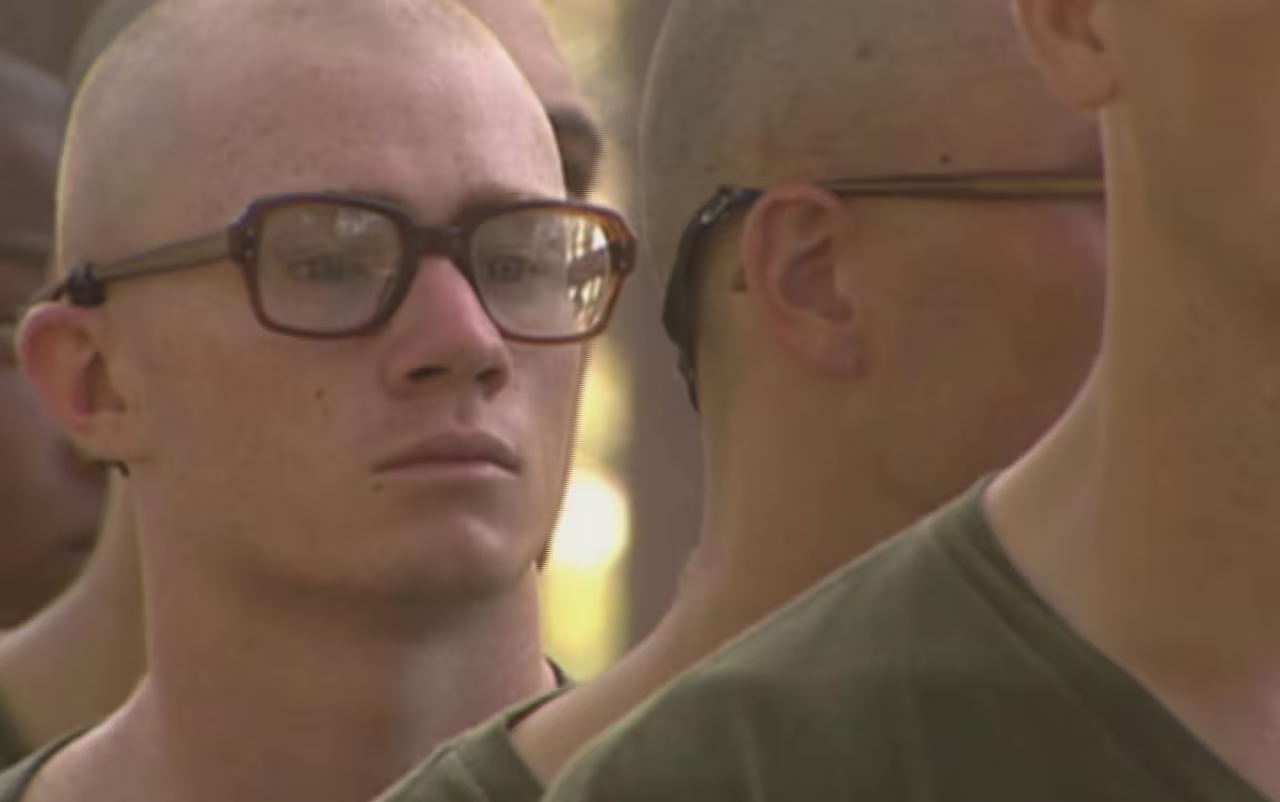
2002年7月,他将在南卡罗来纳州帕里斯岛开始基础训练,几个月后就成为美国总统乔治·W·布什所谓"反恐战争"的一部分,进入伊拉克的首批部队之一。根据2019年皮尤研究中心对1284名退伍军人的调查,9/11之后入伍的美国退伍军人比之前入伍的更有可能在战区服役,可能性大约是前者的两倍。因此,他们更可能因战争创伤而受到身心创伤的影响。
In July 2002, he would start basic training at Parris Island, S.C., and just months later was part of the first units to enter Iraq as part of U.S. President George W. Bush's so-called "war on terror." After Sept. 11, 2001, U.S. veterans are about twice as likely as those who signed up before them to have served in a combat zone, according to a 2019 Pew Research survey that polled 1,284 veterans. As a result, they are more likely to have been scarred by the battle wounds of war — not only physically, but mentally, too.
在同一项调查中,一半的受访者表示他们经历过情感上的创伤或痛苦经历,但只有三分之一的人寻求了帮助来应对他们所面临的问题。
In that same survey, half of the respondents said they had emotionally traumatic or distressing experiences, yet only a third sought help to deal with what they faced.
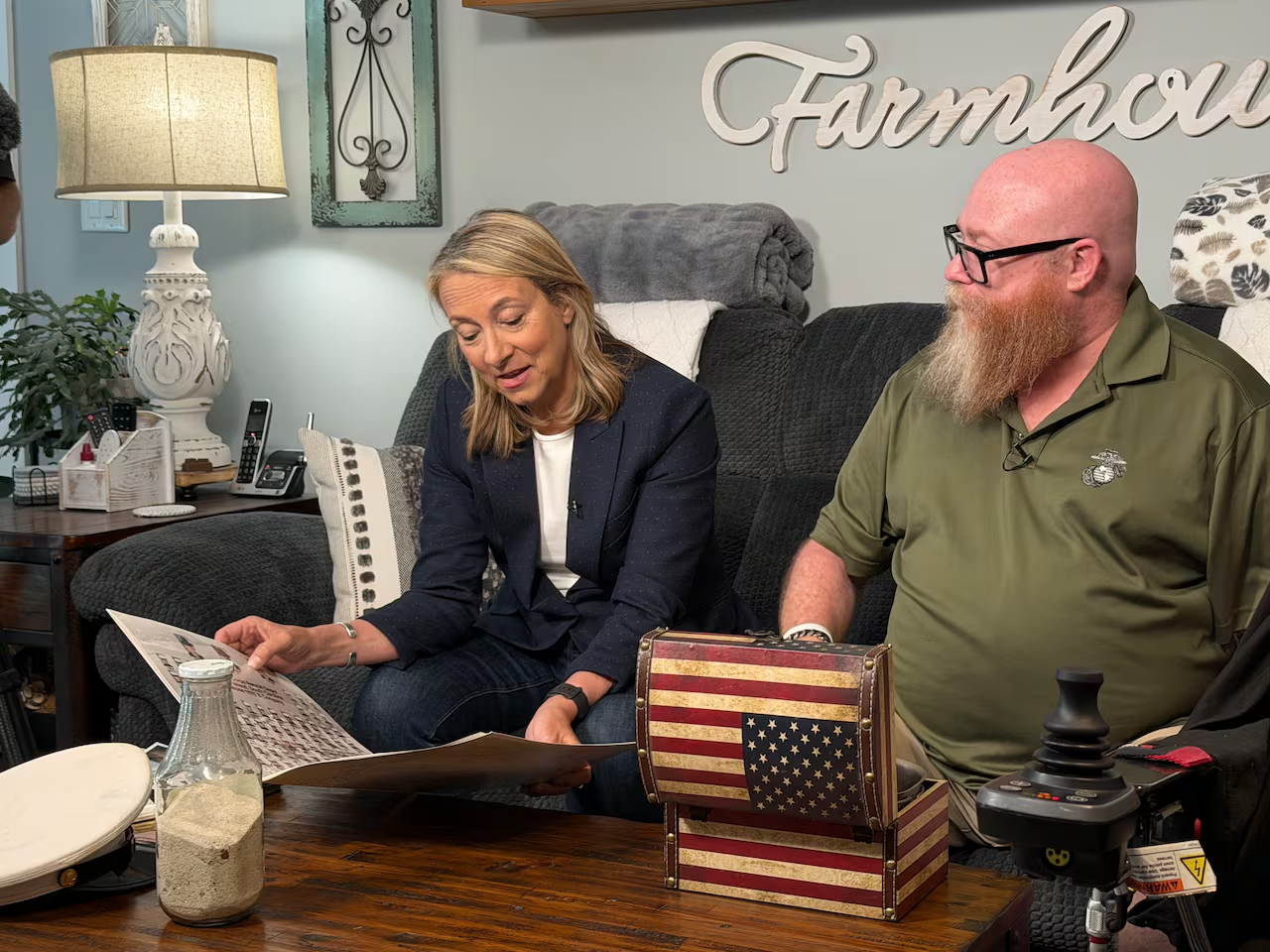
今年8月,阿森诺在弗吉尼亚州法尔茅斯找到了几乎认不出的斯沃德,这是他们第一次采访24年后。
In August of this year, Arsenault tracked down an almost unrecognizable Sward in Falmouth, Va., 24 years after their first interview.
她问他:"你现在还是当初参军时的那个人吗?""不,绝对不是,"斯沃德说,他现在正面临着伊拉克部署的后果——由此导致的背部受伤和创伤后应激障碍(PTSD)诊断。
She asked him: "Are you the same person you were when you went in?" "No, definitely not," said Sward, now facing the effects of that deployment to Iraq — a resulting back injury and a PTSD diagnosis.
9/11之后的爱国征兵者在9/11恐怖袭击发生后的几天和几个月里,媒体报道称,军队征兵办公室前排起了长队,年轻人纷纷前来参军,为国家而战。
The post-9/11 patriotic recruits In the days and months after the Sept. 11 terrorist attacks, media reports described long lines at military recruitment offices made up of young people who wanted to fight for their country.
9·11事件之后,你会有一种爱国热情和服务的需求,许多人立刻辞去工作,前往征兵站,或最终决定参军,"哥伦比亚大学美国民军关系学者杰森·登普西说。"但这并不是参军人员的大多数。从整体来看,这只是一个非常短暂的波动。"四个主要军种提供的数据显示,9·11事件后立即征兵人数并没有相比其他年份出现显著增长。
"Post-9/11, you have a burst of patriotism and a need to serve, and there are plenty of stories of people who immediately left their jobs, went down to a recruiting station, or finally decided that they were gonna join," said Jason Dempsey, a scholar of American civil military relations at Columbia University. "But that was not the majority of folks entering service. And in the grand scheme of things was a very temporary blip." Numbers provided by the four primary branches of the military don't show a dramatic rise in enlistment immediately following Sept. 11 compared to other years.
登普西表示,人们参军的最常见原因是家族有服役史、追求经济保障或教育机会,以及在失业率高的时期入伍。
Dempsey said the most common reasons for someone to join the military is a history of service in their families, a desire for financial security or educational opportunities and enlisting during a period of high unemployment.
无论他们的参军动机是什么,这一代9·11之后的战士后来参与了阿富汗和伊拉克的持久战争——其中伊拉克战争中美军官方撤军就在上个月完成。在伊拉克服役是“令人沮丧”的2003年3月,作为全球反恐战争的一部分,美国总统布什宣布,如果时任伊拉克总统萨达姆·侯赛因不下台,美军将入侵伊拉克。
Regardless of their reason forg up, that generation of post-9/11 fighters would go on to participate in long-lasting wars in Afghanistan and Iraq — the latter of which saw U.S. foces officially withdraw just last month. Serving in Iraq was 'frustrating'
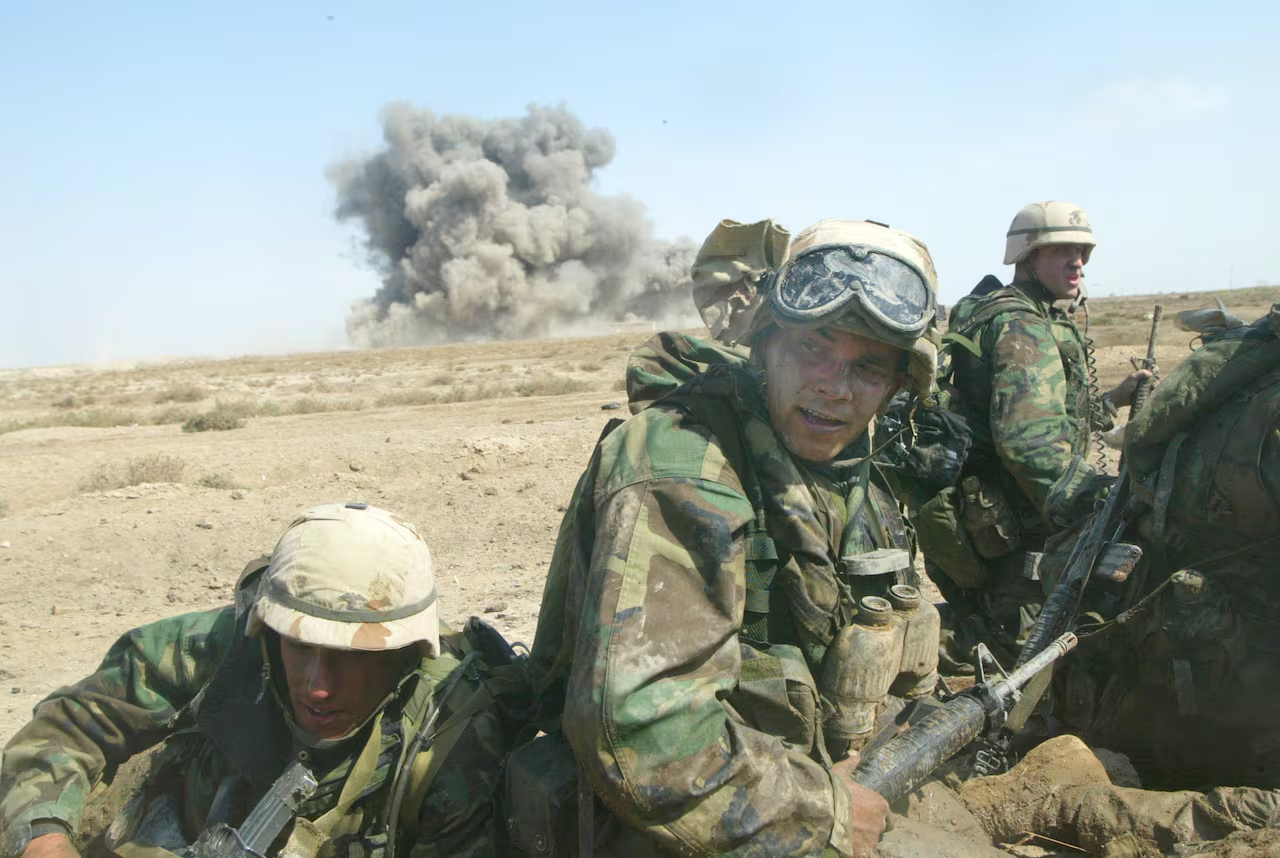
几天之后,斯沃德所在的第2营第8海军陆战队渡过了边境进入该国。他们的任务是在高度防御的敌方领土上夺取桥梁,以便部队最终能够前往巴格达。
In March 2003, as part of the global war on terror, U.S. President Bush announced forces would be invading Iraq if then-president Saddam Hussein did not leave. Days later, Sward's unit, the 2nd Battalion, 8th Marines, crossed into the country.
2003年3月23日是斯沃德难以忘怀的一天。那是被称为纳西里耶之战的致命战斗的开始。
Their mission was to secure bridges in a highly defended enemy territory so troops could ultimately make their way to Baghdad. March 23, 2003, is a day that haunts Sward.
他有十八名战友在此战中牺牲,其中包括他在基础训练中结识的一位朋友。
It was the beginning of a deadly fight known as the Battle of Nasiriyah.
这很艰难。显然有很多喊叫声,我们也能听到正在发生的事情,"斯沃德说。"而令人沮丧的部分在于 — — 你知道有其他事情正在发生,离你不远,但你却无能为力。"在那里期间,他的部队被任命在城市内部巡逻,寻找领导人和大规模杀伤性武器的证据。
Eighteen of his fellow marines died, including a friend he met in basic training. "It was tough. There was a lot of screaming, obviously, and we could hear it happening," said Sward. "And that was the frustrating part — knowing that something else was going on, not too far away from you, but can't do anything about it."
布什以未经证实的美国情报为依据,为伊拉克战争辩护,称伊拉克领导人正在藏匿一旦部署就会对人口造成巨大破坏的毁灭性武器。然而,在随后的多年里,从未发现这些武器存在的证据。
While there, his unit was tasked with patrolling inside the city and looking for leadership and evidence of weapons of mass destruction. Bush rationalized the invasion of Iraq on unverified U.S. intelligence that the country's leadership was harbouring destructive devices that would cause massive damage to populations if deployed.
在八月的采访中,阿森诺特问斯沃德,事后回想起这些事情是什么感觉。"这令人沮丧。为曾经服役我仍然感到自豪,但也许背后有些政治因素在起作用,"斯沃德说。
In the years since, no evidence was ever found that those weapons existed. During the interview in August, Arsenault asked Sward what it was like knowing this in hindsight. "It's frustrating.
根据布朗大学战争成本项目的研究,自9/11以来的战争中,超过7000名士兵死亡,而自那以后,死于自杀的美国军人人数是这个数字的四倍。
Still proud to have served, but maybe there were some political aspects that were at play in the background," said Sward.
此后,人们以批判的眼光审视这些战争,以判断它们是否实现了最初的目标。
More than 7,000 troops died in post-9/11 wars, according to research from Brown University's Costs of War project, and four times as many U.S. military personnel have died by suicide in the years since.
同一项皮尤研究调查发现,64%的退伍军人认为伊拉克战争不值得进行,同样,58%的退伍军人也持同样观点,认为阿富汗战争也不值得。
Since then, those wars have been looked at with a critical eye as to whether they accomplished what they set out to do.
9/11后的退伍军人在应对创伤后应激障碍方面取得了进展。斯沃德在伊拉克服役的时间被迫缩短。他因脊椎问题导致慢性腰痛,同年返回了北卡罗来纳州勒琼营的基地,最终被海军陆战队退役。
That same Pew Research survey found that 64 per cent of veterans say the war in Iraq was not worthwhile, and similarly, 58 per cent said the same about Afghanistan. Post-9/11 vets made progress addressing PTSD Sward's time serving in Iraq was cut short. He suffered chronic back pain due to a spinal issue, and he returned to the base in Camp Lejeune, N.C., that same year, and was eventually processed out of the marine corps.
但直到14年后,斯沃德才得到他一直在与之斗争的更深层次疼痛的诊断结果:创伤后应激障碍(PTSD)。"我的表现往往是愤怒。我要么悲伤,要么愤怒,中间没有过渡状态。我花了很长时间接受治疗,也从妻子那里学到了很多,"斯沃德说。他的妻子丽贝卡是一名持牌心理治疗师。
But it would take 14 years for Sward to get a diagnosis for the deeper pain he was struggling with: PTSD. "Mine tends to show up as anger. I was either sad or I was pissed off and there wasn't any in-between. It took me a lot of therapy and I learned a lot from my wife," said Sward. His wife, Rebecca, is a licensed psychotherapist.
我要么寻求帮助,要么就会失去我的妻子和我可爱的孩子们。我肯定做出了正确的选择。" "随着他年龄的增长,我认为他变得更愿意面对创伤并尝试治愈,"丽贝卡说,她是在他在家乡相遇后认识的。他们已经结婚21年,育有四个孩子。
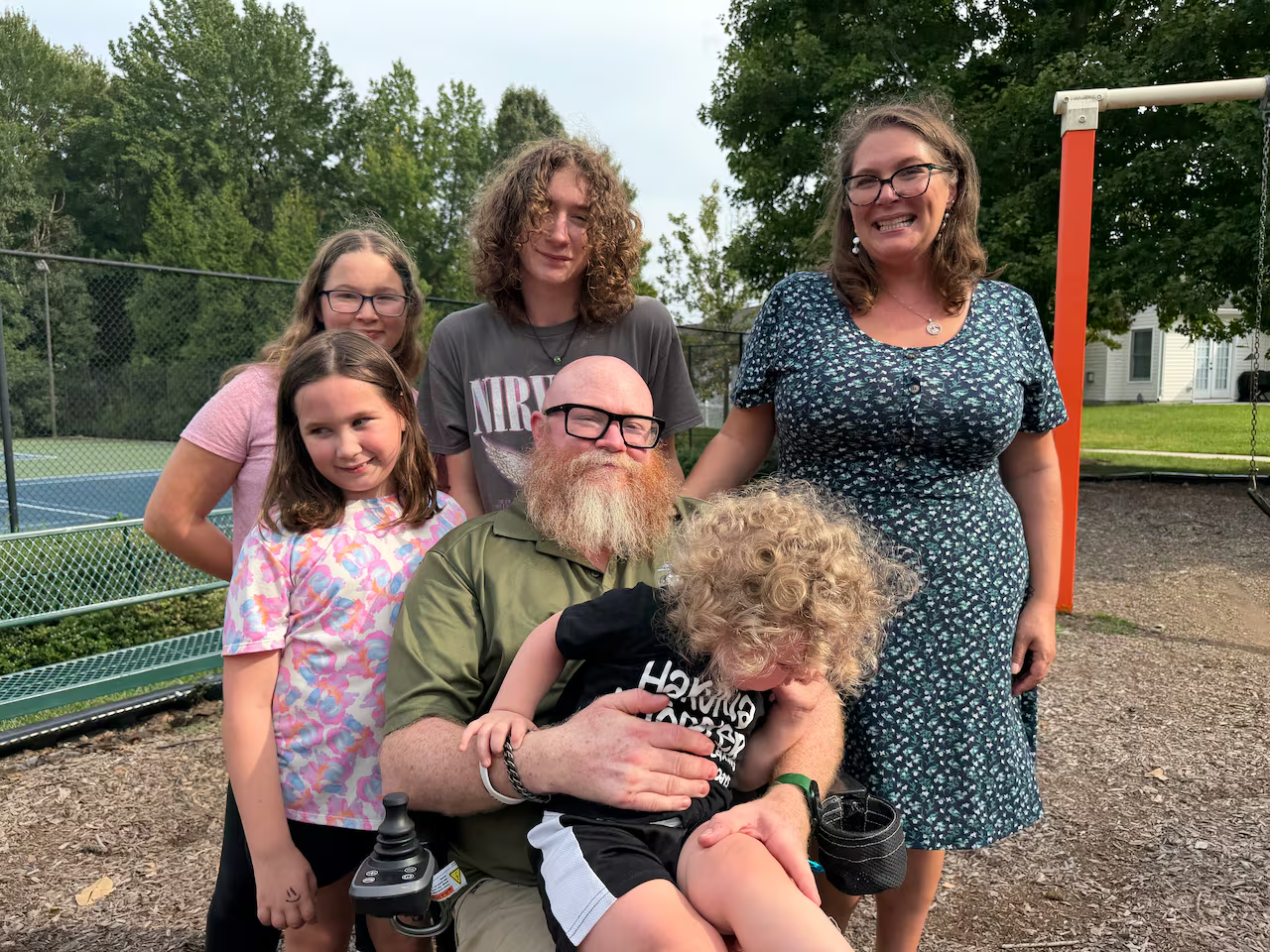
"I was either going to get help or I was going to lose my wife and my wonderful kids. I definitely made the right choice." "As he's gotten older, I think he's been more open to unpacking trauma and trying to heal," said Rebecca, whom he met after he returned home. They’ve been married 21 years and have four children.
根据美国退伍军人事务部的数据,曾在伊拉克或阿富汗服役的退伍军人中,有29%在其一生中的某个阶段会经历创伤后应激障碍(PTSD),而越南战争退伍军人这一比例为10%,参加二战和朝鲜战争的退伍军人则为3%。"回到那时,我认为实际病例的发生率并不一定更低,但我认为很多人没有勇气站出来。他们无法说自己仍在与噩梦或闪回作斗争,或是其他战争的提醒,"蒂莫西·霍伊特说,他是弗吉尼亚州福尔斯教堂市美国国防卫生局的首席心理健康官。"
According to the U.S. Department of Veteran Affairs, 29 per cent of veterans who served in Iraq or Afghanistan will have had PTSD at some point in life, compared to 10 per cent who served in Vietnam and three per cent who served in the Second World War and the Korean War. "Back in those times, I don't think the rates were really lower if we look at actual cases, but I think a lot of people could not come forward. They couldn't say that they were still struggling with nightmares or with flashbacks or other reminders of the war," said Timothy Hoyt, chief mental health officer with the U.S. Defence Health Agency in Falls Church, Va.
在过去的20年里,我们在应对这些污名问题方面取得了很大进展。"尽管他经历了创伤,斯沃德表示,他仍然为自己曾在海军陆战队服役的时光感到自豪,只是他不会鼓励自己的孩子参军。"我没有任何遗憾。我的所有选择都把我带到了此刻——我拥有一位美丽的妻子和四个孩子。"
"We've seen a lot of progress in addressing those stigma concerns in the last 20 years." Despite the trauma he faced, Sward says he still takes great pride in the time he served in the marines, he just won't encourage his children to sign up. "I have no regrets. All my choices have led me here to this moment where I have my beautiful wife and four kids."