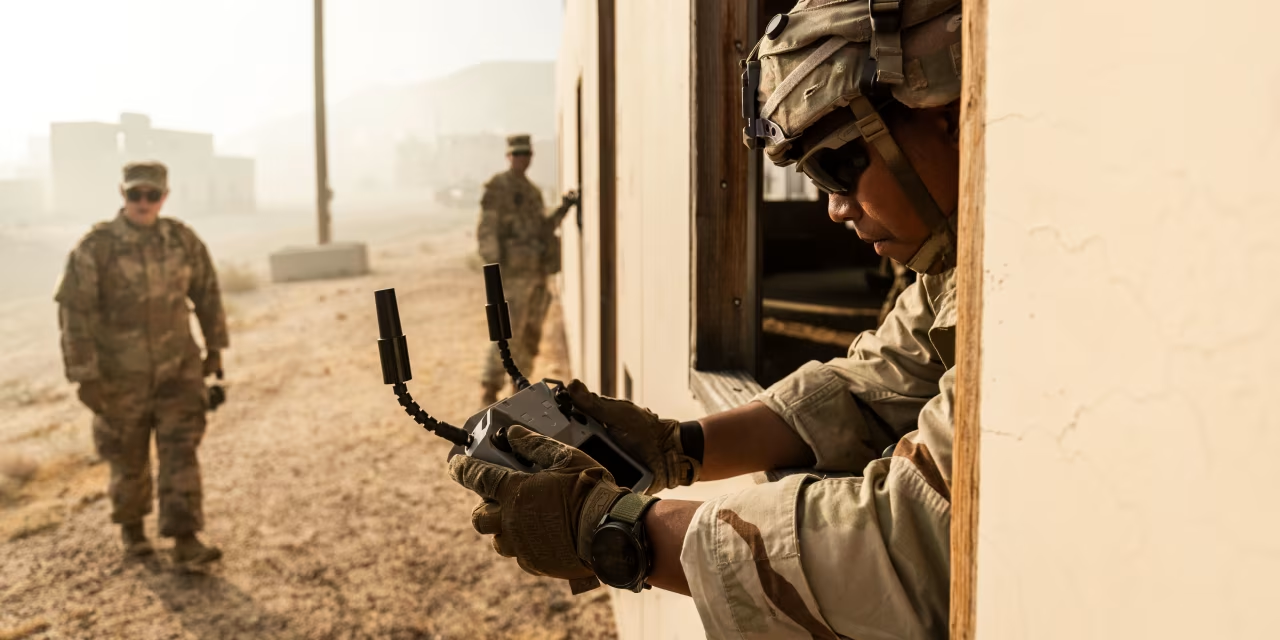
在炽热的沙漠阳光下,美军努力展示其已转变为现代化、人工智能驱动的作战力量。
Under a blistering desert sun, the U.S. Army strained to show it had become a modern, AI-powered fighting force.
一些人将问题归咎于高温。那是莫哈韦沙漠的七月,气温逼近110华氏度。服务器过热。电池耗尽且无法充电。士兵们用冰水浸湿T恤,将其搭在出现故障的天线上。
Some blamed the heat. It was July in the Mojave Desert, and the thermometer climbed toward 110 degrees. Servers overheated. Batteries died and couldn’t be recharged. Soldiers drenched T-shirts in ice water and draped them over antennas that were on the fritz.
安德里尔公司(Anduril Industries)为Sgt. Ramontez Bennett提供的无人机原本应在上空盘旋。然而, relentless 的阳光眩光迫使其迫降。“他们得想办法解决过热问题,”他说。美国许多冲突都曾在这类酷热天气中进行。
Sgt. Ramontez Bennett’s drone from Anduril Industries was supposed to loiter overhead. Instead, the relentless glare forced it to land. “They gotta do something about it overheating,” he said. Plenty of America’s conflicts have played out in temperatures rivaling this particular July day.
问题不仅源于阳光。“一阵狂风就可能让它贴在山坡上,”他说。在崎岖的山峰背后,无人机失去信号。
It wasn’t just the sun causing problems. “All it takes is one gust of wind and it’s on the side of a mountain,” he said. Behind the rugged peaks, drones lost their signal.