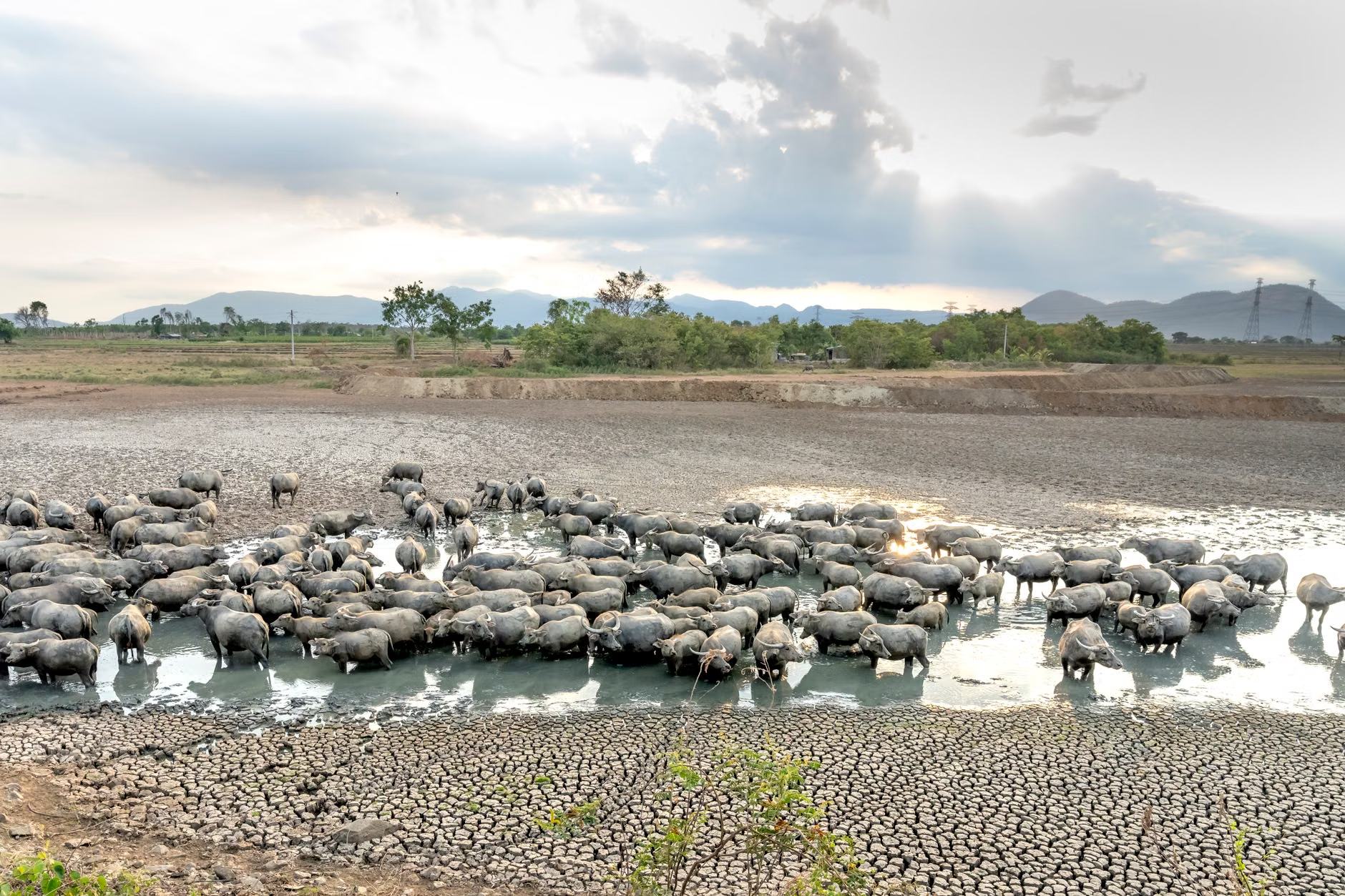
欧盟哥白尼气候变化服务局报告称,欧洲十二条最大河流的夏季流量创下三十年来新低。
The EU's Copernicus Climate Change Service says the flow of twelve of Europe's largest rivers was the lowest in 30 years this summer. The decline threatens hydropower output, nuclear plant cooling and river-borne trade across the continent.
该监测服务追踪欧盟各地水道,表示这一下降反映了长期干旱和高于平均气温的更广泛模式,正影响该地区水系统。河流流量萎缩对欧洲能源和运输网络造成直接影响。
The European Union's Copernicus Climate Change Service reported that twelve of the continent's largest rivers recorded their lowest summer flow in three decades. The monitoring service, which tracks waterways across the EU, said the decline reflects a broader pattern of prolonged drought and above-average heat affecting the region's water systems. Shrinking river flows carry direct consequences for Europe's energy and transport networks.
水位下降减少水电发电量,限制核电站可用的冷却水,而驳船运营商在关键航运航线上面临载货量减少和运费上涨。分析师已在近年指出莱茵河和多瑙河易受季节性枯水期影响。
Lower water levels reduce hydropower generation and limit the cooling water available to nuclear power plants, while barge operators face lighter cargo loads and higher freight costs on key shipping routes. Analysts have already flagged the Rhine and Danube as rivers vulnerable to seasonal low water in recent years.
随着冷却季临近,能源公司和航运商密切关注河流水位,部分公用事业公司警告若趋势持续将增加成本。
Energy companies and shippers are watching river levels closely as the cooling season approaches, and some utilities have warned of added costs if the trend continues.
若低流量持续到明年,欧盟决策者可能面临要求成员国间加强水资源管理协调的呼声,贸易团体敦促制定应急计划以应对持续中断。
EU policymakers may face calls for new water-management coordination between member states if the low flows persist into next year, with trade groups urging contingency planning for continued disruption.