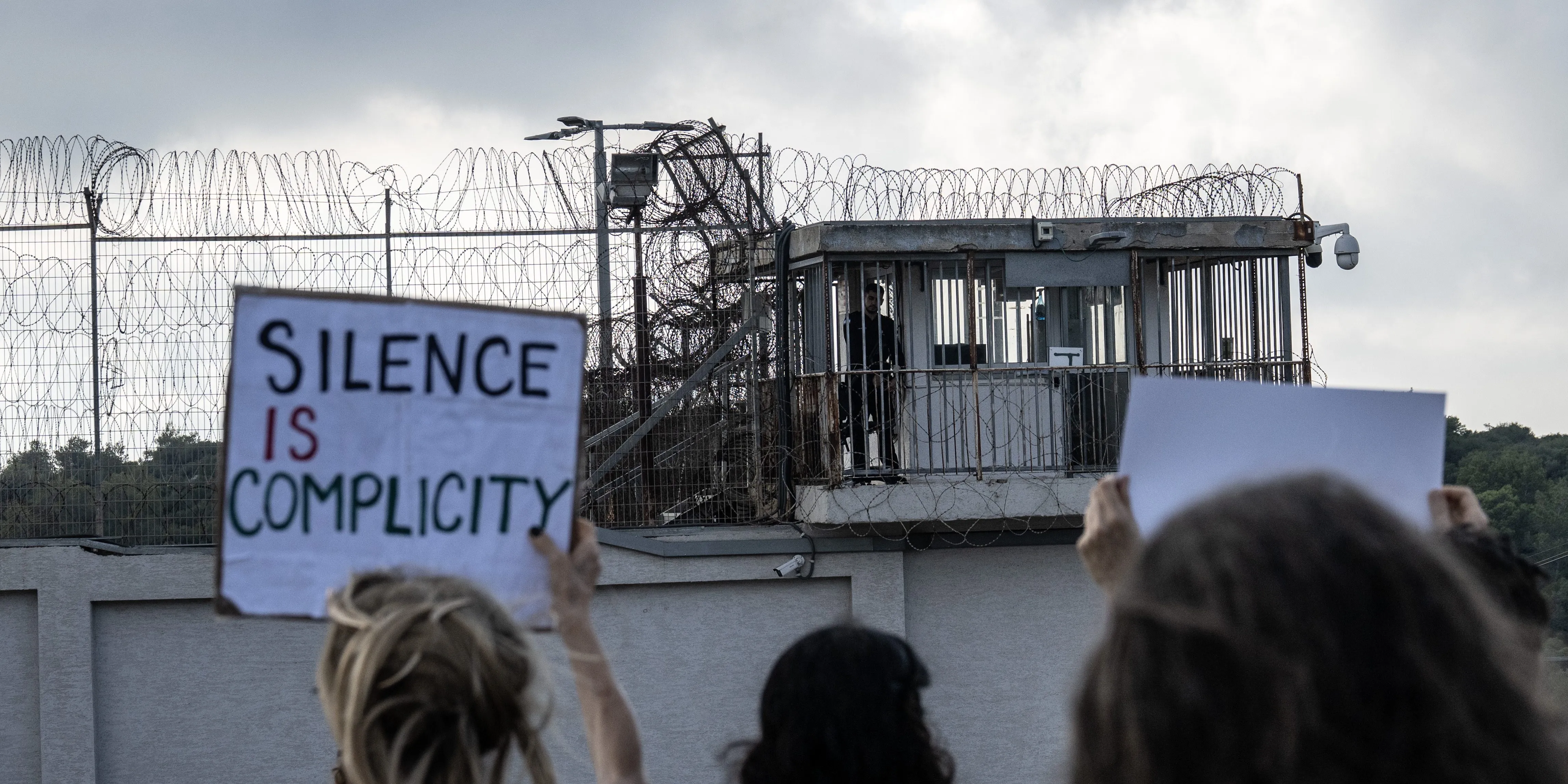
达纳·朱德在发现自己怀孕时正被戴着脚镣。这位来自约旦河西岸城市纳布卢斯的35岁女子刚刚结婚,刚刚在以色列监狱度过了她的第一晚。以色列军方在未提出任何指控的情况下逮捕了她,并将其置于行政拘留状态——这是一种任意拘留巴勒斯坦人的做法。她在以色列士兵面前失去了意识,地点是沙伦监狱,一个位于内坦亚市的临时拘留设施,随后士兵们蒙住她的眼睛将她送往医院。在那里,她的双手和双脚被铁链束缚着,接受了妊娠测试,结果呈阳性。
Dana Joudeh was in shackles when she found out she was pregnant. The 35-year-old from the West Bank city of Nablus was newly married and had just spent her first night in an Israeli prison. Israeli forces had arrested her without charges and put her under administrative detention, an arbitrary condition for holding Palestinians hostage. She lost consciousness in front of Israeli soldiers at Sharon Prison, a temporary detention facility in the city of Netanya, and they took her to a hospital blindfolded. There, with her hands and feet bound in chains, she was given a pregnancy test that came back positive.
朱德永远无法在监狱之外经历怀孕的喜悦与艰辛。从她发现自己怀孕的那一刻起,直到她分娩,她一直被以色列当局拘禁。
Joudeh would never get to experience the joys and travails of pregnancy outside of prison. She was in Israeli custody from the moment she found out, until she gave birth.
就像朱德一样,自2023年10月7日起被以色列安全部队逮捕的巴勒斯坦孕妇们,被迫在食物供应不足、家庭探视受限、药品匮乏以及频繁暴力报告的条件下,经历着身体和医学上都极为复杂的过程。
Like Joudeh, pregnant Palestinian women arrested by Israeli security forces since October 7, 2023, are forced to endure a physically and medically complex process in conditions characterized by inadequate access to food, family visits, and medicine, as well as frequent reports of violence.
自10月7日以来被拘留的数百名妇女中,怀孕人数的确切数字未知,但根据巴勒斯坦囚犯权利倡导者的说法,朱德仅是近17年来第二个有文献记载的在以色列拘留期间分娩的女性。倡导者表示,许多案例可能未被报告。
The total number of pregnancies in custody among the hundreds of women seized since October 7 is unknown, but Joudeh is only the second documented example of a woman who gave birth while under Israeli detention in nearly 17 years, according to Palestinian prisoners’ rights advocates. Many cases, advocates say, may have gone unreported.
《拦截者》通过朱德的姐姐玛拉姆采访了朱德,玛拉姆一直陪伴在朱德身边,并详细讲述了她姐姐六个月的怀孕经历,该怀孕最终以早产剖宫产结束。
The Intercept spoke to Joudeh through her sister, Maram, who sat with Joudeh by her side while sharing a detailed account of her sister’s six-month pregnancy, which ended in a premature cesarean section.
由巴勒斯坦囚犯协会和被拘留者及前被拘留者事务委员会等机构发表的声明和报告所证实,朱迪的故事让人得以一窥在以色列监狱系统中经历怀孕是什么样的——她在那里努力争取基本的产前护理,并依赖其他囚犯分享他们已经十分有限的食物。“她在那里经历了各种各样的苦难,”马拉姆说。
Corroborated by statements and reports published by the Palestinian Prisoners’ Society and the Commission of Detainees and Ex-Detainees Affairs, among others, Joudeh’s story offers a glimpse into what it’s like to go through pregnancy while locked in Israel’s prison system, where she struggled to obtain basic prenatal care and relied on other prisoners to share their already limited food. “She went through every kind of suffering in there,” Maram said.
根据朱迪的家人及其律师哈桑·阿巴迪的说法,以色列军队在监狱内使用了音爆弹。阿巴迪为被拘留的巴勒斯坦人提供志愿法律援助。他们表示,士兵会迫使女性囚犯面朝下躺在地板上。
Israeli forces used sound grenades inside the prison, according to Joudeh’s family and her lawyer, Hassan Abbadi, who provides volunteer legal support for detained Palestinians. They said soldiers would force the women to lie face down on the floor.
“女囚犯遭受各种形式的暴力,并被剥夺最基本的权利,”阿巴迪说,他经常探访被关押在以色列监狱中的巴勒斯坦女性。他描述了内衣短缺、警犬袭击和脱衣搜查等其他形式的虐待。
“Female prisoners are subjected to all forms of violence and are deprived of the most basic rights,” said Abbadi, who regularly visits Palestinian women in Israeli prisons. He described shortages of underwear, attacks by police dogs, and strip searches, among other forms of mistreatment.
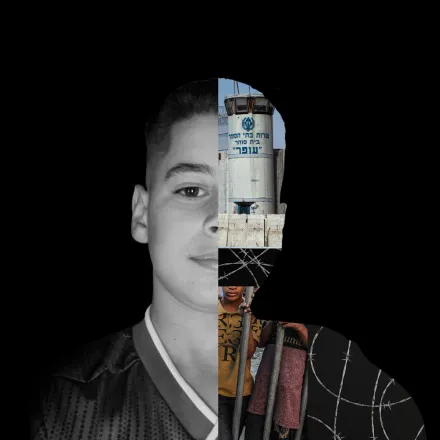
朱迪的怀孕发生在以色列在被占领的巴勒斯坦领土上逮捕和暴力行为激增的背景下。截至9月,以色列正关押大约9350名巴勒斯坦囚犯和被拘留者,其中包括90名女性和超过350名儿童,这一数据来自巴勒斯坦囚犯组织。其中超过3100人正被行政拘留,未被起诉或审判。
Joudeh’s pregnancy unfolded against a broader surge in Israeli arrests and violence across the occupied Palestinian territories. As of September, Israel was holding roughly 9,350 Palestinian prisoners and detainees, including 90 women and more than 350 children, according to Palestinian prisoners’ organizations. More than 3,100 of them are being held under administrative detention, without charge or trial.
对于朱迪而言,她在发现自己怀孕后不久就被转移到海法的达蒙监狱,几乎没有为她的怀孕做出任何安排。根据马拉姆和阿巴迪的说法,食物十分匮乏且质量差,通常只有一片吐司和扁豆、鹰嘴豆或鹰嘴豆泥。有时,囚犯会收到几颗橄榄,而与朱迪一同被关押的其他女性囚犯会拿出自己已经很少的食物的一部分给她。
For Joudeh, who was transferred to Damon Prison in Haifa soon after discovering she was pregnant, there was little effort to make accommodations for her pregnancy. According to Maram and Abbadi, the food was scarce and of poor quality, consisting usually of a slice of toast and lentils, chickpeas, or hummus. Sometimes, the prisoners received a few olives, and the other women incarcerated with Joudeh would offer a part of their own meager portions and give it to her.
在她与另外13名女性共用的小牢房里,她与另一名同时怀孕的被拘留者曼纳尔·卡拉贾讨论起了婴儿名字。根据巴勒斯坦囚犯协会媒体主管阿曼尼·萨拉赫内的说法,截至10月6日,卡拉贾仍然怀孕且仍被关押在以色列的拘留所中。
In a small cell she shared with 13 other women, she discussed baby names with Manar Karaja, another detainee who was pregnant at the same time. According to Amany Sarahneh, the media director of the Palestinian Prisoners’ Society, Karaja was still pregnant and still in Israeli detention as of October 6.
随着怀孕的推进,朱代赫对她的宝宝日益担忧。她反复要求进行医学检查,以确保她和胎儿的健康,马兰这样说,但她的请求被拒绝了。
As her pregnancy progressed, Joudeh grew increasingly worried about her baby. She repeatedly asked for medical tests to make sure that both she and the fetus were healthy, Maram said, but her requests were refused.
“我会通过胎儿的心跳来安抚自己,后来当我开始感觉到她动的时候,”马兰代表她的姐妹这样说,她的姐妹当时坐在她身边,在拉马拉的马兰家中。“我需要维生素和叶酸,但他们拒绝给我。”
“I would reassure myself by the baby’s heartbeat, and later, when I started feeling her move,” Maram relayed on behalf of her sister, who sat next to her at Maram’s home in Ramallah. “I needed vitamins and folic acid, but they refused to give them to me.”
针对《拦截者》的联系,以色列军方发言人将查询转交给了以色列监狱服务局。以色列监狱服务局发言人表示,该机构无法就个别被拘留者的案件发表评论,但形容对朱代赫经历的详细描述是“虚假的”。巴勒斯坦女性在以色列监狱中经历怀孕和分娩已有数十年,常常是在恶劣的条件下,且医疗护理有限。首个有文献记载的在以色列拘留下分娩的巴勒斯坦女性是扎基亚·沙穆特,她于1972年在拉姆拉的内韦·提尔扎监狱生下女儿纳迪亚,得到了 fellow prisoners(注:此处原文为 fellow prisoners,意指同狱囚犯)的协助。
In response to outreach from The Intercept, a spokesperson for the Israeli military directed queries to the Israel Prison Service. An Israel Prison Service spokesperson said the agency could not comment on individual detainees’ cases, but described a detailed list of Joudeh’s experiences as “false.”Palestinian women have faced pregnancy and childbirth inside Israeli prisons for decades, often under harsh conditions and with limited medical care. The first documented Palestinian woman to give birth in Israeli custody was Zakia Shammout, who delivered her daughter Nadia in 1972 at Neve Tirza prison in Ramla, assisted by fellow prisoners.
在以色列持续种族灭绝行动开始之前的最后一个有文献记载的案例是法蒂玛·扎克,她于2008年在监狱中生下儿子优素福;这名17岁少年于2025年7月在加沙市中心的阿尔-萨乌拉街其家人住所遭到以色列无人机袭击后被杀害。
The last documented case before the start of Israel’s ongoing genocide was Fatima al-Zaq, who gave birth to her son Youssef in prison in 2008; the 17-year-old was killed in July 2025 after an Israeli drone hit his family’s apartment on Al-Thawra Street, in central Gaza City.
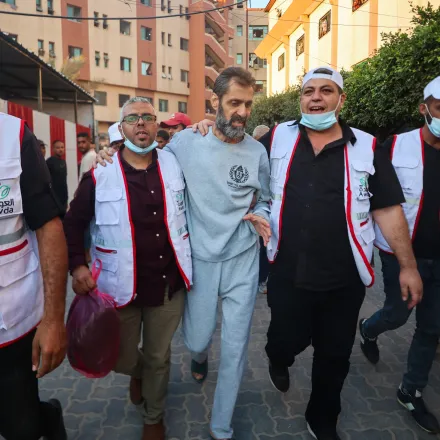
2025年9月,塔哈尼·阿布·萨姆汉在以色列拘留期间生下了儿子叶海亚。随后,一年后,朱代赫也经历了同样的事情。
In September 2025, Tahani Abu Samhan gave birth to her son Yahya while in Israeli custody. Then, a year later, there was Joudeh.
朱德在怀孕期间遭受严重头痛的折磨,但基本止痛药难以获得。监狱当局拒绝给她服用阿卡莫尔,这是一种常见的对乙酰氨基酚品牌,尽管美国卫生官员最近发布了相反的指导,但通常认为在怀孕期间使用是安全的。
Joudeh suffered from debilitating headaches while pregnant, but basic pain relief was difficult to obtain. Prison authorities refused to give her Acamol, a common brand of acetaminophen, which is generally considered safe for use during pregnancy despite recent guidance to the contrary from health officials in the U.S.
其他女性想方设法帮助她。一名囚犯有时会假装自己头痛,索要止痛药,然后悄悄把药片交给朱德。“她大部分时间都在哭泣,”玛拉姆说。
The other women found ways to help. One prisoner would sometimes pretend that she had a headache herself, ask for a painkiller, and secretly give the tablet to Joudeh. “She was crying most of the time,” Maram said.
到七月时,朱德感染了疥疮,这是一种由高度传染性螨虫引起的皮疹,会导致严重瘙痒和疼痛。囚犯们只获得了一份外用药,需要全牢房共享,但量根本不够所有被感染的人使用。玛拉姆说,她们只能将药物与氯气混合,以延长使用时间。
By July, Joudeh had contracted scabies, a rash caused by highly contagious mites that results in severe itching and pain. The women were given single container of a topical treatment to share among the entire cell, and it wasn’t enough for everyone who was infected. They resorted to mixing the treatment with chlorine to make it stretch further, Maram said.
怀孕数月后,朱德开始出现剧烈疼痛和出血。她被送往监狱诊所,在那里被告知她的状况稳定,无需送往医院。她得知自己怀的是一个女孩。
Months into the pregnancy, Joudeh began suffering severe pain and bleeding. She was taken to the prison clinic, where she was told that her condition was stable and that there was no need to send her to a hospital. She learned she was carrying a girl.
此时她怀孕六个月,玛拉姆说,这是朱德自从验孕呈阳性以来的第一次医学检查。世界卫生组织的指南建议,孕妇到此时应至少接受三次产前检查,尽管许多医生建议更频繁的就诊,以监测胎儿发育并及时发现潜在并发症。但朱德一次产前检查都没有做过。
By then six months pregnant, Joudeh was having her first medical examination since her positive test, Maram said. World Health Organization guidelines recommend that a pregnant person would have had at least three prenatal appointments by that point, though many doctors recommend more frequent visits to monitor the development of the fetus and identify potential complications. Joudeh had received none.
针对《拦截者》的详细提问,以色列监狱服务局发言人在一份声明中写道:“所述指控纯属虚假,完全缺乏事实依据,是针对以色列国及其合法机构进行诽谤的更广泛运动的一部分。”发言人补充道:“以色列监狱服务局所关押的所有囚犯和被拘留者均依法关押,并享有其应得的权利和照顾,包括符合以色列标准的医疗护理。”他们写道,监狱机构不会提供任何特定被拘留者的具体医疗信息。
In response to detailed questions from The Intercept, an Israeli Prison Service spokesperson wrote in a statement, “The allegations described are false, entirely without factual basis, and form part of a broader campaign to defame the State of Israel and its lawful institutions.”“All prisoners and detainees held by the Israel Prison Service are held in accordance with the law and receive the rights and care to which they are entitled,” the spokesperson added, including medical care in accordance with Israeli standards. They wrote that the prison agency would not provide medical information specific to any particular detainee.
以色列官员表现出倾向于采用法律最狭义解释的意愿。上周在一次采访中,国家安全部长伊塔马尔·本-格维尔表示,囚犯“将不会获得超过法律规定最低限额的一粒谷物”。他回忆说,自己曾前往凯茨奥特监狱进行监督访问,因为他声称自己听说囚犯们的盘子里多放了两颗橄榄。
Israeli officials have shown an interest in following the most limited interpretation of the law. In an interview last week, national security minister Itamar Ben-Gvir said prisoners “will not receive a single grain more than the legal minimum.”He recalled making a monitoring visit to Ketziot prison because, he claimed, he’d heard prisoners had received two extra olives on their plates.
监狱之外,巴勒斯坦人在被占领的西岸地区获得产前及其他医疗服务的途径变得更加遥远。截至2025年底,联合国已记录该地区有925个以色列检查站、路障及其他限制通行的设施,限制了340万巴勒斯坦人的流动,使他们更难以获得医疗服务。而在加沙地带,尽管去年十月宣布了停火,以色列仍在持续轰炸,导致卫生系统被摧毁,基本生活必需品严重短缺,医疗设施无法正常运作,使得孕妇面临特别危险的处境。
Outside the prisons, access to prenatal and other medical care has been pulled further out of reach for Palestinians in the occupied West Bank. By the end of 2025, the United Nations had documented 925 Israeli checkpoints, road gates, and other movement obstacles across the territory, restricting the movement of 3.4 million Palestinians and making it harder to reach health services. And in Gaza, where Israel keeps bombing despite the ceasefire announced last October, the health system has been destroyed, with severe shortages of basic necessities and a lack of functioning medical facilities making pregnancy particularly dangerous.
据联合国人口基金(UNFPA)统计,加沙地带约有5万名孕妇。三分之一的妊娠被视为高风险。2026年上半年,近4000例妊娠丧失被报告,这一数字是前六个月报告数量的三倍。在监狱内,朱德的出血无法止住。
Around 50,000 women are pregnant in Gaza, according to UNFPA. One in 3 pregnancies are considered high-risk. Nearly 4,000 pregnancy losses were reported in the first half of 2026, three times the number recorded in the previous six months. In the prison, Joudeh’s bleeding would not stop.
它持续了两周,马拉姆说,朱迪的血红蛋白水平最终降至每分升9克,世界卫生组织将其归类为孕妇贫血。随着她的病情恶化,她被送往拉姆巴姆医院,再次被蒙住眼睛,手脚被铐住。在那里,医生决定需要提前分娩婴儿。
It continued for two weeks, Maram said, and Joudeh’s hemoglobin level eventually fell to 9 grams per deciliter, which the WHO classifies as anemic during pregnancy. As her condition deteriorated, she was taken to Rambam Hospital, again blindfolded and with her hands and feet shackled. There, doctors decided that the baby needed to be delivered prematurely.
9月12日,朱迪在局部麻醉下通过剖腹产分娩,她目睹了整个手术过程。马拉姆说,朱迪在被剖腹时双手双脚仍被铐住,女以色列士兵在手术室内持枪环绕她,站岗放哨。
On September 12, Joudeh gave birth by C-section under local anesthesia, watching the operation as it was happening. Maram said that Joudeh’s hands and feet were shackled while she was cut open, and female Israeli soldiers surrounded her with guns in the operating room, standing guard.
马拉姆说,朱迪在产后前72小时内只短暂地见到了她的女儿,因为婴儿在大约六个月时早产,需要在新生儿重症监护室接受护理。
She saw her daughter only briefly in the first 72 hours after giving birth, Maram said, because the baby, born prematurely at around six months, needed to be cared for in a neonatal intensive care unit.
朱迪的医生是以色列人,她回忆起他用残忍、贬低的语言对她说话,据马拉姆所述。“恐怖分子来了,”她记得他说这句话时指的是这个脆弱的新生儿。朱迪给女儿起名为莉亚。
Joudeh’s doctor was Israeli, and she recalled him speaking to her in cruel, degrading terms, according to Maram. “The terrorist has arrived,” she remembered him saying about the fragile newborn. Joudeh named her Lia.
马拉姆说,照顾朱迪的一些护士是1948年被占领土的巴勒斯坦公民。他们寻找小方式来帮助她,比如在朱迪仍被铐在病床上的情况下,秘密将婴儿带到她床边。他们给莉亚穿上了粉色连体衣。他们还要求看守朱迪的以色列士兵解开她的手铐,以便她能走动,但士兵们拒绝了,马拉姆说。拉姆巴姆医院官员未回应《拦截者》的置评请求。
Some of the nurses caring for Joudeh were Palestinian citizens of the 1948 occupied territories, Maram said. They looked for small ways to help her, like secretly bringing the baby to Joudeh’s bedside while she remained handcuffed to the hospital bed. They dressed Lia in a pink onesie. And they asked the Israeli soldiers guarding Joudeh to remove her handcuffs so she could walk around, but the soldiers refused, Maram said. Officials at Rambam Hospital did not respond to The Intercept’s request for comment.
据Maram透露,Joudeh和Lia原定于9月15日获释,但就在9月14日——也就是Lia出生仅两天后——以色列当局将Joudeh和她的新生女儿从医院带回监狱,以办理Joudeh的释放手续。Maram说,一辆救护车在外面等候,车上有Joudeh的丈夫,一旦Joudeh和Lia获释,婴儿便被救护车送往拉马拉的Hclinic专科医院。在他们离开之前,Lia粉色的连体衣被换成了灰色的衣服。
Joudeh and Lia were supposed to be released on September 15, according to Maram, but on September 14, just two days after the birth, Israeli authorities took Joudeh and her newborn daughter from the hospital back to the prison to process Joudeh’s release. An ambulance was waiting outside with Joudeh’s husband, Maram said, and as soon as Joudeh and Lia were released, the baby was taken by ambulance to Hclinic Specialty hospital in Ramallah. Before they left, Lia’s pink onesie was replaced with a gray outfit.
Maram认为,她姐姐被提前一天释放,是为了阻止家人准备欢迎她们回家的庆祝活动。
Maram believes her sister was released a day early to prevent the family from preparing a celebration to welcome them home.
当Joudeh的姐妹们终于能够拥抱她时,她们震惊于她看起来如此虚弱。“她筋疲力尽。她瘦了很多,”Maram说。“她在身体和心理上都遭受了巨大的创伤。”她当时仍在患疥疮,但家人依然紧紧拥抱了她。“除了抱住她,我什么都不在乎,”Maram说。“我太想她了,而且一直为她担心。”如今,Joudeh正在Maram位于拉马拉的家中休养,她正从怀孕和监禁的经历中恢复。Lia仍然留在拉马拉伊斯蒂沙里阿拉伯医院的新生儿科。
When Joudeh’s sisters were finally able to hug her, they were shocked by how frail she seemed. “She was exhausted. She had lost so much weight,” Maram said. “She was physically and psychologically devastated.”She was still suffering from scabies, but her family embraced her anyway. “I didn’t care about anything except hugging her,” Maram said. “I had missed her so much, and I had been so worried about her.”Joudeh is now staying with Maram at her home in Ramallah, where she’s recovering from her pregnancy and incarceration. Lia remains in the neonatal unit at Istishari Arab Hospital in Ramallah.
有时候,Maram说,当Joudeh回�起在拘留所分娩的创伤时,她会情绪崩溃。但当母亲和婴儿都身体状况良好时,Joudeh希望举办一个小型庆祝活动,邀请亲朋好友一起迎接Lia的到来。她已经开始筹划想要端上的食物和甜点。尽管经历了这一切,Maram说,当家人谈起这次庆祝活动时,Joudeh会露出笑容。
Sometimes, Maram said, Joudeh breaks down when she remembers the trauma of giving birth in detention. But when the mother and baby are both well, Joudeh wants to hold a small celebration, bringing relatives and loved ones together to welcome Lia. She’s already begun thinking about the food and sweets she wants to serve. Despite all she’s been through, Maram said, when the family talks about the celebration, Joudeh smiles.