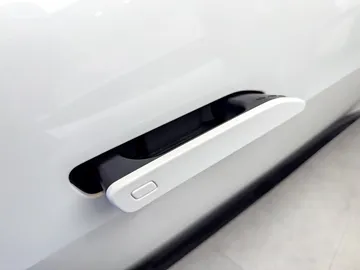
彭博新闻 中国提出禁止全隐藏式车门把手,并要求对某些安全关键功能使用物理控制,因为监管机构旨在加强对汽车设计和产品测试的监督,工业和信息化部及其他三个机构发布的征求意见稿显示。
China proposed banning fully hidden car-door handles and requiring physical controls for certain safety-critical functions as regulators seek to strengthen oversight of vehicle design and product testing, according to draft rules issued for public comment by the Ministry of Industry and Information Technology and three other agencies.
该规则还将禁止车辆中使用可折叠和柔性显示屏,并要求对一系列创新设计进行额外的安全评估。该提案称,一些制造商在未进行充分测试的情况下推出新产品,增加了车辆安全和环境风险。
The rules would also prohibit foldable and flexible display screens in vehicles and require additional safety assessments for a range of innovative designs. The proposal says some manufacturers have launched new products without sufficient testing, increasing vehicle safety and environmental risks.
根据该提案,申请创新设计车型批准的汽车制造商需自2024年1月1日起提交额外的技术参数和验证材料;对于已获批准的车型,制造商需在2024年7月1日前提供补充信息,逾期未提交且存在安全隐患的车辆将被要求停产并召回。
Under the proposal, automakers applying for approval of models with innovative designs would have to submit additional technical parameters and validation materials from Jan. 1. For previously approved models, they would have to provide supplementary information by July 1, with production halted and recalls initiated for vehicles that miss the deadline and present safety hazards.
具备安全关键功能虚拟控制的车辆(如灯光、雨刷和除雾系统)必须保留物理控制。紧急功能也应配备明确标识的物理控制。
Vehicles featuring virtual controls for safety-critical functions including lights, windshield wipers and defogging systems would be required to retain physical controls. Emergency functions would also require clearly marked physical controls.
该提案还包括至少30,000公里(18,640英里)的可靠性测试以及更严格的环境测试。汽车制造商还需调查涉及创新设计功能的安全事件,并在警方交通事故调查期间提供数据和技术支持。
It also proposes reliability testing at at least 30,000 kilometers (18,640 miles) as well as more stringent environmental testing. Automakers would also be required to investigate safety incidents involving innovative-design functions and provide data and technical assistance during police traffic-accident investigations.