1915年5月9日,在法国奥贝尔对一处德军阵地发动的失败进攻中,英军在一天之内就有超过11000人死伤。灾难的原因是炮弹短缺,尤其是最适合堑壕战的高爆弹药不足。由此引发的“1915年炮弹危机”导致英国政府的国防生产体系进行了重大重组。但即便如此,仍未能阻止一年后首相赫伯特·亨利·阿斯奎斯的倒台。
On May 9, 1915, more than 11,000 British troops were killed or wounded in a single day during an ill-fated assault on an entrenched German position in Aubers, France. The reason for the disaster: a shortage of artillery shells to support the assault, particularly the high-explosive shells best suited for trench warfare. The resulting “Shell Crisis of 1915,” led to a major reorganization of the British government’s defense production system. It still wasn’t enough to prevent the fall of Prime Minister H.H. Asquith a year later.
第一次世界大战的炮弹危机提醒我们,为持久战争做准备有多么困难。“几乎在每场战争中,都会出现这样一个时刻:即便和平时期的国防工业已经在加速扩产,也无法满足战争的需求,”马克·坎西安说道,他是一名退役海军上校,目前担任战略与国际研究中心(CSIS)的高级顾问。
The shell crisis of World War I reminds us just how hard it is to prepare for long wars. “In almost every war there comes a point when it's clear that the peacetime defense industry, even if it had been ramping up, is inadequate for the demands of war,” says Mark Cancian, a retired Marine Colonel who is now a senior adviser at the Center for Strategic and International Studies (CSIS).
一个多世纪过去了,世界和战争方式都发生了变化。但即便是在拥有战斗机、核武器、卫星通信、无人机和人工智能的世界里,弹药仍然至关重要。大英帝国的衰落被美国作为地球军事超级大国的崛起所取代,随后是冷战的开始与结束,以及中东地区无数的冲突。如今,美国自身也面临着弹药短缺的问题。即便有历史先例作为参照,当前美国的处境仍然令人震惊。
More than a century later, the world, and warfare, have changed. But even in a world of fighter jets, nuclear weapons, satellite communications, drones, and AI, ammunition still matters. The decline of the British Empire was followed by the rise of the United States as Earth’s military superpower, the Cold War's onset and end, and numerous conflicts throughout the Middle East. Now, America faces an arms shortage of its own. Even given the historical precedent, the current U.S. predicament is stunning.
美国在国防上的支出超过接下来七个国家的总和,其中包括中国和俄罗斯等竞争对手。然而,美军却担心在与伊朗——一个可以被宽松地描述为“中等强国”的国家——的潜在冲突中,关键弹药可能不足。
The United States spends more on defense than the next seven countries combined, including rivals China and Russia. And yet, the U.S. military finds itself concerned about running short of key munitions in a war with a country, Iran, that could generously be described as a “middle” power.
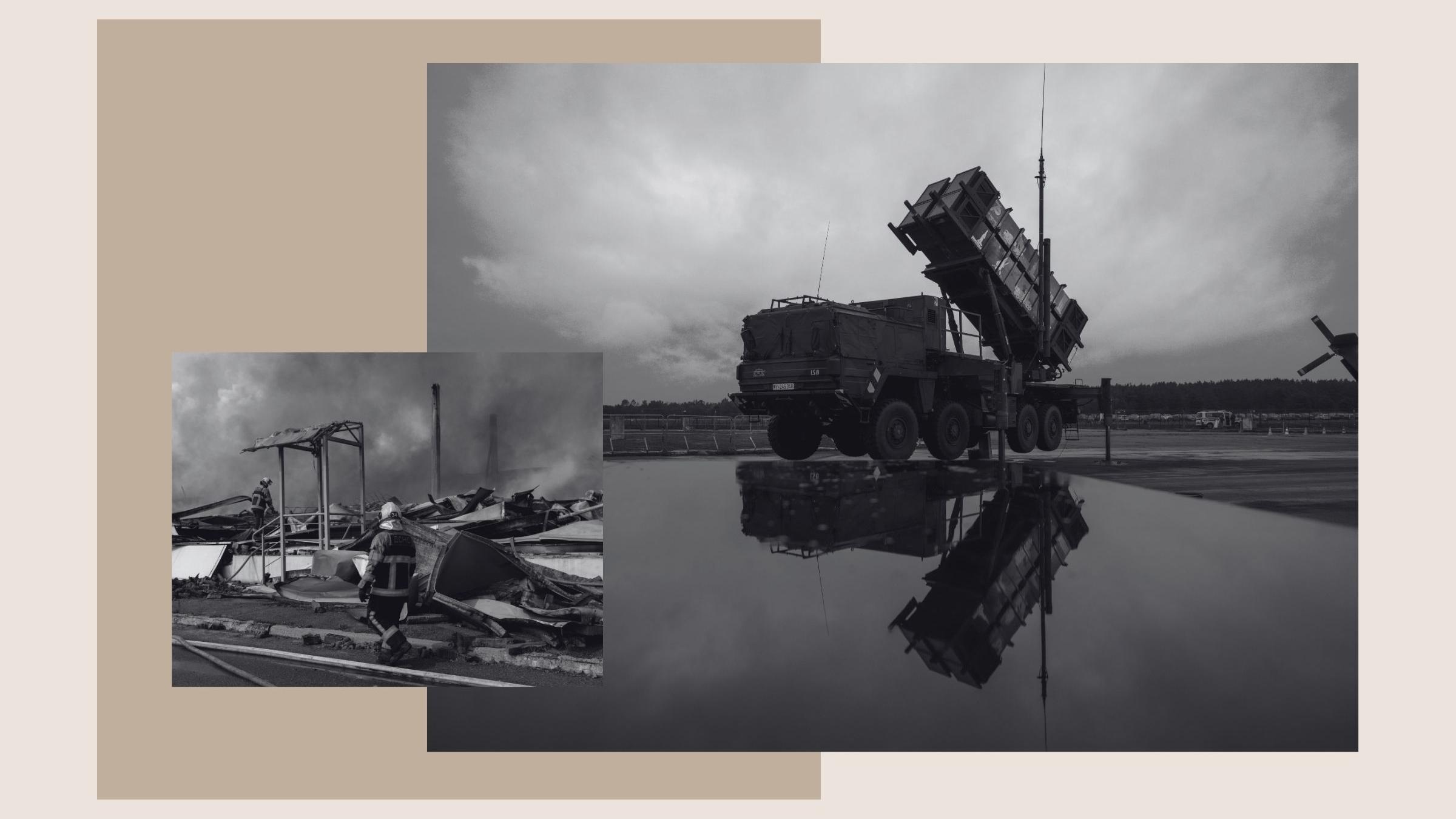
八月,路透社报道称,美国在与伊朗的五个月交战中几乎耗尽了所有远程精确制导武器。美国还据称在中东使用了超过三分之二的爱国者拦截弹药库存,而全球爱国者短缺反过来又使乌克兰城市面临俄罗斯袭击的严重威胁。
In August, Reuters reported that the United States had used up “virtually all” of its long-range precision weapons during five months of fighting with Iran. The U.S. also reportedly used more than two-thirds of its supplies of Patriot interceptors in the Middle East, and the global Patriot shortage has in turn left Ukrainian cities dangerously vulnerable to Russian strikes.
唐纳德·特朗普总统愤怒坚称,美国拥有“几乎无限量的中高级弹药”。然而,五角大楼自身的统计数据讲述了一个不同的故事。九月,监察长的一份报告承认,战争暴露了“战略库存不足”。据称,来自其高级军事指挥官关于美国库存状况的警告是特朗普克制不重返对伊朗全面作战的主要原因之一。
President Donald Trump has angrily insisted that the U.S. has “virtually unlimited amounts of Mid to High Grade Ammunition.”However, the Pentagon’s own accounting tells a different story. An inspector general’s report in September admitted that the war had revealed “strategic inventory shortfalls.”Warnings from his senior military commanders about the state of U.S. stockpiles were reportedly one major reason why Trump has refrained from a return to full-scale combat against Iran.
如果仅仅几个月的伊朗冲突就如此耗损美国的军备库存,那么对潜在的对华战争持乐观态度就显得困难重重。战略与国际研究中心(CSIS)的一份报告警告称,在围绕台湾的战争中,美国可能仅用一周时间就会耗尽某些类型的远程导弹。
If that’s what a few months of combat with Iran does to U.S. stockpiles, it’s hard to be optimistic about a potential war with China. A CSIS report warns that the U.S. would likely run out of some types of long-range missiles after just a week of combat in a war over Taiwan.
这一切引发一个问题:作为世界历史上最昂贵的军队,美国为何竟然没有足够的弹药来打一场战争?
All of this begs the question: How is it possible that the most expensive military in the history of the world doesn’t have enough ammunition to fight a war?
当前弹药困境的根源常被追溯到1993年的一个特殊夜晚——当时国防部副部长威廉·佩里邀请国防工业高管参加五角大楼的一场秘密晚宴,该晚宴后来被称为“最后的晚餐”。佩里警告这些高管,冷战时期的国防预算已无法持续,并预测其中许多人可能将面临倒闭。
The origin of the current munitions miseries is often traced back to a particular night in 1993, when Deputy Secretary of Defense William Perry invited defense industry executives to a secret dinner at the Pentagon, which came to be known as the “Last Supper.”Perry warned the executives that Cold War-era defense budgets were no longer sustainable and predicted that many of them would likely go out of business.
佩里的预测被证明是正确的。在1988年至1997年间,国防预算下降了约30%,大约十几家主要的美国国防承包商整合为四家。这些预算削减的很大一部分来自新武器的资金,因为军方在削减冷战时期的库存。
Perry’s prediction proved correct. Between 1988 and 1997, defense budgets fell by around 30% and about a dozen major U.S. defense contractors consolidated into four. Much of those budget cuts were taken out of funding for new weapons as the military drew down on Cold War-era stocks.
但问题不仅仅是金钱。在9/11袭击事件后的十年里,美国国防支出翻了一倍多,尽管即使在与中国和俄罗斯紧张关系加剧的情况下,它仍然不到1980年代预算的一半。但即使预算逐渐攀升至一万亿美元,分配这笔钱也比你想象的更困难。运营成本、维护费用以及军事人员的开支——包括工资和退休福利——占据了美国国防预算的相当大一部分。当谈到剩余部分时,新的高预算平台——飞机、舰艇、飞机——往往被优先考虑,而弹药供应则被置于次要位置。
But the issue wasn’t just money. In the decade following the 9/11 attacks, U.S. defense spending more than doubled, though even amid growing tensions with China and Russia, it’s still less than half of 1980s budgets. But even with budgets creeping up toward a trillion dollars, dividing up the pie is harder than you’d think. Operations costs, maintenance, and spending on military personnel—including pay and retirement benefits—consume a significant portion of the U.S. defense budget. When it comes to what’s left, new high-budget platforms—aircraft, ships, planes—were often prioritized over munitions supplies.
“多年来,在内部国防预算审议中,为了寻找节省以达到总体目标,弹药常常是‘付账的人’,”威廉·拉普兰特说,他在拜登政府期间曾担任国防部副部长(负责采购和维持)。
“For many years, in internal defense budget deliberations, to find savings to meet the overall target, munitions were often the ‘bill payer,’” says William LaPlante, who served as Under Secretary of Defense for acquisition and sustainment in the Biden Administration.
这些决策之所以变得更容易,是因为在伊拉克和阿富汗与武装团体作战的战争并不需要与对抗国家军队相同数量的导弹、炮弹和防空拦截器。
The decisions were made easier by the fact that the wars being fought against insurgent groups in Iraq and Afghanistan didn’t require the same amount of missiles, shells, and air defense interceptors needed for a war against a nation-state military.
这一切在2022年俄罗斯全面入侵乌克兰时发生了改变,引发了一场战争,其炮兵使用规模在欧洲自奥布尔斯战役以来未见,同时对乌克兰城市的导弹袭击需要大量拦截器。突然间,弹药需求激增。在美国国防工业基础和制造能力多年下降之后,增加炮弹以及更先进的导弹和拦截器的产出一直是一个令人沮丧地缓慢的过程。
All that changed with Russia’s full-scale invasion of Ukraine in 2022, sparking a war featuring the kind of artillery use not seen in Europe since the days of the Battle of Aubers, as well as missile barrages on Ukrainian cities requiring a massive number of interceptors. All of a sudden, munitions were in high demand. After years of declines in America’s defense industrial base and manufacturing capabilities, increasing production of artillery shells as well as more advanced missiles and interceptors has been a frustratingly slow process.
经济原则中供给随需求上升的情况发生了什么?国防公司在需求可能在一年或两年后消失的情况下,对为新战争扩大产能持犹豫态度。事实上,一些国防公司可能更倾向于坚持高需求、低供给、高利润的商业模式。然而,对美国人而言,其影响是纳税人负担依然高昂,即使军队在努力跟上现代作战的资源需求。
What happened to the economic principle that supply rises to meet high demand? Defense companies have been reluctant to build out production capacity for new wars when the demand may disappear in a year or two. Indeed, it may even behoove some defense companies to stick to a high-demand, low-supply, high-margin business model. The impact for Americans, though, is that the cost to taxpayers stays high, even as the military struggles to keep up with the resource demands of modern combat.
特朗普方面则将当前伊朗战争中的短缺归咎于拜登决定向乌克兰提供武器的决定。这是误导性的:送往乌克兰陆战的绝大多数武器系统在伊朗战争中几乎毫无用处。一个显著的例外是先进的空中拦截系统,如爱国者导弹,这类系统在两场冲突中都十分紧俏。
Trump, for his part, has blamed Biden’s decision to supply Ukraine for the current shortages in the war with Iran. This is misleading: the vast majority of the weapons systems sent to supply Ukraine’s land war are of little use in the war in Iran. A notable exception is advanced air interceptors like Patriots, which are at a premium in both conflicts.
两场冲突都表明,使用价值数百万美元的拦截器来击落廉价的巡航导弹和无人机——正如众议员泰德·利尤所形容的“扔法拉利去打飞盘”——对防守方来说成本极其昂贵。
Both conflicts have made clear that the economics of using multimillion-dollar interceptors to knock down cheap cruise missiles and drones—akin to “throwing Ferraris at frisbees,” as Rep. Ted Lieu memorably put it—are brutally expensive for the defending side.
如今,国防规划者以及在这后“最后晚餐”时代崛起的硅谷关联的国防初创公司们的热门词汇是“可 attrition 的”(即廉价且可替换)和“模块化”的系统,意味着它们可以轻松适应未来战争。例如,针对台湾的防御计划包括建造大量廉价且可能由人工智能控制的无人机群,以制造一个“地狱景观”来阻止中国入侵者。但考虑到战场技术和战术发展如此之快,即便这些计划也可能很快过时。
These days, the buzzwords for defense planners, as well as the crop of Silicon Valley-linked defense startups that have emerged in this post-Last Supper era, are systems that are “attritable,” meaning cheap and replaceable, and “modular,” meaning they can be easily adapted for future wars. Plans for the defense of Taiwan, for instance, involve building swarms of cheap and most likely AI-controlled drones to create a “hellscape” for Chinese invaders. But given how fast battlefield technology and tactics are advancing, even those plans may soon be obsolete.
“整个系统必须被颠覆,因为现代战争中的行动与反行动循环极其短暂,而我们尚未做好准备,”美国企业研究所的防务分析师兼高级研究员麦肯齐·伊格伦说道。
“The whole system has to be shaken up because the move, counter-move cycle in modern warfare is eye-wateringly short, and we are not prepared,” says Mackenzie Eaglen, a defense analyst and senior fellow at the American Enterprise Institute.
作为回应,五角大楼宣布了一系列措施,通过集中采购权和削减繁文缛节来加速武器采购。尽管部分计划因国防部声称的新权力以及可能激励公司快速交付劣质产品而遭到国会反对,但值得注意的是,几乎无人站出来为旧体制辩护——而改变这一体制本身可能也是一项重大挑战。
In response, the Pentagon has announced a series of steps to speed up weapons acquisition by centralizing buying authority and cutting red tape. Though some of the plans have received pushback from Congress over the new powers being claimed by the department and concerns that it will incentivize companies to deliver inferior products quickly, it’s notable that virtually nobody is standing up to defend the old system—and changing this system will likely be a significant challenge in its own right.
分析人士常用“调转航母航向”来形容为新战争时代改革五角大楼和国防工业这一庞大官僚机构的挑战。今年早些时候,这一比喻变成了现实:随着政府在多场冲突间切换,“福特”号航母被从地中海调往委内瑞拉,又折返中东。该舰在海上度过了创纪录的326天——任务中包括食物短缺、污水泄漏和一场近乎灾难性的火灾。
Analysts often use the phrase “turning an aircraft carrier” to describe the challenge of reforming the bureaucratic behemoth that is the Pentagon and defense industry for a new age of warfare. The metaphor became literal earlier this year when the USS Ford was diverted from the Mediterranean to Venezuela and then back to the Middle East again as the administration jumped from one conflict to another. The ship would spend a record 326 days at sea—a mission that included food shortages, sewage leaks, and a nearly disastrous fire.
部署美国海军有限数量航母的后勤挑战,以及对弹药储备的担忧,提醒我们:即使是世界上最强大的军队也受限于稀缺资源,尤其是考虑到它近期参与的战争数量不断增加。
The logistical challenges of deploying the US Navy’s limited number of aircraft carriers, as well as concerns about munitions stockpiles, are reminders that even the world’s most powerful military is constrained by scarce resources, particularly given the growing number of wars it has been fighting lately.
五角大楼在支出优先事项中将14种关键弹药的生产列为重中之重,但仍须与大额优先项目竞争资源,包括特朗普梦想中的1.2万亿美元“金色穹顶”导弹防御系统、对太空武器的新关注以及核现代化。即使有1.5万亿美元的拟议国防预算,在应对一场(甚至多场)正在进行的军事冲突、同时为未来可能爆发的更大规模冲突做准备的情况下,要同时完成所有这些任务依然困难重重。
The Pentagon has prioritized the production of 14 critical munitions in its spending priorities, but it’s still going to have to compete with big-ticket priorities, including Trump’s dreams for a $1.2 trillion “golden dome” missile defense system, a new focus on space-based weapons, and nuclear modernization. Even with a proposed $1.5 trillion defense budget, it’s going to be difficult to do all those things while fighting one, if not more, ongoing military conflict—as well as preparing for a potentially much larger one to come.
如果问题不在于美国如何备战,而在于战争本身呢?左翼和右翼的“克制派”都认为,弹药危机应促使人们重新思考:美国是否应卷入如此多的武装冲突,以及在与中国的潜在超级大国冲突中,能否切实承诺保卫盟友。
What if the problem is less how the U.S. prepares for wars than the wars themselves? “Restrainers” on both the left and right argue that the munitions crisis should prompt a rethinking of whether the U.S. should get involved in as many armed conflicts as it does and whether it can credibly commit to defending allies in a potential superpower conflict with China.
金钱能买来大量火力,但不能免除你在优先事项上做出真实抉择的必要性。
Money can buy you a lot of firepower, but it doesn’t exempt you from the need to make real choices about priorities.