
欧·内斯比特的这部令人毛骨悚然的戏剧既是一个鬼故事,也是对被掩埋的奴隶人口历史的清算。它将我们从当今的美国带回过去,直指奴隶制被废除的确切时刻。
oy Nesbitt's fantastically chilling play is both a ghost story and a reckoning with the undocumented history of enslaved people. It takes us from present-day America into the past, towards the exact moment when slavery was abolished.
一对白人夫妇将他们在南卡罗来纳州的种植园改造成了度假租赁。人们来这里举办庆典和婚礼,我们听到。正如塔卢拉(乔迪·坎贝尔饰),一位追溯家族根源至该地的黑人英国女性所说,这实际上是奴隶种植园旅游。塔卢拉试图通过“驱魂”这一仪式实践来联系她的祖先吉妮(罗恩克·阿德科卢埃乔饰)——建立联系是填补她家族奴役过去空白的一种方式。
A white couple has turned their South Carolina plantation into a holiday rental. People come for celebrations and weddings, we hear. It is tantamount to slave-plantation tourism, says Talulah (Jodie Campbell), a Black British woman who has traced her family line to this spot. Talulah is trying to channel her descendant Ginnie (Ronkẹ Adékọluẹ́jọ) through the ritual practice of "conjuring" – making contact is a way to fill in the gaps of her family's enslaved past.
在塔伦达·沙米索的导演下,这部戏剧从不像一堂历史课,而是巧妙地在喜剧、种族剧情和哥特式恐怖之间游走,与马龙·詹姆斯的《夜之女》和乔丹·皮尔的心理惊悚有相似之处。一个世界在舞台上与另一个世界相交,因为未解决的过去在当下显现。尽管核心概念——一个死去的奴隶与她在世的亲戚相遇——听起来有些离奇,但它承载着戏剧性和情感上的冲击力。
Under Tatenda Shamiso's direction, the play never feels like a history lesson and deftly covers the uneasy waters between comedy, race drama and gothic horror, with passing similarities to Marlon James's The Book of Night Women and Jordan Peele's psychological terror. One world physically crosses another on stage as the unresolved past exerts itself in the present. As far-fetched as the central concept sounds – a meeting between a dead enslaved person and her living relative – it carries dramatic and emotional charge.
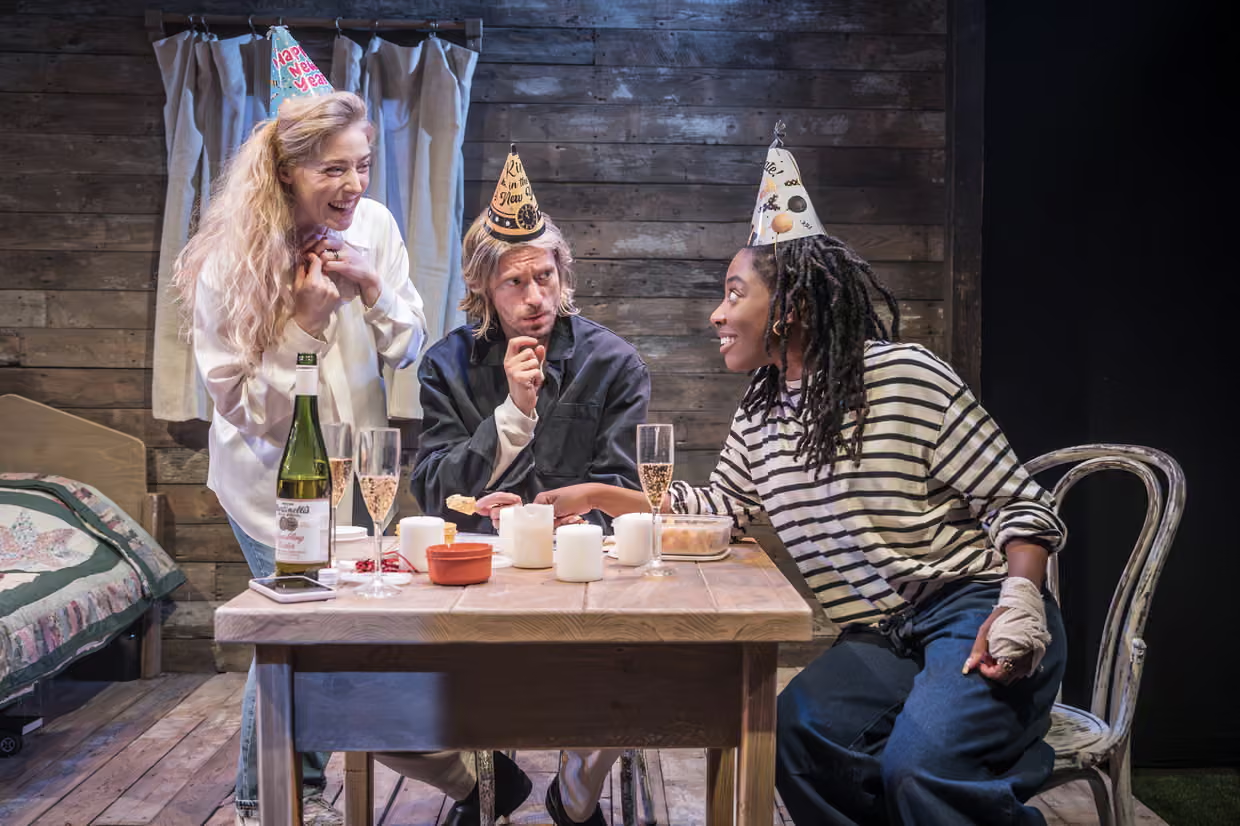
超自然的元素将我们带回吉妮生活的复杂现实,以及她如何与爱尔兰邦联奴隶主约翰·古德(帕特里克·韦尔饰)的生活交织在一起。通过诺拉(汉娜·莫里什饰)这一过度迎合的人物,白人自由派的内疚被讽刺呈现——她如今经营着这片种植园,并试图赋予它一种温馨的装饰风格。
The supernatural territory takes us back to the complicated reality of Ginnie's life and how it is entwined with the Irish confederate enslaver John Good (Patrick Vaill). White liberal guilt is satirised through the over-accommodating figure of Nora (Hannah Morrish), who runs the plantation in the present day and tries to give it a homely decorative spin.
她的丈夫詹姆斯(同样由韦尔饰演)是古德的直系后裔,也是爱尔兰历史的学者,他较少喜剧色彩,更多防御(“那就是方式,”他说起他的祖先时如此)。詹姆斯与塔卢拉之间尖锐的争论呈现了面对这样过去的辩论。
Her husband, James (also Vaill), a direct descendent of Good and an academic of Irish history, is less comic, more defensive ("That was the way," he says of his forefathers). Debates on confronting such a past come through prickly argument between James and Talulah.
该套装包括小屋及其外的树木。两者都投下阴影与沉郁,但似乎也迸发出魔法的火花。西莫索拉·马杰科杜尼的灯光勾勒出过去与现在;卡约丁的沉闷、令人不安的声音营造出悬念。种植园土地的泥土绒毛延伸至整个礼堂,我们观看时脚下能感受到。这是一种微妙的暗示,即过去与现在并没有明确的分界线。这段过去确实就在我们身边萦绕、鲜活地存在着。
The set comprises the cabin and tree outside it. Both cast shadows and gloom but also, it seems, sparks of magic. Simisola Majekodunmi's lighting delineates the past and present; Kayodeine's thudding, dread sounds raise suspense. The earthy tufts of plantation land extend across the auditorium, felt beneath our feet as we watch. It is a subtle way of suggesting that there is no clean cut-off point. This past is indeed nestling, alive, among us.

内斯比特引人入胜的文笔伴随着一些出色的表演。韦尔的一人分饰两角要求极高,却被演绎得惊艳绝伦。阿德科卢埃乔饰演金妮表现出色,充满安静的力量。复杂的情节带来了多重妊娠与家族谱系。有一段情节令人不信服:詹姆斯和诺拉与塔卢拉共度新年除夕,与此同时,一个黑人美国角色短暂出现,发表了一段生硬的关于历史遗产的论述。但这些安排在一部以如此创新方式处理其主题的戏剧中是可以被原谅的。它紧扣人心,感人至深,甚至让人汗毛直竖。
Nesbitt's gripping writing is accompanied by some excellent acting. Vaill's doubling is demanding and navigated spectacularly. Adékọluẹ́jọ is excellent as Ginnie, full of quiet strength. Complicated plotting brings multiple pregnancies and family trees. There is an unconvincing scene in which James and Nora spend New Year's Eve with Talulah, and a Black American character pops up briefly to deliver a clunky treatise on historical legacies. But these contrivances are forgivable in a play that treats its subject matter with such innovation. It grips, moves and raises hairs.