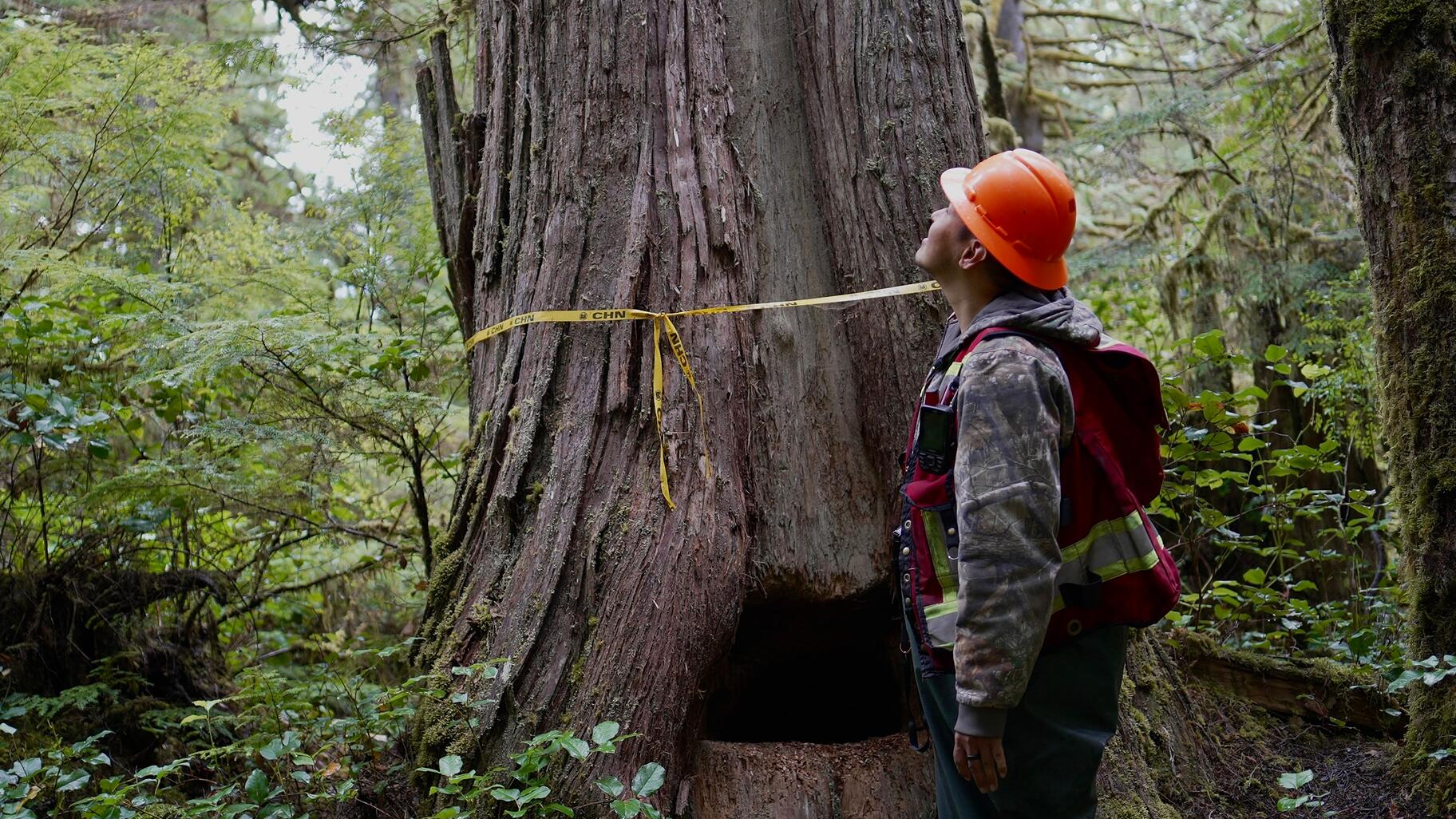
加拿大国家观察者气候台 Elijah Washington 挣扎着穿过湿润的蕨类植物和伐木留下的树枝,踏着海达瓜伊苔藓覆盖的森林地面。他跪在一棵巨大的西部红杉树桩旁。
Canada’s National Observer Climate Desk Elijah Washington pushes through wet ferns and branches left by logging, crossing the mossy forest floor on Haida Gwaii. He kneels beside a massive western red cedar stump.
这棵红杉是在几十年前的工业伐木热潮中被砍伐的,当时整片不列颠哥伦比亚省北海岸群岛的原始森林被大面积清除,留下一个空洞、腐烂的树桩。
The cedar was felled decades ago during the industrial logging boom that cleared swaths of old growth across the archipelago off British Columbia’s north coast, leaving a hollow, decaying stump.
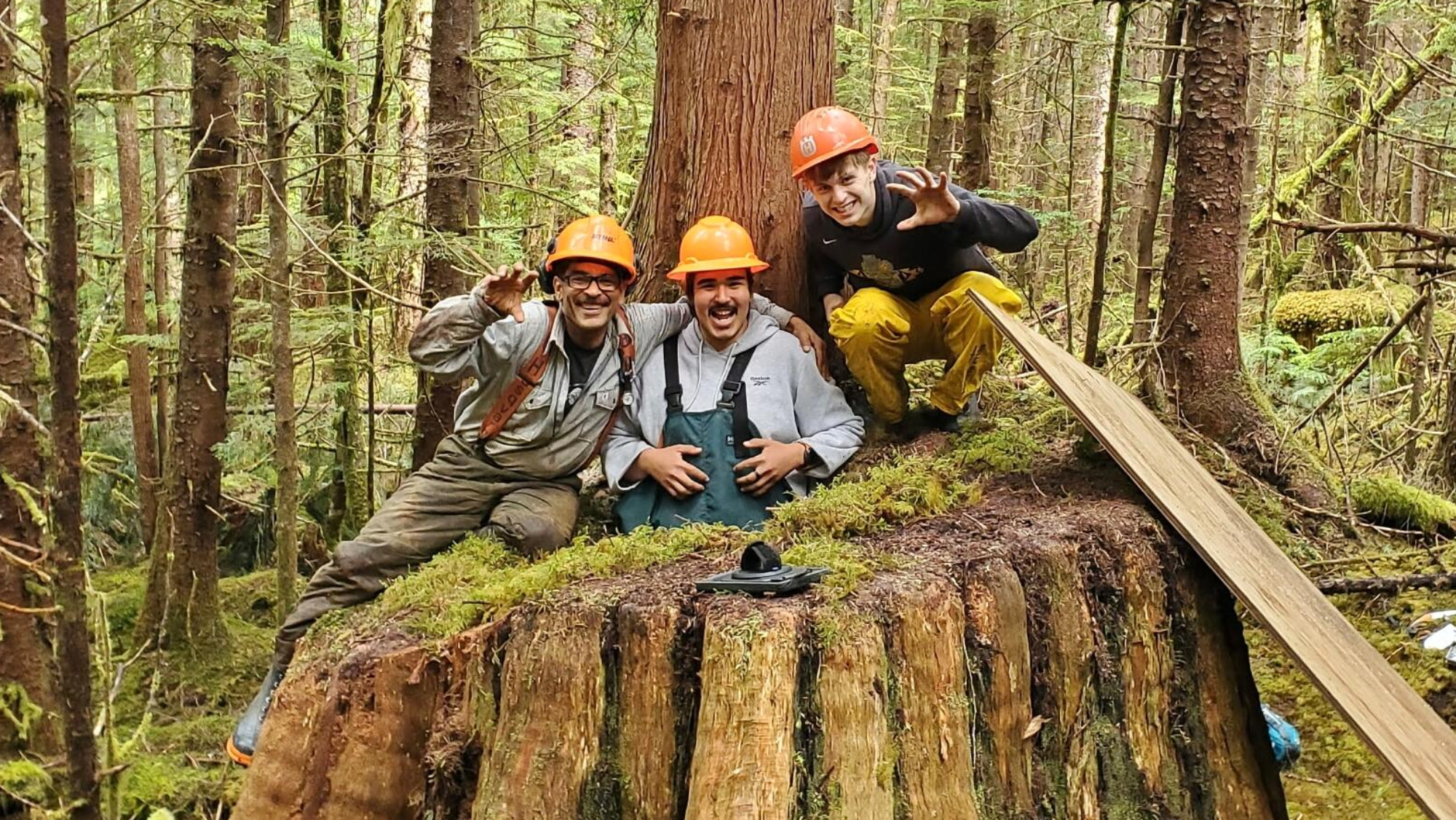
此后,树桩的顶部被电锯修整,以适配一块胶合板,上面覆盖了防风雨的屋顶材料,并铺上了从周围森林采集的厚厚绿苔。在树桩底部附近,有一个开口,宽度大约相当于华盛顿安全头盔的宽度,通向一个铺满苔藓的避风空洞。
Its top has since been trimmed with a chainsaw to fit a plywood sheet, capped with weather-resistant roofing material and covered with thick green moss collected from the surrounding woods. Near the base, an opening roughly the width of Washington’s safety helmet leads into a sheltered hollow lined with moss.
“你只希望它足够小,以至于母熊能够进去居住,”华盛顿说,他是海达民族的生态管理技术员。“所以它必须刚刚好,就像金发姑娘一样——[入口]不能太大,也不能太宽。”这个改造后的树桩是海达民族委员会今年夏天改造的七个之一,旨在为沿海黑熊提供冬季栖息地,这种熊在海达语中被称为 。这种黑熊亚种全世界独有,是北美体型最大的熊之一。
“You just want it to be small enough for a mother bear to move in,” said Washington, a stewardship technician with the Haida Nation. “So it’s got to be just right, just like the Goldilocks, [the entrance] can’t be too big, can’t be too wide.”The retrofitted stump is one of seven the Council of the Haida Nation had modified this summer to provide winter shelter for the coastal black bear, known in the Haida language as . Found nowhere else in the world, this subspecies of black bear is among the largest in North America.
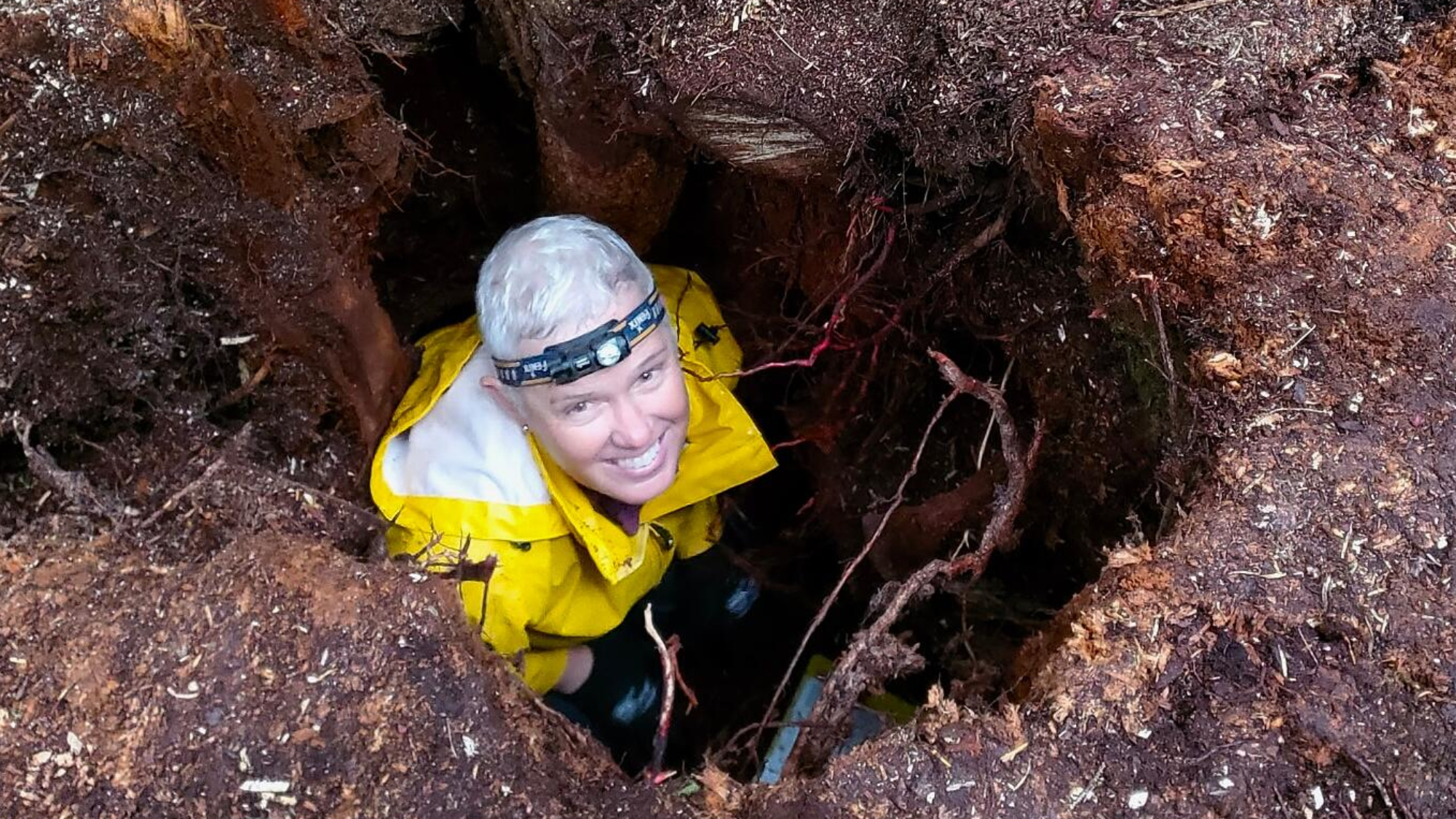
熊的冬季洞穴通常会让人联想到岩石洞穴,但不列颠哥伦比亚省的沿海黑熊严重依赖大型原始森林树木以及它们留下的空心原木和树桩。然而,几十年的伐木已经移除了许多这样的庇护所,而取而代之的年轻树木尚未长出足够大的空洞来容纳熊,海达民族合作的野生动物生物学家 Helen Davis 说道。
A bear’s winter den may bring to mind a rocky cave, but coastal black bears in BC rely heavily on large old-growth trees and the hollow logs and stumps they leave behind. Decades of logging have removed many of those shelters, however—and the younger trees growing in their place have yet to develop hollows large enough for bears, said Helen Davis, a wildlife biologist working with the Haida Nation to identify and restore bear dens.
幼熊出生时体重约一磅,眼睛仍然闭着。它们需要一个干燥、受保护的地方,让母亲在冬季期间哺乳它们,并且它们会在那里待上长达100天。“熊只能在洞穴中生育幼崽,”戴维斯说。“因此,这些洞穴对种群的可持续性至关重要。”熊赖以庇护的老树也受到伐木业的青睐。不列颠哥伦比亚省已扩大保护措施并实施临时伐木暂停,但老龄林采伐仍在继续。8月,不列颠哥伦比亚省森林部长拉维·帕玛尔表示,完全停止伐木将导致该行业停摆。
Cubs are born weighing about a pound, with their eyes still closed. They need a dry, protected place where their mothers can nurse them through the winter, and they stay there for up to 100 days. “The only place where bears can have babies is in a den,” Davis said. “And so these dens are critical to population sustainability.”The old trees bears need for shelter are also sought-after by the logging industry. BC has expanded protections and temporary logging pauses, but old-growth harvesting continues. In August, BC Forests Minister Ravi Parmar said stopping it altogether would shut down the sector.
戴维斯多年来一直听到这种论点。人们反复建议用熔化的轮胎或涵洞来建造庇护所,而不是为熊保留老树。
Davis has heard that argument for years. People repeatedly suggested making shelters from melted tires or culverts instead of leaving old-growth trees for bears.
“人们经常随口这么说,而且似乎没人想为熊保护老林,我就说,‘好吧,那就让我们看看能不能自己建造它们吧,’”戴维斯说。
“People would just sort of throw that out somewhat frequently and since nobody seems to want to conserve old growth for them, I was like, ‘Well, fine, then let’s see if we can build them,’” Davis said.
如今,这一首创项目可能为全球熊类保护树立典范。但通过提供保护老林以外的替代方案,有人担心建造人工洞穴会为持续伐木提供一个轻松的借口。
Now, the first-of-its kind program could set a model for bear conservation worldwide. But in providing an alternative to simply protecting old-growth, some worry building dens gives an easy excuse for logging to continue without pause.
老马塞特村议会议员丽萨·怀特表示,看到胶合板铺在老树桩上的景象令人难以接受。“我当时真的哭了,”她说。她指出,胶合板屋顶暴露了土地受损的程度之深:熊现在需要人类的帮助来提供庇护所。
Lisa White, a councillor with the Old Massett Village Council, said the sight of plywood laid over old-growth stumps was difficult to bear. “I actually cried,” she said. The plywood roofs, she said, showed how deeply the land had been damaged: bears now needed people to help provide their shelter.
怀特说,海达人早在商业伐木之前就需要木材。数千人用它来建造房屋、独木舟、衣物和取暖,但对最初的新来者来说,森林看起来几乎未被触动,她说。人们会挑选单棵树,充分利用它们,并让周围的森林保持原样,这样动物才能继续在那里生活,包括面临在群岛中消失危险的北方鹗。海达人还以从树中拉出整块木板而不砍伐树木而闻名,这样树就能继续站立。
White said Haida people had needed wood long before commercial logging. Thousands used it for homes, canoes, clothing and heat, yet the forests appeared virtually untouched to the first newcomers, she said. People selected individual trees, used them fully and left the surrounding forest standing, so animals could continue living there, including northern goshawks, which are at risk of disappearing from the islands. The Haida also were known to pull entire planks from trees without felling them, leaving the tree standing.
怀特担心围绕改造后的熊洞的次生林在冬季能否经受住考验。她在这些林分中看到过广泛的倒伏现象,担心在容易受群岛风暴影响的树木中安置庇护所。“它们周围的森林也需要坚固,”她说。有时,伐木工人只有在砍伐到熊洞时才会发现它。
White worries about how well the second-growth forests surrounding the modified dens will hold up through winter. She has seen extensive blowdown in those stands and is concerned about placing shelters among trees vulnerable to the islands’ storms. “It’s also the forest around them that needs to be strong,” she said. Sometimes, loggers discover a bear den only after cutting into it.
戴维斯自20世纪90年代初以来一直在研究沿海黑熊的熊洞,她回忆起伐木工人的故事:“他们砍进树里,熊就跳出来了——更糟的是,他们砍进了熊体内。”这些描述促成了省政府与林业公司Canfor进行为期三年的研究,以调查黑熊是否需要大树作为熊洞。
Davis, who has been studying coastal black bear dens since the early 1990s, recalled stories from loggers: “They cut into trees and a bear popped out—or worse, they cut into a bear.”Those accounts led to a three-year provincial government study with forestry company Canfor to investigate whether black bears needed large trees for dens.
戴维斯通过追踪佩戴无线电项圈的熊,发现了大约65个熊洞;她的野外研究证实,熊几乎完全依赖于大型空心原始林树木,而次生林几乎没有为它们提供任何选择。
Davis tracked radio-collared bears to roughly 65 dens; her field research confirmed that bears were almost entirely dependent on large, hollow old-growth trees and that second-growth forests left them with virtually no options.
当时,尽管该省原始林森林的流失速度很快,但这项研究并未引起警觉。“我不认为他们以为自己会用完原始林,”她说。
At the time, despite the rate of loss of old-growth forest in the province, the research didn’t set off alarm bells. “I don’t think they thought they’d run out of old growth,” she said.
建造洞穴意味着手工制作出雪松树木在数百年内才能自然形成的结构。随着雪松的生长,真菌会缓慢腐蚀其树心,形成足够容纳熊的空洞,而树木仍然存活。用于木材生产的森林通常在这些空洞形成之前就被再次砍伐,因此新长出的树木无法替代因伐木而失去的洞穴。
But building a den meant manually crafting what a living cedar takes centuries to create. As a cedar grows, fungi can slowly rot the wood at its centre, creating a hollow large enough for a bear while the tree remains alive. Forests managed for timber are often logged again before those chambers develop, so the new trees do not replace the dens lost when old growth is cut.
戴维斯于2019年开始与Taan Forest合作,Taan Forest是海达族所有的林业公司,他培训员工识别天然熊洞,并将合适的树桩改造成新的熊洞。该公司此前已在修复因早期砍伐而受损的河岸森林,正如其首席林业官杰夫·莫舍所说,熊洞修复成为这项工作的自然延伸。“保护熊是首要任务,即使这意味着更低的股息,”莫舍说。
Davis began working with Taan Forest, the Haida-owned forestry company in 2019, teaching staff to identify natural bear dens and convert suitable stumps into new ones. The company was already restoring streamside forests damaged by earlier logging and adding den restoration became a natural extension of that work, said Jeff Mosher, its chief forester. “Protecting bears is a priority, even if it means a lower dividend,” Mosher said.
Taan Forest自那时起,在格雷厄姆岛北部海达瓜伊群岛的马明河、调查溪和鬼溪流域已建造了六个熊洞,莫舍透露。
Taan Forest has since created six dens across the Mamin River, Survey Creek and Ghost Creek watersheds on Graham Island, in northern Haida Gwaii, Mosher said.
莫舍表示,熊通常需要大约一年时间才开始使用这些庇护所,尽管它们几乎立刻就检查了一个新洞穴。其他改造树桩上的使用迹象鼓励Taan Forest继续建造更多。熊在2023年冬春季使用了其中一个洞穴,并且此后每年都会返回。
Mosher said bears usually took about a year to start using the shelters, though they checked out one new den almost immediately. Signs of use at other modified stumps encouraged Taan to build more. Bears used one of the dens through the winter and spring of 2023 and have returned annually since.
这些成果也促使民族委员会扩大这一行动,华盛顿说道。他的团队整个夏天都在之前被砍伐的森林中寻找具有足够大空洞并带有入口通向内部的树桩。戴维斯帮助委员会从栖息地保护信托基金会获得资金,并在七月花了一周时间培训团队如何勘察树桩、评估其适用性,并使用电锯、胶合板和苔藓将其改造成熊洞。
Those results also encouraged the nation to expand the effort, Washington said. His crew spent the summer searching previously logged forests for stumps with a hollow large enough for a bear and an entrance leading inside. Davis helped the council secure funding from the Habitat Conservation Trust Foundation and spent a week in July teaching the crew to scout stumps, assess their suitability and turn them into dens using chainsaws, plywood and moss.
船员们也在努力让新庇护所散发出熟悉的气味。当海达船员在野外发现一只死亡的熊时,他们会恭敬地收集一些毛发,放入部分改造后的洞穴中——这是戴维斯在其他地区实地测试过的方法,效果令人鼓舞。
The crew is also trying to make the new shelters smell familiar. When the Haida crew comes across a bear that has died, they respectfully collect some of its hair to place in some of the modified dens, a trick Davis has tested elsewhere in the field with encouraging results.
到10月底,团队计划再完成三个洞穴,使改造后的监测点总数达到10个,分布在海达格威群岛,以备冬季监测使用。这些地点的确切位置目前被保密,以防止暴露熊的洞穴位置而招致猎人的侵扰。
By the end of October, the team plans to complete three more dens, bringing the total to 10 modified sites across Haida Gwaii ready for winter monitoring. The exact locations of the sites are being withheld to prevent exposing denning bears to hunters.
海达成员仍然担忧黑熊因胆囊被杀害的问题——熊胆含有胆汁,被一些传统亚洲药材所需求。不列颠哥伦比亚省禁止持有熊胆或胆汁,并禁止其交易。
Haida members remain concerned about black bears killed for their gallbladders, which contain bile sought for use in some traditional Asian medicines. BC bans possession of bear gallbladders or bile and prohibits their trade.
华盛顿表示,虽然该民族在这片土地上的存在有助于保护熊免受此类捕猎,但此类杀戮仍在发生。海达成员曾报告称,他们看到熊被遗弃在路边,爪子被砍断,胆囊被取走。
Washington said that while the nation’s presence on the land has helped protect bears from such hunting, the killings still occur. Haida members have reported seeing bears left dead on the side of the road with the paws cut off and gallbladder removed.
华盛顿在森林另一部分的一棵活着的西部红雪松上抚摸着树干,指向传统石斧留下的明显工具痕迹。他估计,早在1900年代初,海达祖先曾砍入这棵树,以查看其是否可用作房屋立柱。发现树心已腐朽后,他们便将其留在原地。后来,熊用牙齿和爪子进一步扩大了开口,使其成为一个天然洞穴——地面已铺上柔软的雪松垫料,而枝条仍在上方生长。
Tracing his hand over a living western red cedar in a different part of the forest, Washington points to the distinct tool marks left by a traditional adze. Sometime in the early 1900s, he estimates, Haida ancestors cut into the tree to see if it could be used for a house pole. Finding rot at the core, they left it standing. Bears later widened the opening with their teeth and claws, turning the hollow into a natural den, its floor already lined with soft cedar bedding and green branches still growing above.
这个洞穴位于树干较高处,华盛顿说,这是雌熊抚养幼崽最安全的地方之一。但他的团队无法在如此高处重建这样的洞穴。
This den sits high in the tree, which is among the safest places for a female bear to raise cubs, Washington said. But his crew cannot recreate one at that height.
这些改造后的洞穴也仅提供临时庇护所。“它们是枯死的树桩,所以会腐烂,不会永远存在,”戴维斯说。
The modified dens also provide only temporary shelter. “They’re dead stumps and so they’re rotting and they won’t be there forever,” Davis said.
但庇护所只是熊所需的一部分。诺埃尔·贝利斯是海达民族老马塞特的成员,也是一名雕刻家,他成长于一个伐木家庭,后来在雪松森林工作。参观改造过的洞穴并参加工作坊后,他认为熊会搬进来,但他质疑它们是否能在附近找到足够的食物。熊在春天出来时,会以绿色植被为食,包括马尾草、火绒草幼芽、萨尔蒙莓幼芽和草类。
But shelter is only part of what a bear needs. Noel Bellis, an Old Massett member of the Haida Nation and a carver, grew up in a logging family and later worked in cedar forests. After visiting modified dens and attending workshops, he believes bears would move in but questions whether they would find enough food nearby. When bears come out in spring, they feed on green vegetation, including horsetail, fireweed shoots, salmonberry shoots, and grasses.
但在他所访问的次生林中,鹿已经吃掉了大部分低矮植被,留给熊觅食的食物很少。“这是树间的苔藓草坪,”他说。
But in the second-growth forests he has visited, deer have eaten much of the low-growing vegetation, leaving little for bears to forage. “It’s a moss lawn between trees,” he said.
附近的鲑鱼溪流提供季节性食物来源,但贝利斯担心每年洄游结束后,熊将找不到食物。他希望在建造洞穴的同时,采取措施恢复食物植物,使用围栏保护幼苗免受鹿的啃食,直到它们长到鹿够不到的高度。“这会花钱,但这就是砍伐全部树木所带来的成本,”他说。
Nearby salmon streams provide a seasonal source of food, but Bellis worries about what bears will find once those runs end each year. He wants den-building accompanied by efforts to restore food plants, using cages to protect young growth from deer until it grows beyond their reach. “It will cost money, but that’s what the costs of clear-cutting are going to be,” he said.
戴维斯同意熊需要在其活动范围内同时具备庇护所和觅食区,它们通常会在那里冬眠。“它们不会 simplesmente 拾起东西就离开去某个遥远的剩余原始林斑块,然后全部聚在一起冬眠,”戴维斯说。
Davis agrees bears need both shelter and feeding areas within their home ranges, where they generally remain to den. “They don’t just pick up and march off to some far-flung patch of remaining old growth and all den there together,” Davis said.
塔安森林正在开放树冠间隙以鼓励灌木生长,并在或旁边这些恢复区域至少设置两个改造过的洞穴,戴维斯补充道。
Taan Forest is opening gaps in the canopy to encourage shrubs to grow, with at least two modified dens in or beside those restoration areas, Davis added.
当巴尼·埃德加斯在海达格威的溪流担任渔业守护者时,他的团队携带空气喇叭和信号弹,但很少需要使用。抚养他长大的长者教导他尊重熊,并在相遇时与它们说话:“你走你的路,我走我的路。”“我们被教导说,我们成长过程中接触的一切都有灵魂,”埃德加斯说,他是一位海达长者。
When Barney Edgars worked along Haida Gwaii’s creeks as a fisheries guardian, his crew carried air horns and flares but rarely needed them. The Elders who raised him had taught him to respect bears and speak to them when their paths crossed: “You go your way, I’ll go my way.”“We were taught that everything we grew up with had a spirit,” said Edgars, a Haida Elder.
他回忆起一位年长的妇女在捕红眼鲑时,一只熊及其幼崽靠近了她的网。她把一条鱼扔给熊,并告诉它不要碰网。之后它再也没有回来,他说。
He recalled an older woman fishing for sockeye salmon when a bear and its cub approached her net. She threw the bear a fish and told it to leave the net alone. It never returned, he said.
早期一代人会吃熊,并利用整只动物。他的祖母曾让他为她去捕猎一只熊,尽管他从未这样做过。旅行者也曾沿着北部海达瓜伊群岛的熊足迹前行,在从马塞特前往纳登港的途中,找到了穿越水道的路线。
Earlier generations ate bears and used the whole animal. His grandmother asked him to hunt one for her, though he never did. Travellers also followed bear trails through northern Haida Gwaii, finding routes between waterways on the journey from Massett toward Naden Harbour.
埃德加斯和他的祖父母都从未听说过群岛上发生过熊袭击事件,他说。但他担心,森林和觅食场所的丧失会迫使熊进入社区翻找垃圾,从而增加冲突的可能性。
Neither Edgars nor his grandparents had heard of a bear attack on the islands, he said. But he worries that losing forests and feeding grounds will push bears into communities to rummage through garbage, increasing the possibility of conflict.
对熊冲突的担忧对海达人来说是新事物。“他们过去常在树下睡觉,从未有过这样的恐惧……我从未从祖父那里学到对熊的恐惧,”怀特说。
Fears about conflict with bears are new to the Haida. “They used to sleep under the trees and there was never any fear of that… I never learned any fear from my grandfather about bears,” White said.
华盛顿表示,海达人想知道熊是否健康、是否有足够食物以及是否有栖息地。监测这些新洞穴将有助于回答其中的一部分问题。
Washington said Haida people want to know whether bears are healthy, have enough food and have places to live. Monitoring the new dens will help answer part of that question.
面对洞穴入口的摄像头将全年记录活动,而他们的团队则会在大约10月至4月期间远离洞穴,以避免打扰熊。冬季结束后,团队将查看录像,以确定熊探索了哪些庇护所,并将哪些用作洞穴。
Cameras facing the den entrances will record activity year-round while their crew stay away from roughly October to April to avoid disturbing bears. After winter, the crew will review the footage to see which shelters bears explored and which they used as dens.
自然滞留在洞穴入口处的毛发可进行DNA检测,以帮助判断是否是同一只熊年复一年地返回,还是有其他熊迁入。即使熊开始使用这些庇护所,团队也不打算将每一棵合适的树桩都改造成洞穴。一旦一个洞穴完成,工人就会转移到另一个区域,在庇护所之间留出空间,以限制食物和熊幼崽栖息地的竞争。
Hair naturally caught at den entrances can be tested for DNA to help show whether the same bears return year after year or others move in. Even if bears take to the shelters, the crew does not plan to turn every suitable stump into a den. Once one is finished, workers move to another area, leaving space between shelters to limit competition for food and places to raise cubs.
“我们不想在这里建立一个完整的熊社区,”他说。“我们只想让有一只足够安全的熊能够出来活动。”
“We don’t want to create a whole community out here,” he said. “We want to have like one bear that’s safe enough to come out here.”