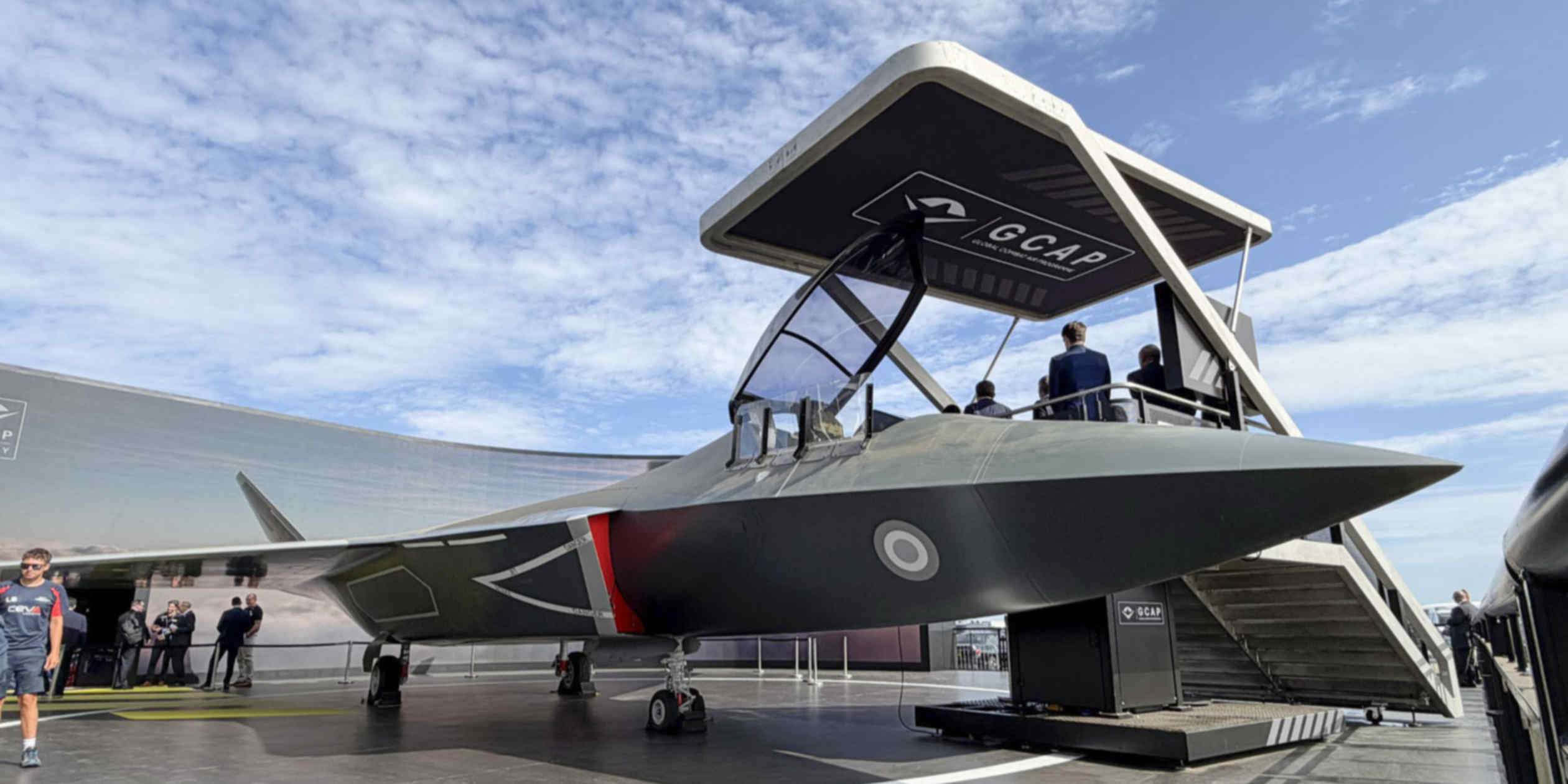
都灵,意大利 — — 负责为日本、英国和意大利开发下一代战斗机的合资企业Edgewing计划于明年早些时候在日本开设一个设计与开发中心,届时将雇佣约1000人,首席执行官马尔科·佐夫表示。
TURIN, Italy -- Edgewing, the joint venture responsible for developing a next-generation fighter for Japan, the U.K. and Italy, plans to open a design and development center in Japan early next year that will eventually employ about 1,000 people, CEO Marco Zoff said.
该中心将位于日本工业重镇爱知县,另有一个类似的中心位于英格兰的沃顿。
The site will be located in Japan's industrial center of Aichi prefecture, with a similar site in Warton, England.
佐夫在接受《日经》采访时表示:“我们计划在每个全球站点招聘约1000人。”
"We will go up to around 1,000 people for each global site," Zoff said in an interview with Nikkei.
Edgewing负责设计和开发名为全球战斗空中计划(GCAP)的战斗机项目。所有权由日本飞机产业强化(由包括三菱重工业在内的日本企业成立)、英国国防承包商BAE系统以及意大利的莱昂纳多公司平等持有。
Edgewing is responsible for the design and development of the fighter program, known as the Global Combat Air Programme (GCAP). Ownership is split equally among Japan Aircraft Industrial Enhancement, established by Japanese companies including Mitsubishi Heavy Industries, U.K. defense contractor BAE Systems and Italy's Leonardo.
周五,Edgewing在意大利北部都灵举行了其全球设计与开发中心的开幕仪式。这是该公司在总部(位于伦敦附近的雷丁)之外的首个设计与开发设施。
On Friday, Edgewing held an opening ceremony for its global design and development hub in Turin, northern Italy. It is the company's first design and development facility outside its headquarters in Reading, near London.
到明年年底,Edgewing计划在该中心增建第二栋楼,并汇聚来自三个合作伙伴国家的约300名工程师及其他专家。员工人数预计将增长至超过1000人。
By the end of next year, Edgewing plans to add a second building at the site and bring together about 300 engineers and other specialists from the three partner countries. The workforce is expected to grow to more than 1,000.
根据佐夫的说法,都灵中心最初将容纳负责将架构集成(包括结构和系统设计)与工程职能(如发动机部件开发)相结合的专家。 avionics等特定子系统的专家将逐步加入。
According to Zoff, the Turin center will initially house specialists responsible for integrating architecture, including structural and systems design, with engineering functions such as engine component development. Experts in specific subsystems, including avionics, will be added gradually.
都灵设施位于莱昂纳多公司主要航空航天开发综合体内。该地点曾用于欧洲战斗机(Eurofighter)的研发与生产,该机型计划于2040年代退役。附近有米兰理工大学和都灵理工大学,两校均以航空航天专业著称。
The Turin facility is located within Leonardo's main aerospace development complex. The site had served as a development and production center for the Eurofighter, which is scheduled to retire in the 2040s. Nearby are the Polytechnic University of Milan and the Polytechnic University of Turin, both known for aerospace expertise.
Edgewing计划利用该地区为GCAP培养的人才库和技术专长。
Edgewing expects to tap into the talent pool and technical know-how developed in the region for GCAP.
Edgewing 在都灵举行了其全球设计与开发中心的开幕仪式。
Edgewing held an opening ceremony for its global design and development hub in Turin.
日本、英国和意大利的开发中心预计规模相当。"每个站点将专注于特定子系统,且无重叠,以实现高效的工作地点和分配结构," Zoff 说。将三国的相关专业知识集中在一起旨在加速开发。
The development centers in Japan, the U.K. and Italy are expected to be of similar scale. "There is a work location and allocation structure in which every site will be specialized in a specific subsystem without overlap to be efficient," Zoff said. Concentrating related expertise across the three countries is intended to accelerate development.
合作伙伴计划于 2035 年开始战斗机的大规模部署。虽然该项目已完成初步概念评估并进入设计阶段,但随着德国与法国共同研发下一代战斗机的努力停滞,德国加入的可能性浮出水面。
The partners aim to begin mass deployment of the fighter in 2035. While the program has completed its initial concept evaluation and moved into the design phase, the possibility has emerged that Germany could join after its effort to develop a next-generation fighter with France stalled.
德国参与可能有助于降低开发成本,但也可能需要修订并可能导致进度延迟。英国首相安迪·伯纳姆在周三的英德峰会后表示,他已表达了对德国加入 GCAP 的积极看法。"只有政府才能全面了解情况,以评估和权衡机遇与复杂性之间的权衡," Zoff 说。"我会说,尤其是日本,比其他国家更如此,但三国政府都渴望坚持时间表," Zoff 说。"如果没有收益,没有人会妥协时间表。"
German participation could help reduce development costs, but it may also require revisions and potentially delay the schedule. U.K. Prime Minister Andy Burnham said after a U.K.-Germany summit Wednesday that he had conveyed a positive view on Germany joining GCAP. "Only the governments have the full picture to evaluate and balance the trade-off of opportunities and complexities," Zoff said. "I would say especially Japan, more than the others, but all three governments are keen to keep to the timeline," Zoff said. "No one is going to compromise on timing if there is no benefit."