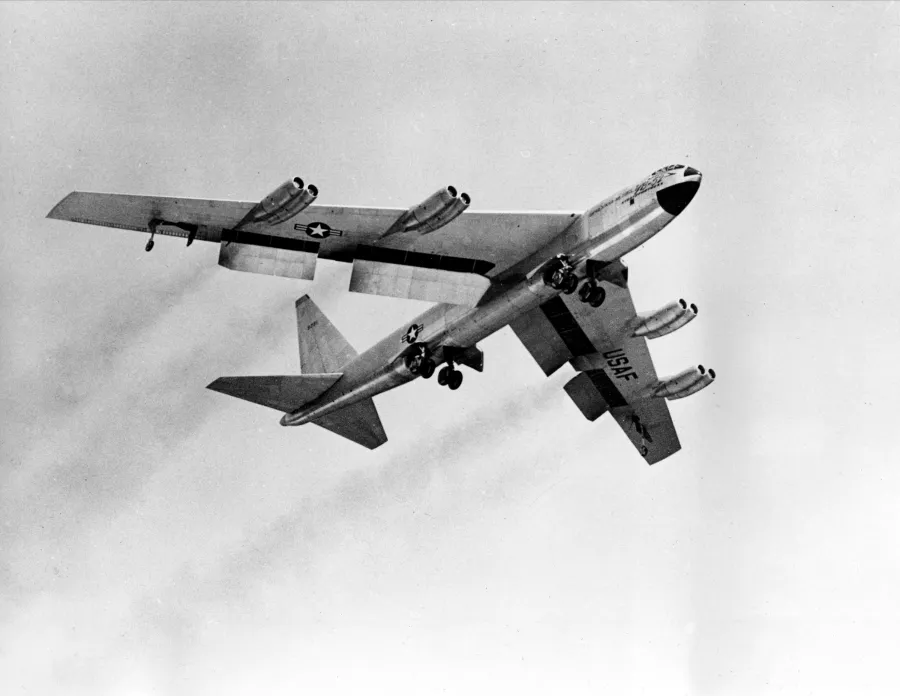
无论是军方还是商业领域,似乎所有人都在力推美国的下一代新装备。这固然是好事,但倘若那些老式装备最终对我们的国家安全和经济安全更为关键呢?以波音B-52“同温层堡垒”轰炸机为例,它70多年来始终活跃在国防一线。它不仅在对伊战争中发挥了至关重要的作用,目前还有计划让这批B-52机队持续服役至2050年代。
Be it our military or our commercial sector, everyone seems to be pushing for the next new thing in America. That’s great, but what if the old things are ultimately more critical to our national and economic security? Take the Boeing B-52 Stratofortress, which has been in continuous service in the defense of our nation for more than 70 years. Not only has it played a vital role in the war with Iran, but there are even plans to keep our fleet of B-52s active and combat ready into the 2050s.
诚然,军事与经济领域都需要不断创新。不过,对老式装备的维护与保养进行成本分析,不仅能为纳税人节省数百万乃至数十亿美元的开支,还能确保国家在新装备的研发、测试及正式列装过程中始终保持应有的战备水平。另一个亟需保留的老式装备典范便是美国海军的俄亥俄级核动力弹道导弹潜艇。为何这类潜艇如此关键?
Yes, innovation is always needed militarily and economically. But a cost analysis of keeping the old things up and running can not only produce taxpayer savings of millions to billions of dollars, but an optimum readiness factor needed to keep our nation secure as new things are dreamed up, built, tested and eventually brought online. Another critical example of a desperately needed old thing is the U.S Navy’s fleet of Ohio Class nuclear-powered ballistic missile submarines. Why is that class of submarine so critical?
许多人认为,它一直是美国核威慑体系的核心组成部分——该体系还包括美国空军的战略轰炸机与洲际弹道导弹。然而,这支能够防范美国遭受核打击的关键力量如今已服役近45年。创新并不仅限于研发新技术与新产品,对现有重要装备的维护同样不可或缺。遗憾的是,不少人认为中国的发展速度已赶超美国。美国国防大学出版社刊发的一篇文章也印证了这一现实,文中列举了诸多证据表明:“美国有三艘……”军事服务(海军陆战队、陆军和空军)[可能]在后勤方面难以为继。”
Many believe it served — and continues to serve — as the key in the U.S. nuclear-deterrent triad, which also includes the U.S. Air Force strategic bombers and intercontinental ballistic missiles. And yet, the most important piece of the military triad preventing a nuclear attack upon the United States is going on 45 years old and counting. Innovation is not limited to bringing new technology and products online but also servicing existing and vital materiel. Unfortunately, many believe the People’s Republic of China is outpacing the United States. Echoing this new reality was a piece in National Defense University Press, which highlighted evidence that “three U.S. military Services (Marines, Army, and Air Force) [are] probably logistically unsustainable.”
文章随后以以下观点切入主题:“这更令人不安,因为对历史上大国战争的调查 — — 以及对中国可能的军事选项的具体研究 — — 强烈表明,后勤很可能是军事成功或失败的主要决定因素。” 在后勤领域,往往是那些微小但未得到应有认可或优先考虑的细节才真正重要。我在最近与一位空军将军的交谈中再次想起了这一点,他一再强调,采购成本相比生命周期成本微不足道。
The piece then cuts to the chase with this observation: “This is even more disturbing because a survey of historical Great Power wars — and a specific study of China’s likely military options—strongly suggests that logistics is likely to be the primary determinant of military success or failure.”In the greater world of logistics, it is often the little things that matter but don’t get the needed recognition or priority. I was reminded of this during a recent conversation with an Air Force general, who stressed repeatedly that acquisition costs pale in comparison to lifecycle costs.
他举了一个我从未想到的例子,我相信我也不是唯一一个:在成千上架军用和民用飞机中更换旧铆钉(紧固件)的迫切需求。中华人民共和国在这方面已经做得非常出色。幸运的是,该将军表示,他们已经确定了一种最先进的技术,可通过机器人将旧紧固件的更换效率提高20倍。更快、更便宜、更好、更安全是在对华后勤竞赛中日益重要的优势。
He gave an example that had never crossed my mind, and I suspect I'm not alone: the vital need to replace old rivets (fasteners) in collectively thousands of military and commercial aircraft. It’s something the People’s Republic of China already excels at. Fortunately, the general stated that they have identified a state-of-the-art technology that can replace old fasteners 20 times more efficiently via robotics. Faster, cheaper, better and safer is a critical advantage in the growing logistics war against China.
无论是更换飞机上数以百万计的旧铆钉,还是持续更新我们的潜艇舰队,保持旧装备战备状态并及时更新,是在应对我们国家头号对手时的必然要求。这一点在国防大学文章的结论中被进一步强调:“美国军队正面临其历史上最大的后勤挑战,在这场冲突中,后勤很可能成为决定性因素。……为了克服这些挑战,美国必须激发其后勤社区的文化、组织和思维方式。” 可惜的是,这一信息尚未在所有关键决策者中得到广泛认同。
Be it the replacement of millions of old rivets on aircraft or the continual updating of our submarine fleet, keeping the old things battle ready and up to date is mandatory when it comes to keeping pace with our nation’s number one adversary. This point was hammered home in the conclusion of the National Defense University piece: “the U.S. military faces the greatest logistical challenge of its history, in a conflict where logistics is likely to be determinative. … To overcome these challenges, America must invigorate the culture, organization, and mindset of its logistics communities.”Unfortunately, that message has not yet settled in among all the key decisionmakers.
也许在他们乘坐一架30年历史的商用或军用飞机前往下次会议的途中,他们可能会先关注机翼铆钉的潜在使用年限,然后在脑海中逐步梳理出为保持美国领先地位所需的全部后勤更换流程。就在此时,这架老旧飞机可能会显得格外重要。道格拉斯·麦金农是前白宫和五角大楼官员。
Maybe as they are traveling to their next meeting aboard a 30-year-old commercial or military aircraft, they might begin by focusing on the potential age of the rivets in the wings, then mentally work their way through the rest of the logistical replacement progression needed to keep the U.S. on top. At that exact moment, the old thing might seem incredibly important. Douglas MacKinnon is a former White House and Pentagon official.