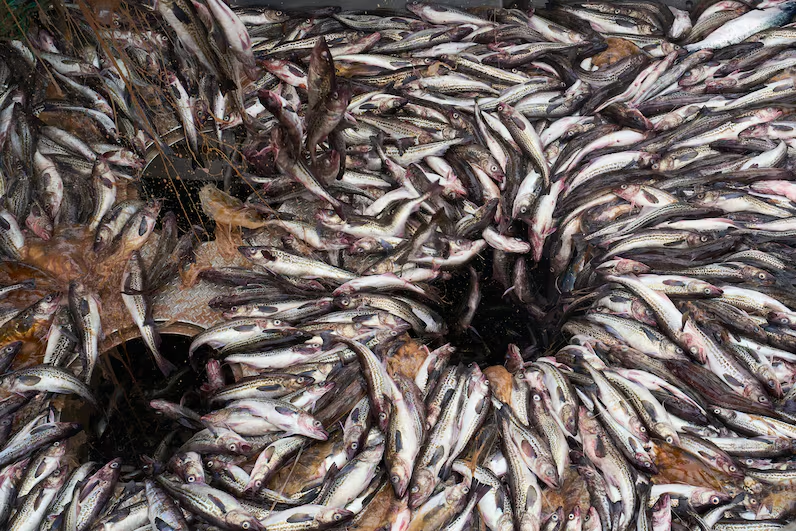
我听长辈们说,如果我们失去了三文鱼,那说明同化已经成功了。渔网从翻滚的白令海浪中升起,网中紧紧裹满了阿拉斯加狭鳕,以至于它们的头都挤进了网眼里。
'I've heard elders say that if we lose our salmon, that assimilation has worked' The net rose from the heaving Bering Sea swells, packed so tightly with Alaska pollock that their heads squeezed through the webbing.
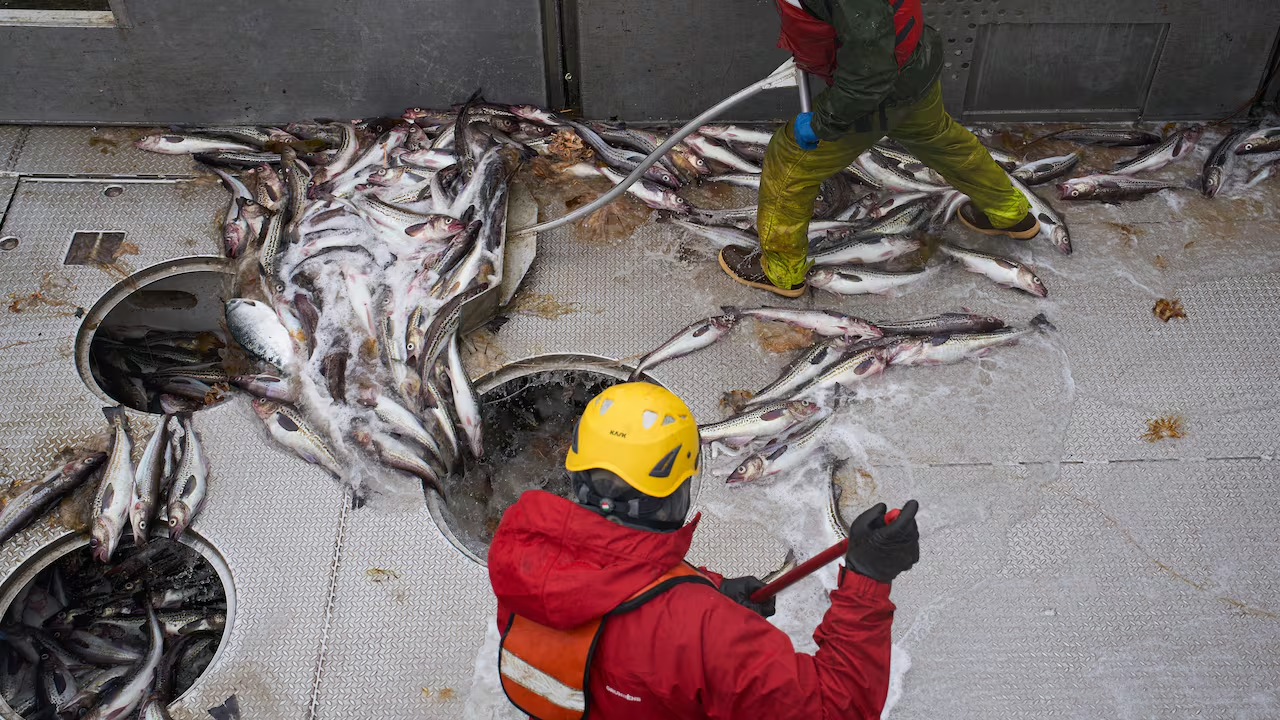
当渔获倾倒在甲板上时,其他死掉的海洋生物也随之而来:鳐鱼、螃蟹、水母,以及其中最为重要的——三文鱼——这种鱼正成为阿拉斯加工业拖网渔业日益激烈的政治和文化斗争的焦点。
As the catch spilled onto the deck, other dead marine life came with it: a skate, crabs, jellyfish and, among the most consequential, salmon — the fish at the centre of a growing political and cultural fight over industrial trawling in Alaska.
“这属于野生捕捞渔业,所以你确实会遇到非目标物种,很多人对此有意见,”该船船长梅弗里克·布莱克说道。
"This is a wild capture fishery so you do run into your nontarget species, and a lot of people have a problem with that," said Maverick Blake, the boat's captain.
“但这就是把海鲜端上餐桌所必须付出的代价。”布莱克将船只转向另一个捕鱼区域,希望在那里遇到更少的三文鱼。
"But this is what it takes to put seafood on the table." Blake redirected the boat toward another fishing ground where he hoped to encounter fewer salmon.
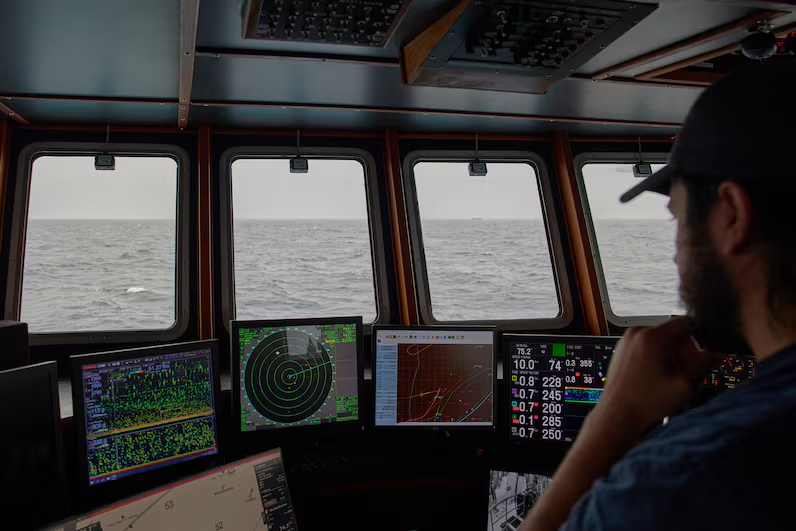
梅弗里克·布莱克,F/V Progress号的船长,于2026年7月22日星期三,在阿拉斯加海岸外的白令海驾驶室内监控着帮助追踪渔业状况的屏幕。
Maverick Blake, captain of the F/V Progress, monitors screens in the wheelhouse that help track fishing conditions in the Bering Sea off the coast of Alaska on Wednesday, July 22, 2026.
阿拉斯加狭鳕是全球第二大渔业。它是美国麦当劳Filet-O-Fish三文鱼汉堡中的鱼肉,也被制成鱼棒和仿制蟹肉。该渔业使用的方法——麦当劳也声称如此——旨在减少环境影响,但捕捞狭鳕的渔网也会误捕其他海洋生物。
Alaska pollock is the second-largest fishery on Earth. It is the fish inside U.S. McDonald's Filet-O-Fish sandwiches and is also turned into fish sticks and imitation crab. The fishery uses methods that it — and McDonald's — say are aimed at minimizing environmental impacts, but the nets that catch pollock catch other marine life, too.
误捕——渔民在捕捞目标物种时无意中捕获的其他海洋生物——占狭鳕渔业总捕获量的2%。以每年捕捞数十亿磅狭鳕的规模来看,这可能意味着数十万条三文鱼。
Bycatch — marine life caught unintentionally while fishers target something else — makes up two per cent of the pollock fishery's total catch. At the scale of a fishery that harvests billions of pounds of pollock annually, that can mean hundreds of thousands of salmon.
在过去十年里,白令海的狭鳕拖网渔船平均每年捕获约18,000条帝王三文鱼和288,000条其他三文鱼,其中几乎全部是狗三文鱼。
Over the last 10 years, Bering Sea pollock trawlers caught an average of about 18,000 Chinook and 288,000 other salmon a year, nearly all of them chum.
这些捕获在阿拉斯加西部鲑鱼洄游崩溃的背景下变得尤为争议,该地区数十个原住民社区世代依赖鲑鱼生存。反对声浪已蔓延至小型商业渔民和包船渔民,他们也表示自己正承担鱼类资源减少的成本。拖网渔业和副渔获物问题已成为阿拉斯加中期选举的焦点,州长候选人以及该州备受关注的美国参议院选举候选人正就应如何严格限制该行业展开激烈争论。
Those catches have become especially contentious as salmon runs have collapsed across western Alaska, where dozens of Indigenous communities have relied on salmon for generations. The backlash has spread to smaller commercial and charter fishers who say they, too, are bearing the costs of declining stocks. And trawling and bycatch have become prominent issues in Alaska's midterm elections, with candidates for governor and in the state's closely watched U.S. Senate contest sparring over how aggressively to restrict the industry.
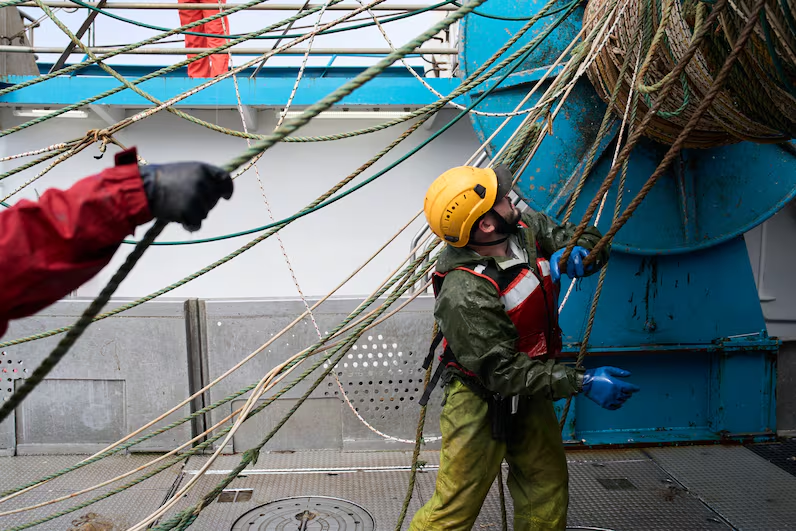
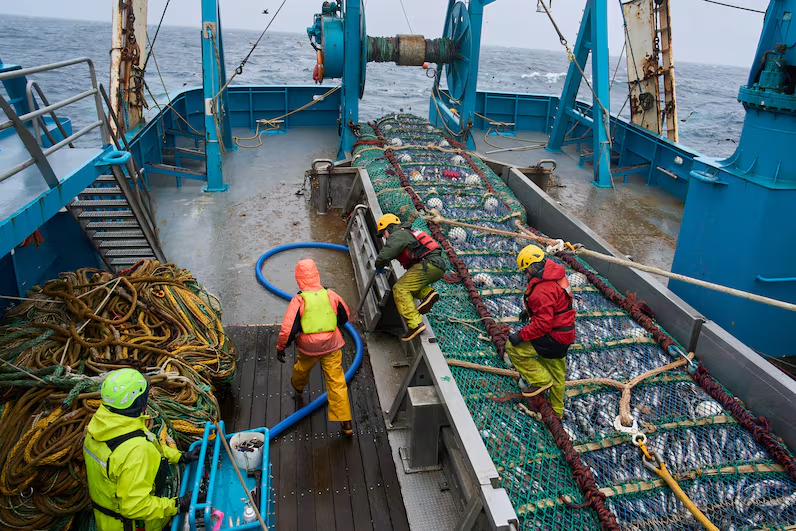
船员们在2026年7月23日星期四,于阿拉斯加海岸外的白令海上,在F/V Progress号渔船上工作。
Crew members work aboard the F/V Progress in the Bering Sea off the coast of Alaska on Thursday, July 23, 2026.
2024年,阿拉斯加和加拿大对育空河的帝王鲑实施了为期七年的禁渔令——相当于一个完整的鲑鱼生命周期——以让枯竭的种群有机会恢复。库斯科威姆河也多次出现帝王鲑和狗鲑的禁渔,而育空河的其他鲑鱼渔业也受到了限制。
In 2024, Alaska and Canada instated a seven-year ban on Chinook fishing along the Yukon River — one full salmon life cycle — to give depleted populations a chance to rebuild. The Kuskokwim River has faced repeated Chinook and chum closures too, while other Yukon salmon fisheries have also been restricted.
科学家指出,海水变暖和海洋条件变化,而非拖网副渔获物,是鲑鱼数量下降的主要原因。根据一项2025年的研究,海水变暖还可能通过改变鲑鱼和鳕鱼的重叠分布区域,增加鲑鱼被意外捕获的风险。
Scientists point to warming waters and changing ocean conditions, not trawl bycatch, as the primary causes of the declines. Warmer oceans can also increase the risk of salmon bycatch by changing where salmon and pollock overlap, according to a 2025 study.
但批评者认为,副渔获物是管理者能够直接控制的少数鱼类死亡来源之一,即使损失微小,在洄游量已经枯竭的情况下也具有重要意义。
But critics argue bycatch is one of the few sources of fish mortality managers can directly control, and even small losses matter when runs are depleted.
每条鱼对育空河沿岸社区都至关重要,阿拉斯加费尔班克斯大学渔业教授安德鲁·塞茨说。“感到自己承受保护措施主要冲击的人,就是河流沿岸的人。”在船上,船长们尽量避开鲑鱼。在美联社记者登上 F/V Progress 号渔船的四天里,该船捕获了大约210条狗鲑。布莱克在鳕鱼行业工作了13年,他说避开鲑鱼是他工作的核心部分。他说,寻找鲑鱼较少的海域几乎消耗了11,360升燃油。他表示,如果他一直停留在原地,船只半天就能装满货舱,而且燃油消耗会少得多。
"Each fish is critical to communities along the Yukon River," said Andrew Seitz, professor of fisheries at the University of Alaska Fairbanks. "The people who feel that they bear the brunt of the conservation measures are people along the river." On board, captains try to avoid salmon During the four days The Associated Press was on the F/V Progress, the vessel caught some 210 chum salmon. Blake, who has spent 13 years in the pollock industry, said avoiding salmon is a central part of his job. He said the search for waters with fewer salmon burned nearly 11,360 litres of fuel. Had he stayed put, he said, the boat could have filled its holds in half a day with far less.
“生计用户看到这庞大的机器工业在这里海洋捕捞,我能理解他们的愤怒,”他说。“如果有人告诉我,我不被允许像我的祖先那样捕鱼,而他们已经这样做了数千年,我也会感到愤怒。”不过,布莱克和行业代表仍称这是世界上管理最好的渔业之一。船长们在整个航程中保持与其他船只的联系,以共享鲑鱼分布情况的信息,而船队则根据捕捞场的报告执行每周的禁渔区。鳕鱼渔船配备有鲑鱼分离装置,这种装置能帮助鲑鱼找到离开渔网的路径。
"The subsistence users see this huge machine industry out here harvesting in the ocean and I can understand their frustration," he said. "I would be upset if somebody told me that I wasn't allowed to fish like my ancestors had done for thousands of years before." Still, Blake and industry representatives call it one of the best managed fisheries in the world. Captains stay in contact with other vessels throughout each trip to share information about salmon concentrations, while the fleet follows weekly closure areas based on reports from the fishing grounds. Pollock vessels carry salmon excluders, devices that help salmon find a way out of the net.
白令海鳕鱼渔船捕获的每条鲑鱼都会被记录。拖网渔船由观察员或摄像头监控,岸边加工厂的卸货同样受到监控。
Every salmon caught by the Bering Sea pollock fleet is counted. Trawlers are monitored by observers or cameras, as are deliveries at shoreside processing plants.
“投入到改善这一系统的科学和管理工作基本上是前所未有的,”阿拉斯加鳕鱼船上加工协会首席执行官马特·廷宁说,该协会代表五家阿拉斯加鳕鱼公司。“该系统的设计是为了真正激励每天、每时每刻都避开鲑鱼。”2026年7月22日星期三,在阿拉斯加海岸外的白令海,鳕鱼在 F/V Progress 号渔船的舱口溢出,伴随副渔获物,包括右上角的一条狗鲑和水母。
"The amount of science and management effort that goes into improving it is basically unprecedented anywhere," said Matt Tinning, CEO of the At-Sea Processors Association, which represents five Alaska pollock companies. "The system is designed to really incentivize salmon avoidance every day, all the time." Pollock spill into a hatch aboard the F/V Progress alongside bycatch including a chum salmon, top right, and jellyfish, in the Bering Sea off the coast of Alaska, Wednesday, July 22, 2026.
在育空河沿岸,景象截然不同。阿拉斯加兰帕特镇7月某日上午9点,大约十几艘船只停泊在育空河畔。过去的年份里,家家户户都会拉网捕捞鲑鱼,然后将其运送到熏制屋。
Along the Yukon, the picture looks different At 9 a.m. on a July morning in Rampart, Alaska, about a dozen boats sat moored along the Yukon River. In years past, families would have been pulling nets and carrying salmon to their smokehouses.
育空河全长约2010公里,横跨阿拉斯加后注入白令海。在其支流中出生的鲑鱼会迁徙至海洋,在海上觅食数年,随后返回产卵,使得兰帕特等村庄与渔船捕捞鳕鱼的水域相连。"我们目前生活中存在一个巨大的空缺,"科尤孔阿拉斯加原住民、六个孩子的母亲、育空河部落间渔业委员会委员布鲁克·伍兹说道。"我们从未有过一代人失去向长辈和父母学习的机会,而这对我们的青少年产生了如此深远的影响。"
The Yukon flows some 2,010 kilometres across Alaska before emptying into the Bering Sea. Salmon born in its tributaries migrate to the ocean, spend years feeding at sea, then return to spawn, linking villages like Rampart to the same waters where the pollock fleet fishes. "We have this big void in our lives right now," said Brooke Woods, a Koyukon Alaska Native, mother of six and commissioner for the Yukon River Inter-Tribal Fish Commission. "We've never had a generation that hasn't had the opportunity to learn and be taught by elders and parents, and that has such a big impact on our youth."
伍兹一家曾经在漫长的夏日里检查渔网、处理鱼类并照看熏制屋。今年夏天,她的3岁儿子刘易斯在屋后的小溪边看电视和玩耍,从未与父母一起放过鲑鱼网。
Woods' family once spent long summer days checking nets, cutting fish and tending the smokehouse. This summer, her 3-year-old son, Lewis, watched TV and played in the creek behind the house. He has never set a salmon net with his parents.
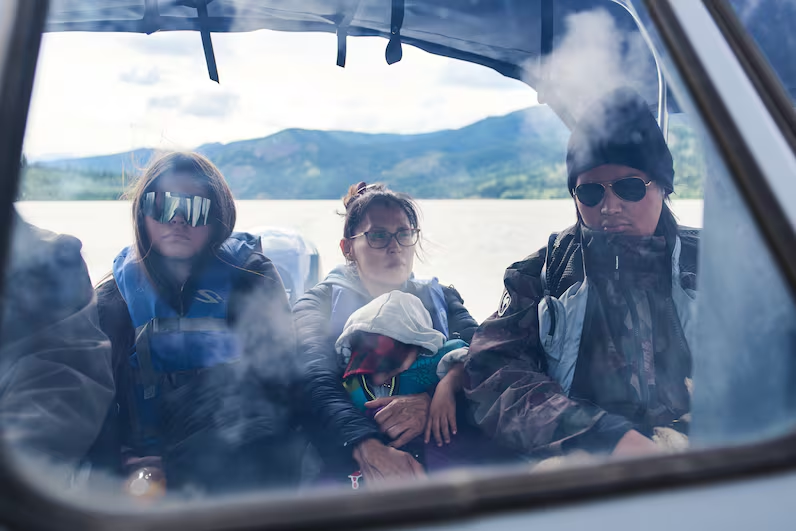
伍兹一家于2026年7月13日星期一,乘船从阿拉斯加兰帕特沿育空河向费尔班克斯航行。
The Woods family travels by boat along the Yukon River from Rampart, Alaska, toward Fairbanks on Monday, July 13, 2026.
当鳕鱼拖网渔船在近海作业时,他们自身捕捞的限制难以接受。"你真的会生气。为什么只有我们要承担这个负担?"布鲁克的母亲珍妮特·伍兹说道。
Restrictions on their own harvest are difficult to accept when pollock trawlers are fishing offshore. "You really get angry. Why are we the only ones that have to take the burden?" said Brooke's mother, Janet Woods.
兰帕特镇没有杂货店,前往费尔班克斯大约需要五小时的船程和陆路。家人们在出行时会囤积物资,长期依赖捕鱼和狩猎来填满冰箱。
Rampart has no grocery store, and reaching Fairbanks takes about five hours by boat and road. Families stock up when they travel and have long relied on fishing and hunting to fill their freezers.
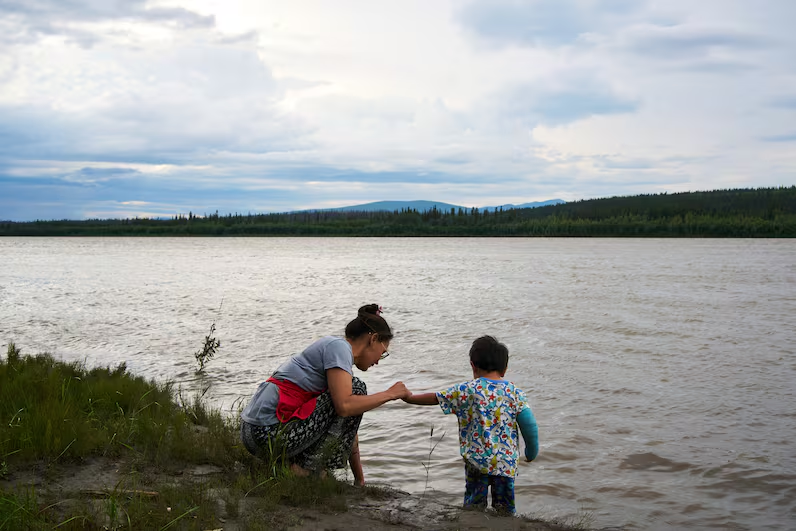
布鲁克·伍兹和她的儿子刘易斯·托马斯于2026年7月11日星期六,在阿拉斯加兰帕特的育空河中玩耍。
Brooke Woods and her son Lewis Thomas play in the Yukon River in Rampart, Alaska on Saturday, July 11, 2026.
管理部门今年夏天短暂开放了兰帕特附近的狗牙鲑捕捞,但仅限于使用选择性渔具,如抄网和滩网。伍兹家没有这些设备。
Managers briefly opened chum fishing around Rampart this summer, but only with selective gear such as dip nets and beach seines. The Woods family didn't have that equipment.
您回顾历史时会发现,他们曾试图摧毁我们,"珍妮特说。"他们夺走了我们的语言、我们的仪式,现在又夺走我们的文化,而我们一直在为保住所剩无几的东西而奋斗。" 在近海捕获的鲑鱼并非全部来自阿拉斯加,北太平洋各地的鱼类在白令海混合,因此拖网渔网中捕获的一条鲑鱼可能来自阿拉斯加西部、太平洋西北地区,甚至远至俄罗斯或日本。
"You think back in history how they tried to destroy us," Janet said. "Taking our language, our ceremonies, and now our culture, and it's been forever a fight for us just to hang on to what very little we have." Salmon caught offshore do not all come from Alaska Fish from across the North Pacific mix in the Bering Sea, so a salmon caught in a trawl net could have come from western Alaska, the Pacific Northwest or as far away as Russia or Japan.
美国国家海洋和大气管理局(NOAA)长期利用基因检测追踪鲑鱼副渔获物。自2024年起,布里斯托尔湾科学与研究所也从夏季到秋季每周发布一次银鲑副渔获量估算,以便渔船更快了解阿拉斯加西部鲑鱼的出现情况。
NOAA has long used genetic testing to trace salmon bycatch. Since 2024, the Bristol Bay Science and Research Institute has also produced weekly chum bycatch estimates from summer to fall to give the fleet faster information about where western Alaska salmon are showing up.
这些结果支持了行业的主要论点之一:鳕鱼拖网渔船捕获的大部分银鲑并非来自阿拉斯加西部。近年来,阿拉斯加西部的银鲑仅占副渔获量的平均约17%,而帝王鲑则约占一半。
The results support one of the industry's main arguments: most chum caught by pollock trawlers are not from western Alaska. In recent years, western Alaska fish made up an average of about 17 per cent of chum and half of Chinook bycatch.
但即使是很小的比例,也可能意味着数以万计的鲑鱼。例如,2021年,阿拉斯加西部的银鲑占副渔获量的9%,相当于超过51,000条鲑鱼,这是根据NOAA的数据得出的结论。
But even a small share can mean tens of thousands of salmon. In 2021, for example, nine per cent of chum bycatch came from western Alaska, which equated to more than 51,000 salmon, according to NOAA.
2月份,在听取了超过170人的证词后,负责制定白令海渔船许多规则的北太平洋渔业管理委员会建议将阿拉斯加西部银鲑的副渔获量上限设为45,000条。批评者认为这一限制过高。
In February, after hearing testimony from more than 170 people, the North Pacific Fishery Management Council, which sets many of the rules for the Bering Sea fleet, recommended a cap of 45,000 western Alaska chum bycatch. Critics said the limit was too high.
鳕鱼在阿拉斯加是一项重要产业。根据NOAA的数据,2024年,白令海和阿拉斯加湾共捕获超过13.6亿公斤鳕鱼,价值约4.32亿美元。
Pollock is big business in Alaska. More than 1.36 billion kilograms were landed from the Bering Sea and Gulf of Alaska in 2024, worth about $432 million, according to NOAA.
虽然渔业为阿拉斯加提供了数千个就业岗位,但批评者指出,大部分经济利益流向了州外,许多最大的渔船属于西雅图地区的公司所有。
While the fishery supports thousands of Alaska jobs, critics note most of the economic benefit flows outside the state, with many of the largest vessels owned by Seattle-area companies.
我们正在尝试玩这种平衡游戏,既要帮助保护西阿拉斯加鲑鱼以供自给自足的社区使用,又要维持“一个非常有价值的经济渔业”,阿比·达菲如是说,她管理着不列颠湾研究所在荷兰港的遗传学实验室。
"We're trying to play this balancing game" between helping conserve western Alaska salmon for subsistence communities and maintaining "a very valuable economic fishery," said Abby Duffy, who manages the Bristol Bay institute's genetics lab in Dutch Harbor.
拖网捕捞的争议不仅仅关乎河流。小型商业比目鱼和螃蟹渔民以及包船运营商也表达了与育空地区相同的抱怨。他们也面临着捕捞限额的缩减和关闭,因为鱼类资源在减少,而底层拖网渔船仍然继续捕获这两种物种作为副渔获物。
Fight over trawling not just about rivers Small commercial halibut and crab fishers as well as charter operators have echoed the grievances heard along the Yukon. They too have faced shrinking catch limits and closures as stocks decline, while groundfish trawlers continue to catch both species as bycatch.
根据北太平洋渔业管理委员会的数据,仅在2025年,阿拉斯加拖网渔业就丢弃了约44,000公吨的副渔获物。这大约相当于100架满载的波音747-8飞机的重量。
In 2025 alone, Alaska trawl fisheries discarded some 44,000 metric tonnes of bycatch, according to the North Pacific Fishery Management Council. That's roughly equivalent to 100 fully loaded Boeing 747-8s.
“这让人非常沮丧,”琳达·贝恩肯如是说,她是一名商业渔民,也是阿拉斯加延绳钓渔民协会的执行董事。但她表示,更大的担忧是拖网捕捞对海底造成的影响。“栖息地的破坏确实非常隐蔽且持久,”她说。
"It's extremely frustrating," said Linda Behnken, a commercial fisher and executive director of the Alaska Longline Fishermen's Association. But the larger concern, she said, is what trawling does to the seafloor. "The habitat damage is really insidious and long lasting," she said.
鳕鱼船使用的是中层或表层拖网,这种拖网的设计是为了在水柱中作业,而不是像底拖网那样沿着海底作业。但鳕鱼经常靠近海底游动,因此网具会对海底造成相当大的接触。这种接触在美联社记者乘坐“进步”号渔船(F/V Progress)的旅行中得到了体现——塔纳蟹和篮星(生活在海底的动物)被渔网带了上来。
Pollock vessels use pelagic, or midwater, trawls that are designed to fish in the water column rather than along the seafloor the way bottom trawls do. But pollock often swim close to the seafloor, so the nets make substantial bottom contact. That contact was evident during the AP's trip aboard the F/V Progress, when Tanner crabs and basket stars — animals that live on the seafloor — came up in the net.
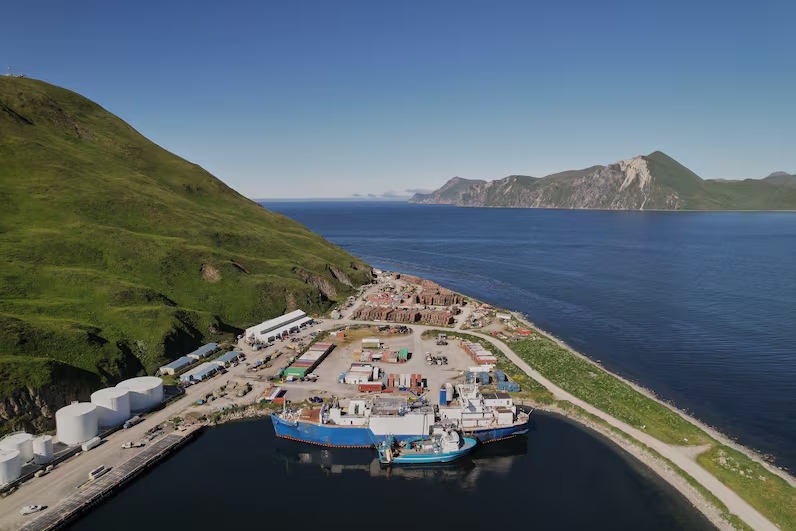
“进步”号渔船(前景)于2026年7月24日星期五在阿拉斯加荷兰港将其捕获物运送到一艘加工船上。
The F/V Progress, front, delivers its catch to a processing vessel in Dutch Harbor, Alaska on Friday, July 24, 2026.
与此同时,一些用于禁止底拖网捕捞以保护珊瑚、海绵、螃蟹和其他海洋生物的区域,对表层拖网渔船仍然开放。
Meanwhile, some of the same areas that are closed to bottom trawling for the protection of coral, sponges, crab and other marine life are open to pelagic trawlers.
“因此,他们在这些相同的区域进行拖捕,这完全违背了这些海洋保护区的初衷,”奥希安娜组织的渔业运动主管本·恩蒂克纳普如是说。
"So they're dragging in the same areas, defeating the whole purpose of these habitat conservation areas," said Ben Enticknap, fisheries campaign director at Oceana.
挫败感蔓延至渔业会议之外 反对拖网捕捞的情绪吸引了民主党人、共和党人、商业渔民和运动渔民,以及阿拉斯加原住民社区 — — 这些群体在资源辩论中很少站在同一边。
Frustration spreads beyond fisheries meetings Anti-trawl sentiment has attracted Democrats, Republicans, commercial and sport fishers, and Alaska Native communities — constituencies that don't often line up on the same side of resource debates.
阿拉斯加州长选举中,至少一半的原始候选人对拖网捕捞或副渔获物持批评态度,跨越政治光谱的竞争者们呼吁实施更严格的限制。州长对联邦渔业政策具有重大影响力,拥有提名北太平洋理事会七个任命投票席位中五席的权力。几位州长候选人明确表示将利用这些任命权,将理事会从拖网利益中转移出来。
At least half the original candidates in Alaska's crowded governor's race took positions critical of trawling or bycatch as contenders across the political spectrum called for tighter restrictions. The governor has significant influence over federal fisheries policy with the power to nominate five of the North Pacific council's seven appointed voting seats. Several gubernatorial candidates campaigned specifically on using those appointments to shift the council away from trawl interests.
在美国参议院选举中,民主党人玛丽·佩尔托拉呼吁终止大型工厂拖网渔船,而共和党参议员丹·沙利文则提出立法,旨在减少副渔获物并将拖网渔具从海底移开。
In the U.S. Senate race, Democrat Mary Peltola has called for an end to large factory trawlers, while Republican Sen. Dan Sullivan has introduced legislation aimed at reducing bycatch and keeping trawl gear off the seafloor.
回到白令海,布莱克船长继续为鳕鱼作业。在育空河,伍兹家族的船只仍系留在河岸。
Back in the Bering Sea, Captain Blake kept fishing for pollock. Along the Yukon, the Woods family's boat remained tied to the bank.
布莱克希望他的儿子有一天能和他一起在拖网渔船上作业。布鲁克·伍兹希望她的儿子有一天能和她一起撒下鲑鱼网。
Blake hopes his son will one day fish beside him on the trawler. Brooke Woods hopes her son will one day set a salmon net with her.
“我很害怕,不知道自己是否还能像母亲、祖母和父母那样,把同样的知识传承下去,”伍兹说。“我听长者说,如果我们失去了鲑鱼,那就意味着同化已经成功了。”
"It's frightening for me to not know if I'll be able to pass on the same knowledge that my mother, grandmother and parents had," Woods said. "I've heard elders say that if we lose our salmon, that assimilation has worked."