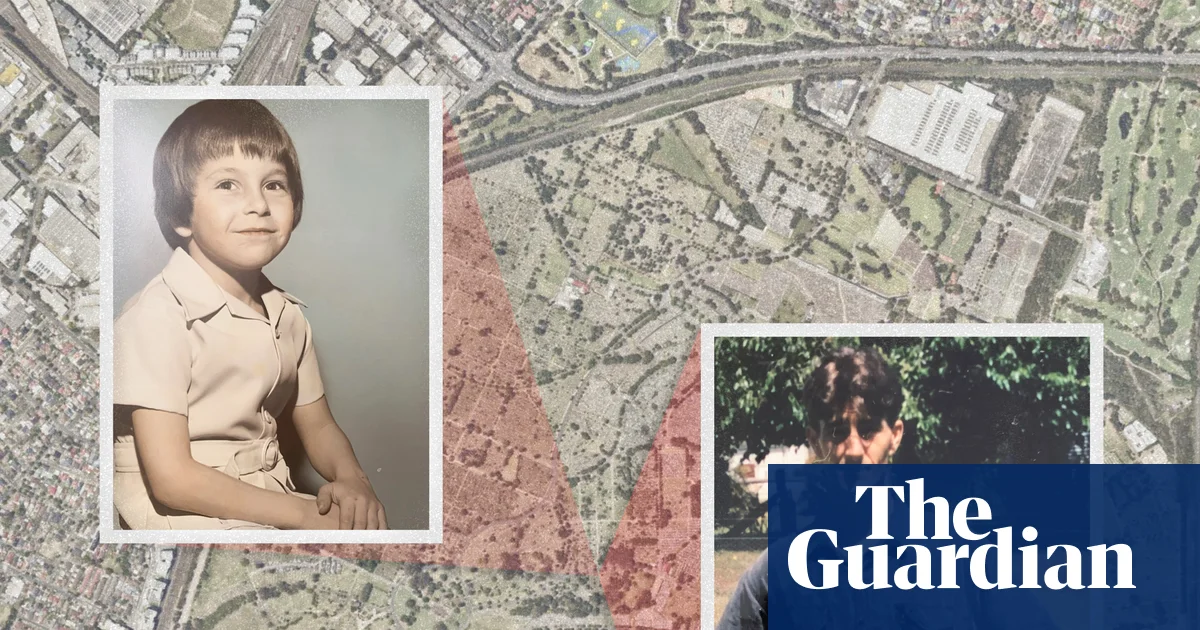
罗杰·戴维斯与四名陌生人一起被埋葬在一个公共墓地。他的家人从未得到通知。
Roger Davies was buried in a communal plot with four strangers. His family were never notified.
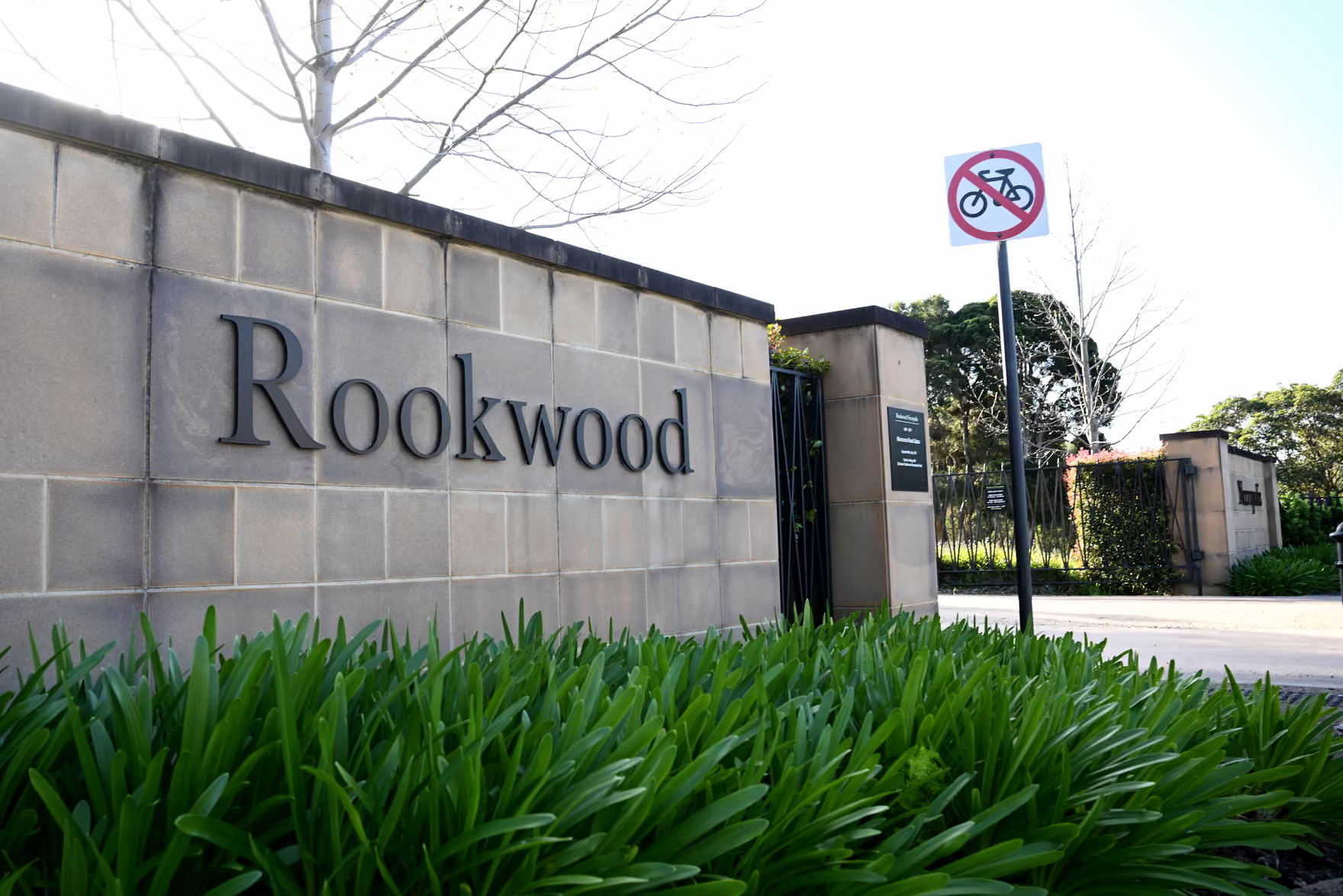
复合:卫报设计 在罗克伍德墓园一个安静的角落,一条草地小径蜿蜒于两排旧墓碑之间。这个地方没有什么显眼之处。草坪被保持得整齐修剪。
Composite: Guardian Design In a quiet corner of Rookwood cemetery, a grassed walkway meanders between two rows of old headstones. There’s nothing conspicuous about the spot. The grass is kept freshly trimmed.
没有任何标志提醒路人远离这片绿地,也没有任何迹象表明地下可能埋藏着什么。
There is no sign to warn passersby to keep off the long stretch of green, and nothing to suggest what might lay beneath.
2015年10月,就在此时此地,罗杰·戴维斯和另外四人被新南威尔士州政府安葬在一个公共墓穴中。这四名陌生人被认定无力承担自己的葬礼费用,这一认定使得州政府承担起了他们遗骸的责任。
In October 2015, at this very spot, Roger Davies and four others were buried in a communal plot by the New South Wales government. The four strangers were deemed unable to afford their own funeral, a designation that gave the state responsibility for their remains.
两年前,《卫报》曾报道过戴维斯——一名流浪汉,他的尸体在悉尼一座废弃的房屋中被遗忘了三年,直至2015年才被发现。
Two years ago the Guardian reported on Davies– a rough sleeper whose body lay forgotten in an abandoned house in Sydney for three years before it was discovered in 2015.
他是我们《寒冬中的流浪者》调查中的一个关键案例,他的故事揭露了当局的多项失职。
He was a key case study in our Out in the Cold investigation and his story exposed several failings by authorities.
戴维斯的家人在他遗体被发现后超过两年内,既未收到警方的通知,也未收到州政府的任何消息。
Davies’ family were told nothing of his death for more than two years after his body was found, neither by police nor by the state government.
尸检显示,他在去世前不久曾有九根肋骨骨折,但尽管有此发现,警方记录显示,警方认为“没有可疑情况的证据”,并认定他死于过量服药。记录中也没有发现他身边有任何毒品用具。
A postmortem found he had sustained fractures to nine ribs about the time of his death but, despite this, police records show officers formed the opinion there was “no evidence of suspicious circumstances” and decided he had overdosed. There was no record of drug paraphernalia being found with him.
新南威尔士州政府曾在2013年承诺,将停止将无家可归者埋葬在无标记墓穴中的做法。
The NSW government promised to stop the practice of burying homeless people in unmarked graves in 2013.
照片:丹·欣布雷希特/AAP 警方知道戴维斯来自阿德莱德,并掌握他兄弟姐妹的姓名和出生日期,但文件显示,他们直到2017年11月20日才首次致电南澳大利亚州的同事,寻求家庭联系方式。
Photograph: Dan Himbrechts/AAP Police knew Davies was from Adelaide and had the names and dates of birth of his brother and sister, but documents suggest they first called their counterparts in South Australia seeking a family contact number on 20 November 2017.
“他被安葬在一个贫民墓中,是在我们得知他去世之前……甚至在我们知道他已经去世之前,”戴维斯的妹妹尚特尔·杜布斯基当时对《卫报》说道。杜布斯基不知道她哥哥被埋在哪里。
“He had been put in a pauper’s grave by the time we found out … before we even found out that he was deceased,” Davies’ sister Chantel Dubsky told the Guardian at the time. Dubsky had no idea where her brother had been buried.
“从来没有得到安慰,今后也永远不会有安慰,”她说。“直到现在,在你面前,也没有人关心过。”今年,作为《卫报》无名墓地调查的一部分,他们在悉尼西部的罗克伍德墓地找到了戴维斯的最终安息之地。
“There was no closure, there’s never going to be any closure,” she said. “And up until now with you, there’s no one who’s cared.”This year, as part of the Unmarked graves investigation the Guardian found Davies’ final resting place – at Rookwood Cemetery in western Sydney.
尽管政府在2013年承诺会这样做,但政府并没有标记他的墓穴,也没有标记同一片草地上许多其他人的墓穴。我们在墓地的在线登记册中找到了他的埋葬记录。
The government didn’t mark his grave, or the many others along the same stretch of grass, despite a 2013 promise that it would do so. We found his burial record in the cemetery’s online registry.
他的幸存家人从未被告知他埋在那里,也没有被告知他与另外四人一起被埋葬。戴维斯本不该被安葬在这个合葬墓中。
His surviving family were never told he was there nor that he had been buried with four others. Davies should not have been placed in the communal grave.
新南威尔士州政府本应尽其所能寻找逝者的亲属、朋友和相关组织,以确认他们是否愿意自费或众筹为逝者进行火葬或安葬。
The NSW government is supposed to do everything in its power to find relatives, friends and organisations associated with the deceased, to check whether they wanted to pay for or crowdfund for a cremation or burial.
他的姐姐目前在阿德莱德健康平安。新南威尔士州警方曾从戴维斯的遗骸中检测到DNA匹配,确认了他的身份。但她只有在他被埋葬后才得知他的命运。
His sister is alive and well in Adelaide. Police in NSW had found a DNA match from Davies’ remains, confirming his identity. But she only learned of his fate after he was buried.
“我们本来会让他火化,然后把骨灰带回阿德莱德,”她说。“我们甚至没有得到这个机会。为什么?
“We would have had him cremated and brought back to Adelaide,” she says. “We weren’t even given that opportunity. Why?
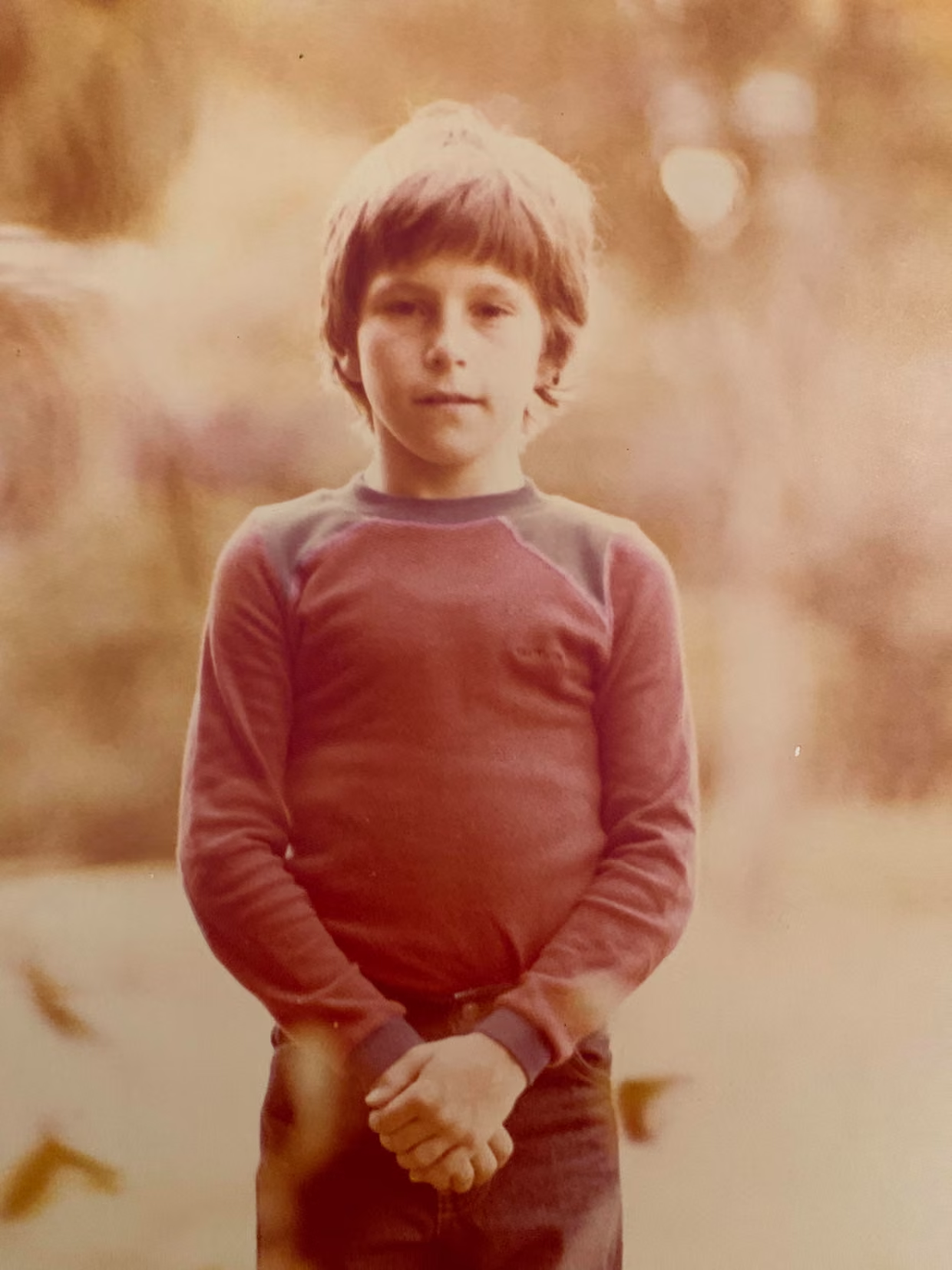
照片:提供方“这是无法言说的。他本来就不该在那里。他应该有机会和他母亲、祖父母以及他所爱的人一起安葬在他在阿德莱德的家中。”他的两个儿子——詹姆斯,18岁,和卢卡斯-约瑟夫,15岁——表示,他们被剥夺了了解叔叔罗杰的机会,因为他被拒绝提供安全住房,并在露宿街头时过早去世。
Photograph: Supplied“It’s unspeakable. He shouldn’t be there in the first place. He should have had the opportunity to be laid to rest with his mother, his grandparents and the people he loved, at his home in Adelaide.”Her two sons – James, 18, and Lucas-Jòsef, 15 – say they were robbed of an opportunity to get to know their uncle Roger because he was denied safe housing and died a premature death while sleeping rough.
现在他们正面对着这样一个事实的冲击:一州政府竟然把他埋在了一个无标记的合葬墓里。这种失职并非孤立事件。
Now they are dealing with the shock of realising that a state government has buried him in an unmarked communal grave. This failing is not isolated.
澳大利亚卫报三个月的调查发现,新南威尔士州当局反复未能为死者的朋友、家人及其关联组织提供适当机会来资助安葬或火化,而是将他们送入无标记的集体墓穴。
A three-month investigation by Guardian Australia has found repeated instances of NSW authorities failing to give friends, family and organisations associated with the deceased the proper chance to fund a burial or cremation. It has instead sent them into communal unmarked graves.
集体墓穴地图 通过无家可归者工作者的证词、对墓地登记册的分析以及卫星影像,卫报确认自2016年以来,至少有18名悉尼无家可归服务机构的客户被安葬在这些墓穴中。该领域的负责人表示,他们未被给予介入并支付费用的机会。
Communal graves map Using evidence from homelessness workers, analysis of cemetery registries and satellite imagery, the Guardian has established that at least 18 clients of Sydney homelessness services have been put in the graves since 2016. Leaders within the sector say they were not given the opportunity to intervene and pay.
“该领域从未被告知这一做法,”一位无家可归者服务机构经理表示。“脑海中浮现的词语是:邪恶的、中世纪的、不可接受的。这些人在生命终点理应得到与我自己或我所爱之人同等的尊严与关怀。”戴维斯是圣文森特·德·保罗协会马修·塔博特宿舍(位于伍伦莫卢)的客户。在他2015年的案例中,新南威尔士州警察负责寻找其亲属。
“The sector has never been made aware of this practice,” one homelessness service manager says. “Words that come to mind are diabolical, medieval, unacceptable. These people deserve the same dignity and care at their end of life that I would expect for myself or my loved ones.”Davies was a client of St Vincent de Paul Society’s Mathew Talbot Hostel in Woolloomooloo. In his case in 2015, NSW police held responsibility for finding next of kin.
警察发言人表示,他们在戴维斯去世后多次尝试联系其几位家庭成员,但未果,因为“当时该男子家庭成员的个人信息并未更新”。
A spokesperson for the police said they made repeated attempts to contact several of Davies’ family members after his death but could not because “the personal details for the man’s family were not current at the time”.
“2015年8月,一份贫困安葬表格被提交至新南威尔士州验尸官办公室并被接受[],该男子的遗骸由此安葬,”警察发言人称。
“In August 2015, a destitute burial form was submitted to the NSW Coroner’s office which was accepted [and] the man’s remains were laid to rest,” a police spokesperson said.
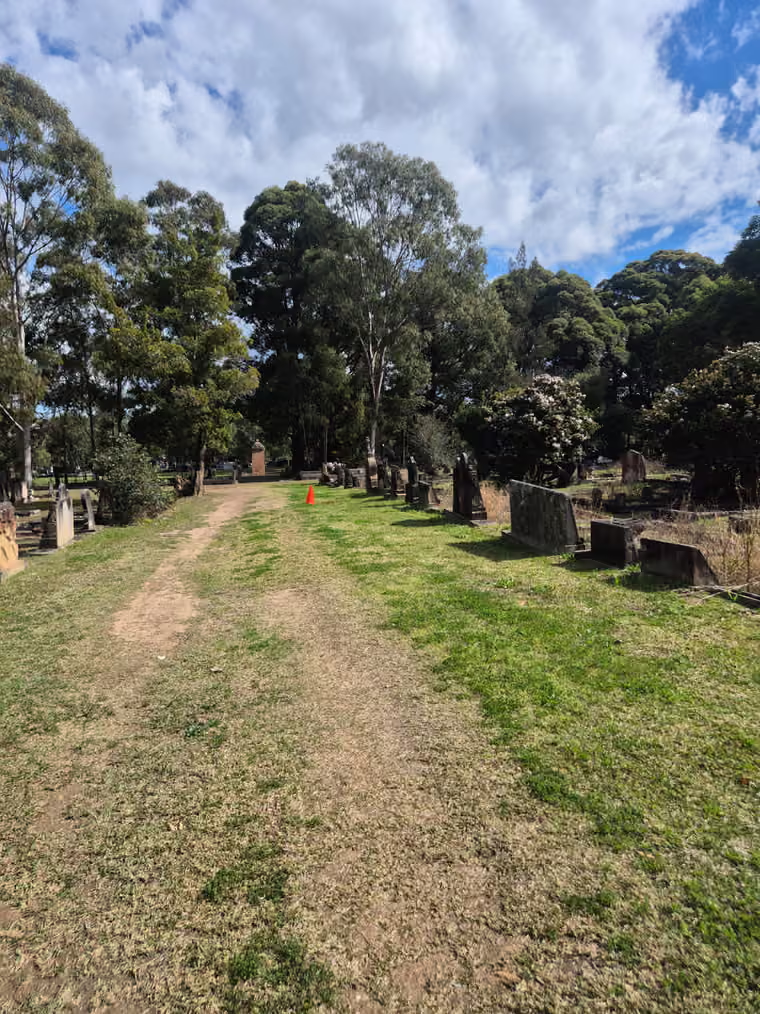
“2017年11月,警察收到了该男子近亲的更新联系方式,随后将其死讯告知了他们。”悉尼罗克伍德公墓的一片草地区域,罗杰·戴维斯于2015年被葬于此处的无标记墓穴中。无标记墓穴位于图像右侧草地区域之下,介于步道与旧墓碑之间。
“In November 2017, police received updated contact information for the man’s next of kin and they were subsequently informed of his death.”A grassed area in Rookwood Cemetery in Sydney, where Roger Davies was buried in an unmarked grave in 2015. The unmarked graves are beneath the grassed area to the right of the image, between the walkway and the old headstones.
新南威尔士州卫生部门如今负责贫困安葬流程,根据死亡情况,可通过其地方卫生区或病理团队进行操作。
NSW Health is now responsible for the destitute burial process, either through its local health districts or pathology team, depending on the circumstances of the death.
卫生工作者有时仍会在进行贫困埋葬程序之前,让警方参与寻找与死者有关的家人、朋友和组织的工作。
Health workers will sometimes still involve police in the effort to find family, friends and organisations associated with the deceased before going through with the destitute burial process.
维多利亚州现在有了更有效的寻找亲属的方法,这些方法依赖于DNA采样和国际家谱数据库的结合使用。该州不使用公共或无名墓地。
Victoria new and more effective means of finding relatives are available, which rely on a combination of DNA sampling and the use of international genealogy databases. The state does not use communal or unmarked graves.
维多利亚州法医医学研究所分子生物学实验室经理达德娜·哈特曼博士表示,该所设有专门团队,负责处理人类遗骸身份无法确认或无法寻找直系亲属的案件。
Dr Dadna Hartman, the manager of the molecular biology laboratory at the Victorian Institute of Forensic Medicine, says it has a dedicated team for working on cases in which the identity of human remains cannot be confirmed or when a next of kin cannot be found.
该工作组包括与警方合作的DNA专家和其他法医专家,他们首先收集法医证据,并对州和国家数据库进行DNA比对。
The working group, including DNA experts and other forensic specialists working with police, first collects forensic evidence and conducts DNA comparisons against state and national databases.
如果仍未匹配成功,他们可以选择一种称为法医侦查遗传家谱学(Figg)的程序,即将未知遗骸的样本与国际直接面向消费者的家谱数据库进行比对,这些数据库被公众用于研究祖先或家谱。
If there is still no match, they can opt for a process known as forensic investigative genetic genealogy (Figg), where the sample from the unknown remains is compared against international direct-to-consumer genealogy databases, which are used by the public to study their ancestry or genealogy.
哈特曼说:“Figg是一种昂贵且资源密集型的调查工具,因此我们只在穷尽所有其他方法、无法再通过其他途径识别这些个体时才考虑使用它。”
“Figg is an expensive, and quite resource intensive investigative tool, so we only consider its application when we’re at the end of the line, when you have done everything you can to identify these individuals,” Hartman says.
“当你已经用尽了所有可能的途径,仍然无法识别这些个体时,这时候你可能会转向Figg。”哈特曼还说,该研究所现在在处理每起案件时都会保留DNA样本,这意味着如果需要进一步分析,样本将被存档。
“Once you’ve exhausted all those avenues, and still can’t identify those individuals, that’s when you may turn to Figg.”Hartman says whenever the institute handles a case, it now keeps a DNA sample, meaning such a sample is on file if further analysis is needed.
但Figg也可能被用于分析并为之前葬于贫民墓地、身份不明的人士提供识别线索。
But Figg could also be used to analyse and develop an identification lead for people previously buried unidentified in paupers’ graves.
在这些情况下,哈特曼说,家人可能希望用能够识别亲人身份的物品来标记墓地,或者将遗骸迁移到其他墓地。
In such cases, Hartman says, families may wish to mark the grave with something that identifies their loved ones or for the remains to be moved to a different plot.
在所谓的“桑迪波因特男子”案件中,另一个利用菲格鉴定出2017年发现的骸骨属于一名1928年溺亡男子的案件中,他的家人感激能让他安息。
In the case of the so-called Sandy Point man, another case that used Figg to identify a skeleton discovered in 2017 as belonging to a man who died from drowning in 1928, his family were grateful to be able to lay him to rest.
杜布斯基记得哥哥心地善良、爱护人。她说他在家庭创伤和退伍后迷失了方向。
Dubsky remembers her brother as kind and protective. She says he lost his way after family trauma and being discharged from the military.
“他不仅仅是个路边的无名小卒,他是某人的儿子,某人的兄弟,”她说。“他是我的兄弟。”
“He wasn’t just someone off the street, he was someone’s son, he was someone’s brother,” she says. “He was my brother.”