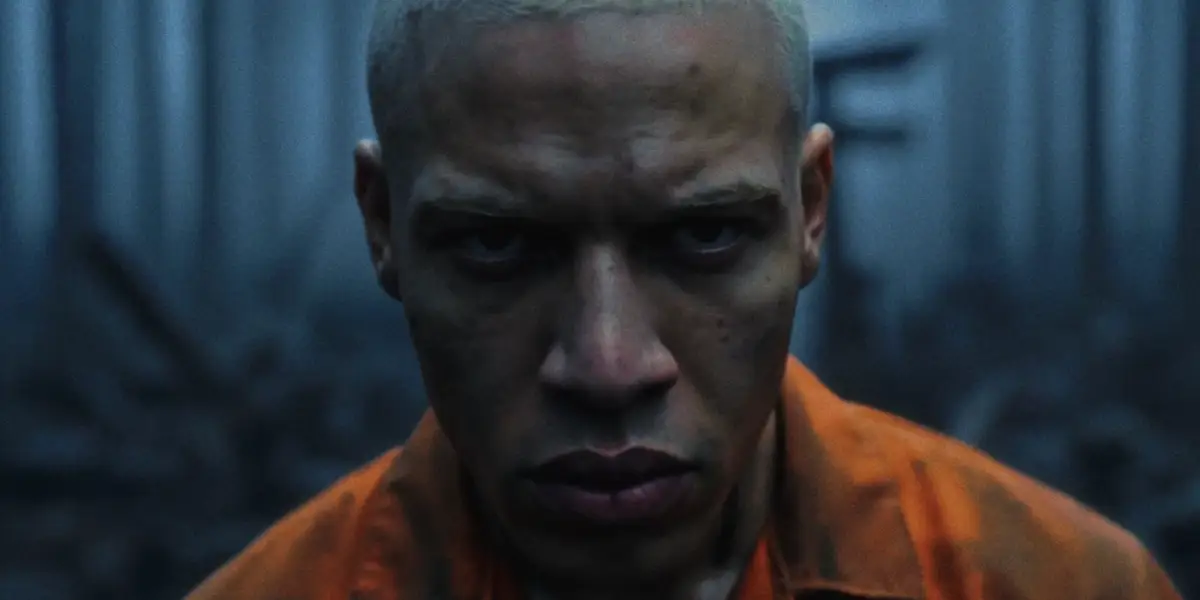
当《弧》的制作团队获得制作短篇叙事系列的批准时,他们尚未有具体概念。然而,三周半后,他们提交了第一集的最终剪辑。这是因为该系列是AI生成的。它不需要人类演员、布景、道具或服装。这部五集科幻动作系列由达林·斯图尔特执导,由AI内容创作者西蒙·费雷蒂担任执行制片人。该系列总时长约83分钟,由Artlist(一个面向视频内容创作者的AI平台)制作并批准。
When the filmmakers behind "The Arc" got approval to create a short narrative series, they didn't yet have a concept. Still, three and a half weeks later, they turned in the final cut of the first episode. That's because the series was AI-generated. It required no human actors, no sets, and no props or costumes. The five-episode sci-fi action series was directed by Darin Stewart and executive produced by Simone Ferretti, an AI content creator. The series, which totals about 83 minutes of runtime, was made with and greenlit by Artlist, an AI platform for video content creators.
故事发生在近未来的美国,讲述了一名被监禁的退伍军人必须通过致命的历史模拟战斗,以换取他垂死儿子的治疗药方。该系列可在Artlist官网免费观看。制作团队表示,该系列由一个小团队制作,并使用了Artlist提供的约38,000美元的AI积分——Artlist是一个订阅平台,用户可在其中访问多种AI图像和视频生成器。
It takes place in a near-future America and follows an incarcerated veteran who must fight his way through deadly historical simulations in order to buy a cure for his dying son. It's available to watch for free on Artlist's website. The filmmakers said the series was made with a small production team and roughly $38,000 in AI credits supplied by Artlist, a subscription platform that gives users access to multiple AI image and video generators in one place.
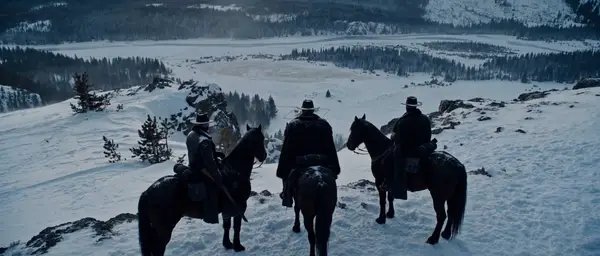
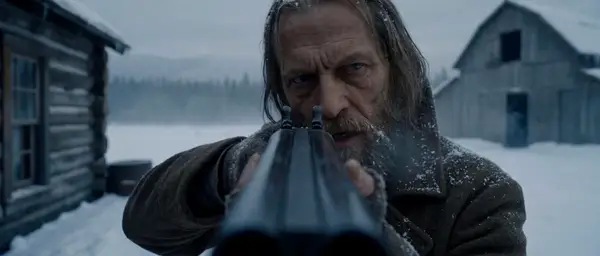
斯图尔特表示,《弧》跨越了多个时间段和场景,这些通常需要巨额预算才能实现。“我们从未获得过预算或机会去日本拍摄战斗场景,”斯图尔特说,他的团队成员均来自传统娱乐行业。借助AI,他们能够在没有通常预算限制的情况下制作1600年代日本和1800年代蒙大拿的场景。斯图尔特表示,“人类构思是从头到尾”的,团队开发了剧情、角色和场景。
"The Arc" spans multiple time periods and settings that would typically require large budgets to pull off. "We've never been given the budget or opportunity to go to Japan and film a battle scene," Stewart said of his production team, all of whom came from traditional entertainment. With AI, he said, they could produce scenes in 1600s Japan and 1800s Montana without the usual budget constraints. Stewart said "human ideation was top to bottom" and that the team developed the storyline, characters, and settings.
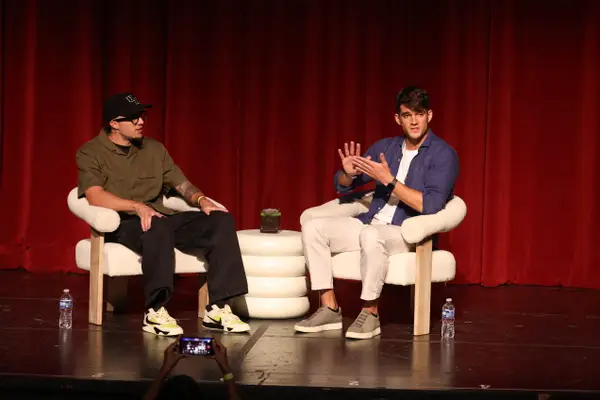
对于每一集,团队会进行10分钟的口头脑力倾倒,概述情节、具体对话和期望的镜头运动。他们将此作为提示输入Anthropic的Claude,几分钟内即可获得可用的剧本,随后进行编辑。他们使用ShotDeck(一个包含电影和电视剧图像的在线库)和Figma(一个设计平台)来制作角色表和情绪板。
For each episode, the team would do a 10-minute verbal brain dump outlining what happens, specific dialogue, and desired camera movements. They'd use that as a prompt for Anthropic's Claude and, within a few minutes, would have a workable script they would then edit. They used ShotDeck, an online library of images from movies and shows, and Figma, a design platform, to make character sheets and mood boards.
斯图尔特表示,这个过程“与传统制作方式非常相似”。他们还使用了诸如谷歌的Nano Banana Pro和GPT Image 2之类的工具来生成图像。第五集的餐厅地板发出白色光芒,这一细节直接受到1968年电影《2001太空漫游》中发光地板的启发。团队还明确指定了他们希望出现在房间中的物体,例如特定的石像或墙上的画作。
Stewart said the process was "pretty similar to traditional production." They also used tools such as Google's Nano Banana Pro and GPT Image 2 to generate images. A dining room in episode five had floors that glowed white, a detail directly inspired by the luminous floors in the 1968 film "2001: A Space Odyssey." The team also specified the objects they wanted in the room, such as a particular stone statue or the paintings that lined the walls.
他们使用Claude作为研究助理,以确定哪些画作符合角色的设定。“细节程度与我们在实际拍摄现场时所做的完全相同,”斯图尔特说。一旦细节确定,场景主要通过Seedance和Kling这两个AI视频生成模型来生成。每集平均消耗约7600美元的AI积分,时长在10到22分钟之间。斯图尔特表示,一个镜头可能需要进行八到十次生成,他们通过先以较低分辨率进行初步生成,只有在达到理想效果后才提升输出质量,从而谨慎使用积分。
They used Claude as a research assistant to determine what paintings would make sense for the character to have. "The level of detail is the same level of detail that we would do if we were physically on set," Stewart said. Once the details were worked out, the scenes were generated primarily using Seedance and Kling, AI video generation models. They averaged about $7,600 in AI credits per episode, with episodes ranging from 10 to 22 minutes. Stewart said that one shot could require eight to 10 generations, and that they used the credits carefully by doing the initial generations at a lower resolution and only increasing the output quality once they had their desired result.
AI在电影制作中已成为好莱坞的争议焦点,一些人认为这项技术威胁到已经难以找到工作的从业者的就业。去年,演员工会SAG-AFTRA谴责了被 branded 为演员的AI生成角色蒂莉·诺伍德,警告AI表演者威胁着演员的生计并贬低人类艺术性。然而,一些行业巨头正在拥抱这项技术。奈飞联合首席执行官泰德·萨兰多斯在7月的财报电话会议上表示,大约有300部作品在其制作流程中某个环节使用了AI。
AI in filmmaking has become a flash point in Hollywood, where some view the technology as a threat to jobs in an industry where many are already struggling to find work. Last year, actors' union SAG-AFTRA condemned Tilly Norwood, an AI-generated character branded as an actor, warning that AI performers threaten actors' livelihoods and devalue human artistry. Still, some industry giants are embracing it. Netflix co-CEO Ted Sarandos said on a July earnings call that roughly 300 of its titles used AI at some point in their workflow.
费雷蒂表示,创作者和电影制作人有许多他们想讲述的故事,但缺乏资金或人脉来实现。AI可能让更多这样的故事得以被讲述,他说。他还表示,AI为电影制作人提供了更多实验和追随创作冲动的机会。
Ferretti said creators and filmmakers have so many stories they'd like to tell but lack the money or connections to get them made. AI could make it so more of those stories get told, he said. He also said AI gives filmmakers more chances to experiment and follow their creative impulses.
在《弧》中,AI使得杀死一个原本未计划杀死的角色成为可能,因为与传统制作不同,这样做不需要在世界另一端进行重拍。斯图尔特表示,如果预算更充足,他们会雇佣更多人来负责制作的各个部分,并补充道:“我们团队的每个人都获得了与在片场相同的全日薪。”他还说,虽然他怀念在片场的团队氛围,但利用AI制作剧集的经历令人兴奋,因为这项技术让他在资源有限的情况下也能实现许多目标。
On "The Arc," AI made it possible to kill off a character they hadn't originally planned to kill because, unlike a traditional production, doing so didn't require reshoots on the other side of the world. With a greater budget, Stewart said they would've hired more people to work on various parts of the production, adding, "Everyone on our team got paid their full day rates the same way they would on set." He also said that while he missed the camaraderie of being on set, the experience of producing a series with AI was exciting because of what the technology allowed him to do with fewer resources.
“对于一直想要制作电影、节目并讲述故事的人来说,这简直是最棒的感觉,”他说。该系列剧曾在伦敦和洛杉矶进行过线下放映,电影制作人正在努力让更多观众看到它。斯图尔特表示,他希望通过AI电影制作达到这样的境地——“大众消费者能够欣赏其中的艺术与故事,而不必在意它究竟是如何制作的。”
"For someone who's always wanted to make films and shows and tell stories, it's just the best feeling ever," he said. The series has had in-person screenings in London and Los Angeles, and the filmmakers are working on getting it in front of more audiences. Stewart said he wants to get to a place with AI filmmaking where "mass consumers appreciate the art and the story and don't care exactly how it was made."