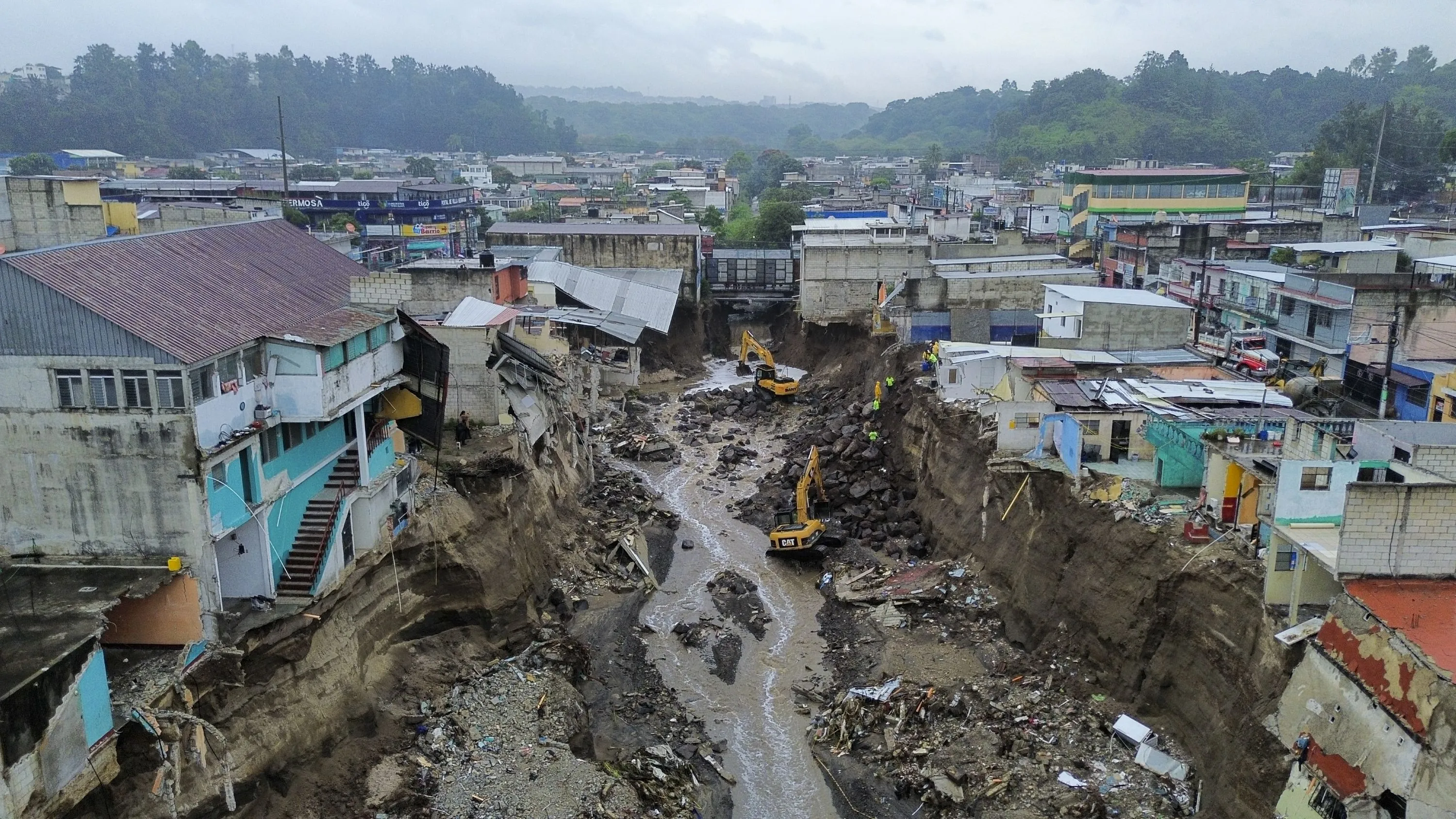
热带太平洋已经持续数月积聚热量,因为一场“超级”厄尔尼诺正在形成。
The tropical Pacific has seen heat build for months as a “super” El Niño takes shape.
厄尔尼诺是一种每隔几年就会出现一次的气候现象,今年的厄尔尼诺正以每日破纪录的速度发展,预计今冬将达到前所未有的强度。虽然厄尔尼诺的特征是东部热带太平洋海水温度高于正常水平,但它是一个全球性问题。
A climate phenomenon that forms every few years, this year’s iteration of El Niño has been on a tear of daily records and is forecast to reach unprecedented strength this winter. While it’s characterized by hotter-than-normal waters in the eastern tropical Pacific, El Niño is a global problem.
人们自然会想知道另一个全球性问题——由燃烧化石燃料驱动的气候变化——如何与厄尔尼诺相互作用。虽然气候变暖导致厄尔尼诺更热似乎是理所当然的,但印第安纳大学气候研究员克里斯托弗·卡拉汉表示:“我对正在发生的事情有更多的问题,而不是反应。”换句话说,这种关系仍然是活跃研究的领域——而今年的事件可能提供关键的见解。
It’s fair to wonder how another global problem is interacting with El Niño: climate change, driven by burning fossil fuels. While a hotter climate begetting a hotter El Niño might seem like a done deal, “I have more questions than I have reactions” to what’s happening, says Christopher Callahan, a climate researcher at Indiana University. In other words, the relationship is still an area of active research—and this year’s event could provide vital insights.
厄尔尼诺带来的额外海洋热量影响大气,导致全球天气模式发生变化。可以把它想象成多米诺骨牌效应,其中一块骨牌的倒下会引发连锁反应。太平洋中如此巨大的热量注入,对大气的影响更像是一次猛烈的推动,而不是轻微的弹拨,由此导致的天气变化预计将具有世代性的强度。
El Niño’s added ocean heat affects the atmosphere causing weather patterns around the world shift. Consider it kind of like a domino run, where one tile starts a chain reaction. Such a major slug of heat in the Pacific will act more like a shove then a light flick on the atmosphere, and the resulting shifts in weather expected to be generationally intense.
美国国家海洋和大气管理局(NOAA)预测,从现在到12月出现极强厄尔尼诺的概率为100%,且该状态持续到2月的概率超过80%。数据显示,此次厄尔尼诺已经创下多项历史最高日热记录,包括最近一次达到3.4摄氏度的峰值。
The US National Oceanic and Atmospheric Administration is forecasting 100 percent odds of an extremely strong El Niño through December, and above 80 percent odds it stays that way through February. Data shows this El Niño has already set multiple all-time daily heat records including a recent peak of 3.4 degrees Celsius.
NOAA发布的厄尔尼诺预测基于三个月的滚动平均值,该机构预测,从10月到12月期间,热量可能达到正常水平以上2.7摄氏度。(虽然超过3摄氏度的可能性不能完全排除。)如果预测成真,这将打破之前由1982-1983年事件保持的2.4摄氏度纪录。气候变化如何影响厄尔尼诺?
NOAA issues its El Niño forecast as a three-month rolling average, and the agency predicts heat could peak at 2.7 degrees Celsius above normal for the period from October to December. (It’s not out of the question heat could surpass 3 degrees Celsius, though.) If the forecast holds true, it would smash the previous record of 2.4 degrees Celsius, which was set during the 1982-1983 event. How Is Climate Change Impacting El Niño?
越来越多的证据表明,气候变化很可能在影响厄尔尼诺现象方面至少发挥了一定作用。墨西哥国立自治大学气候变化研究项目协调员弗朗西斯科·埃斯特拉达表示,过去60年里,厄尔尼诺现象的强度和频率都有所增加,其变异性以及全球影响的分布方式也随之发生了变化。他认为,不应将争论框架设定为“自然厄尔尼诺”与“由气候变化引发的厄尔尼诺”之间的二选一,而应视为两种过程的相互作用。
There is a growing body of evidence that climate change is likely playing at least some role in influencing El Niño. The magnitude and frequency of the phenomenon has increased over the past 60 years, says Francisco Estrada, coordinator of the Climate Change Research Program at the National Autonomous University of Mexico, and so has the variability and how the effects are distributed around the world. He says there shouldn’t be a debate framed as a choice between a “natural El Niño” and an “El Niño caused by climate change,” but rather as an interaction between the two processes.
“厄尔尼诺无法与全球变暖分离——它们是密不可分的,”他解释道。
“You can’t separate El Niño from global warming—they’re inextricably linked,” he explains.
建模也表明,随着地球变暖,厄尔尼诺现象可能会增强,尽管卡拉汉指出,许多模型在准确表示东部热带太平洋长期温度趋势方面仍存在困难。这在一定程度上会让研究者有所犹豫,但也有其他证据表明气候变化正在“加强”厄尔尼诺。
Modeling also indicates that El Niño is likely to strengthen as the planet warms, though Callahan notes that many models struggle to accurately represent long-term temperature trends in the eastern tropical Pacific. That in part can give researchers some pause, but there’s also other evidence climate change is juicing El Niño.
“大多数气候模型表明,在变暖的气候中,厄尔尼诺的幅度将增加;而我们所有的古气候记录都表明,目前我们正处于比过去几千年更活跃的厄尔尼诺时期,”卡拉汉说。
“The majority of climate models say that El Nino amplitude shall go up in a warming climate, and all of our paleoclimate records say that we're currently in a more active period of El Niño than the last several 1,000 years,” Callahan says.
8月发表的一项研究利用古珊瑚收集的数据,为卡拉汉所提及的1000年视角提供了依据。(他未参与该研究。)科学家们发现,厄尔尼诺幅度出现上升,这一趋势与人类开始向大气中排放温室气体的时间点高度吻合,尽管他们并未试图将这一转变归因于气候变化。
Research published in August uses data collected from ancient coral provides that 1,000-year glimpse Callahan mentions. (He wasn’t involved with the study.) The scientists found an uptick in El Niño amplitude that neatly mirrors when humans started pumping greenhouse gases into the atmosphere, though they didn’t attempt to attribute the shift to climate change.
今年的厄尔尼诺现象将为研究者提供另一个数据点,以帮助他们进一步厘清情况。厄尔尼诺如何影响气候变化?
This year’s El Niño will provide another data point to help researchers suss things out. How Is El Niño Impacting Climate Change?
但正如卡拉汉所指出的,还有一个重要问题:厄尔尼诺如何在气候变化的基础上叠加产生影响。
But as Callahan notes, there’s also an important question about how El Niño is layering on top of climate change.
即使气候变化本身并未使事件变得更强,即使[海面温度]异常完全是自然现象,但在全球变暖导致气候已发生改变的背景下,这些海面温度的存在仍可能产生前所未有的影响,”他说。
“Even if climate change has not made the event itself stronger, even if the [sea surface temperature] anomalies are totally natural, the presence of those SSTs in a climate that has been changed by global warming might produce unprecedented impacts,” he says.
厄尔尼诺对天气的影响——即所谓的远距离联系(teleconnections)——早已为人所知,从增加亚马逊和印度尼西亚发生干旱的概率,到增强美国西南部的降水,再到降低大西洋飓风发生的概率。
El Niño’s impacts on weather—known as teleconnections—are well known, from increasing the odds of drought in the Amazon and Indonesia, to juicing precipitation in the Southwest US and lowering the odds of Atlantic hurricanes.
尽管这种极端事件叠加在气候变化之上,并不意味着远距离联系会被推翻。事实上,其中一些可能变得更加剧烈。
Such an extreme event layered on top of climate change doesn’t mean teleconnections get thrown out the window, though. In fact, some of them may be even more intense.
“我们不再能像以前那样,完全依赖过去收集的数据来判断厄尔尼诺在全球不同地区如何影响天气和气候,”埃斯特拉达说。
“We can no longer place as much confidence in the knowledge we’ve gathered from data regarding how El Niño manifests in terms of weather and climate in different parts of the planet,” says Estrada.
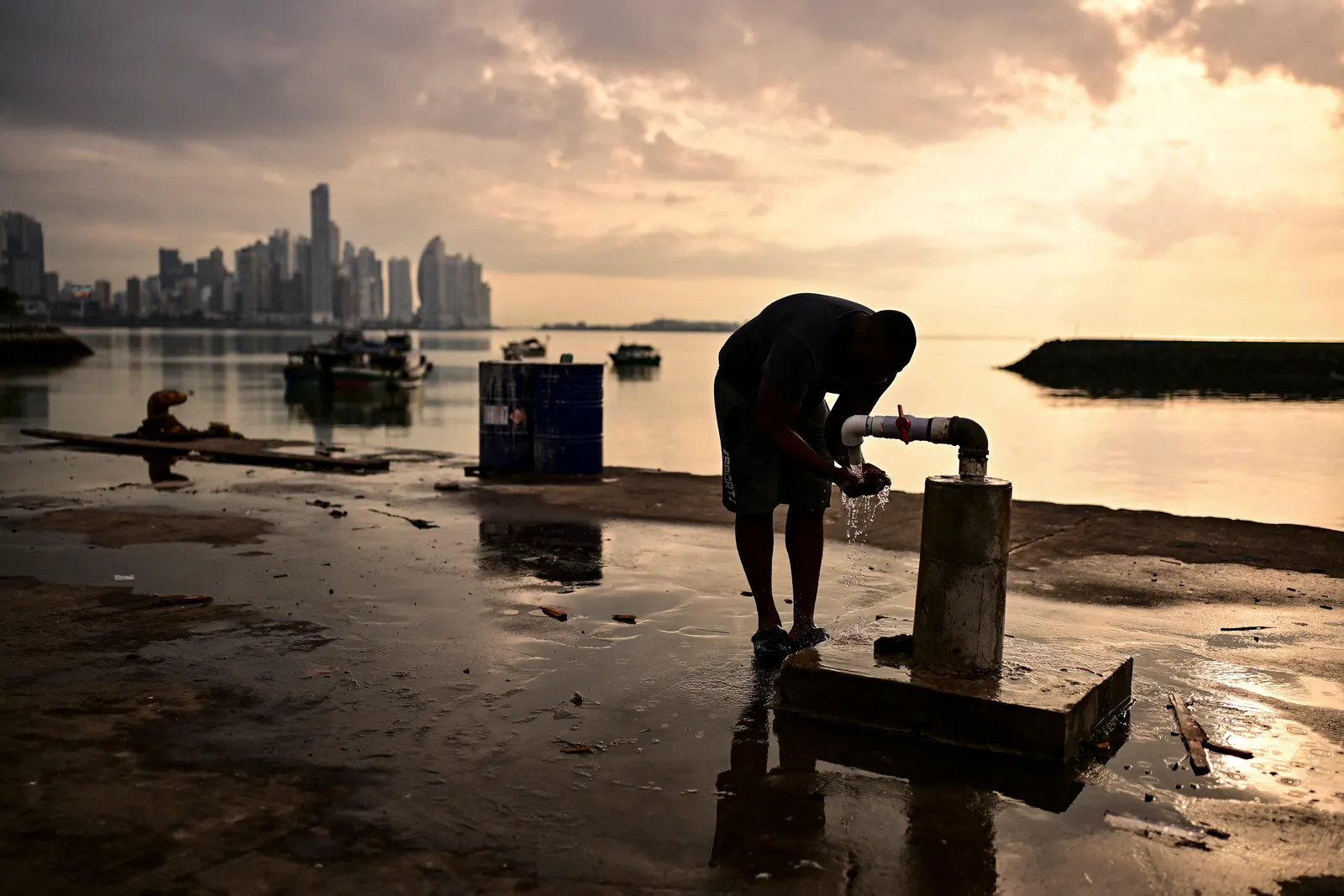
厄尔尼诺对气候风险的意义 从风险角度来看,埃斯特拉达认为,理解这两种现象如何相互作用以及它们的组合将如何影响社会至关重要。
What El Niño Means for Climate Risk From a risk perspective, Estrada believes it’s important to understand how the two phenomena interact and how that combination will affect societies.
他和卡拉汉的主要关注点不仅仅是这次厄尔尼诺是否会成为有记录以来最强的,而是这种特殊事件与已经显著变暖的气候相结合所可能带来的后果。
He and Callahan’s main concern is not merely whether this El Niño will be the most intense on record, but rather the combination of an exceptional event with a climate that has warmed significantly.
“在风险管理中,意外是你最不希望看到的事情,”埃斯特拉达说。
“Surprises are the last thing you want when you’re trying to manage risk,” Estrada says.
卡拉汉的研究表明,厄尔尼诺对社会的影响极其严重,最严重的事件会导致全球GDP损失数万亿美元。生态系统也受到严重冲击,尤其是珊瑚礁,正面临大规模白化事件。
Callahan’s work shows that the impacts of El Niño on society are extreme, with the most severe events knocking off trillions of dollars from the global GDP. Ecosystems also suffer greatly, particularly coral reefs, which are facing a mass bleaching event.
鉴于此情形,联合国及其他国际组织已呼吁采取紧急适应措施,以保护易受威胁人群和生态系统的福祉。一些地区已经开始行动:加利福尼亚州上个月就主动宣布进入紧急状态。
Given this scenario, the United Nations and other international organizations have called for urgent adaptation measures to safeguard the well-being of the at-risk populations and ecosystems. Some places are already doing that: California preemptively declared a state emergency last month.
“厄尔尼诺现象将为变暖的世界火上浇油。其影响将更加猛烈、蔓延更远,并以毁灭性的速度跨越国界,”联合国秘书长安东尼奥·古特雷斯上月表示。
“El Niño conditions will pour fuel on the fire of a warming world. Impacts will hit even harder, travel even farther, and cross borders with devastating speed,” UN Secretary-General António Guterres said last month.