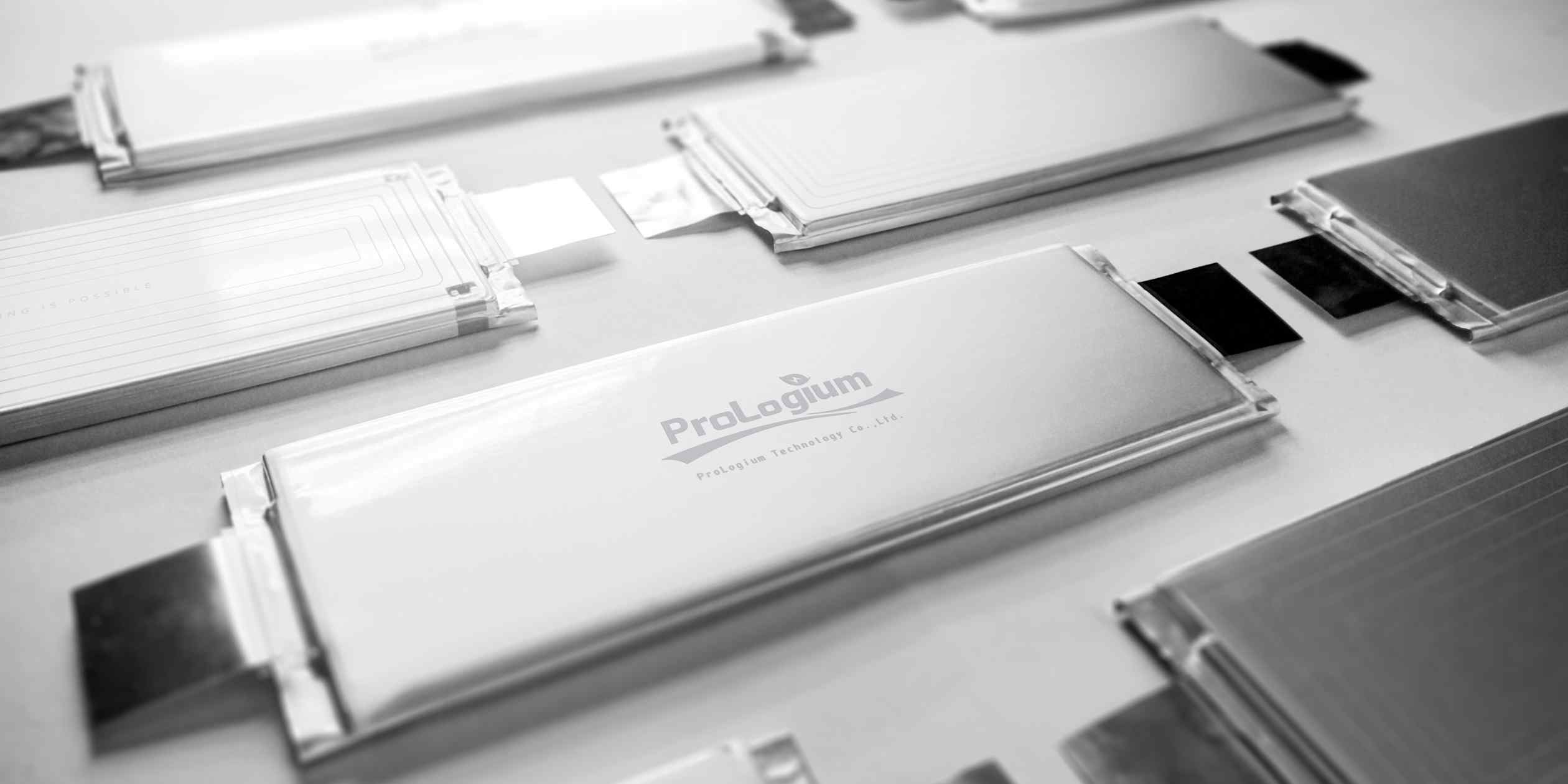
东京 -- 台湾的ProLogium及其他全固态电池制造商 -- 长期以来被视为潜在的下一代电动汽车动力源 -- 正因电动汽车需求增长放缓和成本高企,将目光转向人工智能等非汽车领域。
TOKYO -- Taiwan's ProLogium and other makers of all-solid-state batteries -- long seen as a potential next-generation electric vehicle power source -- are shifting their gaze to non-automotive sectors like artificial intelligence, spurred by sluggish EV demand growth and high costs.
固态电池用固态材料取代传统锂离子电池中的液态电解质,离子通过该固态材料移动,使其比当前的锂离子电池更具防火性。它们还具有更高的潜在能量密度,使得相同尺寸的电池能够提供更大的容量和输出。
Solid-state batteries replace the liquid electrolyte used in conventional lithium-ion batteries with a solid material through which ions move, making them more fire resistant than today's lithium-ion batteries. They also offer higher potential energy density, allowing batteries of the same size to deliver greater capacity and output.
固态电池在电子元件和工业机器人中的小规模量产始于2020年左右,但该技术的主要目标一直是汽车应用,尤其是电动汽车。
Mass production of small solid-state batteries for electronic components and industrial robots began around 2020, but the technology's main target has always been automotive applications, particularly EVs.
尽管全球汽车制造商和电池制造商一直在竞相商业化该技术,但情况可能正在发生变化。
Though global automakers and battery manufacturers have been racing to commercialize the technology, the situation may be changing.
台湾固态电池制造商ProLogium Technology的首席执行官杨文胜表示,电动汽车电池市场的竞争日益激烈。他补充说,到2032年,公司50%的销售额预计将来自非汽车应用。
Competition in the EV battery market is increasingly intense, said Vincent Yang, CEO of Taiwan-based solid-state battery manufacturer ProLogium Technology. He added that by 2032, 50% of the company's sales are expected to come from non-automotive applications.
ProLogium在台湾的工厂。该公司还计划在法国建设一座工厂。(ProLogium)ProLogium的支持者包括梅赛德斯-奔驰集团和日本九州电力。该公司于2024年在台湾开始汽车电池的量产,并计划早在今年就在美国上市。
A ProLogium plant in Taiwan. The company also plans to build a factory in France. (ProLogium) ProLogium's backers include Mercedes-Benz Group and Japan's Kyushu Electric Power. It began mass production of automotive batteries in Taiwan in 2024 and plans to go public in the U.S. as early as this year.
该公司计划在法国新建一座工厂,投资52亿欧元(约58.2亿美元),使全球年产能提升至最高14吉瓦时。
The company intends to invest 5.2 billion euros ($5.82 billion) in a new factory in France, boosting global production capacity to as much as 14 gigawatt-hours annually by 2032.
原本预计该产能的大部分将用于汽车电池。但杨文胜表示,汽车应用将仅占60%,剩余40%将分配给其他用途。
The bulk of that capacity had been expected to focus on automotive batteries. But Yang said automotive applications would account for only 60%, with the remaining 40% allocated to other uses.
第一个目标是数据中心,生成式人工智能的兴起推动了对固态电池作为应急电源的需求。由于固态电池输出功率高且不易起火,公司认为这些电池可以安装在服务器附近,并计划在2028年左右开始销售。
The first target is data centers, where the rise of generative AI has created demand for solid-state batteries as emergency power sources. Because they offer high output and are less prone to fires, the company thinks the batteries can be installed near servers and aims to begin sales around 2028.
ProLogium也在拓展航空航天领域。6月,该公司与荷兰初创企业Elysian Aircraft(该公司专注于开发电动飞机)启动了合作研究,旨在为能够飞行约1000公里的飞机开发电池。此外,在无人机领域,公司预计将通过其他合作伙伴关系,在2027年左右开始部署其电池。杨表示,非汽车应用通常能够获得更高的售价。
ProLogium also is expanding into aerospace. In June, it launched research with Elysian Aircraft, a Dutch startup that develops electric aircraft, on batteries for planes capable of flying roughly 1,000 kilometers. And in the unmanned aircraft field, the company expects to begin deploying its batteries around 2027 through other partnerships. Non-automotive applications generally command higher prices, Yang said.
这一多元化推进源于电动汽车市场增长速度低于最初预期。自2025年9月底特朗普政府终止购车补贴计划以来,美国的电动汽车销量一直在下降。
The diversification push stems from the EV market growing more slowly than originally anticipated. EV sales in the U.S. have fallen since President Donald Trump's administration ended purchase subsidy programs at the end of September 2025.
传统锂离子电池成本的下降进一步加大了压力。中国制造商占全球市场约70%,他们正在扩大产能,而电池性能也在稳步提升,这使得固态电池替代品的竞争更加激烈。
The falling cost of conventional lithium-ion batteries adds more pressure. Chinese manufacturers, which hold about 70% of the global market, have expanded production while battery performance has steadily improved, tightening the competition for solid-state alternatives.
国际能源署报告称,2025年锂离子电池的平均价格较五年前下降了40%(按千瓦时计)。在汽车应用中,制造商越来越倾向于采用使用更少稀有金属、成本更低的电池。
The average price of lithium-ion batteries in 2025 was down 40% on a per-kilowatt-hour basis from five years before, the International Energy Agency reports. In automotive applications, manufacturers have increasingly adopted lower-cost batteries that use fewer rare metals.
固态电池的生产需要在设施上进行巨额投资,而关键材料如固态电解质仍然昂贵。制造成本估计是锂离子电池的几倍,这一差距可能难以缩小。制造商正在培育新兴市场,在这些市场中,客户更愿意支付溢价。
Solid-state batteries require massive investment in production facilities, while key materials such as solid electrolytes remain expensive. Manufacturing costs are estimated to be several times higher than those of lithium-ion batteries, a gap that may prove difficult to narrow. Manufacturers are cultivating new markets where customers are more willing to pay premium prices.
其他固态电池制造商正在将目光投向汽车领域之外。总部位于美国的QuantumScape公司与大众汽车和本田汽车建立了合作伙伴关系,今年早些时候宣布进军非汽车市场。该公司今年夏天成立了面向数据中心以及航空和国防应用的业务单元。日产是多家正在研发固态电池技术的日本汽车制造商之一。
Other solid-state battery makers are looking beyond the automotive sector. U.S.-based QuantumScape, which has partnered with Volkswagen and Honda Motor, announced its entry into non-automotive markets earlier this year. It established units for data centers and for aviation and defense applications this summer. Nissan is one of several Japanese automakers developing solid-state battery technology.
日本企业长期在固态电池技术方面保持领先优势,该技术可根据电解质大致分为基于硫化物的系统和基于氧化物的系统。
Japanese companies have long held a technological edge in solid-state batteries, which can be broadly divided by electrolyte into sulfide-based and oxide-based systems.
成本较低的基于氧化物的电池已经由日本TDK等公司供应用于电子元件及其他应用。而基于硫化物的电池在容量和充电性能方面具有优势,是日本汽车制造商商业化工作的重点。
Lower-cost oxide-based batteries already are supplied by companies like Japan's TDK for electronic components and other applications. Sulfide-based batteries, which offer advantages in capacity and charging performance, are the focus of Japanese automakers' commercialization efforts.
丰田汽车正与能源公司出光兴产、住友金属矿山等公司合作,力争在2027年或2028年实现搭载固态电池的电动汽车商业化。日产汽车也在开发面向2028财年实现大规模生产的制造技术。但高成本可能会限制其初期仅在少数超高端车型上应用。
Toyota Motor is working with energy company Idemitsu Kosan, Sumitomo Metal Mining and others to commercialize EVs equipped with solid-state batteries by 2027 or 2028. Nissan Motor is also developing manufacturing technologies aimed at mass production in fiscal 2028. But high costs are likely to limit initial deployment to a small number of ultra-premium vehicle models.
市场研究机构富士经济集团报告称,全球固态电池产能预计将在2030年达到24吉瓦时,是2024年水平的六倍。但即便如此,也仅相当于锂离子电池总需求的几个百分点。"即使固态电池实现商业化部署,要实现市场份额超过10%的广泛应用,仍需降低电解质成本并实现其他改进,"名古屋大学访问教授佐藤升表示。"最早可能出现这种情况的时间是在2035年之后。"
Global solid-state battery production capacity is expected to reach 24 GWh by 2030, six times the 2024 level, market research firm Fuji Keizai Group reports. But that would still amount to only a few percent of total lithium-ion battery demand. "Even if solid-state batteries achieve commercial deployment, widespread adoption with a market share exceeding 10% will require lower electrolyte costs and other improvements," said Noboru Sato, a visiting professor at Nagoya University. "The earliest that is likely to happen is after 2035."