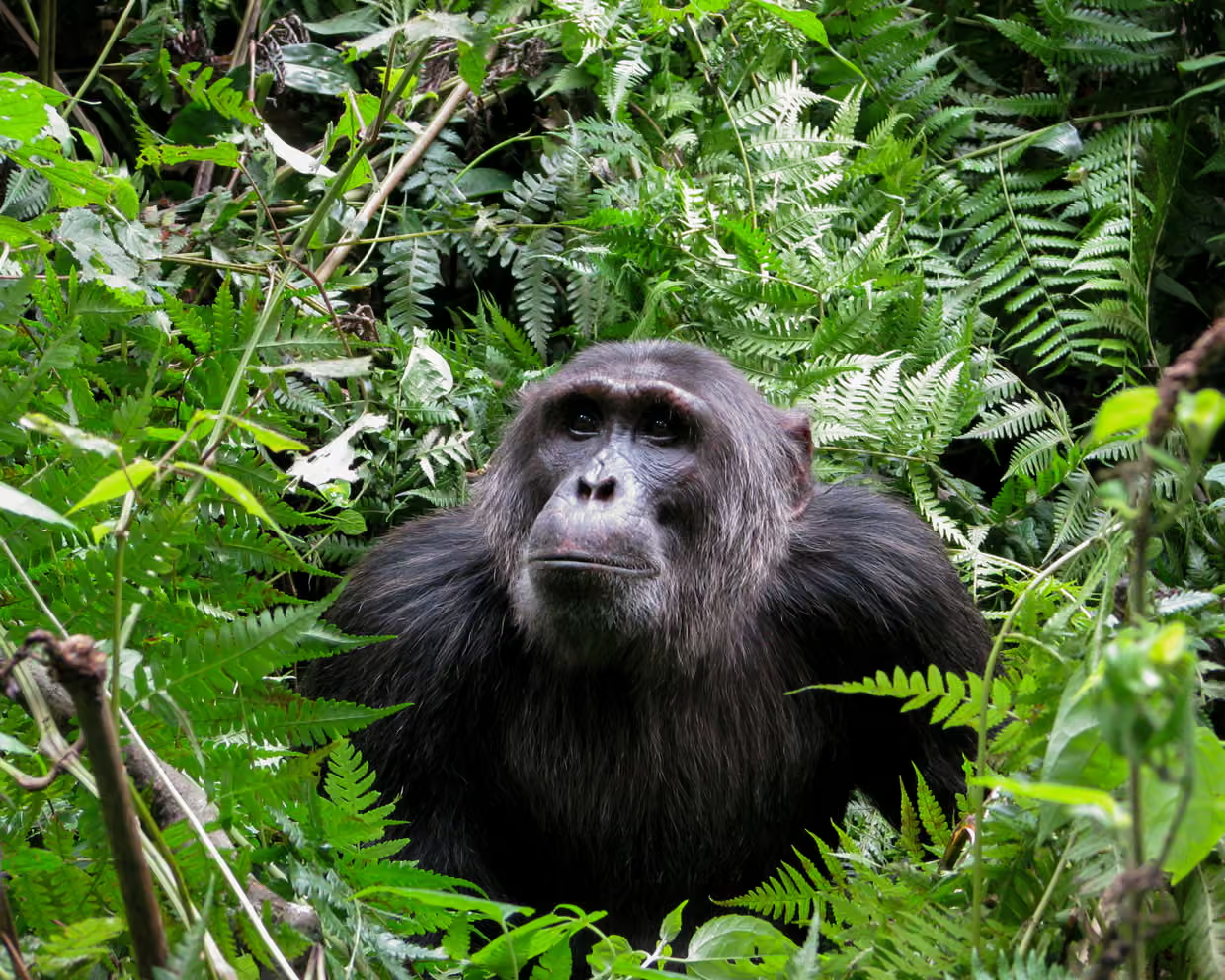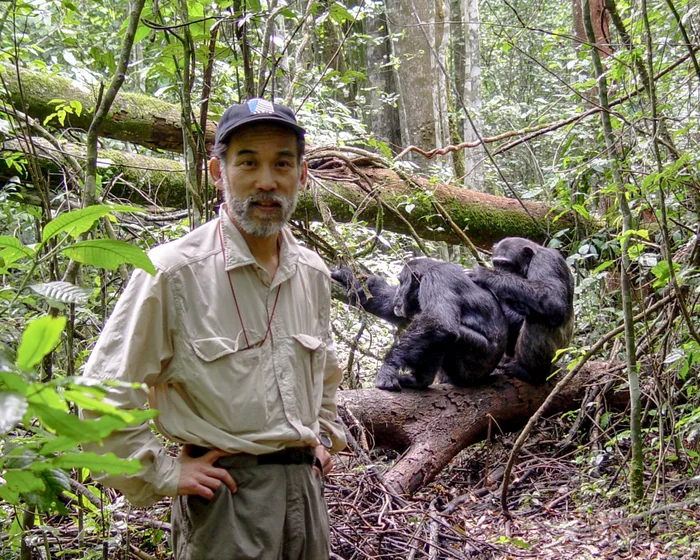
约翰·米塔尼多年致力于研究乌干达一个庞大的黑猩猩社群。但随后情况出现了戏剧性转折——他的研究结果震惊了整个科学界。约翰·米塔尼仍能清晰记得自己第一次踏入乌干达基巴莱国家公园的情景。原始东非热带雨林笼罩着他,树冠高达40米。果树因非洲星苹果和丰盛的无花果而低垂。随后,他看到了黑猩猩。毛茸茸的黑色身影在丛林中穿梭,它们的尖叫声常常震耳欲聋。
John Mitani spent years studying a huge community of chimpanzees in Uganda. But then things took a dark turn – and his findings stunned the scientific world John Mitani can still remember the first time he set foot in Uganda’s Kibale national park. The old-growth east African rainforest enveloped him, its canopy stretching to heights of 40 metres. Fruit trees bowed under the weight of African star apples and bountiful figs. And then there were the chimpanzees. Furry black blobs darted through the jungle, their raucous calls often deafening.
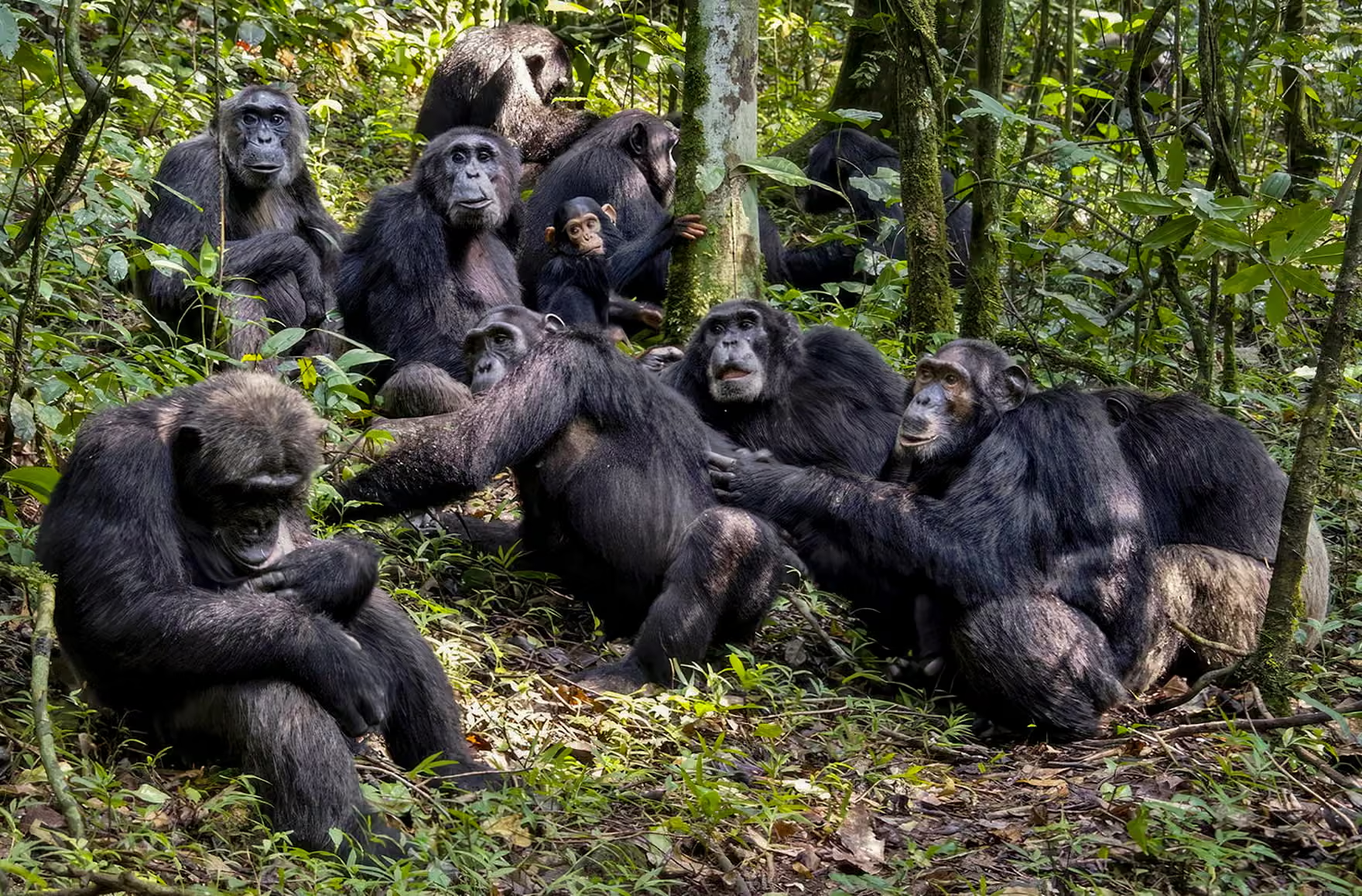
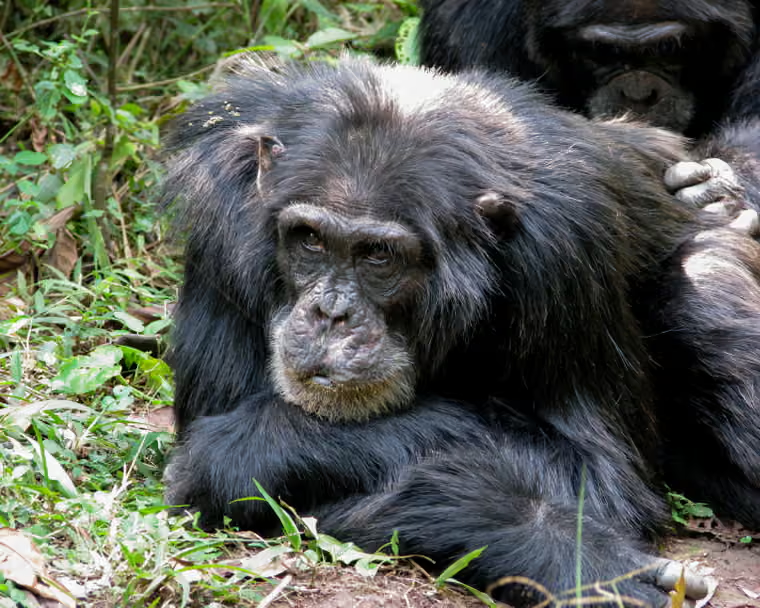
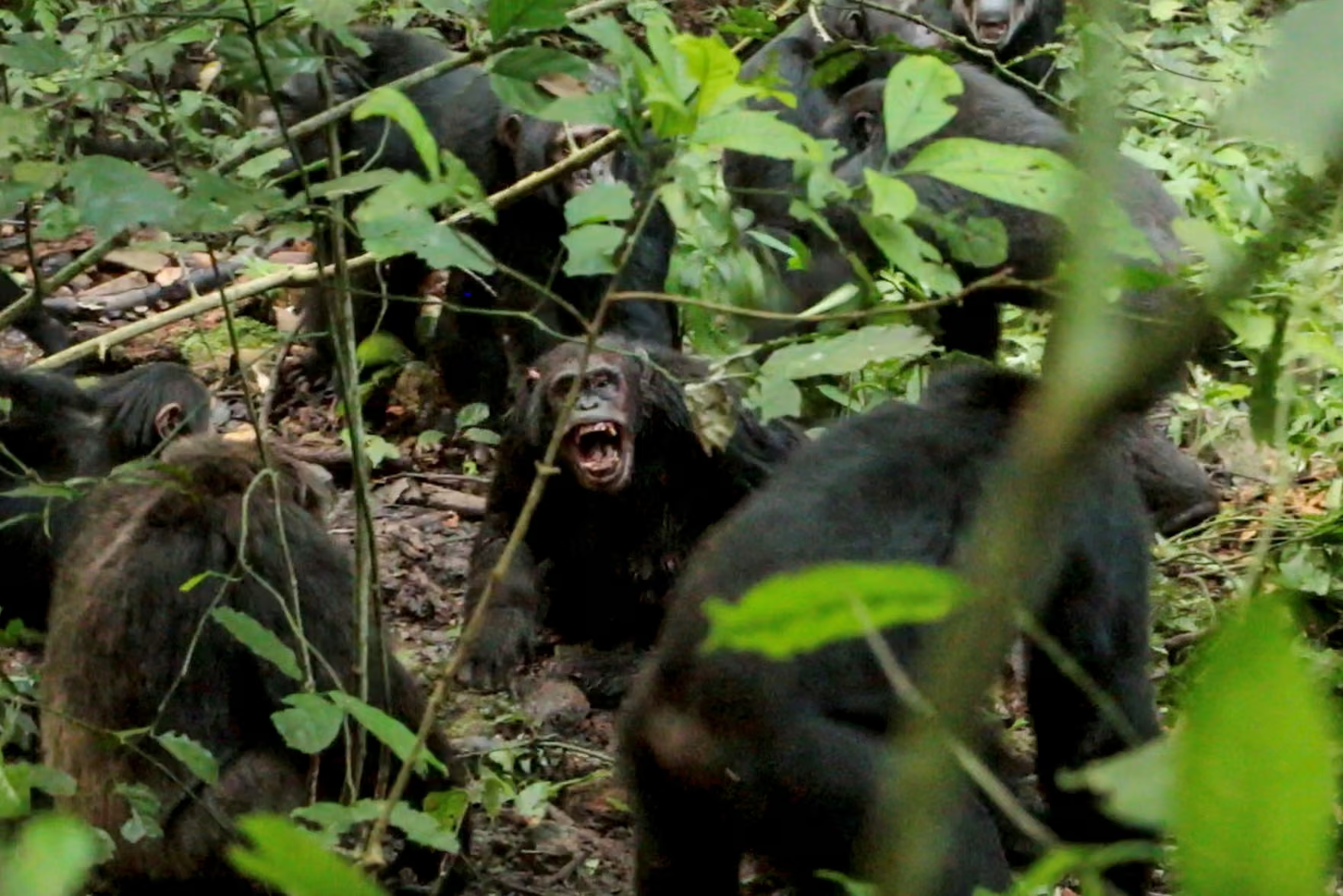
那是1995年的夏天,米塔尼,一位来自美国北加利福尼亚的灵长类学家,刚刚结束在坦桑尼亚马哈莱山脉研究黑猩猩的工作。当时,马哈莱山脉是已知规模最大的黑猩猩种群栖息地,约有100只个体。但有传言称,基巴莱这一地区——仅可通过从首都坎帕拉出发的12小时车程到达——可能孕育着更为罕见的猿类密度。
It was the summer of 1995, and Mitani, a primatologist from northern California, had just come from working with the chimps living in the Mahale mountains of Tanzania. At the time, Mahale was home to the largest known population of chimps, with about 100 individuals. But there were rumours that this section of Kibale – only accessible via a 12-hour drive from the capital, Kampala – might host an even more unusual abundance of apes.