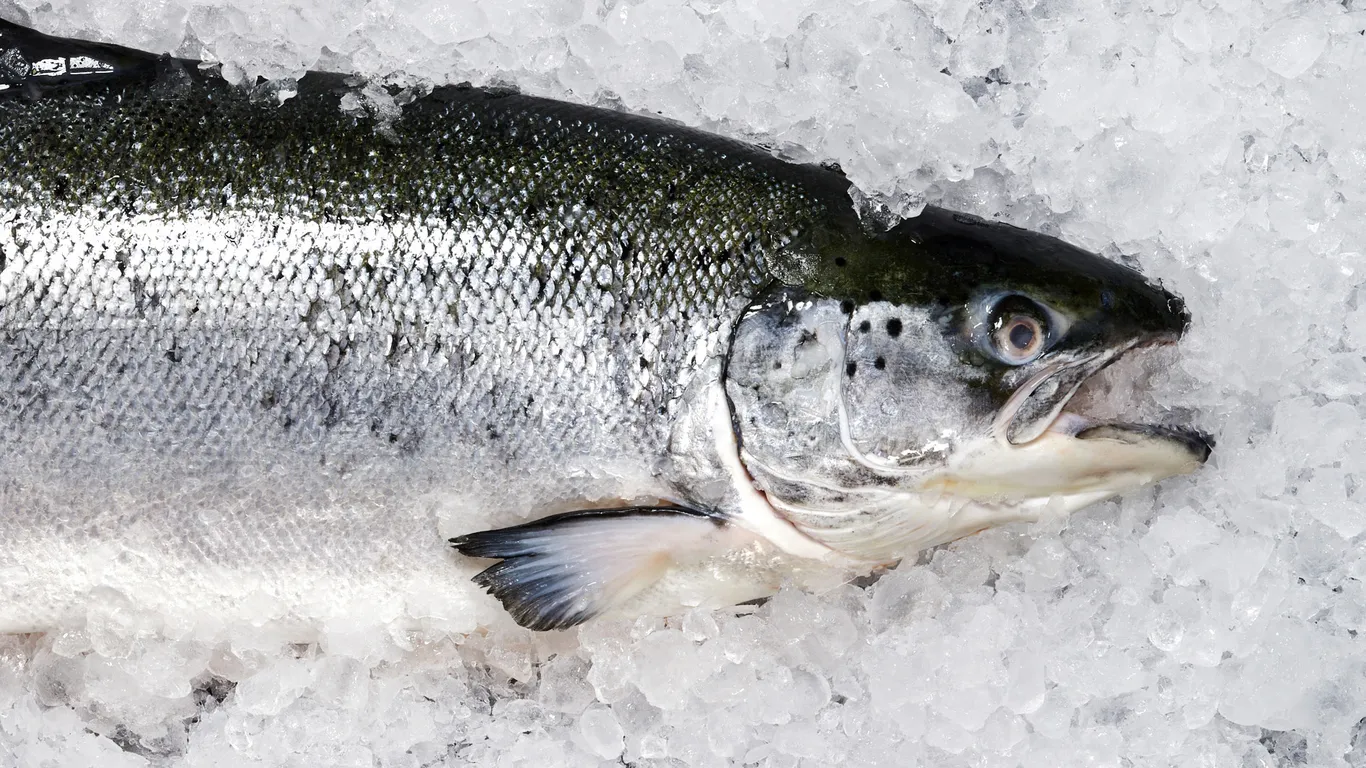
伊恩·乌尔比纳 — 曾任《纽约时报》记者,现运营新闻非营利组织“海上无法项目”(The Outlaw Ocean Project) — 正在揭晓一项历时五年、超过70名记者参与的调查,该调查发现你盘中的海鲜可能源自“强迫劳动、腐败废弃物、有害化学品”。 “灵感来源于想深入探究一个特别不透明的供应链 — — 海鲜 — — 的隐藏部分,揭露所有先于我们食物而存在的隐藏罪行或问题,” 乌尔比纳告诉我说。他目前居住在华盛顿。
Ian Urbina — a former New York Times reporter who now runs a journalism nonprofit, The Outlaw Ocean Project — is unveiling a five-year, 70+-reporter investigation that found the seafood on your plate can be downstream from "forced labor, rancid waste, harmful chemicals." "The inspiration was to delve deeper into the hidden portion of an especially opaque supply chain — seafood — and reveal all the hidden crimes or concerns that precede our food," Urbina, who's based in Washington, told me. Why it matters: Urbina told Axios that he hopes the seafood industry "will begin being more transparent and accountable about their supply chains."
为何重要:乌尔比纳对Axios表示,他希望海鲜行业“能够开始在供应链方面更加透明和负责。” 他希望食客和购物者“能够更多地思考海鲜的价格不仅仅是我们在菜单上看到的那样。” 他还希望发达国家的政府“正视他们如何将成本主要转嫁给[发展中]国家。” 关键发现:在过去60年里,我们食用的鱼类数量翻了一番,乌尔比纳在《纽约时报》杂志上发表题为《你所吃的养殖鱼背后的肮脏秘密》(附赠链接)的报道中如此报告。
He wants diners and shoppers to "think more about how the price of seafood isn't [solely] what we see on the menu." And he wants governments of advanced economies to "reckon with how they are offsetting costs largely onto [developing] countries." Key findings: Over the past 60 years, the amount of fish we eat has doubled, Urbina reports for The New York Times Magazine in a piece titled, "The Dirty Secret Behind the Farmed Fish You Eat" (gift link).
为了减轻对海洋的压力,人类转向了水产养殖 — — 即鱼类养殖 — — 如今,我们食用的海鲜中超过一半来自这些养殖场,而非海洋。
To ease pressure on oceans, humans turned to aquaculture — or fish farming — and today, more than half the seafood we eat comes from these farms rather than the ocean.
但这里有个问题:这些养殖鱼的饲料来自海洋中捕捞的小型鱼类。这意味着为了维持蓬勃发展的水产养殖业,需要捕捞大量野生鱼类。
But there's a catch: Those farmed fish are fed with smaller fish taken from the ocean. That means vast amounts of wild fish are caught to sustain the booming aquaculture industry.
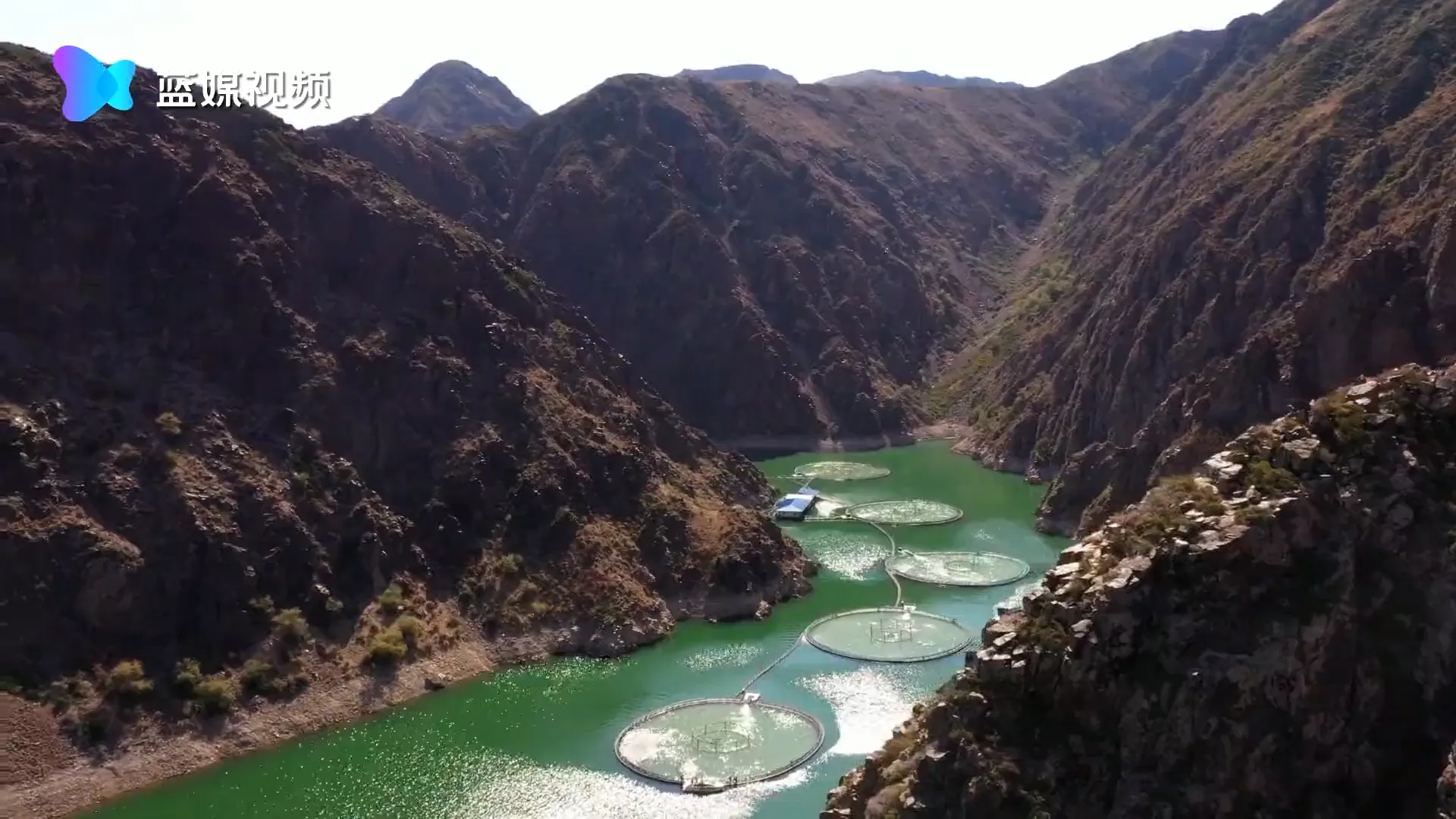
每日数据:“全球海洋中捕获的鱼类有五分之一现在被用于非人类消费的用途 — — 主要用于制作鱼粉和鱼油,” 乌尔比纳写道。
Stat du jour: "A fifth of all fish pulled from the world's oceans is now put to uses other than human consumption — mostly to make fishmeal and fish oil," Urbina writes.
美国消费的最受欢迎的海鲜类型之一 — — 三文鱼和虾 — — 主要来自使用鱼粉的养殖场。它们最终出现在全国各地的超市 ... 并在成千上万家餐厅和食堂的菜单上出现,包括国会山的餐厅,参议员和众议员在那里吃午餐。幕后:乌尔比纳曾进行六次海上航行,包括南海、南极洲附近的南大洋和北大西洋。"这些远征包括登上鱼粉船只,检查日志簿,检查生活条件,采访工人,并记录可能存在的非法行为,"他告诉我。"
"Some of the most popular types of seafood consumed in the United States — salmon and shrimp — are predominantly imported from farms that use fishmeal. They end up in supermarkets throughout the country ... and appear on the menus of hundreds of thousands of restaurants and cafeterias, including those on Capitol Hill where senators and members of Congress eat lunch." Behind the scenes: Urbina took six voyages at sea, including the South China Sea, the Southern Ocean near Antarctica, and the North Atlantic Ocean. "These expeditions involved boarding fishmeal vessels to review logbooks, inspect living conditions, interview workers, and document potentially illegal practices," he told me.
在陆地上,我访问了塞内加尔、泰国、秘鲁、冈比亚、越南、印度尼西亚、柬埔寨、希腊和印度的鱼粉工厂和养殖场。"接下来:Outlaw Ocean 项目已发布一个名为"从饵料到餐盘"的工具,乌尔比纳希望其他记者能够使用它来追踪海鲜从船只和加工厂到下游品牌和消费者的全过程,"包括这些供应链中已知的可能犯罪或其他类型问题。"
"On land, I visited fishmeal factories and aquaculture sites across Senegal, Thailand, Peru, Gambia, Vietnam, Indonesia, Cambodia, Greece and India." What's next: The Outlaw Ocean Project has posted a "Bait to Plate" tool that Urbina hopes other reporters will use to trace seafood from ships and processing plants to downstream brands and consumers, "including what is known about possible crimes or other types of concerns within these supply chains."