一名男子在德国一片田野中使用金属探测器进行搜索时,意外发现了一项非凡的发现。
A man searching a German field with a metal detector stumbled upon a remarkable discovery.
他发现了934枚古罗马银币 — — 一位专家表示,这批近2000年的宝藏和"巨大储藏"可能是某人的毕生积蓄。
He found 934 ancient Roman silver coins — and an expert says the nearly 2,000-year-old treasure and "huge hoard" may have been someone's life savings.
据美联社报道,这些硬币是在科隆以南的韦塞林附近被奥利弗·里德尔发现的。虽然该储藏是在去年发现的,但官员们仅在最近才公布了这一发现,称其为在德国境内发现的罗马皇帝哈德良时期最大的银币储藏。
The coins, found near Wesseling, south of Cologne, were uncovered by Oliver Riedl, according to The Associated Press. Though the hoard was discovered last year, officials only recently announced the find, calling it the largest coin hoard from the reign of Roman Emperor Hadrian ever found in Germany.
后院传来令人困惑的声音,房主由此发现巨型1000年古宝藏 持证金属探测爱好者里德尔在意识到地表下仍有更多硬币埋藏后,立即向考古部门报告。
PUZZLING SOUND IN BACKYARD LEADS HOMEOWNER TO MASSIVE 1,000-YEAR-OLD TREASURE A licensed metal detectorist, Riedl immediately alerted archaeological authorities after realizing more coins were buried beneath the surface.
这位业余爱好者告诉美联社,他在金属探测器持续捕捉到信号后,怀疑地下仍有更多硬币。"我清楚地感觉到,这里埋藏着更大的东西,"他说。
The hobbyist told the AP he suspected there were more coins beneath the surface after his metal detector continued picking up signals. "It was clear to me there was something bigger buried here," he said.
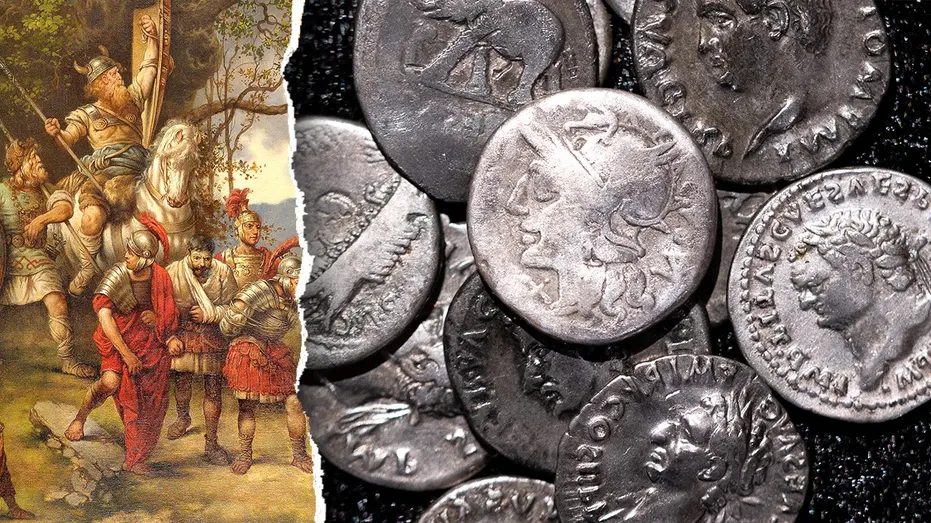
图片显示,这些古罗马银第纳里乌斯币在被小心清理后露出真容,一些上面带有肖像和铭文。
Pictures show the ancient Roman silver denarii after they were carefully cleaned, some bearing portraits and inscriptions.
考古学家在铁路项目中发现巨型古遗址,包括罕见的罗马发现 捏莱茵兰LVR考古古迹保护办公室称,这些硬币很可能是在公元125年至150年间被有意埋藏的。
ARCHAEOLOGISTS UNCOVER MASSIVE ANCIENT SITE DURING RAIL PROJECT, INCLUDING RARE ROMAN FIND The coins were likely buried intentionally between 125 and 150 A.D., according to the LVR Office for the Preservation of Archaeological Monuments in the Rhineland.
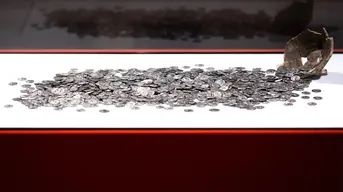
这批惊人的宝藏重达6.8磅,目前正在LVR-兰德斯博物馆波恩展出。
The staggering hoard weighs 6.8 pounds and is currently on display at the LVR-LandesMuseum Bonn.
德国不伦瑞克工业大学古代史教授约翰内斯·维纳德表示,这一宝藏最引人注目的方面是其异常庞大的规模。
The most striking aspect of the hoard was its unusual size, said Johannes Wienand, a professor of ancient history at the Technical University of Braunschweig in Germany.

维纳德并未参与此次发现或其研究工作,但他告诉福克斯新闻数字版,这个宝藏是"一笔巨大的财富"。
Wienand was not involved in the discovery or its research but told Fox News Digital the hoard is "a huge treasure."
警察在水下发现奇怪物体,随后作出惊人古代发现 "这肯定是哈德良时期发现的此类最大的罗马银币储藏,"他说。
POLICE OFFICERS SPOT STRANGE OBJECTS UNDERWATER, THEN MAKE REMARKABLE ANCIENT DISCOVERY "It's certainly the largest Roman coin hoard of that sort from Hadrian's time," he said.
这是一枚时间胶囊,记录了当时人们日常使用的货币。维纳德说,一名罗马军团士兵一年的税前收入大约为300第纳里乌斯,这意味着这批宝藏大约相当于一名士兵三年的税前收入。"一名罗马士兵可能需要六年、七年、八年甚至更长时间才能攒下这么多钱,也许是为了退休后的生活,"他说。
"It's a time capsule of the money the people in that period actually used day by day." A Roman legionary would have earned a gross salary of around 300 denarii per year, Wienand said, meaning the hoard was roughly equivalent to three years of a soldier's gross salary. "A Roman soldier would need six, seven, eight, even more years to save this amount of money, maybe for his retirement," he said.
点击此处查看:这些硬币是在莱茵河边境附近的农村地区发现的,当时该地区标志着罗马帝国的边界,他指出。罗马城市科隆和位于波恩的军团要塞也就在附近 — — 这增加了与军队有关的可能性。
The coins were discovered in a rural area near the Rhine frontier, which marked a border of the Roman Empire at the time, he noted. The Roman city of Cologne and a legionary fortress in Bonn were also nearby — raising the possibility of a military connection.
虽然与军队有关联是可能的,但维纳德表示,宝藏所有者的身份仍然未知。
While a military connection is possible, Wienand said the identity of the hoard's owner remains unknown.
:"看来这是一个人一生的积蓄,他把这些财宝收集起来,放进一个陶罐里,埋在土里,为以后留着使用,"维纳德说。"显然,所有者从未能够取回这笔财富。"最重要的是,维纳德表示,这次发现凸显了负责任使用金属探测仪和报告考古发现的重要性。
CLICK HERE FOR MORE LIFESTYLE NEWS "It seems to have been the life savings of one person who put this treasure together and put it in a pot, buried it in the soil to save it for later," Wienand said. "And obviously the owner was never able to recover this treasure." Above all, Wienand said the discovery highlights the importance of responsible metal detecting and reporting archaeological finds.
通过我们最新的生活方式测验检验自己:"这实际上是一个关于如何正确做事的故事,"他说。"这名金属探测爱好者持有许可证。他获得了寻找此类发现的许可。他立即联系了文物官员。"
"It's actually a story of how to do things right," he said. "The metal detectorist was licensed. He had permission to look for finds like that. He immediately called the heritage officers."

维纳德补充道:"他报告了这一发现,并为对这一非凡发现的有序勘探做出了贡献。""这些硬币和这个宝藏[如今]已成为我们文化遗产的一部分。我认为这是这个故事的一个非常好的结果。"美联社也对此进行了报道。
Wienand added, "He reported the find, and he contributed to an orderly exploration of this remarkable find." "These coins and this hoard [are] now part of our cultural heritage. And I think that's a very good outcome of this story." The Associated Press contributed reporting.